Iremitide Fashion Brand: Colour, Craft and the Language of Occasionwear
There is a particular role that occasionwear plays in fashion. It is not always designed for the ordinary rhythm of a working day or the quiet practicality of everyday dressing. Instead, it often appears when people want clothing to mark an event, communicate confidence or create a memory. The garment becomes part of the occasion itself.
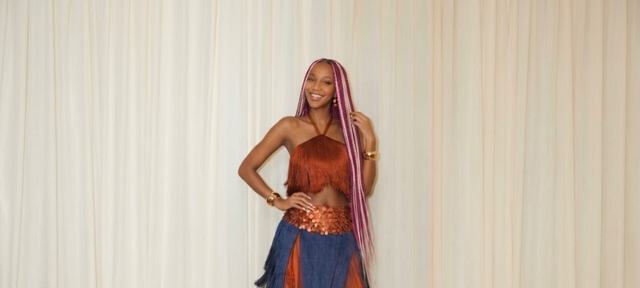
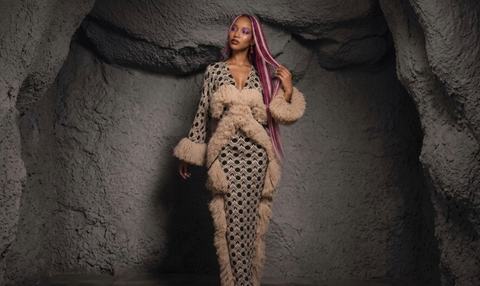
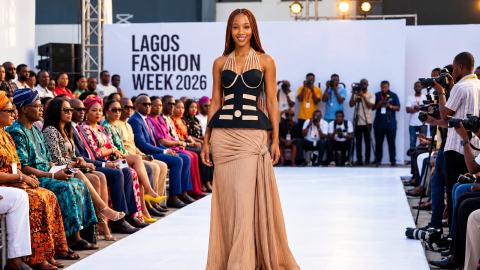
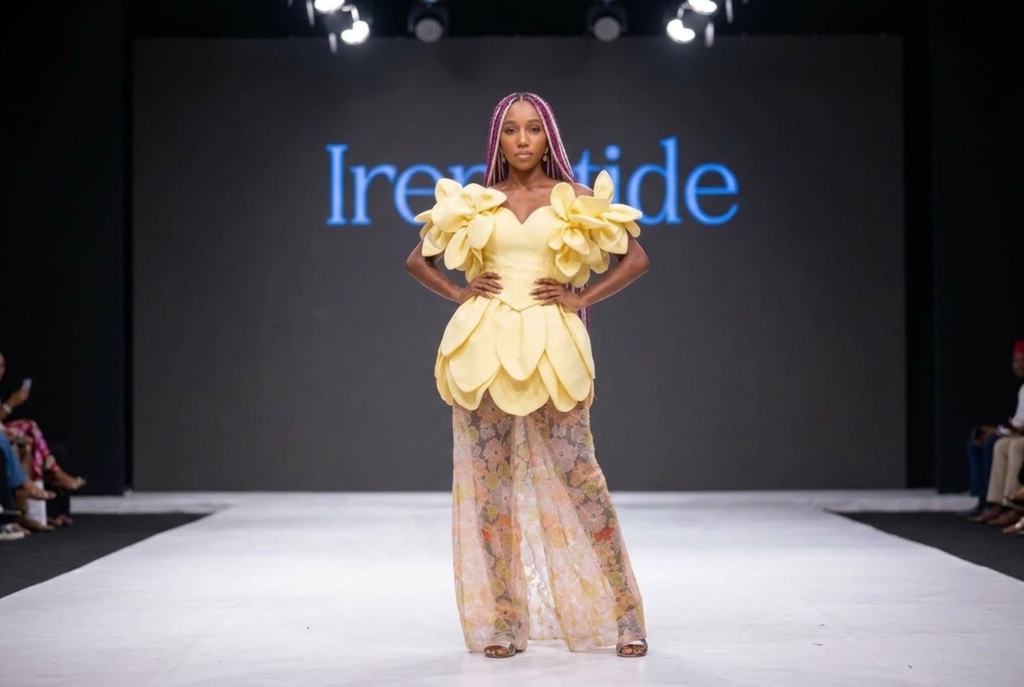
That is one reason I find the work presented under the name Iremitide at Lagos Fashion Week 2026 worth examining. Fashion coverage of the event described a collection that made generous use of red, including a beaded halterneck dress, a corseted mermaid gown and other striking occasionwear pieces. The report placed these designs within a broader runway conversation about colour, texture and the visual impact of clothing.
The name appears in some published coverage as Iremitide, while the event schedule supplied for this series uses Iremide. This profile follows the spelling used in the recent fashion coverage when discussing the collection.
A limitation is important here: publicly available coverage provides more detail about the runway presentation than about the designer’s personal biography. I will therefore focus on the documented collection and the wider design questions it raises rather than inventing details about a founder’s childhood, education or career.
The Meaning of Occasionwear in Contemporary Fashion
Occasionwear occupies an interesting place between personal style and social expectation. People dress for weddings, ceremonies, formal dinners, cultural celebrations, award events and other moments that carry a particular significance. In these settings, clothing can become a visual expression of respect, status, joy or individuality.
The requirements are not the same for every wearer. One person may look for a classic silhouette that feels elegant without drawing too much attention. Another may want a dramatic colour, a sculpted bodice or a garment with intricate decoration. Occasionwear allows designers to work within that range of expectations while also offering interpretations that move beyond familiar formulas.
Iremitide’s reported use of red and embellished silhouettes places its 2026 presentation within this expressive side of fashion. Red is visually powerful, but its meaning is not universal. In different contexts it may suggest celebration, romance, confidence, authority or spiritual significance. Its impact depends on the culture, the event, the styling and the way the garment is constructed.
A designer’s decision to use red throughout a collection can create continuity while still allowing individual pieces to differ. One dress may rely on colour alone. Another may use beadwork to create a textured surface. A third may depend on the shape of the bodice or skirt to establish its identity.
These distinctions matter because colour is only one part of a garment’s visual language. Fabric, proportion, movement, embellishment and fit all influence the final effect. The strongest occasionwear often combines these elements without allowing them to compete unnecessarily.
Beading, Corsetry and the Construction of a Silhouette
The runway report highlighted a beaded halterneck dress and a corseted mermaid gown among Iremitide’s standout looks. These design details offer a useful way to consider the relationship between craftsmanship and silhouette.
Beading introduces texture, reflected light and surface detail. Depending on its placement, it can draw attention towards the neckline, follow the body’s contours or create a decorative pattern across the garment. It may also affect the weight and movement of the fabric, making construction decisions particularly important.
Corsetry serves a different function. A structured bodice can shape the appearance of the torso, provide support and establish a defined transition between the upper body and the skirt. A mermaid silhouette typically follows the body before widening towards the lower part of the garment, creating a distinctive outline that becomes especially noticeable when the wearer walks.
These techniques demand more than visual imagination. The designer and production team must consider the relationship between the pattern, the fabric, the body and the intended movement of the wearer. A gown that looks striking on a stationary model still needs to function when someone sits, walks, dances or moves through a crowded event.
For me, this is where the technical side of fashion becomes especially important. The audience may first notice colour or embellishment, but the success of the garment also depends on less visible decisions. Stitching, lining, fastening, support and finishing can determine whether a design feels secure and comfortable enough to be worn for an entire occasion.
The public sees the final result. Behind it is a series of decisions about materials, measurements, construction and time. Recognising that process helps move fashion criticism beyond the simple question of whether a dress looks beautiful.
Red as a Visual Statement
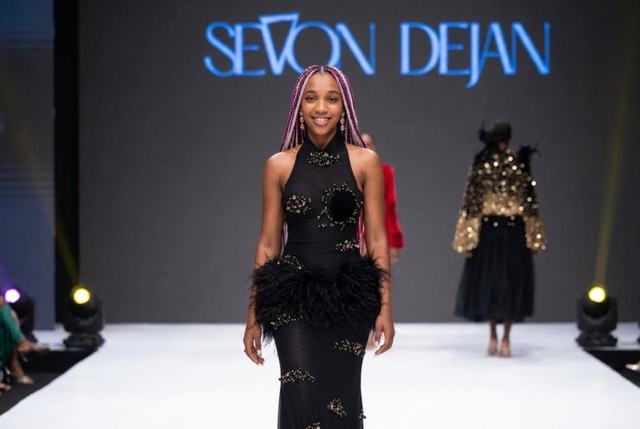
Red was not confined to a single designer’s presentation at Lagos Fashion Week 2026. Coverage of the event described the colour appearing across several collections, including designs by Hertunba, Sevon Dejana and others. Iremitide’s use of red therefore formed part of a wider runway trend while retaining its own interpretation through occasionwear.
A repeated colour can create a shared visual conversation between designers who approach clothing differently. One label may use red as a small accent against a darker base. Another may build an entire look around the shade. A third may combine it with embellishment or a dramatic skirt to amplify its presence.
The same colour can produce different results because it does not exist independently of its surroundings. A red garment made from a fluid fabric will move differently from one built around a rigid bodice. A smooth surface reflects light differently from beadwork or sequins. The shade itself may appear warmer, deeper or brighter depending on the lighting and the colours placed beside it.
I believe this is one reason fashion weeks remain useful as spaces for observation. When collections are presented close together, audiences can identify shared ideas while also seeing how designers interpret them differently. A colour trend does not necessarily mean that every designer is copying another. It may reflect a shared interest in the expressive potential of a particular shade, translated through distinct creative methods.
African Fashion and the Importance of Local Creative Industries
Iremitide’s presentation took place within an industry that is attracting wider attention while continuing to navigate practical challenges. Nigerian fashion designers work within a market shaped by changing consumer budgets, production costs, access to specialised materials, skilled labour and the demands of building a recognisable brand.
Fashion Week can provide visibility, but a runway appearance is not the same as a sustainable business model. A designer needs a way to translate interest into orders, communicate with clients, organise fittings, manage production and deliver garments at the expected standard. Occasionwear can be especially demanding because customers may need precise fitting and delivery within a fixed time frame.
There is also a wider creative ecosystem behind each collection. Pattern cutters, tailors, embroiderers, stylists, photographers, models, production teams and other workers help bring a presentation to life. Their contribution is not always visible in a runway photograph, but it is essential to the result.
When discussing fashion, I think it is important to consider this wider network rather than treating the designer as the only person responsible for a finished garment. Creative leadership matters, but the work also depends on technical knowledge and cooperation across multiple roles.
For Nigerian designers, strengthening this ecosystem can help turn creative recognition into longer term opportunity. That includes supporting training, improving access to equipment, building reliable local supply chains and developing routes for customers to discover and purchase work beyond the period of a fashion event.
Craftsmanship Beyond the Runway
Embellished occasionwear can look effortless when it is presented well, but that appearance often depends on careful labour. Beads need to be positioned and secured. Decorative elements must work with the underlying construction. The weight of a skirt and the structure of a bodice must be balanced so that the garment holds its shape without restricting the wearer unnecessarily.
These practical considerations remind us that fashion is both an art and a technical discipline. A designer may have a clear visual idea, but turning that idea into a wearable garment requires decisions that respond to the properties of the materials and the needs of the person who will wear it.
The quality of a collection should therefore be considered through several lenses. Visual impact matters, but so do fit, durability, finishing and the relationship between the design and its intended use. A garment can be dramatic without being uncomfortable, and it can be carefully made without relying on excessive decoration.
The same applies to responsible production. The use of labour intensive techniques raises questions about time, compensation and the practical conditions in which the work takes place. A conversation about craftsmanship should recognise the skill involved while also remembering the people who carry out that work.
What Iremitide’s 2026 Presentation Adds to the Conversation
The publicly reported details of Iremitide’s Lagos Fashion Week presentation point to a clear emphasis on occasionwear, colour and decorative construction. The beaded halterneck dress and corseted mermaid gown demonstrate how different techniques can be used to create garments with a strong visual identity.
The collection also offers a useful reminder that fashion does not need to be understood only through broad categories such as traditional or modern. A designer can work with established occasionwear forms while using colour, surface treatment and construction to give them a contemporary interpretation.
I find that balance important when considering African fashion. The industry is too diverse to be reduced to a single aesthetic or expectation. Some designers work primarily with indigenous textiles and inherited craft traditions. Others explore streetwear, experimental reconstruction, tailoring, minimalism or formal occasionwear. These approaches can coexist within the same fashion ecosystem.
A stronger understanding of the industry comes from paying attention to those differences. It allows individual labels to be discussed through the choices visible in their work rather than through assumptions about what African fashion is supposed to look like.
Iremitide’s reported collection offers a starting point for that discussion. Its use of red, beading and sculptural silhouettes places attention on the expressive possibilities of occasionwear and the technical decisions required to realise it. More detailed public information about the designer’s personal background would help expand the biography, but the available runway evidence already supports a thoughtful examination of the collection’s design language.
Ultimately, occasionwear is about more than dressing for a special date. It is about the relationship between clothing and memory, between the body and silhouette, and between individual taste and the shared language of celebration. When designers approach these relationships with care, a garment can become part of the way people remember an important moment.
The writer of this article does not claim to know the individuals named personally. The information about their backgrounds, as published on Global News Arena, is based on independent online research.
Are you interested in learning how to write professionally and earning money as a writer and content creator? Contact Auxi Chat today to start your writing journey immediately.
Need a professional website in 72 hours? Contact Auxi Chat
If you have an article, opinion piece, event or news story you would like published, Global News Arena would love to hear from you.