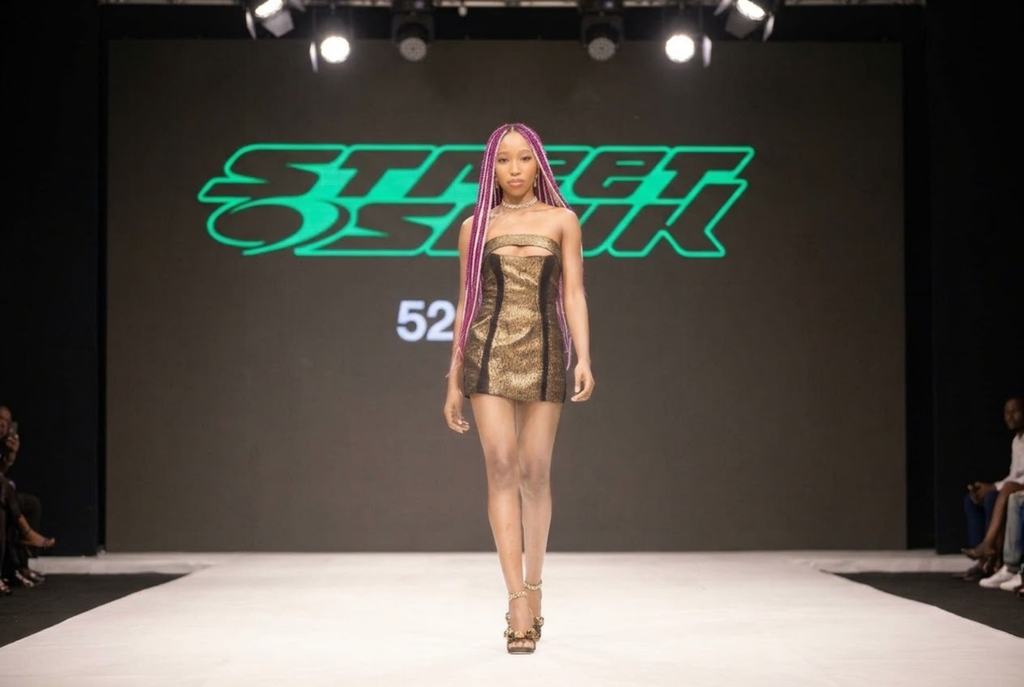
Street Souk fashion platform: Iretidayo Zaccheaus and the Work of Building a Streetwear Community
Fashion is often discussed through individual designers and their collections. We look at the person behind a label, the clothes they create and the visual identity they establish. Yet some of the most important work in an industry happens at a different level. It involves building the platforms that allow many designers to be seen, connecting creative communities and helping a category of fashion find a wider audience.
Street Souk belongs to that conversation. Founded in Lagos in 2018 by Iretidayo “Ireti” Zaccheaus, the platform emerged in response to the need for a dedicated space where Nigerian streetwear brands and the people who support them could connect. Business of Fashion’s profile of Zaccheaus describes Street Souk as a platform for African and diaspora streetwear communities, while the organisation’s own website identifies Zaccheaus as its founder and chief executive.
I find this model particularly interesting because streetwear does not fit neatly within the traditional image of a fashion house. Its identity is shaped by clothing, but also by music, art, graphic design, sneakers, online communities, youth culture and the everyday ways people signal belonging or independence. A streetwear platform must therefore do more than display products. It needs to understand the culture around them.
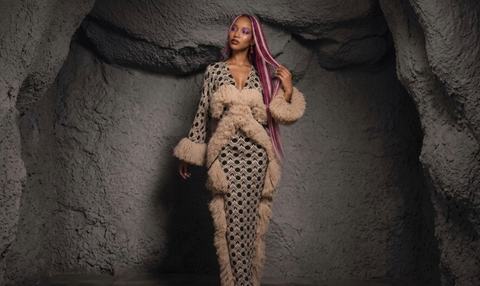
Street Souk’s presence at Lagos Fashion Week in October 2026 reflected that wider purpose. Rather than presenting the work of only one designer, the platform brought together four labels identified in coverage as Fahlil, Zacchi Lagos, 5200 Fleece and Casimir Hero. Reporting on the presentation described bomber jackets, metallic finishes, experimental headwear, detachable hoodies and leather interpretations of the traditional agbada.
This collective presentation offers a useful way to consider both the work of the individual designers and the role of a platform that brings them into the same space.
Iretidayo Zaccheaus: The Founder Behind the Platform
Iretidayo Zaccheaus, widely known as Ireti, is the founder and chief executive of Street Souk. Her professional background includes a business degree and a master’s degree in marketing, according to Business of Fashion. That combination provides relevant context for understanding the platform’s development: Street Souk operates at the intersection of creative culture, audience building, brand development and commercial opportunity.
The organisation began in 2018 with a modest group of 16 vendors, according to Business of Fashion’s profile. Its growth demonstrates how a gathering designed around a specific creative community can become a larger meeting point for designers, consumers and industry participants. The same profile reports that the 2022 edition attracted more than 6,000 attendees and featured over 120 brands.
Those figures matter because visibility is not evenly distributed across the fashion industry. A label may have a strong design identity but lack the resources to reach new customers, attract buyers or build connections with people outside its immediate circle. A platform can help reduce some of those barriers by gathering multiple brands in one place and creating a recognisable destination for audiences interested in the category.
Zaccheaus’s role is therefore not limited to selecting clothing or organising an event. It involves developing a setting in which independent brands can meet potential customers, communicate their identity and participate in a wider conversation about what Nigerian streetwear can become.
I believe this kind of work deserves serious attention in discussions about fashion entrepreneurship. The success of a creative industry depends not only on individual talent but also on the systems that help talent reach an audience. A designer needs opportunities to present work. A customer needs a way to discover brands. Buyers and collaborators need places where they can identify emerging ideas. A platform can connect these groups, although it cannot guarantee that every brand will achieve commercial success.
Streetwear Is a Culture, Not Just a Clothing Category
Streetwear is often associated with oversized T shirts, hoodies, sneakers, graphic prints, cargo trousers and relaxed silhouettes. Those elements are familiar, but they do not fully explain the category. Streetwear has developed through communities that use clothing to express identity, creative independence and relationships with music, art and public life.
The category can be playful, political, experimental, commercial or deeply personal. It can borrow from sportswear and workwear while transforming those references through graphic language, unusual proportions or locally meaningful symbols. It can also change rapidly as communities respond to new music, social movements, digital trends and shifts in popular culture.
That fluidity makes streetwear difficult to define through one visual formula. A brand may focus on graphic T shirts, while another may develop highly constructed jackets or reinterpret traditional clothing through contemporary materials. Both can belong to the wider conversation if they are connected to the culture and communities that shape the category.
Street Souk’s collective approach reflects this diversity. By presenting several designers together, it acknowledges that streetwear is not one person’s vision. It is an ecosystem of different creative voices, each working with its own references, audiences and design priorities.
I find that distinction important. When fashion is discussed only through individual labels, the communities that support those labels can become invisible. Yet streetwear often derives its meaning from how clothing is worn, shared, photographed, adapted and discussed. The wearer is not simply the final customer. The wearer can also be part of the culture that gives a garment significance.
Street Souk fashion platform at Lagos Fashion Week 2026
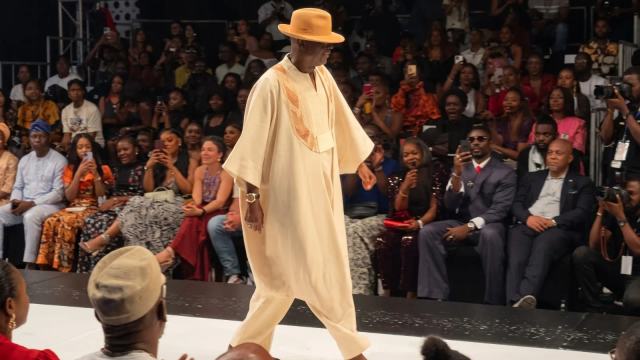
The October 2026 presentation placed Street Souk within one of Nigeria’s most visible fashion platforms. According to event coverage, the collective brought together Fahlil, Zacchi Lagos, 5200 Fleece and Casimir Hero. The presentation featured a variety of streetwear approaches, including bomber jackets, detachable hoodies, metallic finishes, experimental headwear and leather interpretations of the agbada.
The range of these details is significant. A bomber jacket is a familiar form with a long history in military and casual clothing. A detachable hoodie introduces an element of adaptability. Metallic surfaces can create a more dramatic visual effect, while experimental headwear can shift attention towards the head and face. Reworking the agbada in leather brings a recognised form of Nigerian dressing into a different material context.
These are not interchangeable design decisions. Each creates a different relationship between familiarity and surprise. A viewer may recognise the basic form of a garment while noticing that its material, proportions or function have changed.
The use of the agbada reference is particularly relevant to the broader conversation about contemporary African fashion. Designers can engage with familiar cultural forms without treating them as objects that must remain unchanged. Reinterpretation can allow a garment to enter new settings and reach audiences who may understand it through different experiences.
At the same time, cultural references require care. A design becomes more meaningful when the people creating it understand the context they are drawing from and when the work avoids treating cultural forms as decorative material without history. Contemporary fashion can make room for experimentation while still respecting the significance of the forms it uses.
Street Souk’s collective runway appearance also raised a wider question about access. When multiple emerging or independent labels are presented together, the platform can introduce audiences to designers they might not otherwise discover. It can create a shared point of entry into a diverse scene without suggesting that the participating brands all have the same identity.
From Lagos to an International Streetwear Conversation
Streetwear communities are not confined by national borders. Clothing, music, graphic design and online culture travel rapidly, allowing brands to reach audiences far from their place of origin. However, international visibility does not mean every market has equal access to distribution, production resources or commercial networks.
Business of Fashion reports that Street Souk expanded beyond Lagos, taking exhibitors to cities including Accra, Cape Town, London, Los Angeles and Dubai in 2023. Its profile also describes collaborations with international brands and Nigerian musicians. These developments place the platform within a larger effort to connect African streetwear creators with audiences and partners beyond their immediate markets.
Expansion can create opportunities, but it also introduces practical challenges. Brands need to understand different customer expectations, shipping arrangements, pricing conditions and local retail environments. A product that attracts attention at an event still needs a clear route to the customer after the event ends.
There is also the question of what international visibility should mean for African fashion. Recognition from overseas audiences can be valuable, but it should not be the only measure of a brand’s importance. Local customers, creative communities and the people who contribute to production are also central to a fashion ecosystem’s long term strength.
I believe the most useful international partnerships are those that create meaningful opportunities rather than simply borrowing the appearance of cultural relevance. They should allow designers to retain a clear identity, build relationships with customers and benefit from the work they create.
Street Souk’s role as a platform gives it a potentially important position in this process. By connecting brands with different audiences, it can help widen the routes through which Nigerian streetwear is discovered. The lasting impact, however, depends on whether those connections lead to sustained opportunities for the designers and communities involved.
The Business Challenges Behind Creative Community Building
A fashion platform may appear exciting from the outside, particularly when it brings together a large audience and a collection of distinctive brands. Behind the event is a substantial amount of coordination. Organisers must consider venue arrangements, vendor participation, communications, audience development, brand selection, logistics and the experience of both exhibitors and visitors.
For participating designers, preparation can be equally demanding. They need products ready for display, pricing that reflects their costs, clear brand information and enough stock or production capacity to respond to customer interest. If the event creates demand that a small business cannot fulfil, visibility may not translate into a lasting commercial benefit.
These realities matter because creative industries can sometimes celebrate exposure as if it were the same as economic security. Visibility can introduce a brand to new audiences, but it does not automatically pay for materials, labour, rent or future production. Designers still need workable business models and relationships that extend beyond the event itself.
A platform also has to balance different interests. Established brands may bring recognition, while emerging designers may contribute new ideas. Customers may look for affordability, originality or exclusivity. Organisers need to build a coherent experience while allowing participating brands to retain their own identities.
I see this balancing act as one of the central challenges of fashion entrepreneurship. The creative vision must remain important, but it has to operate within practical limits. The more effectively a platform connects creativity with workable business opportunities, the more valuable it can become to the community it serves.
What Street Souk Means for the Future of Nigerian Fashion
Street Souk offers an example of how an industry can grow through community building as well as individual design. Iretidayo Zaccheaus identified a space where Nigerian streetwear brands could gather, and the platform has developed into a meeting point for designers and audiences interested in the culture surrounding the clothing.
Its 2026 Lagos Fashion Week presentation reinforced the idea that streetwear can occupy a place within major fashion events without losing its connection to experimentation and community. The range of silhouettes, materials and references described in coverage showed how the participating labels could approach the category in different ways.
The larger lesson is that fashion ecosystems need more than talented designers. They need platforms, retail channels, production networks, media coverage, skilled workers and customers who are willing to engage with the work. No single organisation can provide all of these things, but platforms can help connect parts of the system that might otherwise remain separated.
I believe Street Souk’s most important contribution is therefore not simply that it places streetwear before an audience. It helps create a setting in which streetwear can be understood as a serious creative and commercial field, with its own designers, communities and opportunities for development.
For Nigerian fashion, the continued growth of such platforms could help broaden the definition of who gets to participate in the industry and what kinds of clothing deserve attention. Streetwear does not need to imitate established luxury fashion to justify its place. Its cultural importance comes partly from the communities that shape it and the ways it reflects changing ideas about identity, creativity and belonging.
The future of the platform will depend on its ability to maintain those connections while creating sustainable opportunities for the brands involved. That is a demanding task, but it is also the kind of work that can strengthen an industry beyond a single collection or runway season.
The writer of this article does not claim to know the individuals named personally. The information about their backgrounds, as published on Global News Arena, is based on independent online research.
Are you interested in learning how to write professionally and earning money as a writer and content creator? Contact Auxi Chat today to start your writing journey immediately.
Need a professional website in 72 hours? Contact Auxi Chat
If you have an article, opinion piece, event or news story you would like published, Global News Arena would love to hear from you.