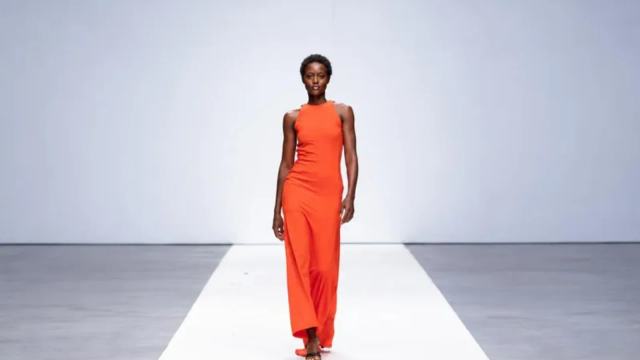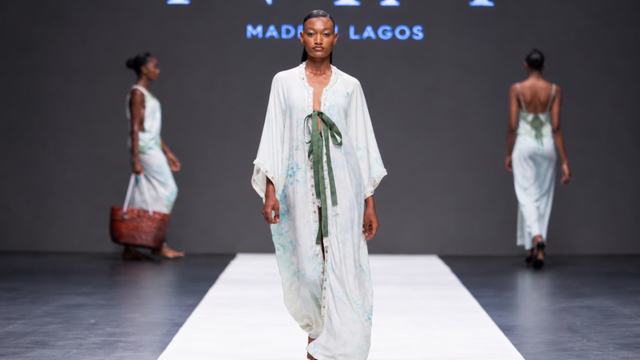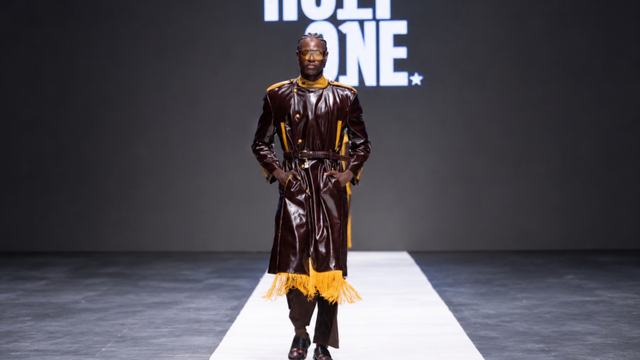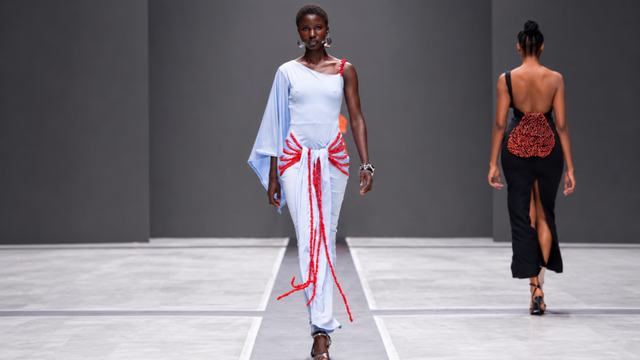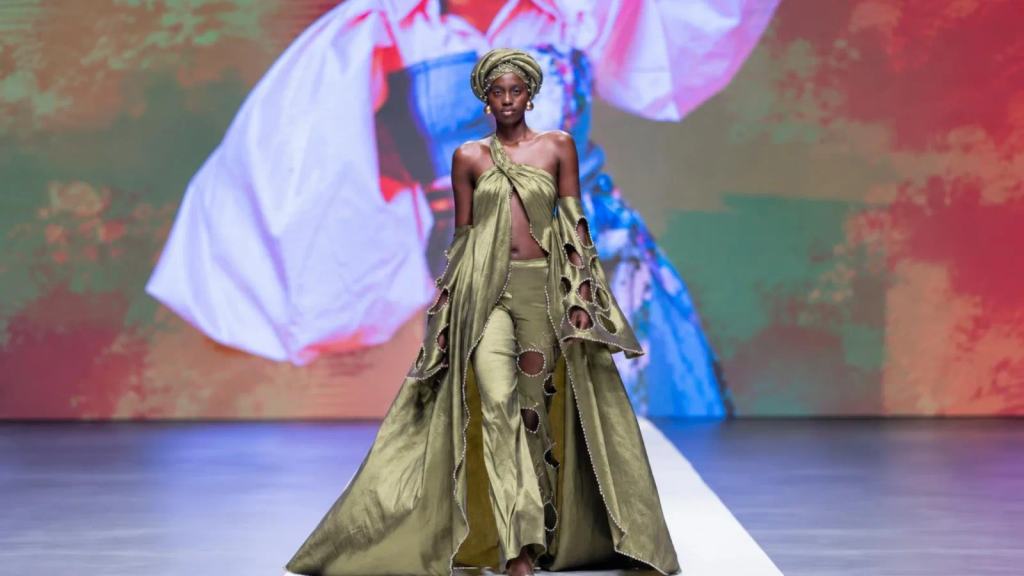
Pillz N Poizn Fashion and the Power of Individual Expression
READ: Israella Kobla Fashion: A Contemporary African Design Perspective
Pillz N Poizn fashion sits within a contemporary design environment where labels have increasing opportunities to explore distinctive identities and challenge familiar ideas about clothing. African fashion continues to expand beyond narrow definitions, bringing together different creative approaches, construction methods and interpretations of modern style.
Clothing can communicate an idea before a wearer speaks. Silhouette, colour, texture and proportion all influence the way an outfit is perceived. A designer may use these elements to create a restrained look, introduce an unexpected contrast or build a collection around a more experimental visual direction. The choices made during design development ultimately determine how a garment communicates with its audience.
READ: NYA Fashion: Contemporary Identity and the Future of African Style
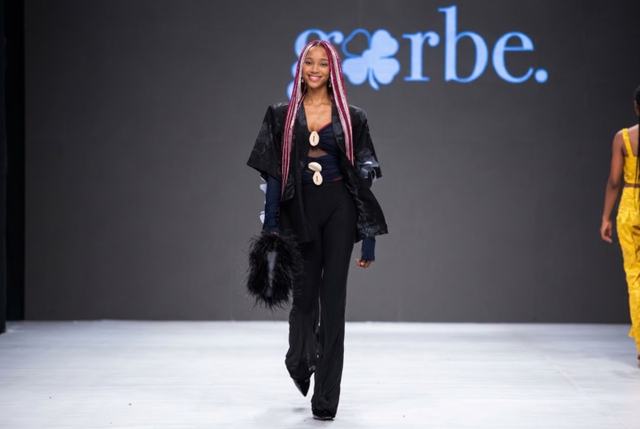
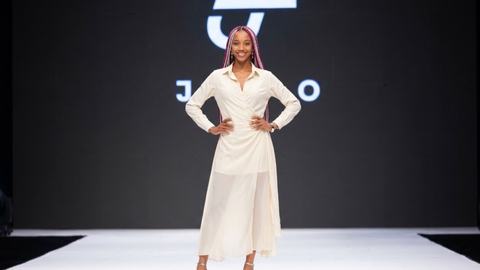
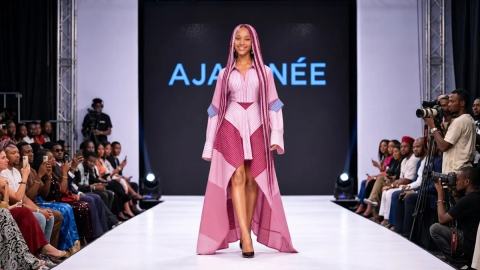
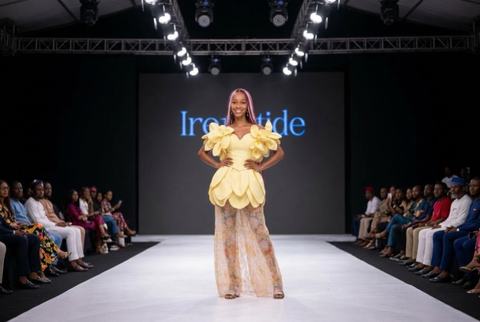
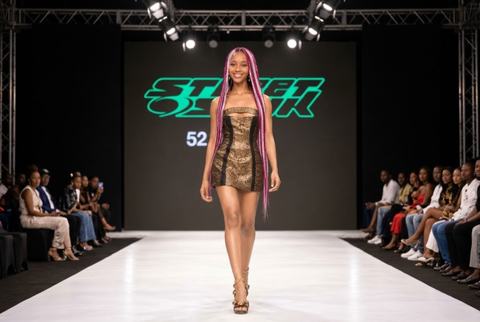
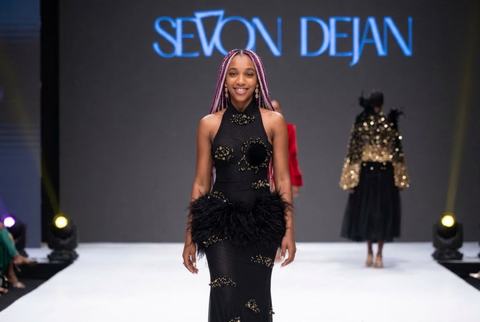
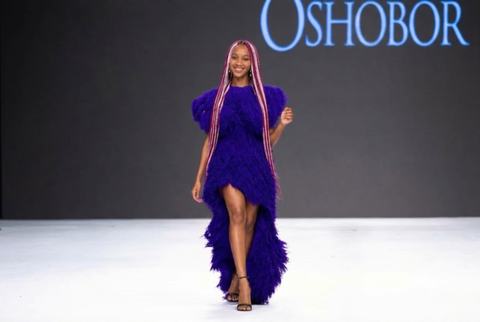
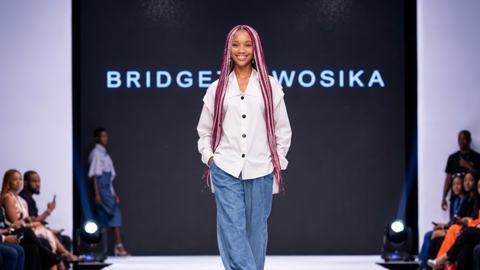
For a label appearing at Lagos Fashion Week, a runway presentation provides a setting for those choices to be experienced as part of a collection. Individual garments become connected through styling, sequence and the overall atmosphere of the presentation. Audiences can observe how the pieces relate to one another and consider what makes the designer's visual language distinctive.
Pillz N Poizn's inclusion in the schedule places the label within this broader conversation about creativity and contemporary African style. The importance of such platforms extends beyond a single show: they bring different design perspectives into view and encourage audiences to look more closely at the ideas behind the clothes.
Fashion as a Visual Language
Fashion offers designers a way to communicate through materials and form. The shape of a sleeve, the balance between fitted and oversized elements, or the contrast between smooth and textured surfaces can influence how a garment feels visually. Even a relatively simple design can become distinctive when its proportions and construction are carefully considered.
Experimental fashion often begins with a willingness to question familiar conventions. Designers may reconsider how garments are layered, where seams are placed, how volume is distributed or how separate pieces work together. Such experimentation does not always require dramatic shapes. Sometimes a subtle change in proportion can make a familiar garment feel new.
The challenge is to ensure that experimentation serves a clear purpose. A striking design can attract immediate attention, but the relationship between its parts determines whether it feels coherent. Designers must consider how individual details contribute to the whole and whether the finished garment communicates the original idea.
This relationship between concept and construction is central to contemporary fashion. The garment becomes the physical expression of a design decision, connecting the designer's intentions with the wearer's experience.
The Importance of a Recognisable Design Identity
A fashion label needs more than individual attractive garments to develop a lasting identity. Its creative direction emerges through a series of decisions that connect collections over time. These might include the use of particular shapes, a preference for specific textures, a distinctive approach to styling or a consistent interest in certain design questions.
A recognisable identity does not mean a designer must avoid change. Fashion depends on development, and repeating the same ideas without refinement can limit creative growth. Instead, a strong design identity provides a foundation from which new ideas can emerge while retaining a connection to the label's wider vision.
For contemporary labels, this balance is especially important because audiences encounter fashion through fast-moving digital platforms. A single look can circulate widely, but lasting recognition requires more than one moment of attention. The work needs to communicate a coherent perspective that audiences can identify and understand.
Pillz N Poizn fashion can be considered within this broader challenge facing independent and contemporary labels: how to develop a distinctive visual language while remaining open to experimentation. The answer is found through the work itself, including the relationship between garments, materials, finishing and presentation.
Lagos Fashion Week and the Expanding African Fashion Industry
Lagos Fashion Week creates a meeting point for designers, industry professionals and audiences interested in the development of African fashion. Runway presentations offer a concentrated view of collections, while the wider event helps connect creative work with conversations about business, production and visibility.
For participating designers, a fashion week platform can introduce their work to people who may not have encountered the label before. It can also provide a context for comparison, allowing audiences to see how different designers respond to questions of identity, craftsmanship and contemporary dressing.
However, the runway is only one stage in a label's development. The practical work of building a fashion business includes sourcing materials, organising production, maintaining quality and communicating with customers. A designer must consider how the creative ideas presented at an event can be sustained beyond it.
These commercial responsibilities are closely connected to design. Production capacity may influence the materials selected, the complexity of a garment and the number of pieces that can be made. Understanding these limitations can help designers make decisions that protect the quality of their work while supporting the development of their businesses.
The broader significance of Lagos Fashion Week lies partly in its ability to bring creative and commercial conversations together. It makes fashion visible as both an art form and an industry that depends on skill, organisation and sustained participation.
African Fashion Is Defined by Diversity
Contemporary African fashion encompasses a broad range of approaches. Some designers explore heritage textiles and traditional craftsmanship, while others focus on tailoring, minimalism, luxury dressing or experimental silhouettes. Many combine influences according to their individual experiences and creative interests.
This diversity challenges the assumption that African fashion must follow one particular visual formula. A designer can engage with cultural heritage directly, reinterpret familiar techniques or develop a contemporary aesthetic that takes a different direction. Each approach can contribute to the industry without needing to represent every aspect of African identity.
Readers can explore another perspective through Global News Arena's feature on NKWO and sustainable African design. The article considers the relationship between design identity, materials and more responsible approaches to fashion production.
Placing different labels within the same conversation should not erase their individual differences. Instead, it helps audiences understand how varied design philosophies coexist within a growing industry.
For Pillz N Poizn, the wider context is a reminder that the significance of a label should be considered through its own creative decisions. Its place in the programme contributes to the range of voices represented at the event, while the garments themselves remain central to understanding its design direction.
Materials, Construction and the Finished Garment
Fashion design depends on the relationship between an idea and the materials used to realise it. Fabric weight, texture, flexibility and structure can all influence the outcome. A material that holds a sharp shape will behave differently from one that falls softly, and the choice can determine whether a design achieves its intended appearance.
Construction brings those material decisions together. Pattern development, seam placement, closures and finishing affect how a garment fits and moves. When the construction supports the design, the result can feel coherent from the overall silhouette down to the smallest details.
Experimental designs can make these considerations especially important. Unusual proportions or layered structures may require careful planning to ensure that the garment remains balanced. A visually ambitious idea must still be translated into a piece that functions as intended.
The work behind a garment is not always obvious in a runway photograph, but it is essential to the final result. Understanding materials and construction allows audiences to appreciate fashion beyond the immediate impact of styling or presentation.
These practical skills also contribute to a label's consistency. When garments are produced to a clear standard, the designer can develop new ideas while maintaining the quality expected by the audience.
Fashion Beyond the Runway
A runway presentation creates a particular atmosphere, but clothing eventually enters a range of personal and social settings. Some pieces may be designed primarily to express a concept, while others may be intended for regular wear. Many collections explore the space between these purposes.
READ: Holy One Fashion: Exploring Identity and Contemporary African Design
The relationship between creativity and wearability is not necessarily a conflict. A garment can be visually distinctive and still provide comfort, movement and practical use. The challenge is to understand the purpose of each design and make decisions that support it.
Wearers also interpret clothing in their own ways. An outfit that appears dramatic on a runway may become part of a personal wardrobe through different styling choices. This interaction between designer and wearer is one of the reasons fashion continues to evolve.
For a label, the ability to communicate beyond the runway depends on how clearly its design identity can be understood. Customers may be drawn to a particular shape, texture or idea, but the overall experience also involves fit, quality and the relationship between the garment and the wearer's lifestyle.
Why Experimental Design Matters
Fashion develops when designers have the opportunity to test ideas and question familiar conventions. Experimentation can introduce new proportions, encourage different approaches to construction or prompt audiences to reconsider how clothing communicates identity.
Not every experiment becomes a lasting trend, nor does every unusual design need to appeal to a broad audience. The value of creative exploration also lies in expanding the possibilities available to designers and wearers. Even ideas that remain specialised can influence how the wider industry thinks about form and presentation.
The presence of varied labels at Lagos Fashion Week helps sustain this exchange of ideas. Audiences can compare different approaches, identify emerging interests and develop a deeper understanding of the work involved in contemporary design.
Pillz N Poizn's place in the programme contributes to this wider setting of creative participation. The broader story of African fashion is not built by one label or one aesthetic, but through the interaction of designers who bring different perspectives to clothing.
As the industry continues to evolve, the most meaningful fashion conversations will be those that examine individual work carefully, recognise the importance of craftsmanship and leave room for new ideas. That is how a diverse fashion landscape can continue to develop without losing the individuality that makes it compelling.
The writer of this article does not claim to know the individuals named personally. The information about their backgrounds, as published on Global News Arena, is based on independent online research.
Are you interested in learning how to write professionally and earn money as a writer and content creator? Contact Auxi Chat today to start your writing journey immediately.
Need a professional website in 72 hours? Contact Auxi Chat
If you have an article, opinion piece, event or news story you would like published, Global News Arena would love to hear from you.