Sevon Dejana Fashion Brand: The Designer Behind the Drama
Some garments are designed to fit quietly into everyday life. Others are created for moments when clothing becomes part of the occasion, carrying a sense of ceremony, personality and visual drama. Couture often belongs to the second category. Its impact may come from the shape of a gown, the precision of its construction, the detail of its embellishment or the atmosphere created when the garment is presented.
The Sevon Dejana fashion brand has become associated with this expressive side of Nigerian luxury fashion. Founded by Aladejana Segun Victor Edikan, the label is known for womenswear couture that brings together structured silhouettes, intricate decoration and a strong interest in visual storytelling. A January 2026 profile by Marie Claire Nigeria described Edikan’s design practice as one that draws on cultural heritage and modern innovation, while tracing his early relationship with fashion to a family deeply involved in tailoring.
I find this background important because it places the designer’s work within a wider history of making. Fashion may be presented as an industry of new ideas, but the ability to create a garment often rests on knowledge passed between generations, technical skills developed through practice and an understanding of how fabric behaves on the body.
Sevon Dejana’s work also raises questions about the role of spectacle in contemporary fashion. A dramatic gown can capture attention, but its success depends on more than its first impression. The garment needs to communicate a clear idea, hold together technically and serve the occasion for which it is intended. The challenge is to create something memorable without allowing decoration to overwhelm the design itself.
Aladejana Segun Victor Edikan: A Family Connection to Tailoring
According to Marie Claire Nigeria’s January 2026 profile, Edikan’s maternal grandparents were tailors who operated a well known shop on Ibido Street in Obalende. They dressed clients locally and abroad, and several of his uncles also followed the tailoring tradition. This family environment meant that clothing and craftsmanship were not distant concepts. They were part of the world surrounding him.
The profile describes Edikan as a child who sketched frequently, drawing superheroes, imagined worlds and clothing. These early interests eventually developed into a professional direction. He launched his brand in 2015, with a Spring/Summer 2016 collection marking an early stage in the label’s public journey.
I believe the family background helps explain why the relationship between design and construction is such an important part of the story. A fashion designer can begin with an image or an idea, but bringing that idea into the physical world requires an understanding of materials, proportions, finishing and fit. Exposure to tailoring can make those technical questions visible from an early age.
It would be simplistic, however, to suggest that a family connection automatically produces a successful designer. Heritage can provide familiarity, encouragement or access to knowledge, but a professional practice still requires sustained work. Designers must develop their own visual language, respond to changing expectations and learn how to translate creative ideas into garments that can be produced and worn.
Edikan’s career reflects the process of turning an early interest into a named label. Since its establishment, Sevon Dejana has become associated with couture pieces that use shape, texture and embellishment to create a strong visual identity. The brand’s development shows how a designer can draw on inherited knowledge while building a contemporary interpretation of luxury.
The Language of Sculptural Silhouettes
One of the recurring characteristics associated with Sevon Dejana is its interest in structure. A sculptural silhouette does not merely follow the natural outline of the body. It may exaggerate a shoulder, define the waist, expand a skirt or create a shape that changes the wearer’s proportions.
This approach requires careful decisions about pattern cutting and construction. The designer must understand how the garment will hold its form, how weight will be distributed and how the wearer will move within it. Depending on the design, support structures, layered materials, lining and precise finishing can all contribute to the result.
Sculptural fashion can be powerful because it makes the relationship between the body and the garment visible. The clothes are not simply placed on a model as a finishing touch. Their shape actively influences the way the body is perceived, creating an outline that may feel regal, futuristic, romantic or theatrical.
I find that the most interesting structural designs have a clear relationship between form and intention. Volume is not necessarily valuable because it is large, and embellishment is not automatically effective because it is elaborate. Each design choice should contribute to the overall idea.
The same principle applies to luxury. A high price or an elaborate appearance does not, by itself, establish quality. The design must also demonstrate attention to construction, material choice, finishing and the experience of the person wearing it. Couture is demanding because it asks a designer to manage both the visual concept and the technical details that make the concept possible.
Embellishment, Texture and the Making of Luxury
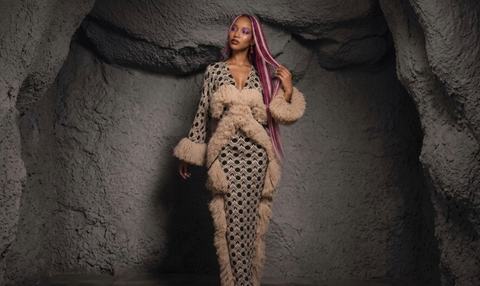
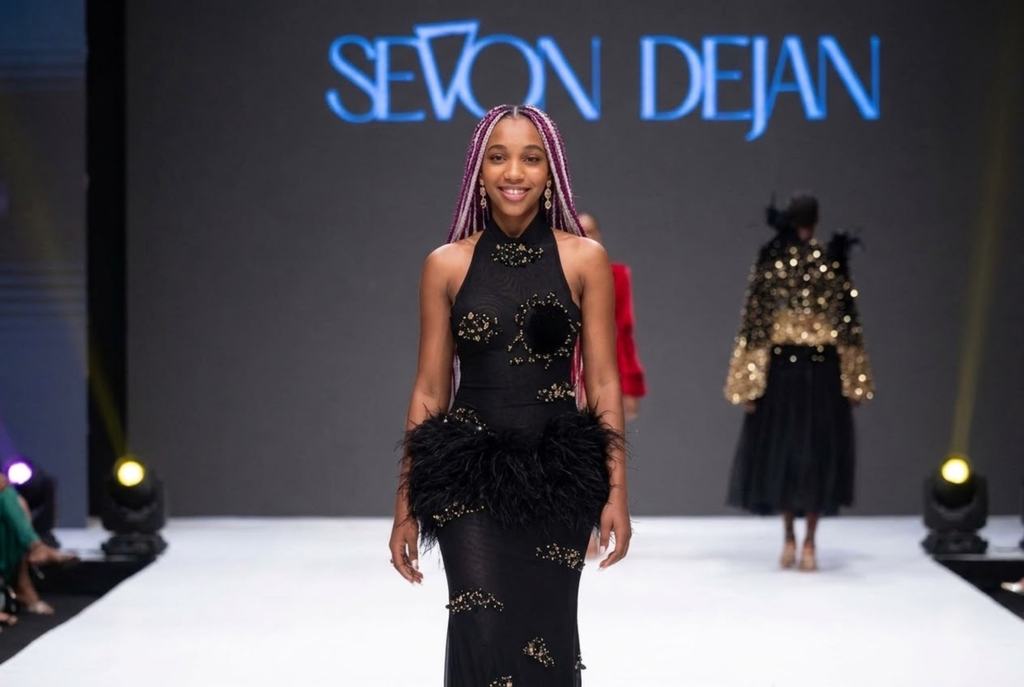
Sevon Dejana’s work has also been described through its use of intricate embellishment. Decorative details can change the character of a garment by introducing texture, reflecting light or directing attention towards particular areas of the silhouette.
Embroidery, beading, feathers and other decorative elements each produce different effects. Embroidery can create lines and patterns that follow the construction of a garment. Beading can introduce sparkle and weight. Feathers can add movement or volume. Metallic surfaces can create contrast, while velvet can absorb light and contribute to a rich visual appearance.
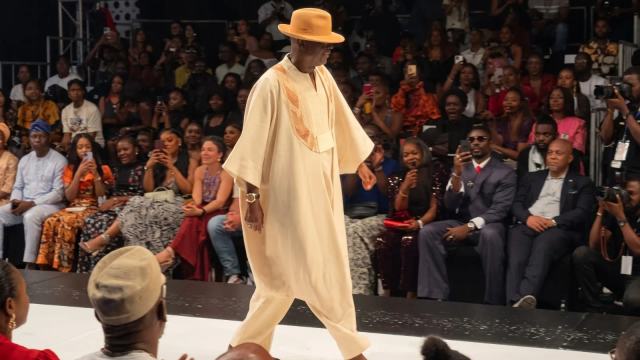
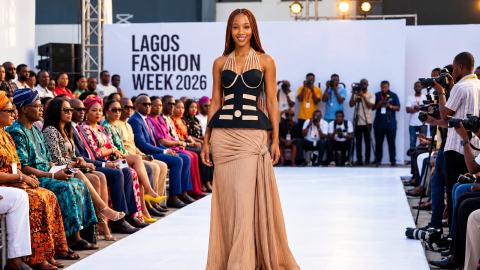
Coverage of Lagos Fashion Week 2026 noted Sevon Dejana’s use of elaborate embellishment and protruding feathers, placing the brand within a wider runway interest in texture. The same coverage described designers across the event exploring materials and surface details in different ways.
These details are most effective when they work with the shape of the garment. A heavily decorated bodice may establish a focal point, while a simpler skirt allows that detail to remain visible. Alternatively, a more evenly distributed surface treatment can create a continuous visual effect. The designer must decide how the eye should move across the garment and how each element contributes to the overall composition.
There is also a practical side to embellishment. Decorative materials can add weight, require additional support and affect how a garment is cleaned or stored. Feathers and beads may need careful handling, and intricate finishes can demand considerable time from the people responsible for producing them.
Those considerations remind us that luxury fashion depends on labour as well as imagination. The final photograph may show a finished gown, but it does not necessarily reveal the hours of construction, fittings and adjustments behind it. A meaningful discussion of craftsmanship should recognise both the artistic decisions and the work needed to realise them.
From “Transcendence” to the Power of Fashion Storytelling
Sevon Dejana’s earlier Lagos Fashion Week presentation included Transcendence, a collection described in fashion coverage through celestial imagery, sculptural tailoring and regal references. Reports on the collection highlighted voluminous velvet gowns, structured silhouettes and metallic headpieces that helped create a dramatic visual world.
A collection title can influence the way audiences interpret clothing. The word Transcendence suggests movement beyond ordinary limits, transformation or an attempt to reach a different state of being. Celestial references can evoke distance, mystery, spirituality or the grandeur associated with the heavens. Regal details may suggest ceremony, authority and historical forms of power.
These interpretations are possibilities rather than fixed meanings. A designer may have a specific idea in mind, while individual viewers bring their own associations to the collection. Still, a title and its visual references can help connect separate garments into a coherent narrative.
I believe storytelling is one of the most interesting aspects of couture. Clothing can carry meaning through the body, but a runway presentation adds another layer through lighting, music, movement, styling and the order in which looks appear. The environment can influence whether a collection feels intimate, confrontational, romantic or theatrical.
That does not mean a fashion show should rely on spectacle to compensate for weak garments. The clothing remains central. Presentation is most effective when it clarifies the collection’s direction and gives the audience a stronger understanding of the design choices.
Sevon Dejana’s interest in dramatic silhouettes and carefully constructed visual themes suggests an approach in which the collection is treated as more than a sequence of individual outfits. The clothes can form part of a larger atmosphere, allowing the audience to engage with a designer’s ideas as well as the technical qualities of the garments.
Sevon Dejana at Lagos Fashion Week 2026
The October 2026 edition of Lagos Fashion Week provided another public setting for the label. Coverage of the event described Sevon Dejana’s use of structured silhouettes and embellishment, with red appearing among the season’s noticeable colours. The collection was discussed alongside other designers whose work explored texture, craft and the relationship between heritage and contemporary design.
A runway presentation allows a designer to show how garments behave in motion. A structured gown may appear different when the wearer walks than it does in a still photograph. Feathers, draping and layered materials can respond to movement, while a sharply constructed silhouette may hold its shape throughout the presentation.
This matters because fashion is experienced through more than images. Clothes are worn by people who move, sit, walk and interact with others. A successful design has to account for those realities, even when its primary purpose is to create a dramatic visual impression.
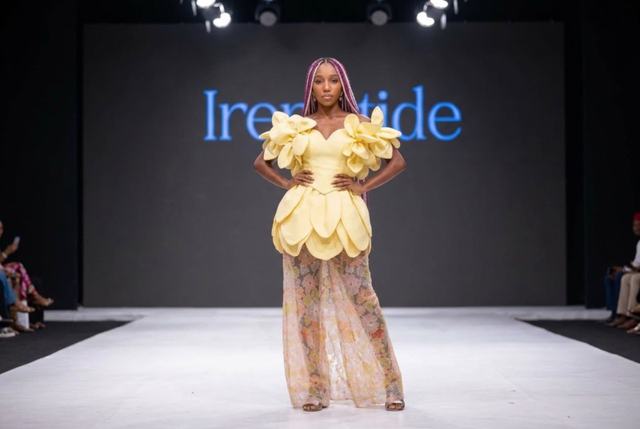
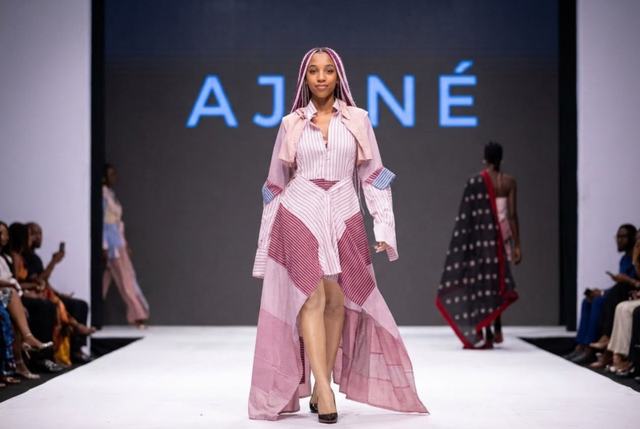
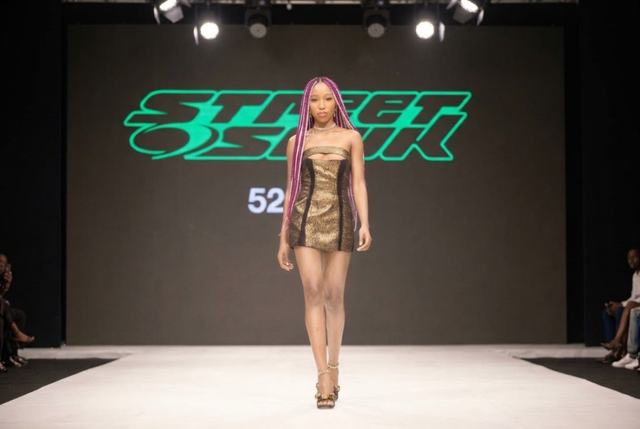
Fashion Week also offers a place for designers to situate their work alongside other creative practices. Sevon Dejana’s emphasis on couture and sculptural form differs from the material reconstruction explored by Ajanée or the community based streetwear platform represented by Street Souk. These differences are part of what makes the wider Nigerian fashion landscape worth examining.
The industry is not moving towards one single style. Instead, it contains multiple approaches to identity, construction, culture and commercial opportunity. Some designers focus on everyday clothing, while others concentrate on occasionwear or couture. Some experiment with existing materials, while others explore embellishment and complex silhouettes. The coexistence of these practices allows the industry to address different audiences and different needs.
The Business Realities of Nigerian Couture
Creating elaborate garments is only one part of running a couture label. A designer also needs to manage production schedules, communicate with clients, organise fittings, source materials and maintain consistent standards. For occasionwear, these responsibilities can be particularly demanding because a customer may need a garment for a specific date that cannot easily be changed.
Couture work often requires individual attention. Measurements vary, clients may have particular preferences and a design may need to be adjusted after fittings. Embellishment and detailed construction can also increase the amount of labour required for each piece. These factors influence pricing and the number of garments a studio can realistically produce.
I believe these practical realities deserve more attention in discussions about Nigerian fashion. It is easy to celebrate a designer’s creativity without considering the resources required to maintain the business. Skilled workers need to be compensated, materials must be paid for, equipment needs maintenance and production spaces have operating costs.
A brand’s long term prospects depend on finding a workable relationship between creative ambition and financial planning. Underpricing can make it difficult to sustain production, while prices that do not reflect the needs of the intended customer can limit demand. Designers must also consider how they communicate the value of their work, particularly in a market where consumers have different levels of disposable income.
The growth of Nigerian couture therefore involves more than attracting attention at fashion events. It requires an ecosystem that supports technical training, access to materials, reliable production, customer relationships and opportunities to reach new markets. Designers may lead the creative direction, but the quality and stability of their businesses depend on many people and systems working together.
Nigerian Luxury Fashion and the Importance of Creative Independence
The word luxury can sometimes be used too narrowly, as if it simply means expensive materials, celebrity clients or international recognition. Those things may form part of a luxury business, but they do not explain the full meaning of the category.
Luxury can also involve time, specialised skill, considered construction and a distinct creative point of view. In couture, the relationship between the garment and the individual wearer can be especially important. The work may require a level of attention that is difficult to reproduce through standardised mass production.
For Nigerian designers, building a luxury identity also raises questions about how the work is understood locally and internationally. A designer should be able to draw on personal experience, cultural references and technical interests without being restricted to a narrow idea of what African fashion is expected to look like.
Sevon Dejana’s approach to sculptural silhouettes and embellished occasionwear represents one route through this landscape. It places emphasis on dramatic presentation and the construction of garments that are intended to make a strong impression. Other designers may pursue very different approaches, and those differences should be understood as part of the industry’s breadth rather than as evidence that one style is more authentic than another.
I find creative independence important because an industry becomes more resilient when designers can develop distinct identities. If every label is expected to follow the same formula, the range of ideas available to audiences becomes limited. Distinct design languages allow customers to find work that reflects their tastes and allow designers to build businesses around the qualities that make their work recognisable.
What Sevon Dejana’s Story Reveals About Couture
The story of the Sevon Dejana fashion brand brings together family influence, technical craft and a contemporary interest in visual storytelling. Aladejana Segun Victor Edikan’s background in a family with tailoring experience provides context for his relationship with clothing, while the label’s public work demonstrates an interest in sculptural silhouettes, embellishment and dramatic presentation.
I believe the value of this story lies in the relationship between inherited knowledge and individual direction. A designer can begin with an early exposure to craft, but a lasting label requires the ability to turn that foundation into a distinctive body of work. That means developing an understanding of materials, making clear design decisions and building a business capable of supporting the creative practice.
Couture also reminds us that fashion is not only about the finished appearance. It is about the construction beneath the surface, the labour involved in producing a garment and the way a design interacts with the body. A dramatic gown can capture attention immediately, but its lasting value depends on the thought and skill that hold it together.
As Nigerian fashion continues to gain wider attention, labels such as Sevon Dejana contribute to a varied picture of the industry. They demonstrate that contemporary African design can engage with luxury, formal dressing and theatrical silhouettes while developing its own visual language.
The wider challenge is to ensure that creative recognition translates into sustainable opportunity for designers and the people who work with them. That means supporting craftsmanship, building viable businesses and creating pathways through which customers can discover and value the work beyond the runway.
Ultimately, couture succeeds when imagination and execution work together. Sevon Dejana’s emphasis on structure, texture and storytelling offers a way to consider how clothing can become both a carefully made object and a memorable visual experience. The result is a reminder that fashion can be expressive without losing sight of the craft required to bring an idea to life.
The writer of this article does not claim to know the individuals named personally. The information about their backgrounds, as published on Global News Arena, is based on independent online research.
Are you interested in learning how to write professionally and earning money as a writer and content creator? Contact Auxi Chat today to start your writing journey immediately.
Need a professional website in 72 hours? Contact Auxi Chat
If you have an article, opinion piece, event or news story you would like published, Global News Arena would love to hear from you.