Omoyemi Akerele biography
READ: Lagos Fashion Week: History, Purpose and the 2026 Theme Celebrating African Craftsmanshi
Omoyemi Akerele is a Nigerian fashion entrepreneur, industry strategist and the founder and chief executive of Style House Files and Lagos Fashion Week. Over more than two decades, she has built a reputation for developing opportunities for African designers, strengthening the business side of fashion and bringing greater international attention to the continent’s creative industries.
Her influence extends beyond the runway. Through designer development, industry partnerships, sustainability programmes and market-access initiatives, Akerele has helped position fashion as more than an expression of personal style. Her work highlights its potential to support employment, preserve traditional craftsmanship, encourage responsible production and contribute to economic growth.
READ: IAMISIGO fashion Reimagines African Heritage Through Wearable Art
Akerele’s career is particularly significant because she has concentrated on building the structures that allow designers to grow. While fashion shows introduce collections to audiences, a sustainable fashion industry also requires skilled workers, production facilities, investment, distribution networks and access to buyers. These are among the broader challenges her work seeks to address.
Early Career and Educational Background
Before becoming one of the most recognisable figures in African fashion development, Omoyemi Akerele trained in law. Her education includes studies at the University of Lagos and postgraduate studies in international economic law at the University of Warwick in the United Kingdom.
However, her professional interests eventually developed towards fashion, styling and creative direction. She worked in fashion styling and image consulting and was associated with True Love West Africa, where she gained experience in fashion communication, visual presentation and the relationship between clothing and identity.
These experiences helped shape her understanding of fashion as both a creative and commercial enterprise. Beyond designing garments, the industry depends on storytelling, brand positioning, audience development and the ability to connect creative talent with customers.
Akerele subsequently channelled this understanding into building platforms that could support Nigerian and other African designers in a more structured way.
Style House Files: Building the Business Behind African Fashion
Style House Files is a fashion business development agency founded by Akerele to support the growth of Nigerian and African fashion brands. Its work reflects a broader understanding of the industry, bringing together creative development, business support, sustainability and opportunities for international exposure.
For many emerging designers, producing a compelling collection is only one part of establishing a successful fashion business. They must also develop reliable production systems, understand their markets, reach buyers, manage costs and communicate the value of their work to customers.
Style House Files addresses this wider industry environment by creating platforms and opportunities through which designers can strengthen their businesses and connect with relevant stakeholders.
Akerele’s approach recognises that the long-term development of African fashion depends on more than international recognition. It also requires a stronger local manufacturing base, investment in skills, dependable supply chains and business relationships that allow creative enterprises to grow.
Through this work, she has helped advance the conversation about African fashion as an industry capable of creating economic value rather than being viewed solely through the lens of cultural expression.
Lagos Fashion Week: The Platform That Changed the Conversation
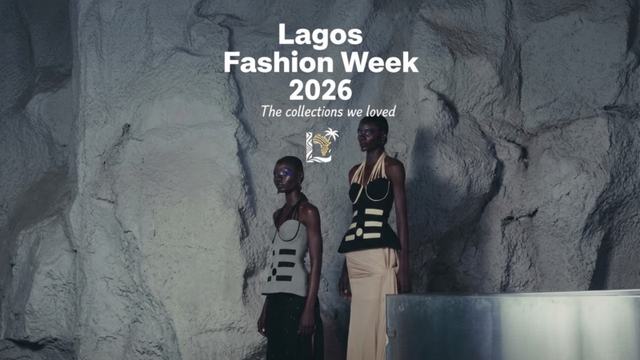
One of Akerele’s most prominent achievements is founding Lagos Fashion Week in 2011. The event has grown into an influential platform for showcasing Nigerian and African designers, bringing together creative professionals, models, fashion businesses, buyers, media representatives and other industry stakeholders.
Lagos Fashion Week provides designers with opportunities to present their collections, develop their public profiles and participate in a wider conversation about the direction of African fashion.
Its significance lies partly in the visibility it offers. Designers working in African markets have often faced challenges in gaining access to international buyers, established fashion networks and the commercial opportunities available to brands with greater resources.
By creating a recurring platform in Lagos, Akerele has helped connect local creativity with broader industry conversations. The event also places Nigerian fashion within an international context, allowing designers to communicate their ideas through textiles, silhouettes, craftsmanship and contemporary interpretations of African identity.
Over the years, Lagos Fashion Week has expanded beyond a conventional runway showcase. Its wider activities have included conversations about responsible production, industry education, emerging talent and the development of stronger connections between designers and markets.
The platform has also contributed to Lagos’s position as an important meeting point for fashion, culture and creative enterprise in Africa.
Omoyemi Akerele biography and Lagos Fashion Week 2026
The continuing relevance of Omoyemi Akerele is evident in the place Lagos Fashion Week occupies within the African fashion calendar. The 2026 edition forms part of a longer effort to develop a more visible, commercially connected and sustainable fashion ecosystem.
Akerele’s role is important because the event is not simply about the clothes presented on the runway. It is also about the environment surrounding those collections: the designers developing new ideas, the artisans producing garments, the businesses supplying materials, the buyers seeking distinctive products and the audiences discovering African fashion.
As Lagos Fashion Week evolves, its wider significance includes creating opportunities for designers to build relationships that may continue long after the event ends. Such connections can help brands explore new markets, improve their visibility and develop a clearer understanding of international commercial expectations.
The 2026 edition also provides a useful context for examining the broader direction of Akerele’s work. Sustainability, local craftsmanship, responsible production and the growth of African creative businesses have become increasingly important subjects in discussions about the future of fashion.
Rather than treating these issues as separate from creativity, her work brings them into the conversation about how the industry can develop. This approach places Lagos Fashion Week within a larger discussion about the relationship between culture, commerce, manufacturing and environmental responsibility.
Sustainability and the Future of African Fashion
Sustainability is an important part of Akerele’s contribution to the fashion industry. The global fashion sector faces persistent concerns about waste, overproduction, resource consumption and the environmental consequences of manufacturing and disposing of clothing.
African fashion offers opportunities to approach some of these questions through established traditions of craftsmanship, repair, reuse and the continued value of locally produced materials. However, translating these practices into a modern industry requires investment, technical knowledge, market demand and systems that can support designers and manufacturers.
Akerele has supported initiatives intended to encourage more responsible approaches to fashion production and to give emerging designers opportunities to develop sustainable business models.
Green Access
Green Access is an initiative associated with Lagos Fashion Week that supports emerging designers working with sustainability and environmentally conscious design. It provides a platform for developing talent while encouraging participants to consider how materials, production decisions and business practices affect the wider fashion ecosystem.
The programme reflects the understanding that sustainability must be incorporated into the way fashion businesses operate rather than treated only as a marketing message.
By supporting designers exploring alternative approaches to production, Green Access contributes to the development of new ideas about how African fashion can combine creativity with environmental responsibility.
Woven Threads
Woven Threads is another initiative associated with Akerele’s wider work in sustainable fashion. It highlights the relationship between textiles, craftsmanship, cultural knowledge and innovation, including approaches that encourage the reuse of materials and more circular ways of thinking about production.
The initiative also draws attention to the skills and knowledge held by artisans and textile communities. These contributions are essential to understanding African fashion as an ecosystem that includes far more than the designer whose name appears on a collection.
Together, initiatives such as Green Access and Woven Threads illustrate how Akerele’s work connects the development of individual brands with broader questions about the future of the industry.
Supporting African Designers Beyond the Runway
A central part of Akerele’s work involves creating opportunities for African designers to develop professionally and commercially.
Fashion businesses need more than exposure to become sustainable. They require access to training, reliable production, appropriate financing, retail opportunities, distribution networks and customers willing to invest in their products.
Lagos Fashion Week and Style House Files help bring attention to these needs by creating spaces where designers can present their work and connect with other participants in the fashion ecosystem.
Such platforms can also help emerging brands understand the importance of consistency, product quality, commercial planning and a recognisable creative identity.
For African designers seeking to reach international markets, these considerations can be especially important. A collection may attract attention during a fashion show, but converting that attention into orders and repeat business requires the infrastructure to produce and deliver garments to the expected standard.
Akerele’s broader contribution lies in helping make these structural issues part of the conversation about African fashion’s growth.
Awards, Recognition and International Influence
Omoyemi Akerele’s work has received recognition beyond Nigeria. She has been included in the Business of Fashion’s BoF 500, a list recognising influential figures shaping the international fashion industry.
READ: Emmy Kasbit Fashion Reimagines Nigerian Heritage Through Contemporary Design
Her work has also attracted attention from organisations and institutions interested in sustainable development, creative enterprise and Africa’s economic potential.
In 2025, Akerele was named a climate fellow at Yale’s Jackson School of Global Affairs. This recognition reflects the connection between her work in fashion and wider discussions about sustainability and climate-conscious development.
Her international engagements have helped bring African fashion into conversations about market access, responsible production and the role of creative industries in economic development.
Such recognition is significant not only for Akerele personally but also for the designers, artisans and businesses whose work contributes to the industry she helps develop.
The Economic Importance of Her Work
Fashion is often discussed in terms of aesthetics, trends and luxury, but it is also an industry involving production, trade, employment and entrepreneurship.
The development of African fashion businesses can create opportunities for designers, tailors, textile producers, photographers, models, stylists, manufacturers, retailers and other creative professionals.
It can also encourage the preservation and commercial development of traditional textile techniques and artisanal skills.
Akerele’s work draws attention to the importance of building connections across this value chain. Fashion platforms can generate visibility, but their long-term impact is stronger when they help businesses establish relationships, improve their capabilities and reach customers.
This wider perspective is especially relevant to Nigeria, where a growing creative economy offers opportunities for young people and small businesses. Developing these opportunities requires investment in training, manufacturing capacity, infrastructure and access to markets.
By advocating for African designers and helping build platforms around their work, Akerele has contributed to a broader effort to make fashion a more established part of the continent’s creative economy.
Omoyemi Akerele’s Lasting Legacy
Omoyemi Akerele’s legacy is closely connected to the institutions and opportunities she has helped build. Lagos Fashion Week provides a recurring platform for designers to present their work, while Style House Files supports a wider conversation about business development and the infrastructure needed for the industry to grow.
Her approach demonstrates that advancing African fashion involves more than securing international attention for individual collections. It also means developing the people, skills, production systems and commercial relationships that allow the industry to operate over the long term.
As the fashion sector continues to confront questions about sustainability, global competition and responsible manufacturing, these priorities remain relevant to designers and businesses across Africa.
Lagos Fashion Week 2026 offers another opportunity to consider the progress of that wider vision. Its significance extends beyond a single edition or collection, reflecting years of work to create a stronger connection between African creativity and the global fashion economy.
For aspiring designers, entrepreneurs and creative professionals, Akerele’s career provides an example of how industry-building can complement artistic expression. Her work continues to show why African fashion deserves to be understood not only as a source of distinctive design but also as a contributor to culture, enterprise, employment and sustainable development.
The writer of this article does not claim to know the individuals named personally. The information about their backgrounds, as published on Global News Arena, is based on independent online research.
Are you interested in learning how to write professionally and earning money as a writer and content creator? Contact Auxi Chat today to start your writing journey immediately.
If you have an article, opinion piece, event or news story you would like published, Global News Arena would love to hear from you.