The Welcome Party and the Beginning of Fashion Week
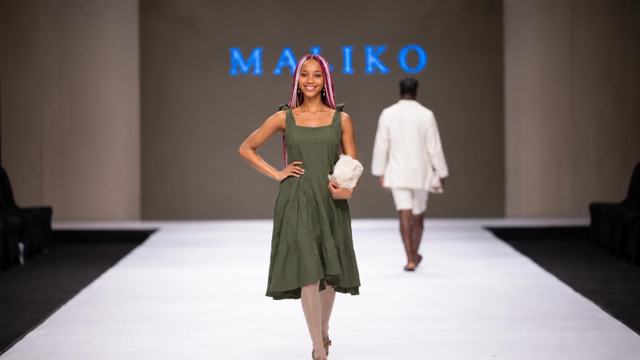
READ: Maliko at Lagos Fashion Week 2026: Artisanal Footwear
There is a particular atmosphere surrounding the opening of a major fashion week. Before the runway presentations begin to dominate the conversation, designers, industry professionals and invited guests gather to reconnect, exchange ideas and anticipate the collections that will shape the days ahead.
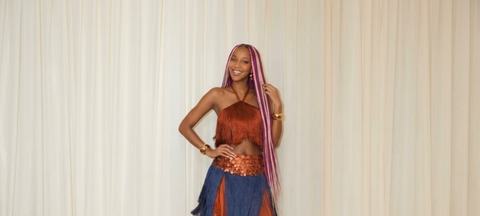
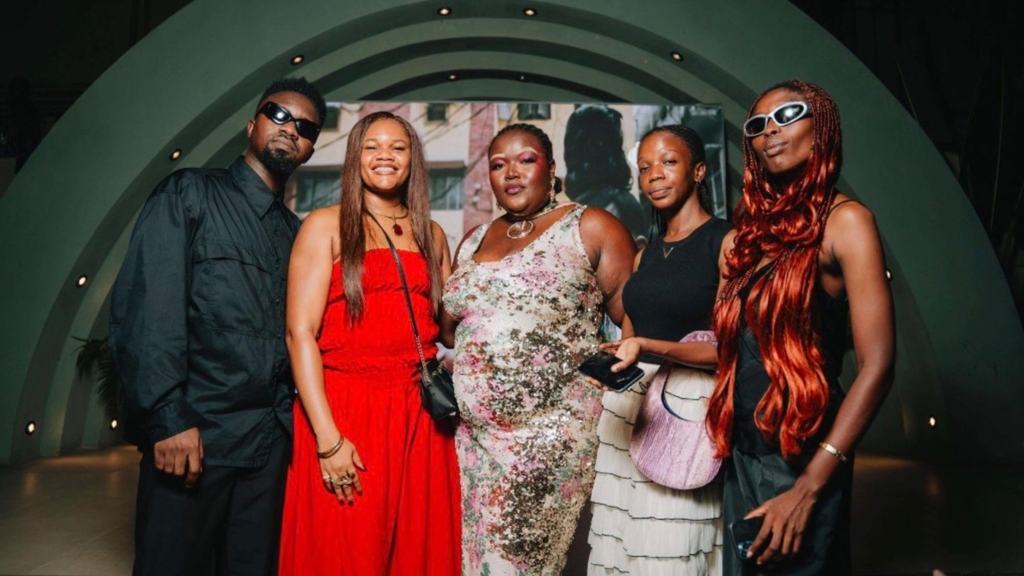
The Heineken Lagos Fashion Week Welcome Party forms part of this opening atmosphere. It is a social occasion connected to an event that has developed into an important platform for contemporary African fashion.
READ: Lagos Fashion Week: History, Purpose and the 2026 Theme Celebrating African Craftsmanshi
The welcome party is more than an opportunity for guests to dress well and enjoy an evening together. It represents the beginning of a programme in which creative expression, industry relationships and commercial ambition intersect.
Fashion is often presented through its most visible elements: the garments, the models, the photographs and the front-row guests. Yet much of the industry’s work happens through conversations that take place away from the runway. Designers meet potential collaborators, brands strengthen relationships, and professionals exchange information that may eventually lead to new projects.
An opening-night gathering provides a setting for those interactions to begin.
Lagos Fashion Week and the Development of African Fashion
Lagos Fashion Week has become an important part of Nigeria’s contemporary fashion calendar. Founded by Omoyemi Akerele through Style House Files, the platform has helped showcase Nigerian and other African designers while encouraging conversations about the industry’s commercial and creative development.
Its significance extends beyond the presentation of new collections. Fashion businesses need access to buyers, retailers, manufacturers, journalists, stylists and other professionals who can help them grow.
A fashion week brings many of these participants into the same environment. It allows designers to present their work while creating opportunities for the industry to discuss production, distribution, investment, craftsmanship and the challenges of building sustainable businesses.
The welcome party provides a social introduction to that larger programme. Guests can begin establishing connections before the more structured presentations and discussions take place.
For emerging designers, such gatherings may offer opportunities to introduce themselves to people who can help them navigate the industry. For established labels, they provide a setting to maintain relationships and remain part of the wider creative conversation.
Heineken’s Relationship with Lagos Fashion Week
Heineken has served as the title sponsor of Lagos Fashion Week for multiple editions, becoming associated with the event’s public identity and its programme of fashion-related activities.
Sponsorship plays an important role in the organisation of large creative events. Fashion weeks require venues, technical production, staffing, communication, logistics and other resources. Partnerships can help support these requirements while giving sponsors opportunities to connect with the audiences they wish to reach.
The relationship between a commercial sponsor and a creative platform also illustrates how fashion operates within a wider business environment. Designers depend on materials, manufacturing, retail and marketing, while events require partnerships that help make their programmes possible.
For sponsors, fashion offers a way to participate in cultural conversations and reach audiences interested in creativity, lifestyle and contemporary African expression.
The value of these relationships depends on how effectively they support the event and contribute to the experience of participants. A successful partnership should help sustain the platform without distracting from the designers and creative work that give it meaning.
The Heineken Lagos Fashion Week Welcome Party 2026
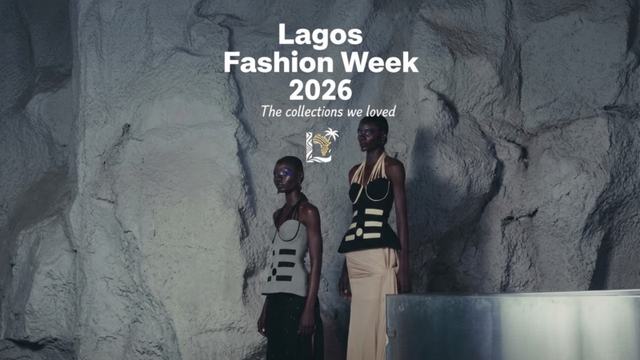
Lagos Fashion Week 2026 ran from Wednesday, 28 October, to Sunday, 1 November, under the theme CRAFTED: Heritage. Innovation. Circular Futures.
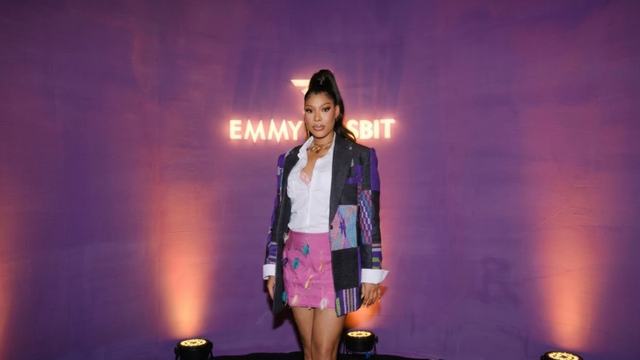
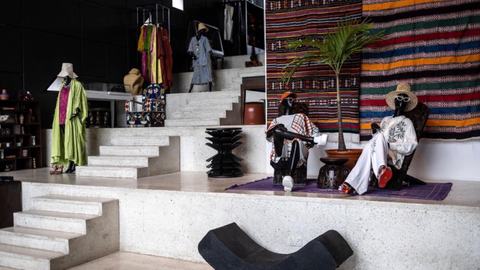
The opening day’s programme combined fashion business discussions with offsite presentations and the welcome party. The evening schedule listed Sisiano at 5 p.m., the ALÁRA x Emmy Kasbit retail presentation at 6 p.m. and Orange Culture at 7 p.m. The welcome party followed at 8 p.m. and was listed as an invitation-only event.
This sequence created a transition from the day’s designer and industry activities into the social side of fashion week.
The presence of designers such as Sisiano, Emmy Kasbit and Orange Culture also demonstrated the diversity of creative approaches represented in the opening programme. Each label brings a different perspective to contemporary Nigerian fashion, from movement and silhouette to traditional craftsmanship and expressive identity.
The welcome party sits within this larger context. It offers a shared gathering point at the beginning of a programme that continues with runway shows, retail activities and other industry events.
Fashion Parties and the Business of Networking
Networking is one of the less visible but potentially important aspects of the fashion industry. A designer’s career may be influenced by a conversation with a buyer, a stylist’s interest in a collection, a journalist’s decision to cover a brand or a business introduction that leads to a future collaboration.
These outcomes are not guaranteed by attending a party. Relationships develop over time, and successful professional connections depend on more than a single introduction.
Nevertheless, gatherings can create opportunities that might not arise through formal meetings alone. They allow people to encounter one another in a less structured environment, discover shared interests and begin conversations that can continue after the event.
For young designers and creative entrepreneurs, learning to communicate the value of their work is an important professional skill. They must be able to explain what distinguishes their brand, who their customers are and what kind of collaboration they are seeking.
The same principle applies to fashion businesses more broadly. Creative ability is essential, but commercial development also requires clear communication, reliability and the capacity to build relationships with different industry participants.
The Importance of Visibility for Nigerian Designers
Visibility can be valuable for a fashion label, particularly when it helps introduce the designer to people who may become customers, buyers or collaborators.
However, visibility is not the same as commercial success. A brand can receive substantial attention without generating enough orders to support its production costs. Another label may receive less publicity but build a more stable business through loyal customers and reliable retail relationships.
This distinction is important when assessing the value of fashion-week activities. Parties, runway shows and editorial coverage can contribute to a brand’s public profile, but their longer-term value depends on what follows.
Designers need systems that can convert interest into sales, deliver products at the expected quality and maintain customer relationships. They also need access to skilled production workers, suitable materials and distribution channels.
The welcome party is therefore best understood as one element of a larger ecosystem. It helps establish the atmosphere and relationships surrounding the event, while the business of sustaining African fashion continues throughout the year.
CRAFTED: Heritage, Innovation and Circular Futures
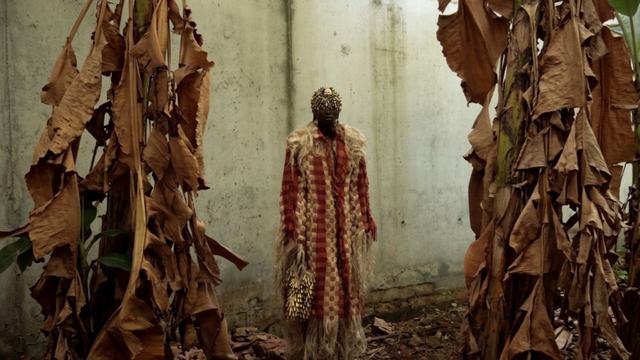
READ: IAMISIGO fashion Reimagines African Heritage Through Wearable Art
The 2026 theme, CRAFTED: Heritage. Innovation. Circular Futures, placed the act of making at the centre of the fashion-week conversation.
Heritage acknowledges the knowledge, techniques and cultural references that inform African design. Innovation encourages designers to reinterpret those influences through new ideas, materials and construction methods. Circular futures raises questions about waste, material use and how garments might remain useful for longer.
Together, these ideas encourage a broader view of fashion than the simple pursuit of new trends.
For designers, craftsmanship is both a creative resource and a practical responsibility. It involves understanding how garments are made, recognising the skills required to produce them and considering the conditions under which that work takes place.
For the wider industry, the challenge is to ensure that attention to craft contributes to stronger businesses and meaningful opportunities for makers. A theme can start an important conversation, but its lasting value depends on the practices that follow.
The welcome party provides a celebratory beginning to this conversation, while the presentations and industry sessions create opportunities to examine the work in greater detail.
Conclusion: More Than an Opening-Night Celebration
The Heineken Lagos Fashion Week Welcome Party represents the social beginning of a larger programme dedicated to African fashion and its development.
Its importance lies not only in the atmosphere of the occasion but also in the relationships it can help bring together. Designers, retailers, media professionals, sponsors and other participants all contribute to an industry that depends on both creativity and commercial cooperation.
The 2026 edition began with offsite presentations and industry activities before moving into the main runway programme. The welcome party formed part of that opening sequence, introducing the social dimension of a week focused on fashion, craftsmanship and innovation.
I believe the most useful way to understand such an event is to look beyond the photographs from the evening. The real measure of its value lies in whether the wider platform continues to create opportunities for designers, support skilled makers and strengthen the businesses that sustain African fashion.
Celebration has its place, but lasting progress depends on what the industry builds after the guests have gone home.
The writer of this article does not claim to know the individuals named personally. The information about their backgrounds, as published on Global News Arena, is based on independent online research.
Are you interested in learning how to write professionally and earning money as a writer and content creator? Contact Auxi Chat today to start your writing journey immediately.
If you have an article, opinion piece, event or news story you would like published, Global News Arena would love to hear from you.