What Is Lagos Fashion Week?
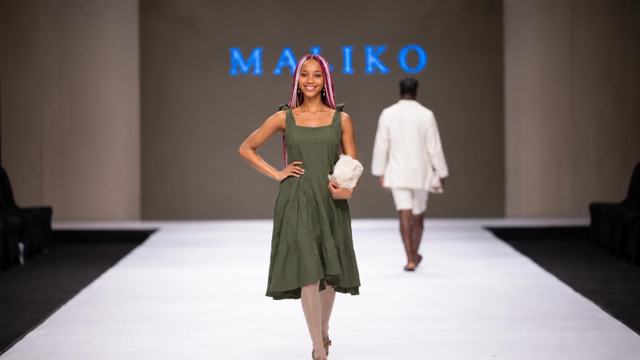
READ: Maliko at Lagos Fashion Week 2026: Artisanal Footwear
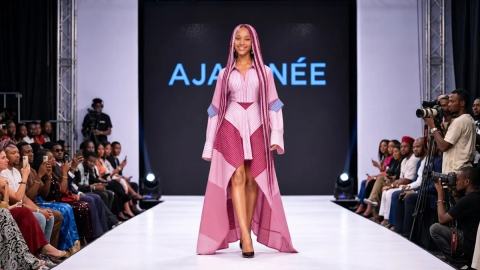
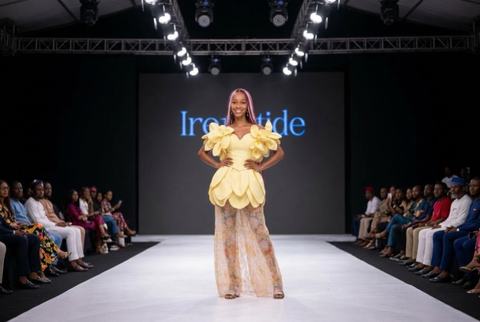
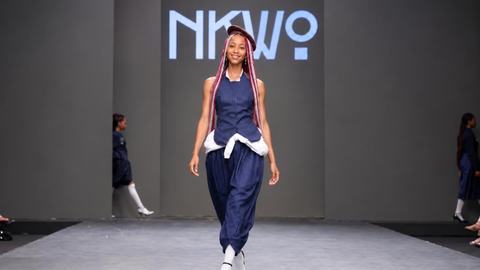
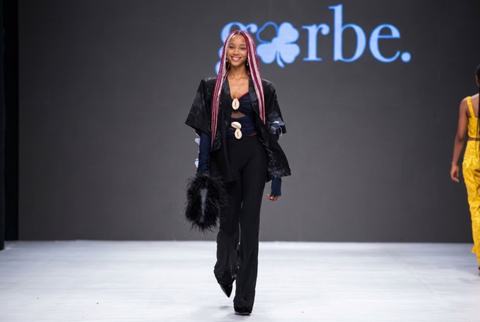
Lagos Fashion Week is an annual fashion event in Lagos, Nigeria, that showcases the work of Nigerian and other African designers to local and international audiences. Through runway shows, designer presentations, exhibitions and industry programmes, the event provides a platform for creative talent to gain visibility, connect with buyers and explore opportunities within the fashion business.
More than a series of runway presentations, Lagos Fashion Week brings together designers, models, stylists, photographers, manufacturers, retailers, fashion journalists, investors and other industry professionals. It creates opportunities for creative collaboration while encouraging conversations about the business, cultural significance and future of fashion in Africa.
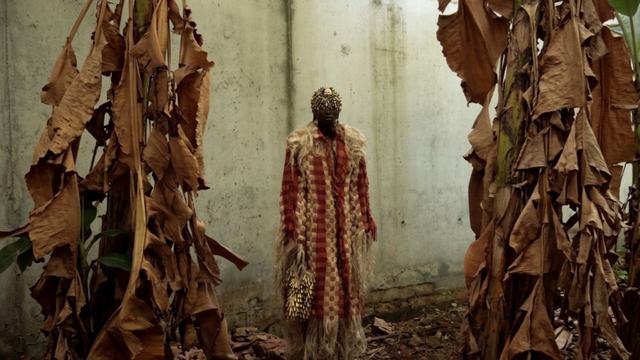
READ: IAMISIGO fashion Reimagines African Heritage Through Wearable Art
Produced by Style House Files, the platform aims to strengthen the African fashion industry by connecting creativity with commerce. Its activities extend beyond the annual runway calendar to include designer development, sustainability initiatives, educational programmes and opportunities for emerging fashion businesses.
By placing African designers at the centre of international fashion conversations, Lagos Fashion Week contributes to the growing recognition of the continent as a source of original design, textile knowledge, craftsmanship and contemporary creative ideas.
When Did Lagos Fashion Week Start?
Lagos Fashion Week was founded in 2011 by Nigerian fashion entrepreneur Omoyemi Akerele, who established the platform to address the need for a consistent and professionally organised space where African designers could present their collections.
At the time, Nigerian fashion was rich in talent and cultural influences, but designers faced challenges in securing sustained visibility, attracting buyers and building commercially viable businesses. A dedicated fashion week offered an opportunity to bring designers, media representatives, consumers and industry stakeholders together around a shared platform.
The initiative also helped shift perceptions of fashion from an activity viewed primarily as entertainment or personal expression to an industry with economic and commercial potential.
Since its establishment, Lagos Fashion Week has developed into an important meeting point for contemporary African fashion. It has provided opportunities for established labels to reach wider audiences and for emerging designers to introduce their work to the industry.
The event has also helped establish Lagos as a significant destination on the African fashion calendar, reflecting the city’s influence as a centre of business, entertainment, culture and creative enterprise.
How Lagos Fashion Week Has Evolved
Over the years, Lagos Fashion Week has expanded beyond the traditional runway format. Its wider programmes reflect the understanding that a successful fashion industry requires more than talented designers and attractive collections.
Fashion businesses need access to markets, skilled workers, reliable production systems, investment, professional development and opportunities to build relationships with retailers and international partners.
Through initiatives such as Fashion Focus, the Fashion Business Series, Green Access and Woven Threads, the broader Lagos Fashion Week ecosystem has supported conversations around emerging talent, business development, responsible production and circular fashion.
These initiatives address different aspects of the industry. Designer development helps creative professionals strengthen their skills and businesses, while industry discussions bring attention to the practical challenges involved in building sustainable fashion enterprises.
The platform’s emphasis on market access is equally important. Presenting a collection can introduce a designer to a new audience, but converting that attention into commercial success requires production capacity, distribution, reliable business practices and access to customers.
By bringing creative and commercial interests together, Lagos Fashion Week continues to encourage a more connected African fashion ecosystem.
Lagos Fashion Week 2026: Understanding the Theme
The 2026 edition of Lagos Fashion Week adopted the theme CRAFTED: Heritage. Innovation. Circular Futures.
The theme placed craftsmanship at the centre of discussions about African fashion, exploring the relationship between traditional knowledge, contemporary design and more responsible approaches to producing clothing.
Rather than treating craftsmanship as something belonging exclusively to the past, the theme presented it as a living source of knowledge that designers can reinterpret, develop and apply to modern fashion.
Its three central ideas, heritage, innovation and circular futures, provide a framework for understanding the direction of the 2026 edition.
Heritage: Preserving Cultural Knowledge Through Fashion
Heritage recognises the cultural traditions, textile techniques, artisanal skills and creative knowledge that contribute to African fashion.
Across Nigeria and the wider continent, fashion draws on a wide range of textile traditions, weaving techniques, dyeing methods, embroidery, beadwork and other forms of craftsmanship. These practices carry knowledge passed between generations and often reflect the histories and identities of the communities in which they developed.
For contemporary designers, heritage can serve as a foundation for creating collections that communicate cultural identity while responding to modern tastes and international markets.
Preserving these traditions also raises important questions about the people behind the work. Artisans and craftspeople contribute specialised knowledge to the fashion value chain, making their skills, working conditions and economic participation important considerations for the industry’s development.
Innovation: Connecting Traditional Craft With Contemporary Design
Innovation explores how designers can build upon established techniques, materials and ideas to create new forms of expression.
Contemporary African fashion is not limited to reproducing traditional clothing. Designers reinterpret familiar textiles, experiment with construction and silhouettes, explore new materials and combine traditional methods with modern production techniques.
This approach allows cultural knowledge to remain relevant while creating room for experimentation and commercial growth.
Innovation can also involve improvements in manufacturing, textile development, product design and business models. For African fashion businesses, these developments may help address production challenges, improve product quality and strengthen their ability to compete in domestic and international markets.
Under the CRAFTED theme, innovation connects the knowledge inherited from earlier generations with the possibilities available to today’s designers and the next generation of creative entrepreneurs.
Circular Futures: Building a More Responsible Fashion Industry
The third element of the theme, circular futures, reflects the growing importance of sustainability in fashion.
Conventional clothing production can generate substantial waste through unused fabrics, discarded garments, excess inventory and resource-intensive manufacturing. Circular approaches seek to reduce these problems by extending the useful life of materials and products.
In practice, this can involve reusing textiles, upcycling discarded materials, designing durable clothing, repairing garments, reducing production waste and developing systems that allow materials to remain in use for longer.
For African fashion, circularity can also connect with existing practices of repair, reuse, resourcefulness and local craftsmanship. However, building a circular industry at scale requires investment, suitable infrastructure, consumer participation and collaboration across the supply chain.
By bringing circularity into its 2026 theme, Lagos Fashion Week placed responsible production alongside cultural preservation and creative innovation as important considerations for the future of fashion.
Why Lagos Fashion Week Matters to Nigerian Designers
For Nigerian designers, Lagos Fashion Week offers a platform to present their work to audiences that may include potential customers, fashion editors, buyers, investors and collaborators.
Visibility can be particularly valuable for independent labels that do not have the marketing budgets or international distribution networks available to larger fashion businesses.
A runway presentation can help introduce a brand’s design philosophy, craftsmanship and identity to a wider audience. It can also generate media attention and create opportunities for professional relationships that continue beyond the event.
Nevertheless, visibility is only one part of building a successful fashion business. Designers must also manage costs, source materials, maintain quality, plan production and establish routes to market.
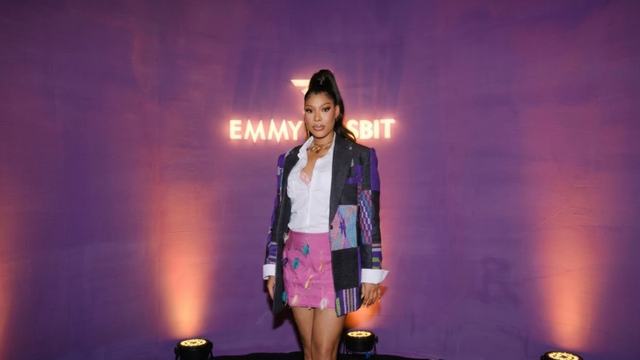
READ: Emmy Kasbit Fashion Reimagines Nigerian Heritage Through Contemporary Design
This is why the wider industry programmes associated with Lagos Fashion Week matter. They encourage participants to consider how creative recognition can translate into long-term business development.
The event also offers audiences an opportunity to discover different approaches to African design, from contemporary ready-to-wear and experimental fashion to collections informed by traditional textiles and artisanal methods.
Lagos Fashion Week and the Growth of African Fashion
Lagos Fashion Week’s influence extends beyond Nigeria because African fashion is not a single aesthetic or design tradition. It encompasses different cultural identities, textile histories, production methods and contemporary creative movements.
By bringing designers and industry professionals together, the platform creates opportunities for cross-border exchange and greater visibility for African fashion businesses.
Its programmes addressing sustainability, talent development and commercial growth also reflect broader questions facing the global fashion industry: how to preserve specialist skills, create viable livelihoods, reduce waste and build production systems that can endure.
For the African fashion sector, these questions are particularly relevant to efforts to strengthen local manufacturing, improve market access and ensure that creative talent can generate lasting economic value.
Fashion contributes not only to cultural expression but also to employment and entrepreneurship across design, tailoring, textile production, modelling, photography, styling, retail and related services.
Strengthening the industry therefore involves supporting the wider network of people and businesses whose work brings fashion collections from an initial idea to a finished product.
The Future of Lagos Fashion Week
As Lagos Fashion Week continues to develop, its significance will depend not only on the collections presented on the runway but also on the opportunities it helps create for the wider fashion industry.
Supporting emerging designers, improving access to markets, developing production capacity and encouraging responsible practices are all important to building a stronger sector.
The 2026 theme, CRAFTED: Heritage. Innovation. Circular Futures., brings these concerns together by recognising that the future of fashion can be informed by traditional knowledge while embracing contemporary ideas and more sustainable systems.
It also reinforces the importance of looking beyond the finished garment to consider the materials, people, techniques and decisions involved in its creation.
Ultimately, Lagos Fashion Week represents an ongoing effort to give African designers a stronger platform, connect creative talent with commercial opportunities and position African fashion as an important contributor to the global creative economy.
Its story, which began in 2011, continues to evolve alongside the designers, artisans, entrepreneurs and communities shaping the continent’s fashion future.
The writer of this article does not claim to know the individuals named personally. The information about their backgrounds, as published on Global News Arena, is based on independent online research.
Are you interested in learning how to write professionally and earning money as a writer and content creator? Contact Auxi Chat today to start your writing journey immediately.
If you have an article, opinion piece, event or news story you would like published, Global News Arena would love to hear from you.