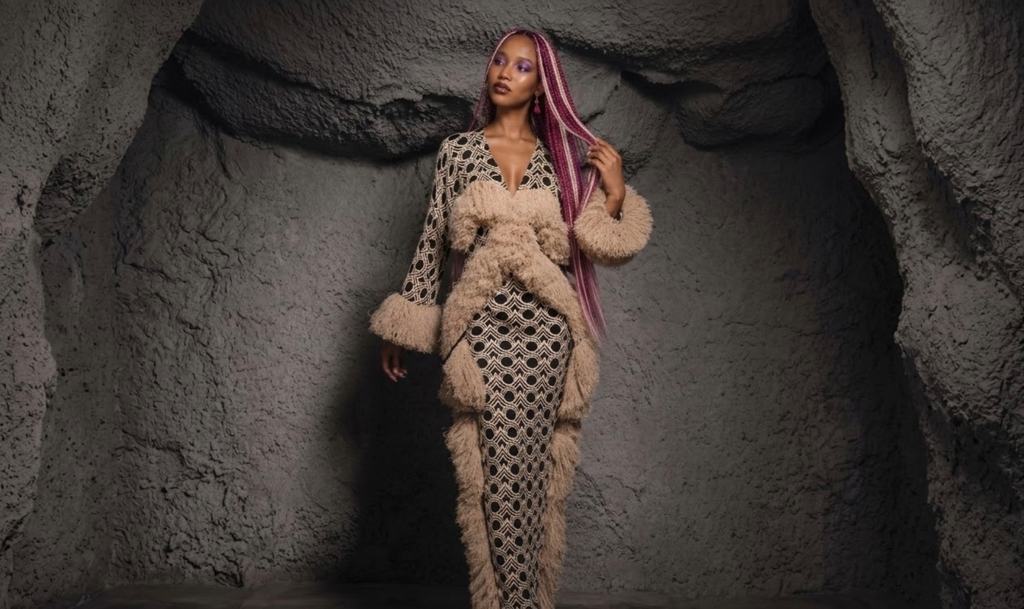
Fashion can change the way a person presents herself to the world, but the relationship between clothing and confidence is more complicated than the industry sometimes suggests. Hertunba fashion brand, a well constructed outfit may influence how someone feels in a room, how she approaches a professional responsibility or how comfortably she expresses her personality. Yet clothing also exists within a much larger system involving culture, craftsmanship, commercial expectations and the social meanings attached to appearance.
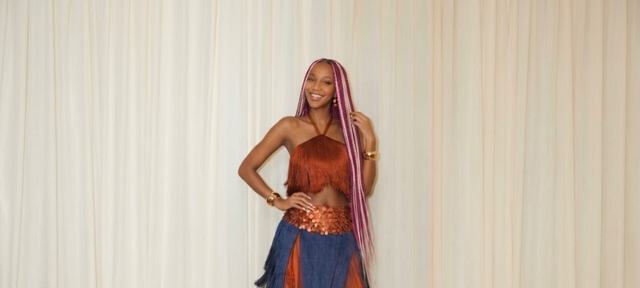
These are the questions I find worth exploring when considering the Hertunba fashion brand, the Nigerian womenswear label founded by Florentina Agu. Its story begins with an early interest in designer clothing and develops into a business built around contemporary femininity, indigenous textiles, handcrafted details and an interest in reducing textile waste.
What makes the story interesting is not simply that a young woman developed an interest in fashion and eventually established a label. It is the way that personal experience, education, creative ambition and business decisions came together to influence the direction of the brand.
The fashion industry often presents its finished products as though they emerged fully formed from a designer’s imagination. A photograph captures the final silhouette, a model presents the garment and an audience sees the result. Less visible are the years of curiosity, the decisions about materials, the practical problems of production and the relationships with people whose skills contribute to the finished piece.
Hertunba offers an opportunity to examine those less visible dimensions. Its approach places the female wearer, traditional textile techniques and the process of making clothing within the same conversation.
I am particularly interested in the relationship between confidence and design. What does it mean to create clothing for women who want to feel expressive, assured and comfortable in their own identities? How can traditional Nigerian materials be interpreted through contemporary silhouettes without reducing their cultural significance to decoration? And what happens when a fashion business attempts to reconcile its creative ambitions with questions about waste and responsible production?
These questions extend beyond a single label. They speak to the challenges facing designers who want to create commercially relevant clothing while remaining attentive to the materials, people and ideas behind their work.
Florentina Agu and the Beginnings of Hertunba
Florentina Agu is a Nigerian fashion designer and entrepreneur who founded Hertunba in 2020. According to the designer’s published biography, her interest in clothing began early. At the age of 13, she was already drawn to designer fashion and had started taking dressmaking classes at school.
That detail provides an important starting point for understanding her relationship with the industry. Interest in clothing can take many forms. For some people, it begins with an appreciation of colour, styling or the way a garment looks on another person. For others, the attraction lies in the process of construction, the possibility of transforming fabric or the satisfaction of creating something that did not previously exist.
Agu’s early experience with dressmaking gave her an opportunity to engage with clothing beyond the level of observation. Learning how garments are made introduces a different perspective on fashion. It encourages a person to consider the relationship between a design idea and the practical steps required to realise it.
A drawing may suggest an elegant silhouette, but turning that idea into a wearable garment involves measurements, fabric selection, pattern construction, cutting, stitching and finishing. Each stage introduces decisions that influence the final result.
The experience of learning these skills at a young age can also change the way a person looks at ready made clothing. Instead of seeing a finished outfit as a single object, the aspiring designer begins to recognise the separate components and processes that make it possible.
Agu’s interest continued into university. Her published founder story describes an experience during her third year, when she served as faculty president and became increasingly aware of the relationship between clothing and personal confidence.
She recalls wearing suits to meetings and university congresses and observing how those outfits influenced the way she felt while carrying out her responsibilities. That experience helped shape her ambition to create clothing that could encourage women to feel confident in different areas of their lives.
I find this detail revealing because it connects her early interest in designer clothing with a more specific idea about the role fashion might play in a woman’s everyday experience.
University leadership positions can place people in environments where presentation becomes part of the experience. Meetings, public speaking, formal discussions and interactions with colleagues may require a person to think about how she wants to present herself. Clothing does not determine whether someone is capable, but it can become part of the way that person chooses to express her readiness for a responsibility.
For Agu, the experience appears to have helped clarify the kind of relationship she wanted her future designs to establish with their wearers.
It would be too simple to conclude that confidence comes from clothing alone. A person’s confidence is influenced by many things, including knowledge, preparation, experience, personal relationships and the circumstances in which she lives. Fashion cannot replace those foundations.
Nevertheless, clothing can provide a means of self expression. A carefully chosen outfit may help someone communicate a sense of professionalism, creativity, authority or personal style. For a designer, understanding that emotional dimension can influence the way a collection is conceived.
Agu’s early interest in dressmaking, combined with her university experience, became part of the foundation for Hertunba. In 2020, she established the label with an ambition centred on women’s confidence, style and contemporary femininity.
Her journey illustrates how a personal experience can develop into a broader creative idea. The challenge then becomes translating that idea into a business whose products consistently reflect it.
What the Name Hertunba Says About the Brand
The name Hertunba brings together the word “Her” and the Yoruba title “Otunba”, according to the brand’s official explanation. The combination reflects the label’s emphasis on women and its interest in presenting femininity through confidence, sophistication and individuality.
Names matter in fashion because they help establish the first layer of a brand’s identity. Before a customer sees the clothing, the name offers an initial impression of the ideas the business wants to communicate.
In Hertunba’s case, the name places women at the centre of the story. The label describes its intended wearer as confident, charismatic and comfortable expressing her identity through clothing.
That approach raises an interesting question about how fashion businesses define the women for whom they design.
Some brands build their identities around practicality and everyday comfort. Others concentrate on occasionwear, experimental design, professional dressing or garments intended to make a strong visual statement. These categories can overlap, but each involves different expectations about how clothing should function in a person’s life.
Hertunba’s stated identity connects elegance and femininity with an understanding of clothing as a means of personal expression. The intention is not merely to cover the body, but to create garments that help women communicate something about themselves.
I believe this is a useful way to examine the brand, provided that we do not confuse its design philosophy with a universal definition of womanhood.
Women have different bodies, preferences, professions, cultural backgrounds and ideas about what makes them feel comfortable. Some enjoy dramatic silhouettes and elaborate detailing. Others prefer understated clothing, loose fits or minimal embellishment. Some use fashion to make a statement, while others would rather avoid attracting attention.
No single design language can represent all these experiences.
A fashion label can, however, establish a clear point of view and create clothing for customers who recognise themselves in that vision. Hertunba’s emphasis on sophistication, femininity and confidence provides a framework for understanding its choices without suggesting that every woman should dress in the same way.
The distinction is important. A brand’s identity becomes meaningful when it communicates a particular creative perspective, not when it claims to offer a universal answer to how women ought to look.
For me, the more interesting question is whether the clothing gives women room to express themselves within the identity the designer has established.
From Traditional Nigerian Textiles to Modern Design
One of the defining aspects of Hertunba’s creative direction is its use of indigenous Nigerian textiles, including aso oke, alongside contemporary garment construction.
Aso oke is a handwoven textile associated particularly with Yoruba communities. Traditionally produced on narrow strip looms, it is made by weaving strips that can be joined to create larger pieces of fabric. It has long featured in ceremonial and special occasion dressing, although contemporary designers have continued to explore new ways of incorporating it into modern clothing.
Its significance extends beyond its visual appearance. Aso oke reflects specialised weaving knowledge, material choices, pattern traditions and the work of artisans who understand the processes involved in its production.
When a designer introduces such a textile into a contemporary collection, several decisions become important. The weight and structure of the material can affect the shape of the garment. Its patterns and texture may determine how it is cut or combined with other fabrics. The intended use of the finished piece can also influence the design.
A textile traditionally associated with formal or ceremonial dressing does not necessarily need to remain confined to those settings. Through different approaches to construction, it can become part of a modern silhouette that reflects contemporary tastes.
However, adapting a traditional textile does not mean that every use of it is automatically successful. The designer must understand the material and make decisions that respect its qualities while serving the purpose of the garment.
This is where Hertunba’s approach becomes relevant. The brand describes its work as an exploration of Nigerian heritage through contemporary silhouettes, bringing traditional materials into a design language associated with modern womenswear.
I find this relationship between heritage and innovation particularly interesting because it challenges the idea that cultural traditions must remain visually unchanged to retain their significance.
Cultures are not static. Clothing practices evolve as people encounter new materials, technologies, social expectations and ways of living. A traditional textile may retain its recognisable character while appearing in a garment that reflects a different generation’s tastes.
The important issue is not simply whether an old material appears in a new design. It is whether the designer understands the material, communicates its origins accurately and creates a finished garment that works as intended.
For Nigerian fashion, this creates considerable creative possibilities. Indigenous textiles can be explored through tailoring, sculptural shapes, contemporary occasionwear and other forms without being limited to a single conventional use.
At the same time, the cultural origins of these materials deserve recognition. Aso oke is not merely a decorative texture. Its production involves knowledge and labour, and its history belongs to the communities that have developed and sustained the weaving tradition.
When designers work with such materials, they have an opportunity to make that knowledge visible to new audiences.
The Artisans Behind the Garments
A fashion collection may carry the name of a designer, but its creation often involves many people whose skills contribute to the final result.
In Hertunba’s case, the brand describes working with women artisans, including weavers, threaders and tailors, whose work forms part of its production process. Its published account also outlines training intended to help local women develop practical skills in sewing, weaving and threading.
This is an important dimension of the brand’s stated approach because it connects the clothing with the people responsible for making it.
Fashion is frequently discussed in terms of creative direction, runway presentation and consumer demand. Yet the technical work involved in turning a concept into a finished garment can be substantial. The designer’s idea must be translated into a form that can be cut, assembled, fitted and completed.
Where traditional textiles are involved, the process may require additional knowledge about the material’s structure and behaviour. The person handling the fabric must understand its characteristics and how it responds to the construction method being used.
These skills are not incidental. They are part of the expertise that allows a design to move from concept to finished product.
I think the fashion industry would benefit from paying more attention to this relationship between creative vision and technical knowledge. A designer may establish the direction of a collection, but the quality of the final garment depends on how effectively that vision is translated into material form.
The people who perform that work should be recognised as skilled contributors rather than treated as invisible extensions of a brand.
Hertunba’s stated interest in training women also raises a broader question about access to employment and specialised skills. Practical training can create opportunities for people to develop capabilities that may be useful in fashion or related industries. The value of such programmes, however, depends on their actual implementation, the quality of the training and the opportunities available to participants afterwards.
The brand states that its artisans are compensated per piece. That arrangement makes it particularly important to understand how compensation is calculated, how much time different tasks require and whether the resulting earnings are adequate for the work involved.
Payment per completed item can function differently depending on the complexity of the garment, the agreed rate and the amount of work required. Without detailed independent information about those arrangements, it would be inappropriate to make broad conclusions about the economic outcomes for every artisan involved.
Nevertheless, the underlying question deserves attention. If a fashion business depends on specialised handwork, the sustainability of that business is connected to the conditions under which the work is performed.
A garment’s value is not determined solely by the person who designed it. It also reflects the knowledge, time and labour required to bring it into existence.
Textile Waste and the Meaning of Responsible Fashion
Fashion creates material waste at several stages of its production cycle. Fabric may be left over after cutting, garments may remain unsold, and clothing that is no longer wanted may eventually be discarded.
These issues have encouraged designers and businesses to examine how they use materials and what happens to fabric that remains after production.
Hertunba identifies textile waste reduction as part of its approach. According to its published information, the brand repurposes surplus material from production, turning some of its excess fabric into items such as rugs, throw pillows and other decorative objects. Its stated aim is to give these materials a further use rather than sending them directly to landfill.
The brand says that around 90 percent of its production excesses are given a new purpose. This is a figure reported by the company itself, rather than an independently verified measurement.
The underlying idea is worth examining because fabric waste can represent both an environmental concern and a commercial inefficiency. Material that has already been purchased and processed may still have useful qualities even when it is no longer large enough for the garment originally intended.
Depending on its size, condition and composition, leftover fabric may be suitable for smaller products, decorative details or new textile combinations.
The challenge is finding ways to use that material without creating a new problem elsewhere in the production process.
Repurposing can reduce the amount of usable material discarded, but it requires labour, planning and a realistic understanding of what can be made from the available offcuts. The resulting products must also have a purpose and, where they are sold, customers who want them.
This is one reason responsible fashion requires more than a single creative intervention. A designer must consider how much fabric is purchased, how patterns are laid out, how garments are produced and how leftover material is managed.
I find this particularly relevant to fashion businesses working with handwoven or otherwise specialised textiles. These materials may involve production processes that differ from those used for standard industrial fabrics. Reducing waste can therefore require careful coordination between design and manufacturing.
There is also a question about the language used to describe sustainability. A brand can adopt useful waste reduction practices without necessarily having eliminated every environmental impact associated with its products.
Transportation, dyeing, energy use, packaging, garment durability and disposal all contribute to the broader picture. A complete assessment requires information about these different stages rather than relying on a single sustainability claim.
Hertunba’s stated efforts to reuse production excesses provide one example of how a designer can incorporate material recovery into a business model. The wider environmental impact would require a more comprehensive assessment.
Why Fashion Sustainability Must Include Business Reality
There is a tendency to discuss sustainability as though it were a simple choice between doing the right thing and doing the wrong thing. In practice, the decisions facing fashion businesses can be more complicated.
A designer may want to use a particular textile because of its cultural significance, but its availability, price or production time may influence how much can be made. Another material may be easier to source but offer a different appearance or level of durability.
A business must also consider customer expectations. A garment that takes considerable time to produce may need to be priced accordingly, but the intended customer must be willing and able to pay that price.
These considerations do not make responsible production impossible. They demonstrate why it requires planning, reliable information and a realistic understanding of the business.
For a brand such as Hertunba, the challenge is to align its design direction with the practical requirements of producing and selling clothing.
The use of traditional textiles can create a distinctive product, but it also requires an understanding of the artisans and processes involved. Repurposing excess material can reduce waste, but it requires decisions about how that material will be used. Training workers can develop skills, but its long term value depends on whether participants have access to meaningful opportunities.
Each part of the model must work in practice.
I believe this is a more useful way to discuss sustainability than treating the word as a guarantee of quality or ethical performance. A brand’s intentions matter, but so do the systems through which those intentions are carried out.
Customers should be able to distinguish between a business’s stated commitments and outcomes that have been independently established.
That distinction does not diminish the importance of experimentation. It makes the conversation more precise.
Fashion businesses can test different approaches, improve their processes and communicate what they are learning. They can also acknowledge where further work is needed rather than presenting sustainability as a finished achievement.
For an industry that depends on materials and manufacturing, this willingness to examine practical details is essential.
The Business of Dressing Women With Confidence
Hertunba’s emphasis on feminine expression offers another way to consider the relationship between fashion and entrepreneurship.
A clothing brand does not simply produce garments. It develops an understanding of the customers it wants to reach, the occasions for which its products are intended and the qualities that might distinguish its work from competing products.
In the case of Hertunba, the brand describes its intended customer as an ambitious woman who values elegance, confidence and personal style. Its published materials also indicate that it offers custom sizing alongside its regular size range.
The availability of custom sizing raises an important question about the relationship between design and the people who wear the clothing.
Standard sizing allows businesses to produce garments for broad groups of customers, but bodies do not always fit neatly into a fixed set of measurements. Customers may have different proportions or preferences that affect how a garment fits and feels.
Custom sizing can offer an alternative for some customers, although its availability does not automatically guarantee a perfect fit. Measurements, pattern construction, fabric behaviour and communication between the customer and maker all influence the final result.
Still, considering fit as part of the customer experience is important. A garment may be visually striking, but if it does not function comfortably for the person wearing it, the design has not fully achieved its purpose.
The same principle applies to the brand’s emphasis on confidence. Clothing can contribute to how a person feels, but that contribution is personal. A design that makes one customer feel expressive may feel uncomfortable or impractical to another.
A successful brand does not need to appeal to everyone. It needs to understand the customers it serves and offer products that align with their preferences, expectations and practical needs.
This involves more than creating attractive photographs. It requires decisions about construction, sizing, product descriptions, pricing and the reliability of the purchasing experience.
The emotional appeal of fashion may attract attention, but the practical experience often determines whether customers return.
For Hertunba, the relationship between femininity, craftsmanship and contemporary design provides the foundation of its public identity. The continued strength of that identity will depend on how consistently the business translates its ideas into garments that customers find worth wearing.
Nigerian Fashion and the Question of Creative Independence
The growth of Nigerian fashion has brought renewed attention to the country’s designers, textile traditions and creative businesses. Yet it is important to understand that Nigerian fashion is not a single movement with one aesthetic or one commercial objective.
Designers work across different categories, from casual clothing and streetwear to tailoring, bridalwear, occasionwear and experimental fashion. Their influences vary according to their backgrounds, personal interests, access to materials and the customers they want to reach.
Some designers focus on heritage textiles. Others work with contemporary materials or develop silhouettes that draw on international fashion trends. Many combine several influences.
Hertunba’s approach brings together indigenous textiles, handcrafted production and a design identity centred on women. That combination offers one perspective on the possibilities available to Nigerian fashion businesses.
It also highlights a broader commercial question: how can designers develop distinctive products while building businesses capable of sustaining the work?
A fashion business requires more than creative ideas. It must understand production costs, supply arrangements, customer demand and the practicalities of delivering products consistently.
These concerns become particularly important when a label uses specialised handwork or materials that require additional time to produce.
The designer must balance creative decisions with the realities of manufacturing. A complex design may be visually compelling, but its production requirements must be understood before the business can determine how to price and deliver it.
The same is true of a commitment to reduce waste. The business must establish workable processes for handling leftover materials and identify ways to use them that make sense within its production system.
This is where creative independence and commercial discipline meet. A designer needs the freedom to develop a distinctive identity, but that identity must be supported by decisions that allow the business to function.
I believe Nigerian fashion deserves to be examined through both dimensions. Celebrating creativity is important, but understanding the commercial realities behind the work allows for a more complete account of what designers are building.
The objective should not be to suggest that every Nigerian brand must follow the same formula. It should be to recognise the range of approaches available and examine how individual businesses develop their own answers to the challenges of design, production and customer relationships.
Florentina Agu and the Responsibility of Building a Lasting Brand
Establishing a fashion label is one achievement. Developing it into a business that can continue to operate, adapt and maintain its identity is another.
For Florentina Agu, Hertunba brings together interests that began during her youth with a professional ambition focused on contemporary womenswear. Her early dressmaking classes introduced her to garment construction, while her university experience helped shape her interest in clothing as a means of expressing confidence.
The business that emerged from those experiences combines a defined design philosophy with an interest in Nigerian textiles, artisan skills and waste reduction.
That combination gives the brand several areas in which it must make practical decisions.
It must maintain a clear understanding of the women it wants to dress, the types of garments it can produce effectively and the qualities that distinguish its work. It must also manage relationships with artisans, consider the use of materials and communicate its commitments accurately.
These responsibilities do not disappear when a collection receives attention. In some respects, they become more important as a business grows and more people begin to associate its name with a particular standard.
A recognisable brand identity creates expectations. Customers expect the products to reflect the stated design philosophy, while production partners need clear information about what is required of them.
Maintaining those expectations involves consistency, but it also requires the ability to evolve.
Fashion changes constantly. Customers develop new preferences, materials become available or harder to source, and businesses encounter circumstances that require them to reconsider existing processes.
A designer must decide which aspects of the brand’s identity should remain central and which can develop over time.
For Hertunba, the relationship between contemporary femininity and Nigerian craftsmanship offers a starting point for that process. The question is how the brand can continue exploring those themes while remaining attentive to the quality of its products and the realities of production.
The answer will emerge through the work itself, the decisions behind it and the way the business responds to changing circumstances.
What Hertunba fashion brand Story Reveals About Fashion, Identity and Opportunity
When I consider Hertunba’s development, I return to the connection between personal experience and creative direction.
Florentina Agu’s interest in designer clothing began when she was young. Her early dressmaking classes introduced her to the process of making garments, and her experience as a university student helped clarify her interest in the relationship between clothing and confidence.
Those experiences became part of the foundation for a business that now works within a much larger conversation about fashion, cultural identity and responsible production.
There is a lesson here about how creative ideas develop. A designer does not necessarily begin with a complete philosophy or a detailed understanding of every challenge the business will face. The direction may emerge through observation, practical experience and the gradual recognition of what matters most to the person doing the work.
But personal inspiration is only the beginning.
The designer must turn that inspiration into products, develop relationships with people who can help create them and establish a business model that can support the work. Where the brand makes commitments about craftsmanship or waste reduction, those commitments must also be translated into practical decisions.
That is the difference between a creative concept and an operating business.
Hertunba’s emphasis on women’s confidence also invites us to think about the role fashion plays in everyday life. Clothing cannot guarantee success, professional competence or personal fulfilment. Yet it can be a meaningful form of self expression, allowing people to communicate aspects of their identity through choices about fit, colour, material and silhouette.
The important thing is to recognise that women have different relationships with clothing. A useful design philosophy creates room for those differences rather than suggesting that confidence must look the same on everyone.
The brand’s interest in Nigerian textiles adds another layer to the story. Traditional materials can offer creative possibilities when designers understand their characteristics and histories. Their use in contemporary clothing can also direct attention towards the people whose skills make them possible.
At the same time, claims about sustainability and social impact deserve careful examination. Reusing material, training artisans and supporting education are meaningful areas of work, but their outcomes depend on how the programmes operate in practice.
Taking those distinctions seriously does not diminish the value of the ideas. It provides a clearer understanding of what a business is attempting to do and what evidence would be needed to evaluate its progress.
Ultimately, Hertunba’s story is about the meeting point between an individual’s creative ambition and the practical responsibilities of building a fashion label.
The clothes are one part of that story. The designer’s experiences, the materials selected, the skills involved in production and the decisions about how the business should operate are also part of it.
For me, the lasting question is not whether fashion can make a woman confident, whether traditional textiles can be used in modern garments or whether leftover fabric can find another purpose. All three are possibilities, but none is achieved through intention alone.
The more important question is how those ideas are put into practice.
That is where the meaning of a fashion brand becomes clearer. Not simply in the name it chooses or the story it tells, but in the relationship between what it claims to value and the work it continues to produce.
Hertunba provides a perspective on that relationship through Florentina Agu’s interest in feminine expression, Nigerian craftsmanship and the possibilities of more considered material use. Its development offers a reminder that creative businesses are built through a combination of imagination, technical knowledge and practical decision making.
Fashion may begin with the desire to make something beautiful. Sustaining that ambition requires a deeper understanding of the people who make the work possible, the customers who choose to wear it and the responsibilities that come with turning an idea into a business.
The writer of this article does not claim to know the individuals named personally. The information about their backgrounds, as published on Global News Arena, is based on independent online research.
Are you interested in learning how to write professionally and earning money as a writer and content creator? Contact Auxi Chat today to start your writing journey immediately.
Need a professional website in 72 hours? Contact Auxi Chat
If you have an article, opinion piece, event or news story you would like published, Global News Arena would love to hear from you.