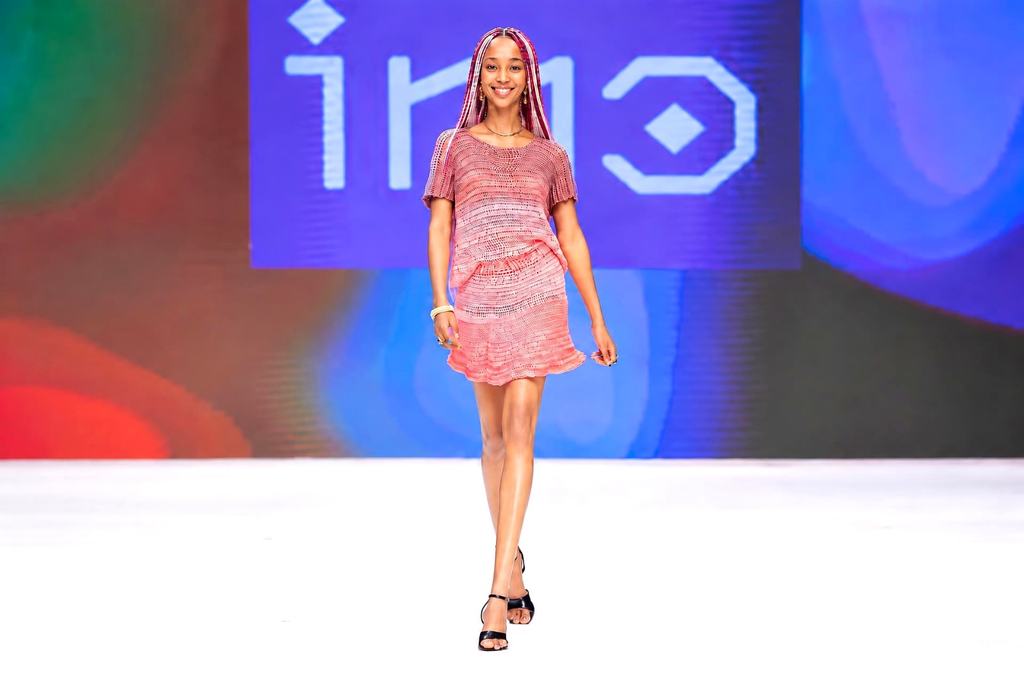
Studio Imo Lagos Fashion Week: Crochet Reimagined
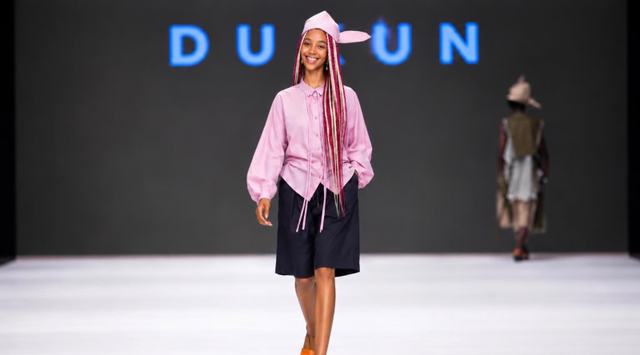
READ: Dukun Lagos Fashion Week: Itsekiri Heritage Reimagined
Studio Imo Lagos Fashion Week demonstrated how a traditional hand technique can become the foundation of contemporary fashion. At the 2026 event, the Nigerian design label presented Clan, a collection developed in collaboration with crochet-focused brands 21 Wool Street and Crochet Nigeria.
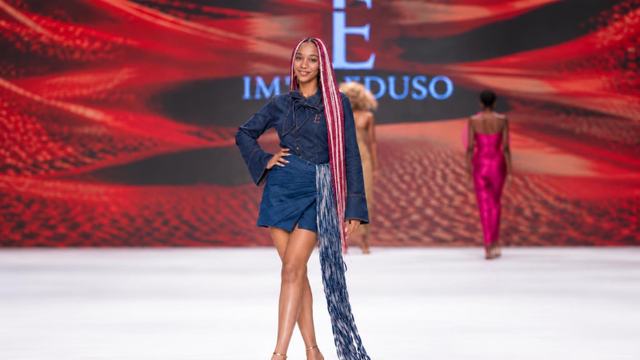
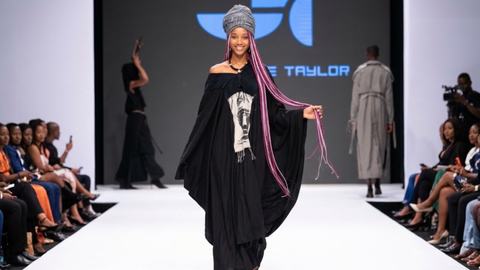
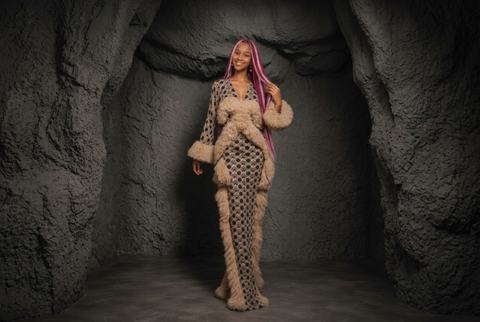
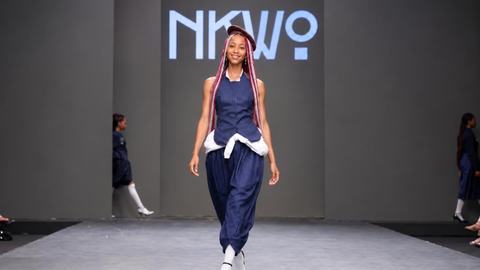
The collection featured textured knitwear in hot pink, butter yellow and shades of purple. Some garments used asymmetrical silhouettes and fringe detailing to create movement, while crochet yarn was incorporated as tassels on dresses.
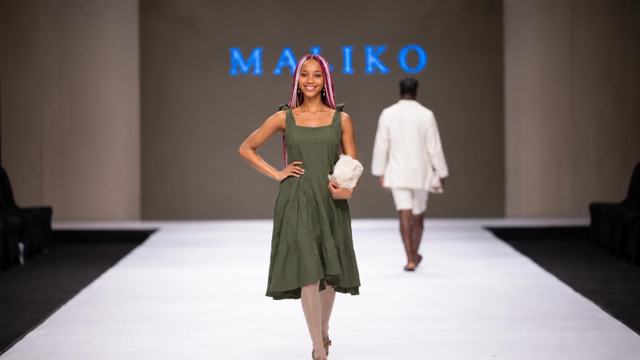
READ: Maliko at Lagos Fashion Week 2026: Artisanal Footwear
These details offered a clear demonstration of how crochet can extend beyond conventional knitwear and accessories. Through changes in scale, texture and construction, the technique can contribute to the shape of a garment rather than simply appear as a decorative finish.
For me, the significance of Clan lies in the collaboration behind it. Fashion is often presented through the identity of an individual designer or label, but a collection can also reflect the combined knowledge of different makers. When those contributions are brought together with a clear creative direction, collaboration can expand what each participant is able to produce.
The presentation also formed part of a wider conversation at Lagos Fashion Week 2026 about craftsmanship, material innovation and the future of African fashion. Studio Imo’s work showed how a specialised technique can remain relevant through experimentation with colour, proportion and the structure of contemporary clothing.
Who Founded Studio Imo?
Studio Imo is a Nigerian design label founded in 2013 by Edwin Okolo and Imobong Emah. The brand began as a remote collaborative project while the two designers were studying in Ghana and Nigeria.
Their shared interests in fashion and design helped shape the label’s early direction. The designers drew inspiration from a range of established fashion houses and distinctive design aesthetics while working towards a contemporary Nigerian sensibility.
Under Edwin Okolo’s creative direction, crochet became the label’s signature technique. The official profile explains that Okolo developed an early connection to crochet through learning from his grandaunts. That experience later informed the brand’s exploration of texture, construction and the possibilities of using crochet as a primary fabrication method.
This background provides important context for understanding the label’s work. Crochet is not simply a seasonal detail added to a collection. It has become a central part of how Studio Imo investigates fabric, form and the relationship between material and body.
The label’s history also demonstrates how a small collaborative project can develop into a recognisable design practice. Its identity has been shaped by repeated experimentation, partnerships and a willingness to explore the technical possibilities of a specific craft.
Studio Imo Lagos Fashion Week and the Clan Collection
The Clan collection placed collaboration at the centre of the label’s 2026 runway presentation. Studio Imo worked with 21 Wool Street and Crochet Nigeria, bringing different crochet contributions into a shared design direction.
The reported collection featured bright colours and expressive textures. Hot pink and butter yellow provided strong visual contrasts, while purple shades added another dimension to the palette. Asymmetrical silhouettes and fringe details introduced movement, and crochet yarn was used as tassels on dresses.
The title Clan can be read in relation to the collaborative nature of the project, although the precise meaning intended by the designers is best established through their own statements. What is documented is that the collection brought together multiple creative participants around a shared technique.
That process matters because collaboration can introduce different approaches to the same material. Makers may have different strengths in stitch patterns, texture, finishing or the creation of particular forms. Bringing those skills together can expand the possibilities available to the lead design team.
However, collaboration requires more than combining separate contributions. The designers need to consider how the pieces relate to one another, how consistent the quality is and whether the final collection maintains a recognisable identity.
The reported use of a shared crochet language helped connect the collection’s different silhouettes. Although individual looks varied in colour and form, the technique provided a common thread.
Crochet as a Foundation for Fashion Design
Crochet is a method of creating fabric by interlocking loops of yarn with a hook. The technique can produce a wide range of textures, from open and delicate patterns to dense, structured surfaces.
Its possibilities depend on the yarn, stitch pattern, tension and construction method. A loosely worked crochet fabric may create a soft, open texture, while tighter stitches can produce a denser material. The technique can also be used to create separate panels that are assembled into a larger garment.
Studio Imo’s design approach moves beyond the idea that crochet belongs only in accessories or small decorative details. The label explores how the technique can influence the garment’s structure, silhouette and drape.
This creates opportunities for unusual forms. Crochet can be shaped into panels, extended into tassels or used to produce textures that change the way light interacts with a surface. The resulting garment may feel very different from one made with conventional woven fabric.
The technique also introduces practical challenges. Handmade production can be time-consuming, and stitch consistency matters when a design needs to be repeated across several pieces. The weight and flexibility of the finished fabric must also be considered when designing clothing intended to fit and move around the body.
For a designer, these constraints can become part of the creative process. Understanding how the material behaves allows the design to work with its strengths rather than forcing it to imitate a different kind of fabric.
I believe this is one of the most compelling aspects of Studio Imo’s work. The craft is not treated as a nostalgic reference. It is used as a contemporary design tool that can shape the entire garment.
Colour, Texture and Asymmetrical Silhouettes
The Clan collection combined bright colours with textured knitwear, giving the garments a strong visual presence. Hot pink, butter yellow and shades of purple offered a palette that could make individual pieces stand out while maintaining a connection across the collection.
Colour can have a particularly strong effect when used with crochet because the texture creates additional changes in light and shadow. A shade may appear different depending on how tightly the yarn is worked, how the stitches overlap and whether the surface is open or dense.
Asymmetrical silhouettes introduced another source of visual interest. An asymmetrical garment uses an uneven arrangement of shapes, lengths or details, challenging the expectation that both sides of a design should mirror one another.
The technique can create movement and alter the way the garment sits on the body. It can also draw attention towards a particular part of the silhouette, especially when combined with contrasting colours or textured sections.
Fringe added further movement to the reported collection. Like crochet itself, fringe can be integrated into the construction or used as a finishing detail. Its length, density and placement influence how it responds when the wearer walks.
These elements can be visually expressive, but they require balance. A garment with a complex texture and an asymmetrical shape needs a clear relationship between its components. Otherwise, the different features may compete for attention.
Studio Imo’s use of crochet as the connecting technique offered a way to bring those variations together. The material helped give the collection a recognisable foundation even as individual garments explored different forms.
The Role of 21 Wool Street and Crochet Nigeria
The collaboration with 21 Wool Street and Crochet Nigeria was a defining feature of the Clan presentation. Both partners contributed crochet work to the collection, according to coverage of the event.
Such partnerships can be particularly valuable in craft-led fashion. A designer may have a clear concept for a garment but require additional specialist skills to execute it. Working with other crochet practitioners can introduce new stitch techniques, construction approaches and decorative possibilities.
Collaboration can also create opportunities for knowledge exchange. Different makers may approach a material in different ways, and those differences can influence the development of the final product.
However, a successful partnership needs a clear understanding of responsibilities and quality standards. The collaborators must agree on the requirements of the collection, the expected finish and the timelines needed to complete the work.
Production planning becomes especially important when a garment involves extensive handwork. The time required for a crochet panel or decorative detail may differ significantly from that required for a machine-sewn component. The brand must account for those differences when planning costs and delivery.
There is also an important question about recognition. When a collection depends on several creative contributors, acknowledging their roles gives audiences a more complete understanding of how the work was made.
Studio Imo’s collaborative approach demonstrates that fashion design can be a collective process. The lead label provides a direction, but the final result can be strengthened by the specialised knowledge of the people who contribute to it.
Crochet, Craftsmanship and the Sustainability Conversation
Studio Imo has also explored crochet in relation to sustainability and the upcycling of plastic waste. The official Lagos Fashion Week profile identifies this interest as one of the motivations behind the label’s adoption of crochet as its preferred fabrication technique.
Upcycling involves repurposing existing materials into new products, potentially extending their useful life or reducing the need for new resources. In fashion, this can include transforming discarded textiles, surplus materials or other suitable waste into garments and accessories.
However, the use of crochet or recycled material alone does not establish that an entire collection is sustainable. The environmental impact depends on the source of the yarn, the energy and resources used in production, the durability of the finished garment and what happens to it after use.
If plastic waste is transformed into yarn, for example, the process still requires consideration of how the material is collected, cleaned, processed and eventually managed. A garment made from recycled content may still have limitations in terms of repair, recycling or disposal.
Handmade production can also involve significant labour. That labour should be recognised in production planning and pricing, particularly when a collection requires complex stitches or time-intensive finishing.
The most useful sustainability conversation therefore involves specific evidence. What material is used? How is it sourced? Who makes the garment? How long is it expected to last? Can it be repaired or reused?
Studio Imo’s exploration of crochet and upcycling makes these questions relevant to its design identity. The label’s interest in material experimentation offers a starting point for considering how craft can contribute to more thoughtful production, while the full impact of any particular product depends on its complete lifecycle.
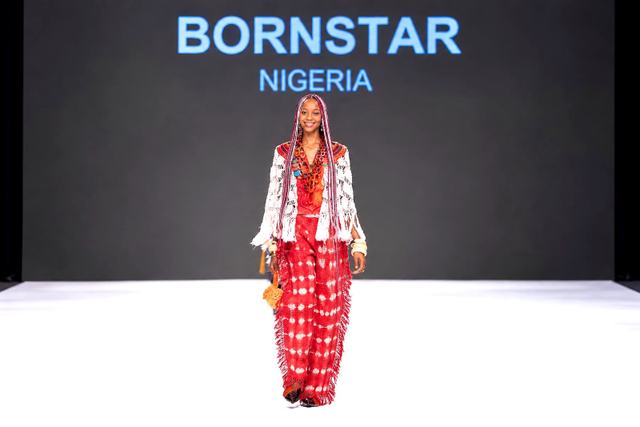
READ: Bornstar Nigeria Lagos Fashion Week: Movement in Design
Studio Imo and Nigeria’s Contemporary Fashion Industry
Studio Imo’s work sits within a Nigerian fashion industry that includes established labels, emerging designers, independent makers and specialist craft businesses. These participants contribute different skills to the development of clothing, from textile production and embroidery to pattern cutting and finishing.
The label’s collaborative history includes work with Nigerian brands such as Orange Culture and IAMISIGO, as noted in its official Lagos Fashion Week profile. These collaborations demonstrate how designers can work across different creative practices to develop collections and explore shared interests.
For the wider industry, such relationships can help create networks of expertise. A designer may bring knowledge of silhouette and styling, while a specialist maker contributes a particular fabrication skill. Together, they can produce work that neither participant would necessarily develop in the same way independently.
The challenge is to build these relationships in a way that is practical and sustainable. Designers need access to skilled workers and reliable production systems, while makers need clear expectations, appropriate compensation and realistic timelines.
Lagos Fashion Week provides a platform for showcasing the results of such work, but the long-term value depends on what happens after the runway. Buyers, customers and industry partners need routes to access the products, and brands need a way to maintain quality as demand changes.
What Customers Can Learn From Studio Imo’s Approach
For customers, a crochet garment offers a different relationship with clothing from a conventional woven piece. The texture, weight and structure can affect how it fits, how it should be styled and how it needs to be maintained.
Care instructions are particularly important. Depending on the yarn and construction, a handmade garment may need gentle washing, careful drying or storage that prevents stretching. Heavy pieces may need support to help them retain their intended shape.
Customers should also consider how the garment will be worn. A richly textured crochet dress may be a statement piece, while a simpler knitwear design may be easier to combine with other wardrobe items. Neither approach is inherently better; the choice depends on the wearer’s needs and preferences.
Price is another consideration. Handmade production can require more time than machine-based processes, and the complexity of the stitch pattern may affect the final cost. Understanding that work can help customers evaluate a product beyond its immediate appearance.
For designers, clear information about the material, construction and care requirements helps customers make informed decisions. It also creates an opportunity to explain the contribution of the makers involved in the garment’s production.
The Continuing Evolution of Studio Imo
Studio Imo’s Clan collection extended the label’s exploration of crochet through collaboration, vivid colour and expressive silhouettes. The partnership with 21 Wool Street and Crochet Nigeria demonstrated how different craft contributions can be brought together within a shared creative direction.
The collection also reinforced the label’s distinctive focus on crochet as a foundation for fashion design rather than a secondary embellishment. Through texture, fringe and asymmetrical shapes, the technique influenced the garments’ structure and movement.
I believe the strongest takeaway is that craftsmanship can be a source of ongoing innovation. A technique does not have to remain confined to its most familiar applications. With technical understanding and thoughtful design, it can be explored through new proportions, materials and production methods.
The future development of Studio Imo will depend on how its ideas evolve, how collaborations continue and how the brand balances creative experimentation with production realities. Its 2026 presentation nevertheless provided a clear example of how craft and collaboration can shape contemporary Nigerian fashion.
Ultimately, Studio Imo Lagos Fashion Week highlighted the possibilities that emerge when designers treat material knowledge as part of the creative process. Clan showed that crochet can support expressive colour, varied silhouettes and a collective approach to making, while keeping craftsmanship at the centre of the collection’s identity.
The writer of this article does not claim to know the individuals named personally. The information about their backgrounds, as published on Global News Arena, is based on independent online research.
Are you interested in learning how to write professionally and earning money as a writer and content creator? Contact Auxi Chat today to start your writing journey immediately.
If you have an article, opinion piece, event or news story you would like published, Global News Arena would love to hear from you.