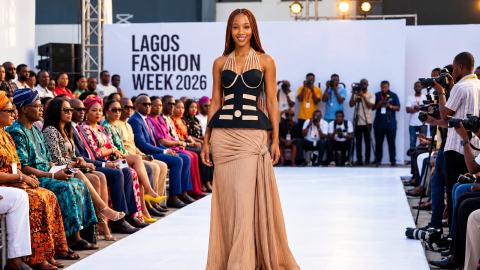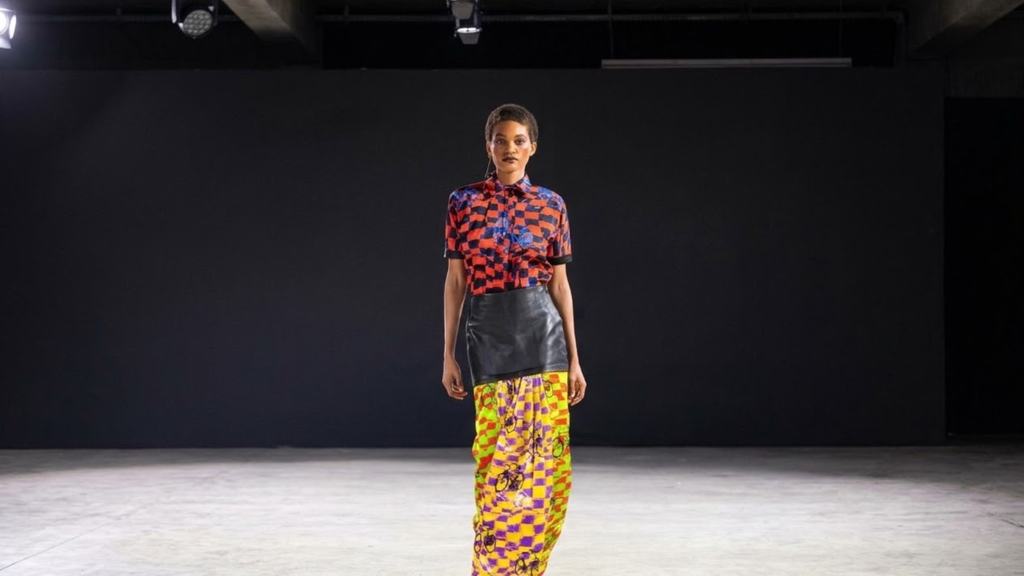
Lisa Folawiyo Fashion Brings a Distinctive Finish to Lagos Fashion Week
Lisa Folawiyo fashion represents a compelling blend of Nigerian textile heritage, meticulous craftsmanship and contemporary womenswear. As the designer takes the final 8 PM slot on Sunday, 1 November, at Lagos Fashion Week 2026, attention returns to a label that has spent two decades developing a distinctive approach to Ankara, one of West Africa’s most recognisable printed fabrics.
Founded in 2005, the brand first became known as Jewel by Lisa before adopting the designer’s name. Its creative signature emerged through an ambitious idea: to take a familiar fabric and transform it through intricate embellishment, carefully considered tailoring and modern silhouettes.
READ: Emmy Kasbit Fashion Reimagines Nigerian Heritage Through Contemporary Design
The result was a new interpretation of Ankara that moved beyond its conventional uses. Instead of relying on the printed pattern alone, Folawiyo introduced beads, sequins, crystals and other decorative details that gave the material added texture and dimension.
That approach helped establish the label as an important name in contemporary African fashion. It also demonstrated how designers could reinterpret widely recognised textiles without losing their cultural significance.
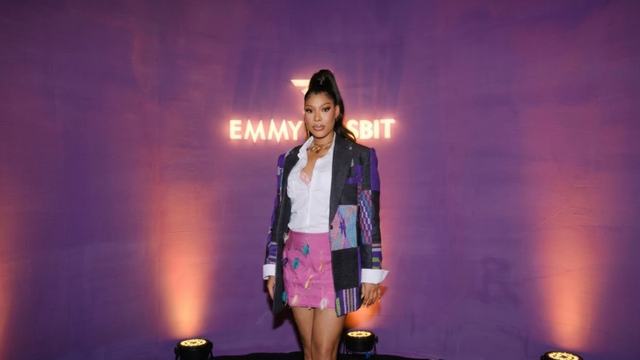
Her appearance at Lagos Fashion Week 2026 provides a fitting close to the event’s five-day programme. Sunday’s schedule moves away from the main runway venue, with individual designers presenting their work in offsite settings. Lisa Folawiyo’s 8 PM presentation concludes the day after appearances by IAMISIGO, Oríré, Gozel Green, Andrea Iyamah Studio and Emmy Kasbit.
The closing slot brings the programme back to a designer whose work has helped place Nigerian fashion in wider international conversations about luxury, craftsmanship and cultural identity.
The Story Behind Designer Lisa Folawiyo
Lisa Folawiyo is a Nigerian fashion designer who entered the industry after studying law at the University of Nigeria. Her transition into fashion was not built on a conventional design-school pathway. Instead, she developed her creative direction through experimentation, practical experience and a strong personal interest in clothing.
When she established Jewel by Lisa in 2005, she began exploring how Ankara could be transformed into contemporary luxury womenswear. At the time, the fabric was already widely used across West Africa, with patterns and colours familiar across generations.
Folawiyo recognised an opportunity to approach it differently. By combining Ankara with intricate handwork, contemporary cuts and sophisticated styling, she created pieces that retained the fabric’s recognisable identity while introducing a new level of surface detail.
The early collections helped define the label’s direction, and its growth brought increased attention to the possibilities of Nigerian fashion. Over time, the business developed beyond its original name, becoming Lisa Folawiyo and expanding its collections across womenswear and accessories.
The designer’s story is significant because it illustrates how a clear creative idea can become the foundation of a lasting fashion business. Rather than attempting to imitate established luxury houses, Folawiyo developed a recognisable aesthetic rooted in a material she understood culturally and creatively.
Her journey also demonstrates that a designer’s identity can be shaped by experience outside formal fashion education. Technical knowledge remains essential, but curiosity, experimentation, collaboration with skilled craftspeople and a consistent point of view can also contribute to the development of a distinctive label.
How Lisa Folawiyo Fashion Transformed Ankara
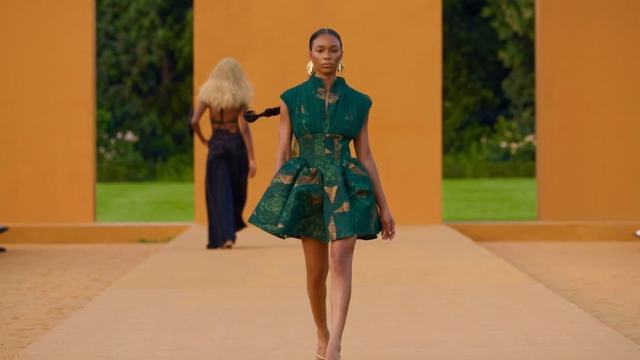
Ankara is central to Lisa Folawiyo’s design identity. Its vivid patterns and strong colours provide a visual foundation for garments that can be playful, sophisticated, dramatic or understated, depending on how the fabric is cut and styled.
Folawiyo’s contribution has been to explore the material beyond its printed surface. Through hand-applied beads, sequins and other embellishments, the label introduces additional texture and detail, allowing traditional prints to take on a different visual character.
This process requires considerable attention to construction. Embellishments must complement the fabric’s pattern, follow the shape of the garment and work with its intended movement. When handled well, they create depth without overwhelming the original textile.
The brand also pays close attention to tailoring and fit. Modern silhouettes allow the fabric to be used in dresses, skirts, jackets, tops and coordinated looks that feel suited to contemporary wardrobes. The relationship between print, shape and embellishment is what distinguishes the label from designs that use Ankara primarily as a colourful surface.
The work is also labour-intensive. The brand and Lagos Fashion Week’s designer profile describe its embellished garments as handcrafted, with some pieces requiring around 240 hours of handwork. The time involved reflects the specialist skill needed to create detailed finishes at this level.
Such craftsmanship makes each finished garment more than a simple combination of fabric and pattern. It represents a sequence of decisions and processes involving design, cutting, sewing and hand embellishment.
The technique has helped establish Lisa Folawiyo’s signature, but its wider significance lies in showing how familiar materials can be reinterpreted through experimentation. A textile does not have to lose its cultural identity to enter a new design context. It can become the starting point for further innovation.
The Artisans Behind the Finished Garments
The visual impact of Lisa Folawiyo’s designs depends on the expertise of the people who help bring them to life. Skilled artisans are central to the label’s hand-embellishment process, contributing the detailed work that gives its garments their distinctive finish.
Handwork requires patience, consistency and an understanding of how decorative elements interact with different fabrics. Beads and sequins must be placed carefully, while the finished garment must retain its intended shape and remain wearable.
This relationship between design direction and practical craftsmanship is an important part of luxury fashion. A strong concept may inspire a collection, but its execution depends on the people who understand the materials and techniques required to produce it.
For Nigerian fashion, the relationship also raises broader questions about the visibility and economic value of local creative labour. Designers often receive public recognition for a collection, while the work of pattern cutters, seamstresses, beaders and other specialists may remain less visible.
Acknowledging these contributions helps provide a more complete picture of how a fashion label operates. It also reinforces the importance of sustaining skilled production within Nigeria, where traditional knowledge and contemporary design can support one another.
The challenge for any craft-led fashion business is to balance detailed workmanship with the practical realities of production, pricing and delivery. Time-intensive techniques require careful planning, particularly when a brand seeks to serve customers across different markets.
Lisa Folawiyo’s design identity places craftsmanship at the centre of the finished product. The label’s approach demonstrates how handwork can become a defining element of contemporary luxury rather than merely a decorative addition.
A Nigerian Label With an International Reach
Lisa Folawiyo’s work has reached audiences beyond Nigeria through international fashion presentations, editorial coverage and retail relationships. The brand has been associated with major fashion cities and has received attention from publications covering global fashion and design.
Its designs have also been worn by internationally recognised entertainers, including Lupita Nyong’o and Solange Knowles. Such visibility has helped introduce the label’s distinctive combination of Ankara, embellishment and modern tailoring to a wider audience.
International recognition, however, is not only about celebrity appearances or media attention. For an independent fashion business, long-term growth depends on the ability to develop collections, maintain quality, reach suitable customers and establish commercial relationships that can support future production.
Folawiyo’s established aesthetic gives the brand a recognisable point of difference in a crowded market. Customers encountering its work can identify the relationship between printed textiles, hand embellishment and contemporary silhouettes, even as individual collections evolve.
The label’s presence in international fashion conversations also contributes to a wider shift in how African designers are represented. Nigerian fashion is not a single aesthetic or category. It encompasses many approaches to textiles, tailoring, streetwear, luxury, sustainability and cultural storytelling.
Lisa Folawiyo’s work forms one important part of that diverse picture. It demonstrates how a designer can draw on a familiar local material while developing a fashion language capable of engaging audiences in different parts of the world.
Heritage, Modernity and the Future of African Luxury
The continued relevance of Lisa Folawiyo fashion rests on the relationship between cultural familiarity and creative reinvention. Ankara carries histories of use, identity and personal expression across West Africa. Reworking it for contemporary luxury fashion creates new possibilities, but it also places responsibility on designers to understand the material and the context in which it is valued.
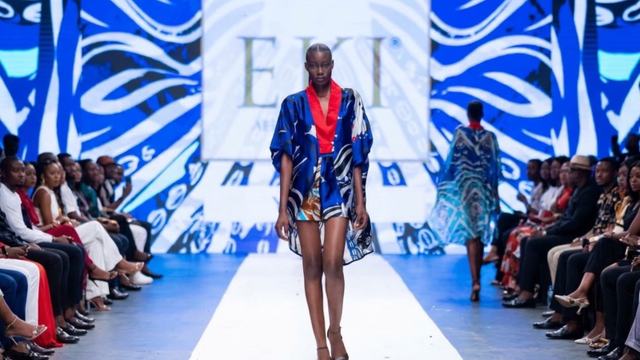
READ: Eki Silk fashion Turns African Heritage Into Modern Luxury
Folawiyo’s approach does not depend on abandoning the textile’s established identity. Instead, it builds upon that identity through new forms of embellishment, tailoring and styling.
This balance has broader implications for African fashion businesses. Designers can develop products that feel internationally relevant while remaining connected to the cultural references that inform their work. The challenge is to translate those references thoughtfully rather than treating heritage as a temporary trend.
Craftsmanship is another essential part of that future. As fashion businesses grow, they must consider how specialist skills can be sustained, how production can remain consistent and how the value created by artisans can be recognised. These questions matter to the long-term strength of the industry as much as a collection’s immediate visual impact.
The next phase of African luxury will also depend on the business systems supporting designers. Reliable manufacturing, access to markets, effective distribution and customer trust are necessary for creative visibility to become lasting commercial opportunity.
Lisa Folawiyo’s career offers a useful example of how a distinctive material and a consistent design philosophy can support brand development over time. The label’s journey from Jewel by Lisa to an internationally recognised namesake brand demonstrates the value of developing an identity that customers can recognise and return to.
Why Lisa Folawiyo Is a Fitting Finale for Lagos Fashion Week 2026
Lagos Fashion Week brings together a broad range of creative approaches, reflecting the depth and diversity of contemporary African fashion. The 2026 edition’s final Sunday programme highlights designers working across different materials, silhouettes and design philosophies.
Lisa Folawiyo closes the schedule at 8 PM with a body of work closely associated with Nigerian textiles and intricate hand craftsmanship. Her position at the end of the programme creates an opportunity to reflect on the many ways designers can interpret cultural heritage within modern fashion.
The label’s story is not simply about making Ankara more decorative. It is about rethinking how a familiar material can be cut, embellished and presented, while allowing it to retain a recognisable relationship with West African style.
That approach has contributed to a wider conversation about African luxury, in which cultural references and skilled production are central to the value of a garment. It also highlights the role of individual designers in creating fashion identities that are grounded in their own experiences rather than shaped entirely by external expectations.
As the final presentation of Lagos Fashion Week 2026, Lisa Folawiyo’s appearance provides a fitting conclusion to a week of creative exploration. It brings attention back to the relationship between heritage and innovation, and to the people whose skills transform an idea into a finished piece.
Through her distinctive use of Ankara, contemporary tailoring and hand embellishment, Folawiyo has established a design language that is recognisably her own. Her contribution continues to show that Nigerian textiles can be interpreted in new ways, reaching new audiences while remaining connected to the histories and craftsmanship that make them meaningful.
The writer of this article does not claim to know the individuals named personally. The information about their backgrounds, as published on Global News Arena, is based on independent online research.
Are you interested in learning how to write professionally and earn money as a writer and content creator? Contact Auxi Chat today to start your writing journey immediately.
Need a professional website in 72 hours? Contact Auxi Chat
If you have an article, opinion piece, event or news story you would like published, Global News Arena would love to hear from you.