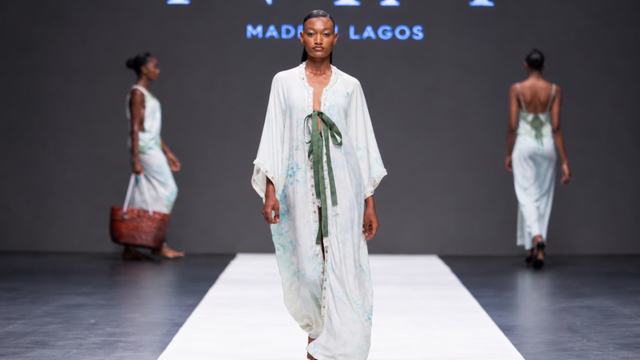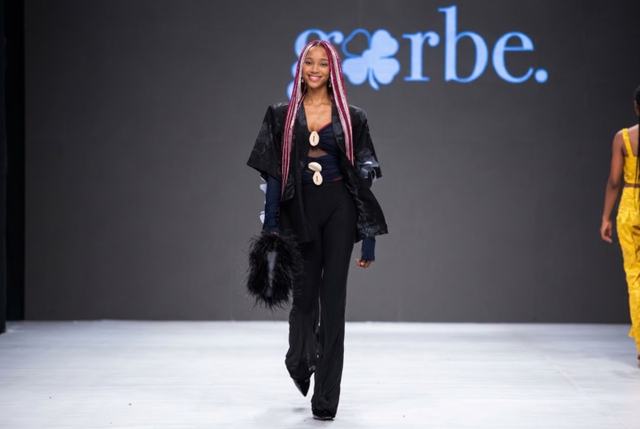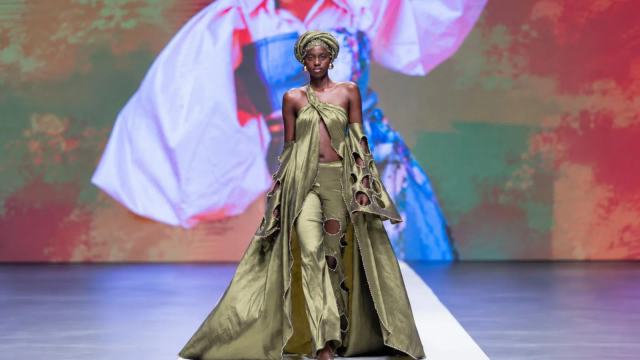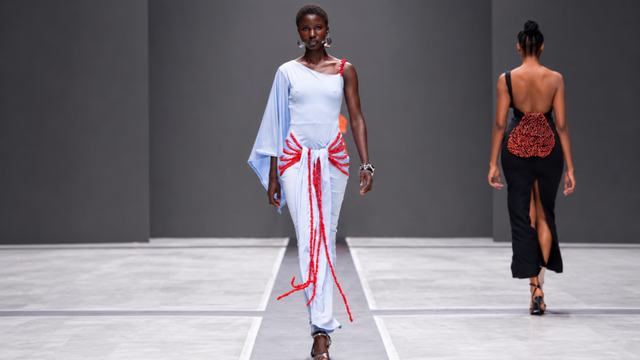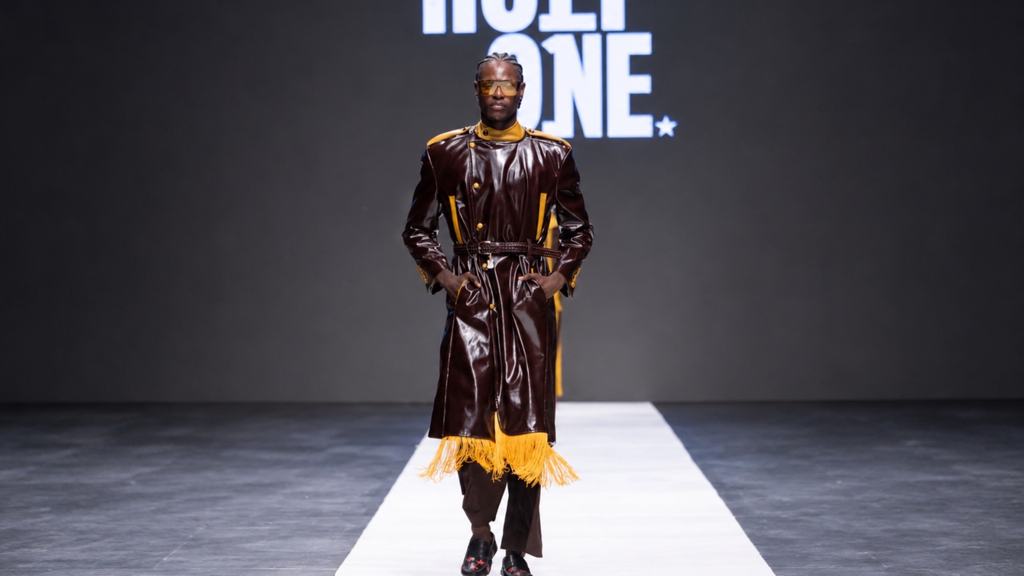
Holy One Fashion and the Changing Language of Style
READ: NYA Fashion: Contemporary Identity and the Future of African Style
Holy One fashion enters a fashion conversation that is becoming increasingly varied, with designers exploring different ways to communicate identity through clothing. Contemporary African fashion is not defined by a single silhouette, fabric or colour palette. Instead, it encompasses designers who experiment with form, develop distinctive visual signatures and respond to the changing expectations of people who want clothing to feel both expressive and relevant.
A fashion label is often recognised first through its garments, but its identity develops through the relationship between design, presentation and the audience it reaches. Clothing can communicate mood, belonging, confidence or experimentation before a wearer says a word. This makes fashion more than a practical response to the need to dress. It is also a visual language through which individuals and communities express themselves.
READ: Garbe Fashion Brand: Colour, Print and the Freedom to Experiment
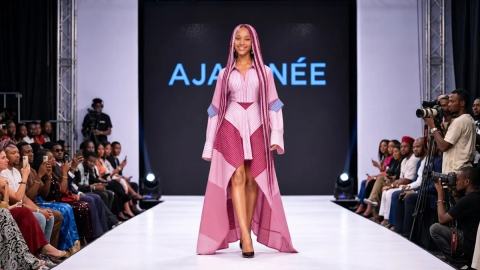
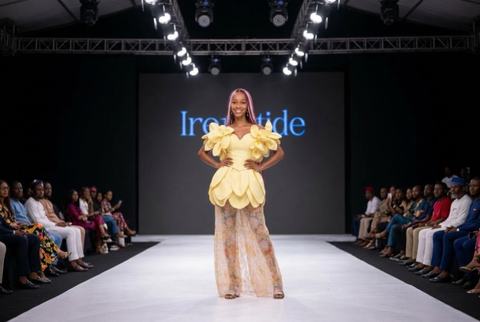
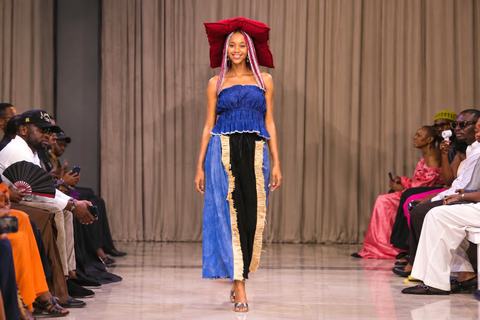
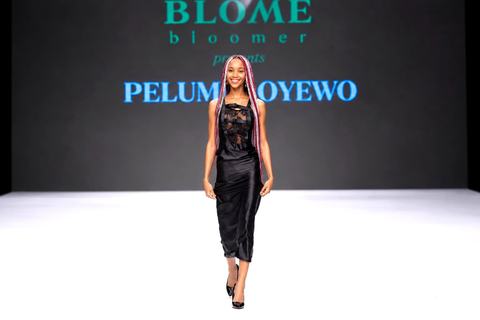
Within this wider setting, Holy One provides a subject for considering how fashion labels contribute to the creative diversity associated with Lagos Fashion Week. The event offers a platform for designers to present their ideas, while audiences have the opportunity to observe the different approaches shaping the industry. The significance of a designer’s appearance in such a setting lies not only in the garments shown, but also in how those garments contribute to the wider discussion of contemporary style.
Understanding Fashion as a Form of Expression
Clothing has always carried meaning beyond its immediate function. The choice of a silhouette, the use of colour, the arrangement of layers and the selection of accessories can all affect how an outfit communicates. Some designs are deliberately restrained, allowing fit and construction to provide the main point of interest. Others rely on contrast, volume or unusual combinations to attract attention.
For a fashion label, establishing a recognisable direction involves making choices that connect individual garments to a broader identity. A consistent approach does not require every collection to look identical. Rather, it gives audiences a way to understand the sensibility behind the work, even as the designer experiments with new ideas.
This process can be challenging in a market where trends move quickly and digital platforms expose audiences to a constant stream of new looks. A label must decide whether to respond directly to current trends, develop a more independent visual language or combine both approaches. The strongest creative direction is often one that allows experimentation without losing a sense of purpose.
Holy One can be considered within this larger question of how contemporary labels establish and communicate their identities. A meaningful reading of a collection should examine the garments themselves, their construction and the relationships between individual pieces, rather than relying only on a label’s name or the attention surrounding an event.
Lagos Fashion Week and the Value of a Shared Platform
Lagos Fashion Week has become an important meeting point for designers, buyers, media professionals, stylists and fashion audiences interested in the Nigerian and wider African fashion industries. Runway presentations provide designers with a structured opportunity to show their work and give audiences a concentrated view of the ideas informing a collection.
For participating labels, a fashion week appearance can place their designs within a larger creative conversation. Viewers may encounter familiar approaches, discover new designers or compare how different labels interpret questions such as identity, craftsmanship, sustainability and modern dressing.
However, a runway presentation is only one part of a fashion brand’s development. A designer also needs to consider production, distribution, communication with customers and the practical demands of maintaining a label. Creative visibility can create opportunities, but the long-term development of a fashion business depends on the ability to translate its identity into work that can be consistently produced and understood.
This is why coverage of individual designers benefits from a broader industry perspective. The fashion week stage provides a moment of visibility, while the continuing story involves the decisions, skills and relationships that sustain a creative business beyond the event.
Readers exploring other dimensions of African fashion can also visit Global News Arena’s feature on NKWO’s vision for sustainable African design. It offers a related perspective on the relationship between creative identity, materials and the wider responsibilities involved in fashion production.
The Importance of Design Beyond Trends
Trends can influence what consumers notice at a particular moment, but a label’s identity is built through more lasting decisions. These may include the shapes it favours, the way it combines fabrics, its approach to construction or the kinds of occasions its clothing is intended to serve.
A design can be striking without being practical, just as a highly wearable garment can still possess a distinctive point of view. Fashion design involves negotiating between these possibilities. Designers consider how clothing looks in a presentation, how it moves on the body and how it might function in the wearer’s life.
The most useful way to assess a collection is therefore to consider the relationship between its visual impact and its purpose. Does the construction support the design idea? Do the garments work together as a collection? Are the materials and proportions used with intention? These questions provide a more meaningful basis for discussing fashion than simply labelling a collection as fashionable or unfashionable.
For a label participating in a larger industry event, these questions also help audiences move beyond the immediate spectacle of a runway. The clothes become the starting point for understanding the choices behind them.
African Fashion Is Not One Aesthetic
The international conversation around African fashion sometimes places too much emphasis on a narrow set of expectations. Traditional prints, vivid colours and heritage-inspired details can be important to particular designers, but they do not represent the full range of contemporary African creativity.
Designers across the continent work with minimalism, tailoring, experimental construction, modern luxury, local craft and many other approaches. Some combine several influences, while others build their identities around a focused design principle. This diversity should be understood as a strength rather than a problem to be simplified.
Holy One’s presence within the wider fashion conversation can be considered as part of this broader landscape of different labels and creative perspectives. The relevant question is not whether a designer conforms to a predetermined idea of African fashion, but what the work communicates on its own terms and how it contributes to the evolving industry.
This approach also recognises that designers do not need to make every garment a direct statement about cultural heritage to be part of African fashion. Their location, experiences, creative decisions and participation in the industry are all part of the larger picture, while each label retains its own identity.
Craftsmanship, Wearability and the Fashion Business
Behind every finished garment is a sequence of decisions involving design development, pattern cutting, fabric selection, construction and finishing. These processes influence not only the appearance of a piece but also its comfort, durability and consistency.
For independent labels, the relationship between creative ambition and production capacity can be particularly important. A complicated design may require specialist skills or more time to produce. A material may look appealing but behave differently once it is cut and sewn. The ability to make practical decisions without losing the central design idea is one of the challenges of developing a fashion business.
READ: Israella Kobla Fashion: A Contemporary African Design Perspective
Wearability is another consideration. Runway clothing can be created to make a strong visual statement, but a label may also need garments that fit into customers’ everyday lives. These objectives are not necessarily in conflict. Thoughtful design can combine individuality with comfort and usefulness, giving clothing a place beyond a single presentation.
The business side of fashion also includes communicating clearly with audiences. A label needs to help people understand its products, values and point of difference. In a crowded market, this clarity can matter as much as visual recognition.
Why Independent Fashion Voices Matter
Fashion grows through the interaction of established designers, emerging labels, skilled makers, retailers, photographers, stylists and audiences. Each contributes to the conditions in which new ideas can develop. Independent fashion voices are important because they expand the range of possibilities available to the industry and challenge the assumption that there is only one way to design or wear clothing.
Events such as Lagos Fashion Week bring these different perspectives into closer contact. The audience can compare design approaches, identify emerging interests and see how fashion responds to the cultural and commercial realities surrounding it.
Holy One’s place in this conversation encourages a wider consideration of the labels contributing to contemporary African style. Rather than treating a runway appearance as the end of the story, it is more useful to view it as one moment in an ongoing creative process. The lasting significance of a fashion label depends on how its ideas develop, how consistently its work communicates and how it responds to the people who engage with it.
Ultimately, contemporary fashion is strongest when there is room for different design identities to coexist. The industry does not need every label to follow the same path. Its continued development depends on creativity, craftsmanship, thoughtful business decisions and audiences willing to look closely at the work behind the clothes.
The writer of this article does not claim to know the individuals named personally. The information about their backgrounds, as published on Global News Arena, is based on independent online research.
Are you interested in learning how to write professionally and earn money as a writer and content creator? Contact Auxi Chat today to start your writing journey immediately.
Need a professional website in 72 hours? Contact Auxi Chat
If you have an article, opinion piece, event or news story you would like published, Global News Arena would love to hear from you.