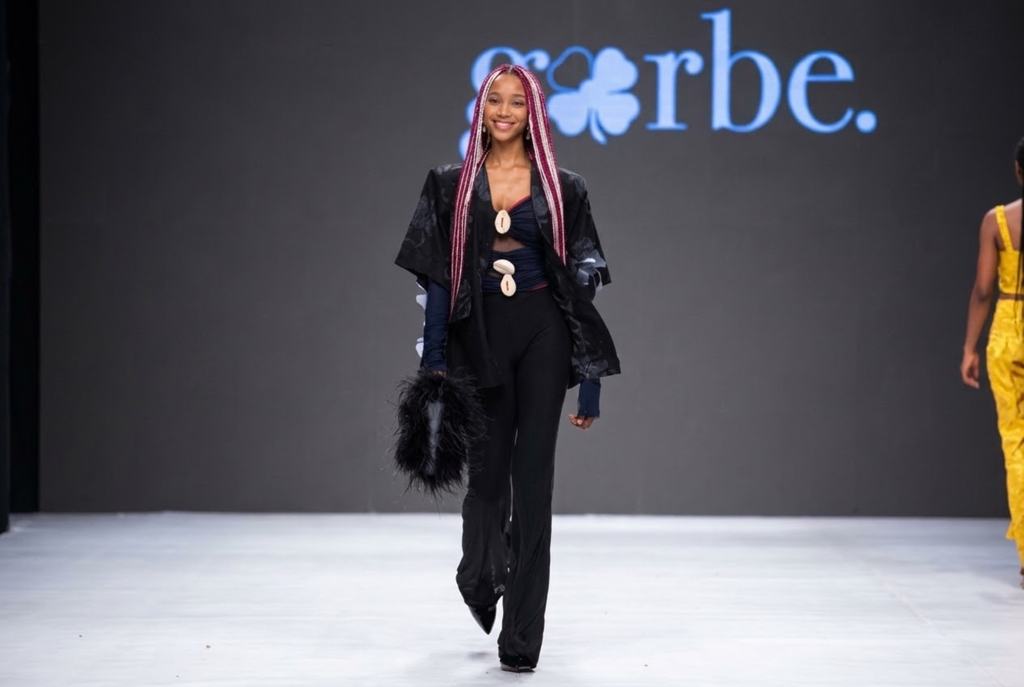
Garbe Fashion Brand: When Colour Becomes a Language
Colour is one of fashion’s most immediate forms of communication. Before an audience notices the construction of a sleeve, the placement of a seam or the finishing of a hem, colour may already have established the mood of a garment. A bright shade can create energy, a contrast can introduce tension, and a repeated pattern can give a collection a recognisable rhythm.
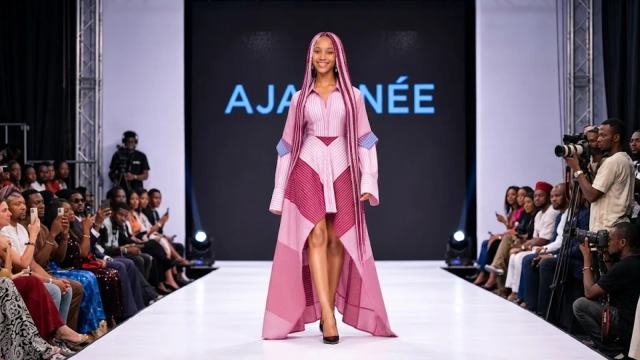
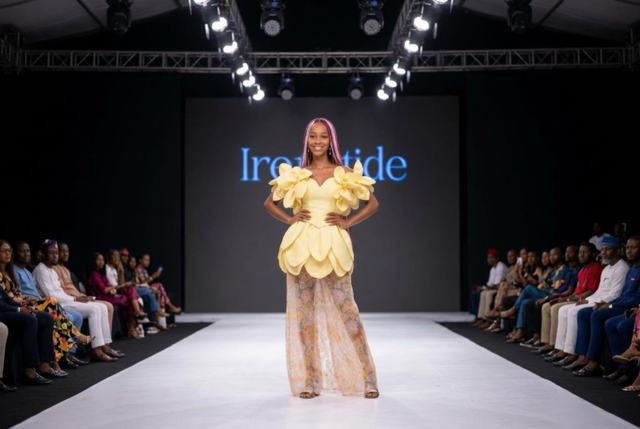
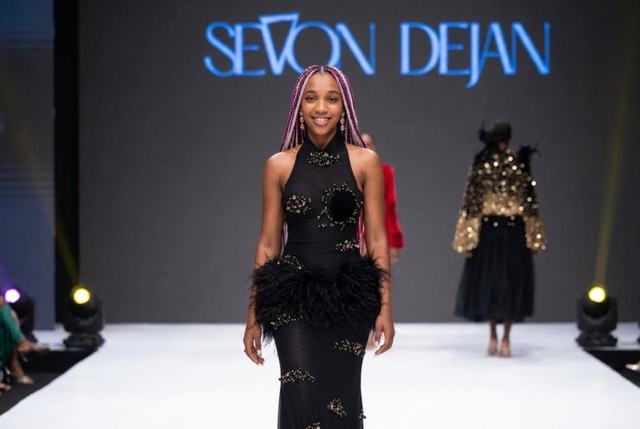
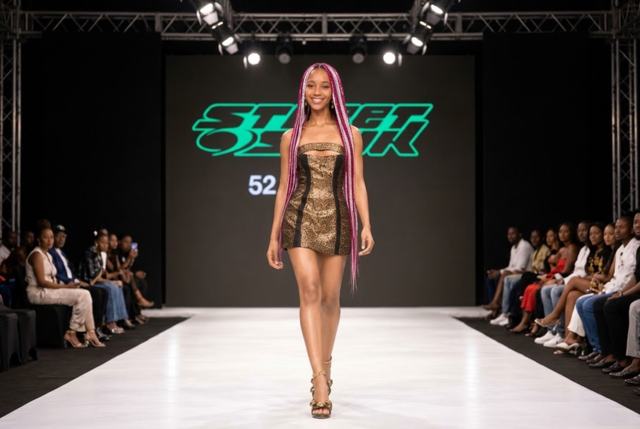
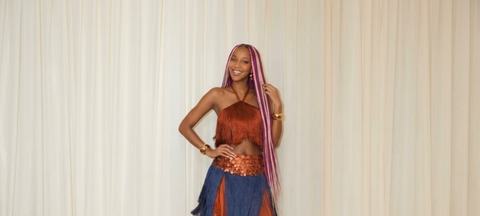
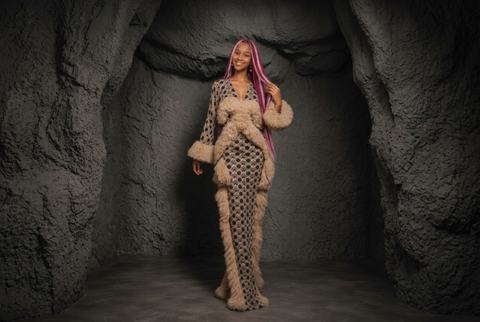
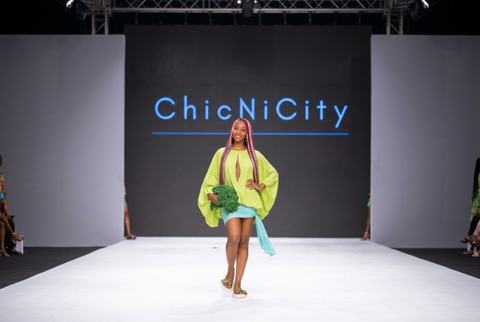
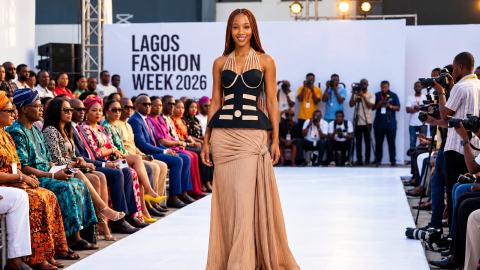
Garbe’s presentation at Lagos Fashion Week in October 2026 drew attention to these possibilities. Coverage of the runway described the brand’s use of vibrant prints, striking colour combinations and playful silhouettes, identifying individuality and confident expression as central impressions of the collection. The presentation stood alongside other designers exploring the many directions contemporary African fashion can take.
I find this emphasis on colour worth considering because fashion is often discussed through familiar categories such as luxury, minimalism, streetwear or traditional clothing. Yet the way a designer works with colour can cut across those categories. A collection may use familiar garment shapes while creating a distinctive identity through print, contrast and proportion. Another may combine vivid surfaces with unusual silhouettes, allowing the clothing to feel playful without becoming visually chaotic.
The most successful use of colour is not necessarily the loudest. It depends on intention. A strong colour combination can direct the eye, establish relationships between separate garments and help an audience recognise a designer’s creative language. When the choices feel connected, the collection becomes more than a series of individual looks.
The Design Choices Behind Prints and Contrasting Colours
Print can transform the way a garment is perceived. A simple silhouette may appear completely different when covered in a bold pattern. Conversely, a complicated cut can become difficult to read if the print competes too strongly with its construction. Designers therefore have to consider how the surface of a fabric interacts with the shape of the garment.
Scale is important. Large patterns can create a dramatic impression, while smaller repeated motifs may produce a more detailed visual rhythm. The direction of a print can influence how the body is perceived, and the placement of a pattern across seams can determine whether the final garment appears unified or deliberately fragmented.
Colour combinations introduce another set of decisions. Complementary shades can produce strong contrast, while related shades may create a more connected appearance. A designer can use one dominant colour to establish the overall mood and introduce smaller areas of contrast to create movement. Alternatively, several colours may share attention, producing an energetic and more complex surface.
Garbe’s reported emphasis on vivid prints and striking combinations places these design decisions at the centre of its public runway identity. The approach suggests an interest in fashion as a form of visual expression, where clothing can communicate personality without depending entirely on a complicated silhouette.
I believe this is one reason print driven fashion remains important. Pattern can be expressive, but it also requires discipline. The designer must decide where the eye should travel, which elements should stand out and how the garment will look from a distance as well as up close.
Playful Silhouettes and the Relationship Between Clothes and the Body
The silhouette is the overall outline created by a garment when it is worn. It can be close fitting, loose, structured, fluid, exaggerated or deliberately unconventional. The silhouette determines much of a garment’s relationship with the body, influencing how it moves and how its proportions are perceived.
A playful silhouette may introduce volume where an audience expects a close fit, change the proportions of familiar clothing or combine shapes that are not usually associated with one another. These choices can make a garment feel fresh without requiring an entirely new category of clothing.
When bold prints are combined with playful silhouettes, the designer faces an additional challenge. Both elements can demand attention. If they compete without a clear relationship, the result may feel crowded. If they support one another, the print can emphasise the silhouette, while the shape gives the pattern a clear structure.
This is where careful design becomes visible. Fashion is not simply about adding more colour or making a garment larger. It is about establishing relationships between separate elements so that they contribute to a coherent result.
The way clothing moves also matters. A printed dress may look different when its skirt swings as the wearer walks. A loose garment can allow a pattern to fold and unfold, changing the visual effect from one moment to the next. On the runway, movement makes these relationships especially noticeable.
Individuality in Contemporary African Fashion
The idea of individuality is frequently attached to fashion, but it can mean different things. For some people, it involves wearing clothing that departs from prevailing trends. For others, it means adapting familiar garments to personal taste or finding a visual language that reflects their background, mood or ambitions.
A designer does not need to create an entirely unfamiliar garment to support individual expression. Sometimes the distinction lies in the way familiar elements are combined. A bold print, an unexpected colour pairing or a change in proportion can give a recognisable garment a different character.
Garbe’s presentation at Lagos Fashion Week 2026 was described in terms of confident style and playful visual expression. That emphasis places the collection within a broad conversation about how Nigerian designers are developing their own interpretations of contemporary dressing.
African fashion cannot be reduced to one colour palette, one textile or one silhouette. Designers across the continent work with indigenous craft traditions, contemporary tailoring, everyday clothing, formalwear, streetwear, experimental materials and many other approaches. The diversity is important because it allows individual labels to build identities that reflect their own interests rather than conforming to a narrow expectation.
I believe that is a more useful way to discuss creative identity. Rather than asking whether a collection fits a single definition of African fashion, we can examine what the designer is trying to achieve, how the garments are constructed and how the visual choices relate to the audience.
From a Runway Presentation to a Sustainable Fashion Business
A runway can introduce a collection to a new audience, but building a lasting fashion business requires more than visual attention. Designers need to source materials, manage production, price garments appropriately and communicate with customers. They must also consider the practical questions that arise when a customer wants to order, alter, maintain or return a garment.
Print based collections can create particular production demands. Matching patterns across seams may require additional fabric and careful cutting. Strong colours may behave differently depending on the textile, dyeing process and finishing method. Garments with unusual silhouettes may also need additional fitting and testing before they are ready for sale.
These details affect cost and consistency. A design that works well as a single runway piece may require adjustments before it can be produced reliably in several sizes. Designers have to decide which elements should remain consistent and which can be adapted without losing the identity of the collection.
The business side is not separate from creativity. It helps determine whether the creative idea can reach the people who want to wear it. A designer who understands the production process can make better decisions about fabric, construction, pricing and delivery.
I find it important to recognise this practical work because fashion coverage often focuses on the final image. The audience sees the garment under runway lighting, but the business must continue after the lights go out. Long term success depends on whether a label can maintain quality, develop relationships with customers and manage its resources effectively.
What Garbe Adds to the Fashion Conversation
Garbe’s Lagos Fashion Week 2026 presentation, as described in event coverage, placed colour, print and playful silhouettes at the centre of its visual identity. These elements offer a useful starting point for understanding how clothing can communicate individuality through the relationship between surface, shape and movement.
The wider significance is not that every designer should embrace vivid colours or bold patterns. Minimalism, neutral palettes and restrained tailoring have their own creative possibilities. The point is that fashion benefits from allowing different approaches to coexist. Some audiences want quiet, understated clothing, while others are drawn to garments that communicate through colour and visual energy.
A healthy fashion ecosystem creates room for both. It allows designers to experiment, customers to develop their own preferences and the wider industry to respond to more than one definition of good design.
Garbe’s presentation also reminds us that expressive clothing requires thought. Colour can be powerful, but its effect depends on how it is used. Print can create identity, but it must work with the garment’s construction. A playful silhouette can challenge expectations, but it still needs to function on the body.
For me, the value of examining a collection lies in looking beyond whether it attracts attention. The more interesting questions concern the choices that produce that attention, the way those choices fit together and the possibilities they create for the wearer.
In that sense, Garbe’s reported runway direction contributes to the broader conversation about Nigerian fashion as a field of many creative voices. Its emphasis on colour, pattern and individuality offers one interpretation of contemporary dressing, while other labels continue to explore craftsmanship, heritage, streetwear, reconstruction and couture.
The industry becomes more compelling when these approaches are allowed to develop on their own terms. Fashion is not a single visual answer. It is an ongoing exchange between designers, materials, bodies, audiences and the world in which clothing is made and worn.
The writer of this article does not claim to know the individuals named personally. The information about their backgrounds, as published on Global News Arena, is based on independent online research.
Are you interested in learning how to write professionally and earn money as a writer and content creator? Contact Auxi Chat today to start your writing journey immediately.
Need a professional website in 72 hours? Contact Auxi Chat
If you have an article, opinion piece, event or news story you would like published, Global News Arena would love to hear from you.