Oshobor Fashion Brand: Peter Oshobor and the Power of Clothing to Tell Stories
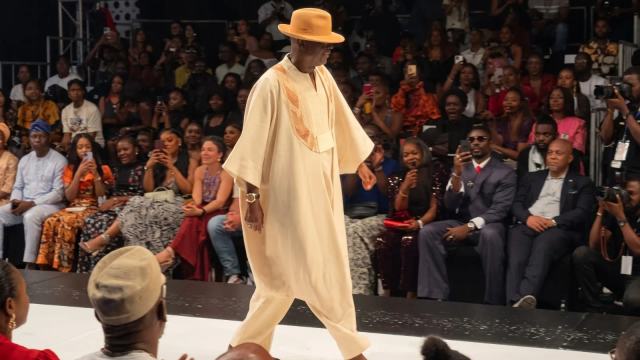
READ: Sanwo-Olu walks the runway at Lagos Fashion Week 2026
Fashion can be decorative, practical, expressive or ceremonial. It can help people communicate who they are, but it can also allow designers to explore feelings and experiences that are difficult to explain through words alone. When clothing becomes part of a larger creative narrative, a garment can function as more than something to wear. It can become an object through which a designer examines identity, memory, vulnerability and change.
That approach is central to the Oshobor fashion brand, founded by Nigerian designer Peter Oshobor. The label has become associated with experimental silhouettes, textured materials, dramatic presentation and a design language influenced by personal experiences and Nigerian cultural references. Vogue’s coverage of the brand’s Lagos Spring 2026 collection described an emotionally charged presentation titled Night Has Come, while its report on the Lagos Spring 2027 collection explored the designer’s continuing interest in mystery, spiritual awakening and transformation.
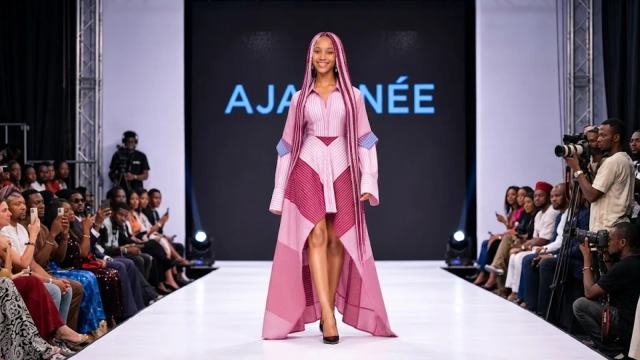
READ: Ajanée Fashion Brand: Luqman Ajani’s Vision of Individuality and Reuse
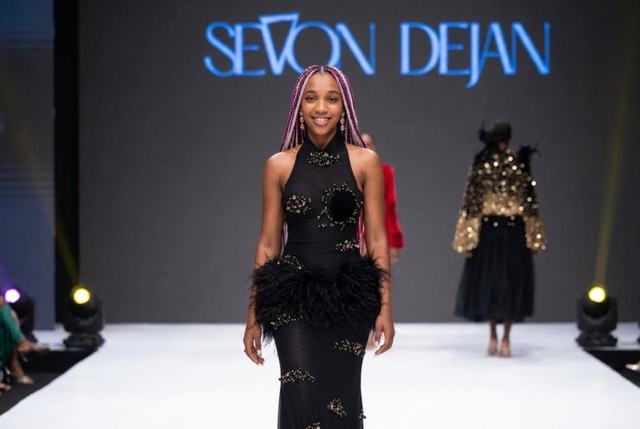
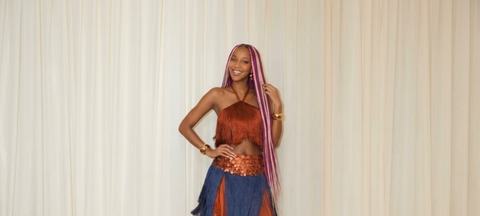
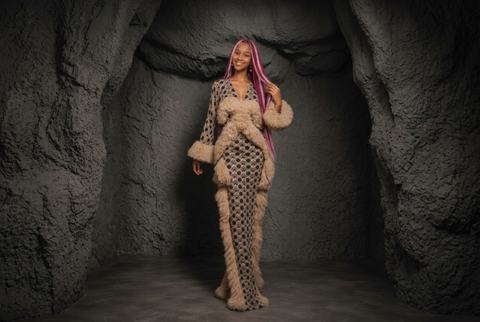
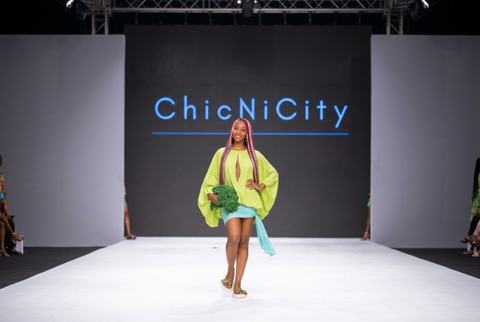
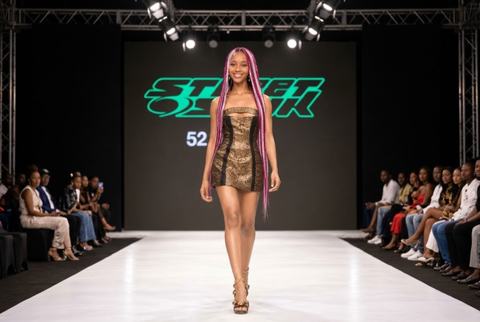
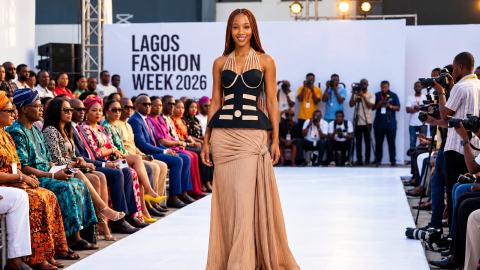
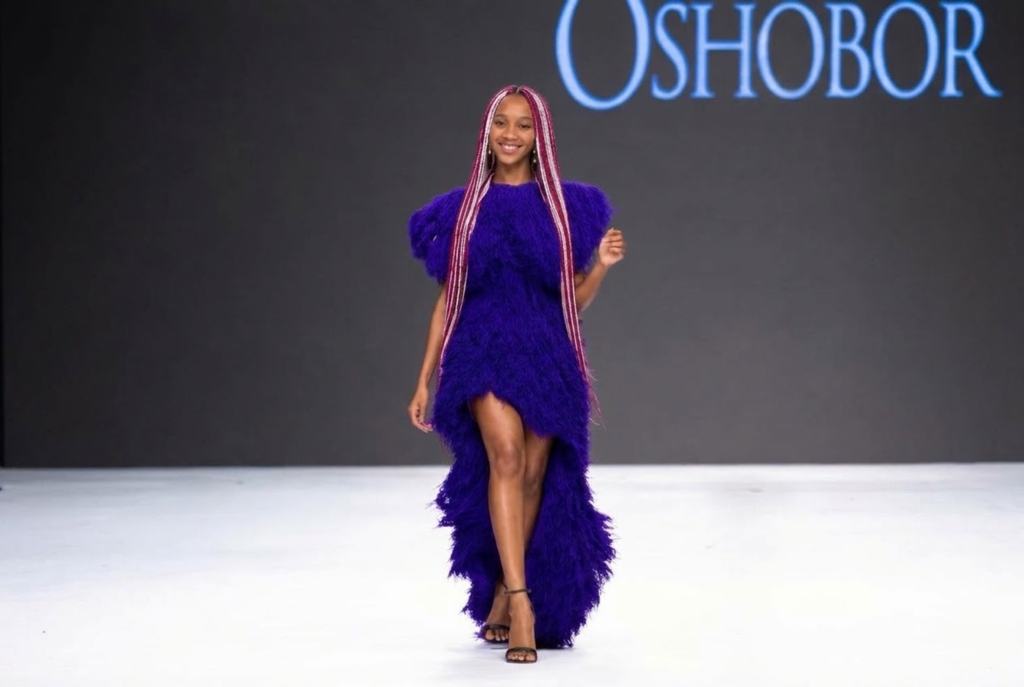
Oshobor’s presentation at Lagos Fashion Week in October 2026 continued this interest in dramatic storytelling. Coverage described the collection through movement, flowing fringes, textured surfaces and a vivid palette. The show suggested a designer interested in creating an atmosphere around the clothes rather than presenting garments as isolated objects.
I find this approach particularly interesting because it challenges the assumption that fashion must always be understood through familiar commercial categories. A garment can be beautiful without being conventional. It can be unsettling, theatrical or mysterious and still demonstrate careful design. The more important question is whether its unusual elements contribute to a coherent creative idea.
Peter Oshobor: Building a Design Language Through Experience
Peter Oshobor’s creative journey has been described through a combination of personal experience, experimentation and cultural influence. Fashion coverage has connected his background to Ejigbo in Lagos and his ties to Benin City, placing his work within a personal geography that brings together different environments and cultural references.
One account of the brand’s development describes Oshobor beginning with the act of mending torn fabric by hand. Rather than treating damaged material as useless, he explored how it could be repaired and transformed. That process became part of a wider creative practice in which clothing could carry traces of difficulty, recovery and change. The name Oshobor has also been associated in published fashion coverage with the idea of divine protection, giving the label’s identity a spiritual dimension.
These details provide context for the emotional quality of the work, although they should not be taken to mean that every garment communicates one fixed message. A designer may begin with a personal experience, but once a collection enters public view, audiences bring their own interpretations to it. One viewer may notice the material, another the silhouette, and another the relationship between the collection’s title and its presentation.
I believe that this openness is one of fashion’s strengths. Clothing can express a designer’s perspective without requiring every viewer to arrive at the same conclusion. A strong collection can leave room for interpretation while maintaining a recognisable creative direction.
Oshobor’s development also illustrates the value of experimentation. Designers often discover their visual language by testing materials, questioning established forms and learning from the results. Not every experiment will work, but experimentation can reveal possibilities that would remain hidden if the designer relied only on familiar methods.
The challenge is to develop a practice in which experimentation becomes intentional. Unusual materials and dramatic shapes can attract attention, but they become more meaningful when they support an idea and are handled with technical care.
Night Has Come
: Exploring Vulnerability Through Fashion
Oshobor’s Lagos Spring 2026 collection, Night Has Come, offered a clear example of the label’s interest in atmosphere and emotional storytelling. Vogue’s review described a presentation concerned with the obscurity, tension and vulnerability associated with nightfall. The show ended with a model wearing an all black wool look, carrying two gold lamps and moving in a manner that made the closing moment feel theatrical.
The collection included a striking gold sculpted dress made entirely from upcycled styrofoam, according to Vogue’s review. Other reported looks combined Nigerian lace with deadstock wool, including a red lace dress with a fringed half cape and a brown cropped vest with a matching skirt featuring wool fringe.
These material choices created contrasts between softness and structure, delicacy and weight, and familiar textiles and unconventional construction. Nigerian lace carries associations with formal dressing and ceremonial occasions, while wool can introduce texture and a heavier visual presence. Combining materials with different qualities can create tension within a garment, encouraging the audience to look beyond its initial appearance.
The gold sculpted dress was especially notable because it challenged assumptions about what materials belong in fashion. Styrofoam is generally associated with packaging and disposable products rather than with a sculptural evening garment. Transforming it into a dress invites questions about waste, material value and the boundaries between clothing and art.
The achievement of such a design depends on more than the surprise of the material. The designer must consider how it is shaped, how it holds together and how it communicates through its form. An unconventional material can be effective when the construction supports the creative idea.
I find Night Has Come significant because the reported collection did not treat beauty as something that must always be reassuring. The combination of delicate lace, wool, unusual sculptural forms and theatrical presentation created space for discomfort and ambiguity. This is one way fashion can move beyond the expectation that every collection must simply present attractive clothing.
The 2026 Collection: A Different Kind of Human
Oshobor’s Lagos Spring 2027 presentation, shown during Lagos Fashion Week in October 2026, continued the creative conversation established by the previous collection. Vogue described the label as exploring mystery, spiritual awakening and magic, while noting the designer’s preference for maximalist expression over the assumption that less is always more.
The collection was titled A Different Kind of Human, according to Fashion Police Nigeria’s coverage. That title raises questions about identity, transformation and the relationship between the familiar and the unfamiliar. It suggests a world in which the human form or the way people understand themselves can be reconsidered through clothing.
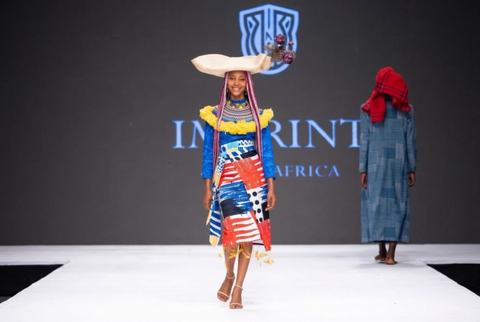
The show also continued the label’s interest in dramatic presentation. Recent coverage described flowing fringes, textured materials and movement that gave the garments a sense of life as the models walked. Such details are important because the runway is not a static gallery. Clothing changes as the body moves, and the interaction between garment, wearer and presentation can shape the audience’s experience.
A fringe may respond to movement in a way that a rigid surface cannot. A layered garment can reveal different textures as the wearer turns. A sculptural silhouette can appear more imposing from one angle than another. These effects allow a collection to unfold over time rather than revealing everything in a single photograph.
The idea of a different kind of human can also be approached through the way clothing alters the body’s outline. Fashion has long used exaggerated shoulders, extended shapes, unusual headwear and dramatic proportions to create figures that depart from everyday appearance. Such designs may suggest fantasy, power, mystery or vulnerability, depending on the way the elements are combined.
I believe this kind of experimentation is most successful when it remains connected to the collection’s larger direction. A striking look can make an immediate impression, but a coherent collection creates relationships between individual pieces. The garments may differ in shape and detail while still contributing to a shared atmosphere.
Benin Heritage and the Importance of Cultural Context
Oshobor’s work has been discussed in relation to Benin heritage, including references to regality, masks and forms of cultural symbolism. These connections are important because cultural references can give a collection a depth that goes beyond surface decoration.
The historical and artistic traditions associated with Benin include distinctive forms of sculpture, ceremonial objects, courtly imagery and highly developed craft practices. Designers drawing on these references need to consider their context and significance rather than treating them as a general visual shorthand for African identity.
Contemporary interpretation does not require a designer to reproduce a historical object exactly. A reference may appear through shape, material, construction or the atmosphere of a presentation. It may be transformed to explore a modern question about identity, masculinity, power or belonging. What matters is that the designer understands the source and makes deliberate decisions about how it enters the work.
Oshobor’s interest in masks and dramatic silhouettes can be considered through this broader relationship between clothing and identity. A mask can change how a face is seen, while clothing can change how a body is perceived. Both can introduce distance between a person’s everyday appearance and the identity they choose to present.
These connections should not be reduced to one definitive interpretation of the designer’s work. They offer a way to understand why cultural references can be meaningful when used with care. Fashion allows heritage to enter contemporary life, but it also carries a responsibility to recognise that cultural forms have histories beyond their appearance.
I believe this balance between experimentation and context is essential to the future of African fashion. Designers should have room to develop original work while remaining attentive to the meanings and histories that inform their creative choices.
Upcycling and the Reconsideration of Materials
Oshobor’s reported use of upcycled styrofoam in Night Has Come adds another dimension to the brand’s interest in transformation. Upcycling takes an existing material or object and gives it a new purpose, often with the intention of extending its useful life or changing how it is perceived.
In fashion, this process can challenge the idea that only conventional textiles belong in a garment. Designers may experiment with discarded fabrics, old clothing, surplus materials or unexpected substances. The resulting work can reveal qualities that are overlooked when a material is judged only by its original purpose.
However, using an unusual or discarded material does not automatically make a design environmentally responsible. The full picture includes how the material was sourced, what processing it required, how much waste was created during construction and whether the finished piece can be maintained or reused. Some materials may be difficult to recycle or unsuitable for repeated wear without special treatment.
The artistic value of material experimentation can therefore be considered separately from the environmental claims sometimes attached to it. A garment made from an unconventional substance may be conceptually important even when its wider environmental impact requires further assessment.
For Oshobor, the transformation of material appears closely connected to the broader themes of change and reinterpretation. A material associated with one function is asked to perform another. Its original identity remains part of the story, but the finished garment creates a new relationship between the material and the viewer.
This approach also raises questions about craftsmanship. Working with an unfamiliar material requires the designer to understand its limitations and identify ways to make it function within the intended form. The process can involve testing, adaptation and careful construction.
I find this an important reminder that innovation does not always depend on inventing a completely new material. Sometimes it begins by looking at an existing substance differently and asking what it might become under a new set of conditions.
Fashion as Emotional Expression
One of the most distinctive aspects of Oshobor’s creative identity is the relationship between clothing and emotional experience. The collections described in recent coverage explore themes such as vulnerability, mystery, spiritual awakening and transformation. These are subjects that do not always lend themselves to straightforward visual representation.
Fashion can approach them through atmosphere. Dark colours may establish a particular mood, although darkness does not always mean sadness or danger. Soft fabrics can create a sense of fragility, while structured forms may suggest control or protection. A combination of contrasting materials can communicate tension without needing to explain it directly.
The way a collection is staged can also influence its emotional effect. Lighting, music, model movement and the sequence of looks all contribute to the experience. A garment shown in a quiet setting may be interpreted differently from the same garment presented within an eerie or theatrical environment.
This is why the runway can function as a form of performance. The clothes remain central, but the presentation creates a world around them. That world can help audiences understand the collection’s mood and recognise the relationships between separate designs.
I believe emotional storytelling can give fashion a depth that extends beyond trend forecasting. A collection may still be judged through its construction, materials and wearability, but it can also invite audiences to consider experiences that are personal, cultural or difficult to describe.
The risk is that emotional language can become vague if it is not supported by the work. A designer can describe a collection as spiritual or transformative, but the garments and presentation need to give audiences something concrete to interpret. Oshobor’s use of contrasting materials, sculptural forms and theatrical movement provides visible elements through which these ideas can be explored.
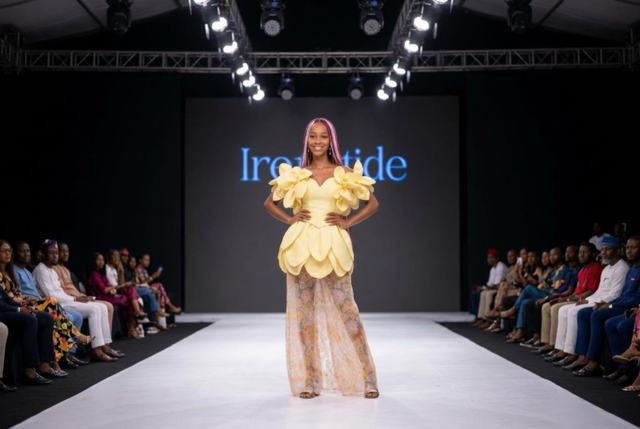
READ: Iremitide Fashion Brand: The Art of Occasionwear and Dramatic Elegance
The Business Challenges of Experimental Fashion
An experimental design approach can create a strong identity, but it also introduces practical challenges. Unusual materials may require additional testing. Dramatic silhouettes can demand specialised construction. Elaborate surface treatments and complex presentations may increase production costs.
The designer must also decide how a runway concept relates to the garments that customers can realistically purchase and wear. A highly sculptural piece may function primarily as an artistic statement, while other pieces from the same collection may be adapted for more regular use. Both can have a place within a fashion business, but the intended purpose needs to be clear.
This balance is particularly important for an emerging label. A distinctive creative identity can attract attention, yet a sustainable business also needs reliable production, clear pricing, customer communication and a way to manage demand. If a garment takes a long time to produce, its price and delivery schedule must reflect that reality.
There is also the question of growth. A designer may want to expand the audience for the work without losing the experimental qualities that make the brand recognisable. That can involve deciding which elements should remain central and which can be adapted for different customers or production conditions.
I believe commercial success and artistic integrity do not need to be treated as opposites. A fashion business needs to make enough money to sustain its work, while the creative practice needs room to develop. The challenge is to find a model that allows both to continue.
Oshobor’s emphasis on unusual materials, dramatic silhouettes and narrative presentation gives the label a distinct direction. The long term task is to translate that direction into a durable creative and commercial practice without reducing the work to a formula.
What Oshobor fashion brand Contributes to Nigerian Fashion
Oshobor offers a perspective on Nigerian fashion that combines cultural references, emotional storytelling and experimental construction. Peter Oshobor’s work demonstrates how a designer can approach clothing as both a material object and a means of exploring identity.
The collections Night Has Come and A Different Kind of Human provide examples of this approach. The first used contrasts between Nigerian lace, wool and an upcycled sculptural dress to explore atmosphere and vulnerability. The later collection continued the discussion through mystery, transformation, textured materials and theatrical movement.
I find the wider significance in the questions these collections raise. What happens when a familiar material is used in an unexpected way? How can clothing alter the way we perceive the body? How can cultural heritage inform contemporary design without becoming a rigid set of rules? And how can a collection communicate an emotional idea while remaining grounded in technical skill?
These questions matter because fashion is a field in which innovation often comes from crossing boundaries. Designers may move between art and clothing, traditional references and contemporary forms, personal experiences and public presentation. The results can expand the audience’s understanding of what a garment is capable of doing.
At the same time, experimentation requires discipline. A strong concept must be supported by construction, material knowledge and clear creative decisions. A dramatic runway moment may attract attention, but the depth of a design practice becomes clearer through the relationships between its collections and the questions it continues to explore.
Oshobor’s work contributes to the variety of Nigerian fashion by making space for garments that are theatrical, emotionally charged and materially unconventional. It demonstrates that contemporary African design can draw on cultural memory while developing forms that are not limited to familiar expectations.
The future of the brand will depend on its ability to continue developing that visual language while supporting the practical realities of production and business. For the wider industry, its work offers a reminder that fashion can be both wearable and experimental, both connected to history and open to change.
Ultimately, Oshobor’s story is about transformation. It is about taking experiences, materials and cultural references and asking what they can become. That process is at the heart of creative work: seeing possibilities where others may see limits, then using skill and imagination to bring those possibilities into view.
The writer of this article does not claim to know the individuals named personally. The information about their backgrounds, as published on Global News Arena, is based on independent online research.
Are you interested in learning how to write professionally and earn money as a writer and content creator? Contact Auxi Chat today to start your writing journey immediately.
Need a professional website in 72 hours? Contact Auxi Chat
If you have an article, opinion piece, event or news story you would like published, Global News Arena would love to hear from you.