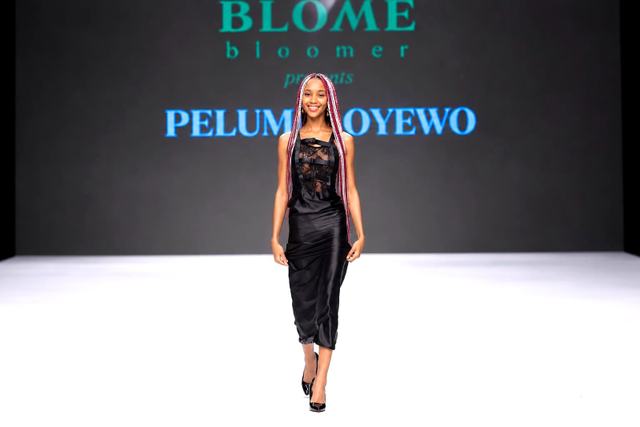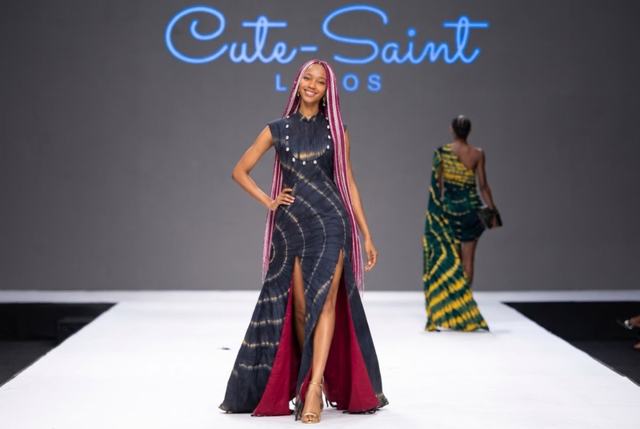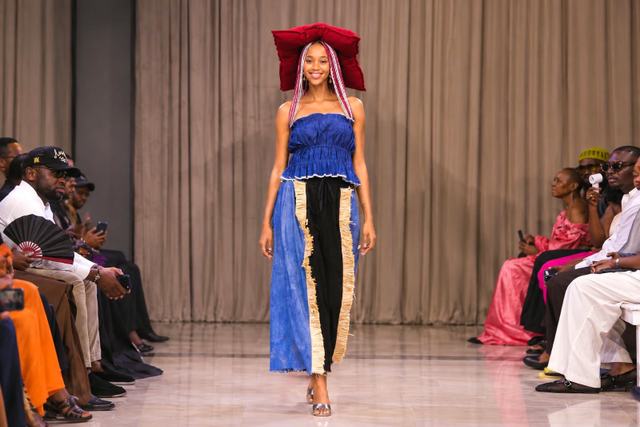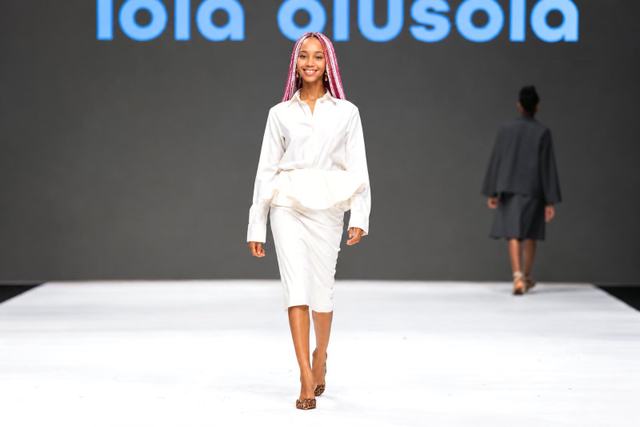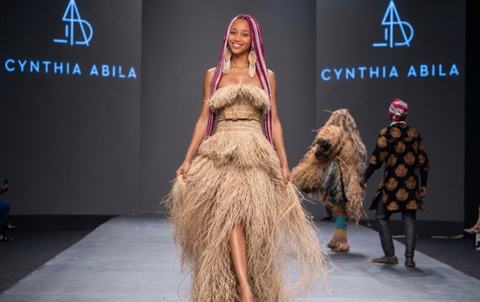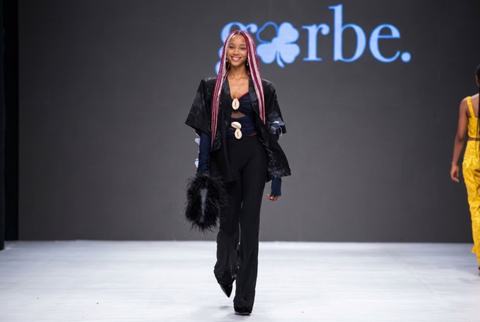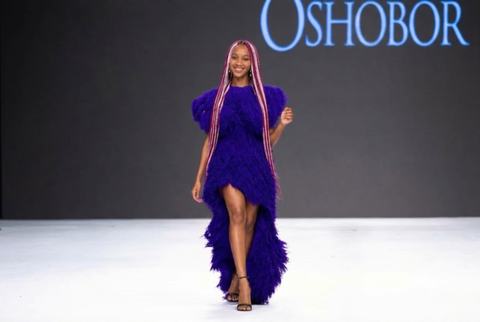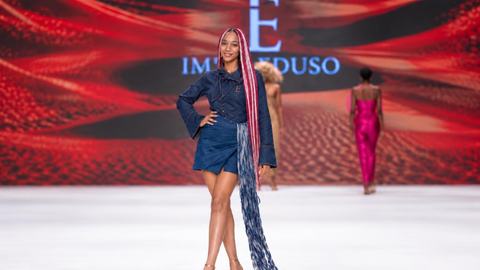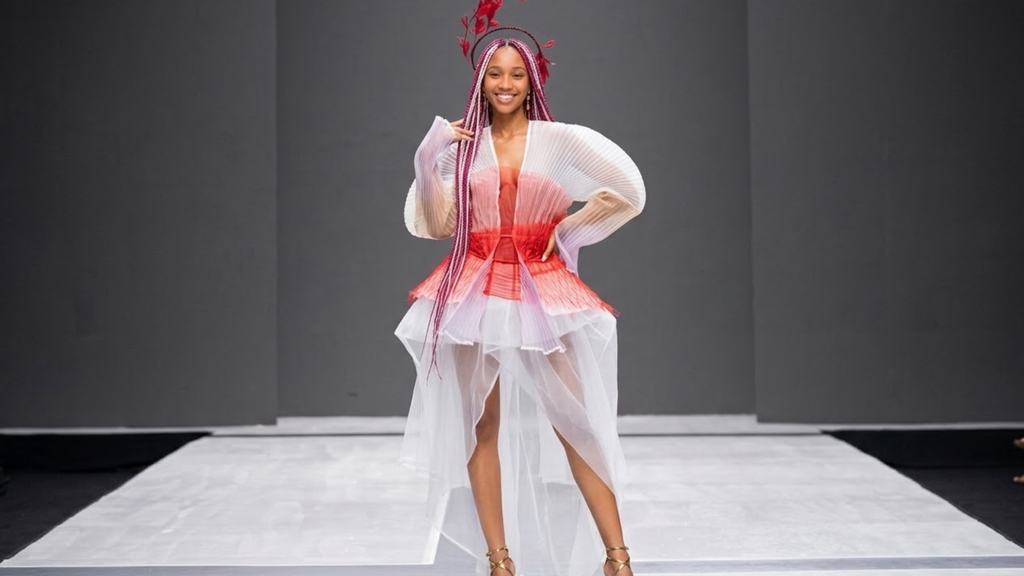
LFJ fashion and the Art of Dressing Beyond Convention
READ: Bloke fashion Pushes the Boundaries of African Knitwear With Experimental Design
Fashion can serve a purpose beyond covering the body or following seasonal trends. It can become a form of personal expression, allowing people to communicate ideas, explore identity and challenge expectations about how clothing should look and feel. Nigerian label LFJ approaches design from this creative perspective, developing pieces that bring artistic experimentation into the experience of dressing.
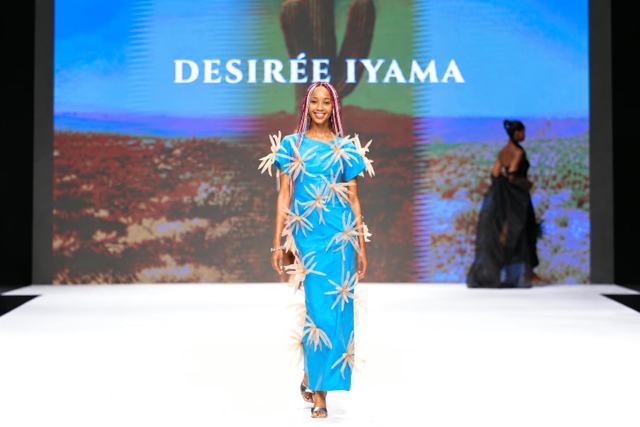
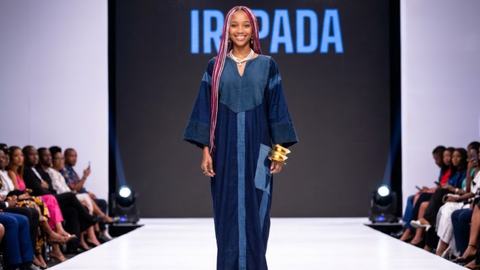
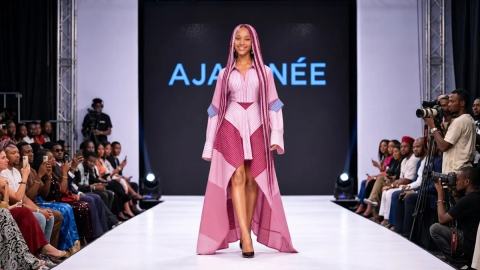
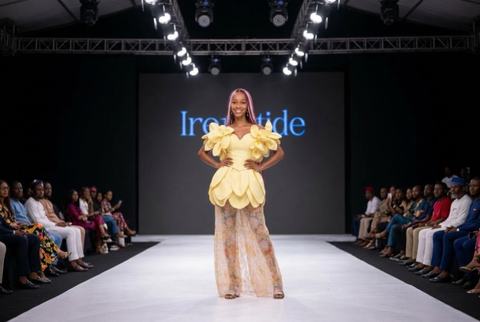
Known for its distinctive use of pleating, unconventional forms and expressive silhouettes, LFJ treats clothing as an opportunity to explore the relationship between structure and movement. Rather than relying exclusively on familiar garment shapes, the label experiments with construction to create pieces that can attract attention through their form, texture and visual character.
READ: Cute-Saint Fashion Brand: Muftau Femi Ajose and the Stories Clothing Can Preserve
This approach positions the brand within a contemporary fashion movement that places individuality at the centre of design. Clothing becomes more than a response to established dress codes; it becomes a way for the wearer to communicate a personal point of view.
LFJ’s creative identity also reflects the growing visibility of genderless fashion in Nigeria and across the international industry. By developing designs that are not confined strictly to traditional expectations of menswear and womenswear, the label invites a broader interpretation of how people can use clothing to express themselves.
As Lagos Fashion Week provides a platform for designers working across different aesthetics, LFJ contributes an experimental voice that places imagination, craftsmanship and self-expression at the centre of the fashion conversation.
The Designer Behind LFJ
LFJ was founded by Nigerian designer Princess Juliet Olanipekun, also known as Lovefromjulez. Her creative vision centres on the development of distinctive fashion pieces that combine unconventional styling with a strong artistic identity.
The label’s approach reflects an interest in the possibilities of clothing as a creative medium. Rather than treating fashion exclusively as a commercial product shaped by conventional trends, LFJ explores how design can create a sense of character through unusual construction, deliberate proportions and expressive details.
This philosophy is reflected in the brand’s focus on genderless pieces and its experimentation with pleats. Pleating can change the way fabric behaves, creating repeated folds that introduce rhythm, texture and movement. When developed through different scales and arrangements, the technique can influence both the surface and the structure of a garment.
Olanipekun’s work brings these technical possibilities into a design language intended to make the wearer stand out. The resulting pieces can possess a sculptural quality, allowing garments to occupy a space between everyday clothing and wearable art.
The designer’s creative identity also reflects a willingness to move beyond the most familiar definitions of elegance. Rather than relying only on conventional tailoring or traditional notions of femininity, the brand explores more experimental forms that encourage audiences to consider different relationships between clothing and the body.
This commitment to individuality gives LFJ a recognisable direction within a fashion landscape where many labels compete for attention through rapidly changing trends.
Pleating as a Signature of Creative Expression
Pleating is one of the defining elements associated with LFJ. Although the technique has a long history in clothing construction, it continues to offer designers opportunities to experiment with texture, shape and movement.
A pleat can be used to create a subtle detail or become the central feature of an entire garment. Its effect depends on the fabric, the depth and arrangement of the folds, and the way the finished piece is constructed.
In experimental design, pleating can help transform a flat piece of material into a form with greater visual depth. The folds catch light differently, creating patterns of shadow and texture that change as the wearer moves.
This relationship between fabric and movement is particularly important for garments designed to make a visual statement. A piece may appear structured when viewed from the front but reveal a different quality when the wearer turns or walks. The garment therefore becomes an active part of the presentation rather than a static object.
For a label such as LFJ, pleating also offers a way to develop consistency across collections without repeating the same silhouettes. The technique can be adapted to skirts, tops, dresses and other pieces, creating a shared visual language while leaving room for experimentation.
The challenge is to ensure that the technical details support the intended form. Pleats must be considered in relation to fabric weight, movement and finishing so that the garment remains functional as well as visually interesting.
When handled with care, this process can turn a familiar construction technique into a defining element of a contemporary fashion identity.
Genderless Fashion and the Freedom to Experiment
Traditional fashion categories often divide clothing into menswear and womenswear, shaping everything from retail organisation to the silhouettes presented in collections. While these categories continue to serve many consumers, designers are increasingly exploring alternatives that allow garments to be understood through form, function and individual preference.
LFJ’s interest in genderless design reflects this wider development. The approach focuses on clothing that can be appreciated and worn without relying exclusively on conventional gender expectations.
Genderless fashion does not mean that every garment must look the same or that individual preferences cease to matter. Instead, it creates space for people to choose clothing according to their personal style, comfort and interpretation of design.
Experimental silhouettes can contribute to this freedom. An oversized garment, sculptural skirt or unconventional top may be styled in different ways depending on the person wearing it. The garment’s identity emerges through the interaction between its construction and the wearer’s choices.
For designers, this approach creates opportunities to reconsider established assumptions about proportions, fit and presentation. A familiar garment can be reworked, while a new form can be developed without needing to conform to an established category.
For consumers, it can encourage a more individual approach to dressing. Instead of selecting pieces solely because they belong to a particular section of a store, shoppers can focus on how a garment aligns with their identity and how they want to present themselves.
LFJ’s creative direction contributes to this conversation by using experimental design to encourage personal expression and broaden the possibilities of contemporary Nigerian fashion.
Where Fashion Meets Wearable Art
The distinction between clothing and art becomes less straightforward when designers begin to prioritise unusual forms, sculptural construction and conceptual ideas.
Wearable art brings artistic expression into garments that can be experienced through movement and use. Unlike a static object, clothing changes with the wearer, creating different visual effects as the body moves through space.
LFJ’s interest in unconventional shapes and expressive construction places its work within this broader creative territory. A garment can become a conversation starter through its silhouette, surface details or unexpected arrangement of material.
Such designs also challenge the idea that clothing must always follow the most familiar standards of commercial practicality. While functionality remains important, experimental pieces may place greater emphasis on creating a distinctive visual statement.
This does not necessarily make them inaccessible to everyday dressing. The way a piece is styled, combined with simpler garments or adapted for a particular occasion, can influence how it is worn.
The value of artistic fashion lies partly in its ability to expand the range of possibilities available to both designers and consumers. It encourages audiences to consider why clothing looks the way it does and how design decisions shape the experience of wearing it.
For emerging designers, this kind of experimentation can help establish a recognisable identity. It allows a label to build a visual language that audiences can associate with its approach to form, texture and creative expression.
The Importance of Craftsmanship in Experimental Design
Experimental fashion may appear spontaneous, but distinctive construction often depends on detailed technical work. Unusual silhouettes require designers to understand how fabric behaves, how garments interact with the body and how individual components can be assembled into a coherent form.
Pleating, in particular, requires careful consideration of material properties. Different fabrics respond differently to folding, pressure and movement. The success of a pleated design depends on whether the material can support the intended effect and maintain its appearance during wear.
Architectural shapes present their own challenges. Designers must consider balance, weight and proportion to ensure that a garment holds its intended form while remaining wearable.
These technical demands make craftsmanship an important part of LFJ’s design identity. The creative idea may establish the direction of a piece, but the execution determines whether the finished garment achieves its intended effect.
Craftsmanship also provides a connection between artistic experimentation and the practical realities of production. A design must be translated into patterns, materials and construction methods that can produce the desired result.
For Nigerian fashion, investment in these skills can support the development of brands that compete through originality and quality rather than relying exclusively on trends or branding.
The combination of creative ambition and technical knowledge gives experimental fashion its strength. It allows unusual ideas to move from initial sketches into finished pieces that can be presented, worn and interpreted by an audience.
LFJ fashion and the Changing Face of Nigerian Fashion
Nigeria’s fashion industry includes designers working across a wide range of styles, from heritage-inspired textiles and contemporary tailoring to streetwear, couture and experimental fashion.
This diversity is important because it demonstrates that Nigerian design cannot be reduced to one aesthetic. Different designers respond to different influences, audiences and creative ambitions, contributing to a fashion landscape that continues to evolve.
LFJ adds to this variety through its focus on unconventional construction, expressive forms and genderless design. Its approach demonstrates how a label can develop a distinctive identity by exploring techniques and silhouettes that challenge familiar expectations.
The growth of platforms such as Lagos Fashion Week also creates opportunities for these different approaches to reach audiences. Runway presentations allow designers to communicate ideas through movement, styling and visual storytelling in ways that may be difficult to convey through individual product photographs.
For brands, these platforms can support recognition and open conversations with customers, retailers, stylists and other industry professionals. However, long-term development still depends on the ability to maintain quality, understand an audience and translate creative identity into a workable business.
LFJ’s artistic direction offers an example of how Nigerian designers can explore originality while contributing to a broader international conversation about contemporary fashion.
Why LFJ Deserves Attention at Lagos Fashion Week
LFJ’s presence at Lagos Fashion Week brings attention to a design philosophy that values experimentation and individuality. Through its exploration of pleating, architectural forms and genderless fashion, the label challenges audiences to reconsider familiar ideas about how clothing should be designed and worn.
The work associated with Princess Juliet Olanipekun illustrates how a clear creative vision can become the foundation of a recognisable brand. By approaching garments as opportunities for artistic expression, LFJ creates room for fashion to communicate ideas as well as provide practical clothing.
Its emphasis on distinctive construction also highlights the importance of technical knowledge in turning unusual concepts into finished designs. Creativity and craftsmanship work together to give the garments their intended form and visual impact.
For the wider Nigerian fashion industry, this approach reinforces the value of creative diversity. Not every designer needs to pursue the same silhouettes or respond to the same trends. A strong fashion ecosystem benefits from labels that explore different possibilities and give audiences more ways to understand personal style.
LFJ’s contribution is a reminder that clothing can be both functional and imaginative. Through experimental design, the brand encourages wearers to treat fashion as an opportunity to express individuality rather than simply follow established rules.
The writer of this article does not claim to know the individuals named personally. The information about their backgrounds, as published on Global News Arena, is based on independent online research.
Are you interested in learning how to write professionally and earn money as a writer and content creator? Contact Auxi Chat today to start your writing journey immediately.
Need a professional website in 72 hours? Contact Auxi Chat
If you have an article, opinion piece, event or news story you would like published, Global News Arena would love to hear from you.