Cute-Saint Fashion Brand: Where Childhood Memory Meets Contemporary Design
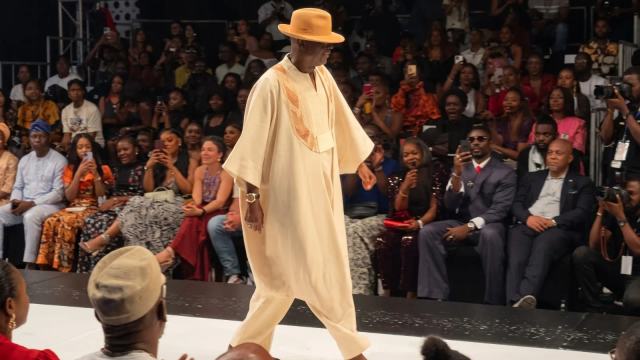
READ: Sanwo-Olu walks the runway at Lagos Fashion Week 2026
Fashion can preserve a memory in an unexpected way. A colour may recall a childhood celebration, a particular sound may bring back a familiar street, and a garment can remind someone of the people and traditions that shaped their early understanding of the world. Designers sometimes draw on these experiences to create clothing that carries more than a visual idea.
The Cute-Saint fashion brand, founded by Nigerian designer Muftau Femi Ajose, takes this relationship between memory and clothing into contemporary fashion. The label describes itself as a sustainable, genderless African brand concerned with telling stories through colours, textures, shapes and lines. Its designs draw on locally produced fabrics, batik and the work of artisans, while seeking a balance between expressive design and affordability. The brand’s official biography identifies cultural storytelling and responsible production as central parts of its approach.
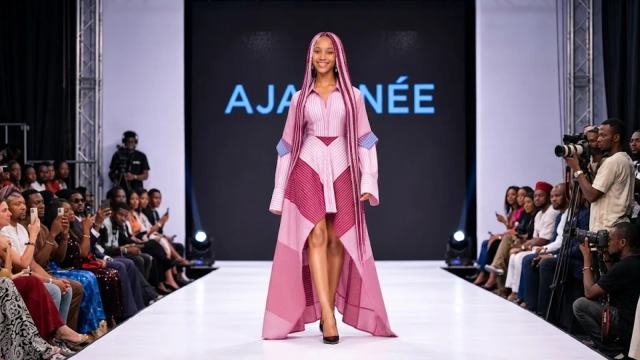
READ: Ajanée Fashion Brand: Luqman Ajani’s Vision of Individuality and Reuse
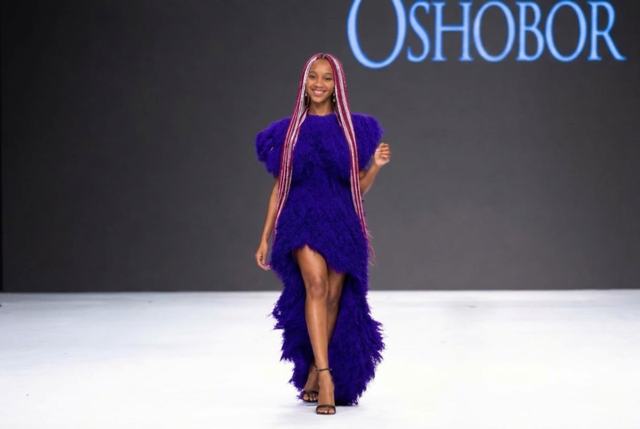
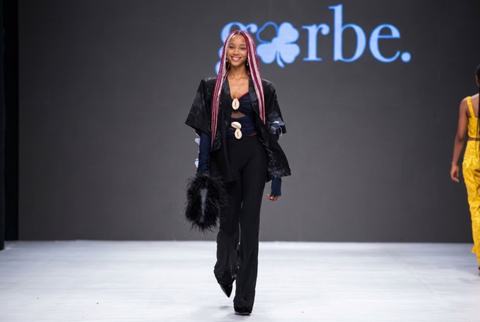
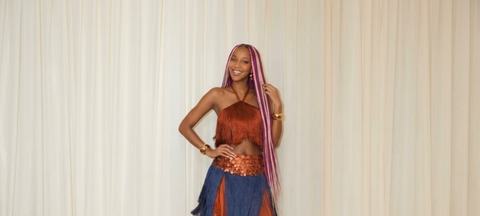
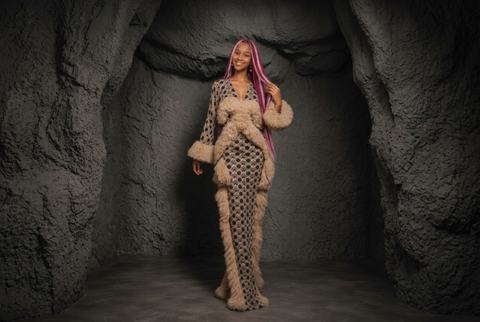
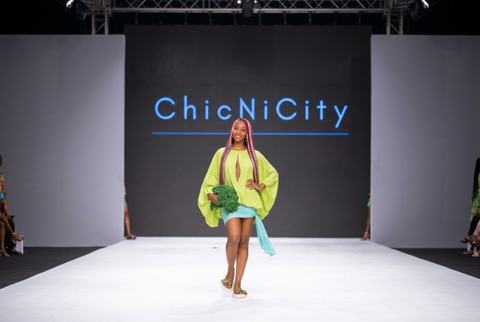
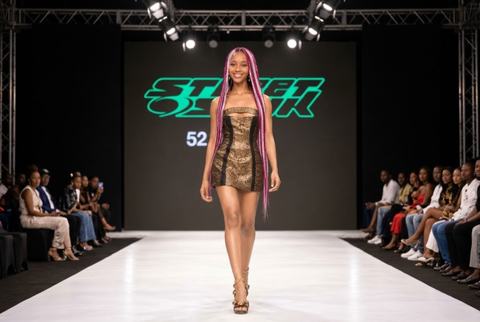
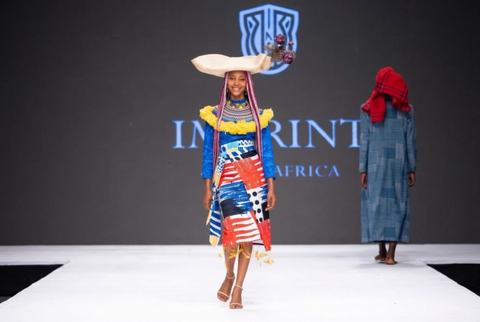
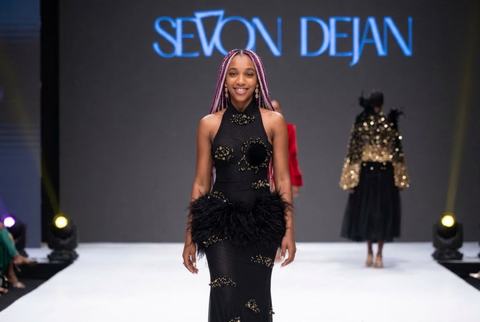
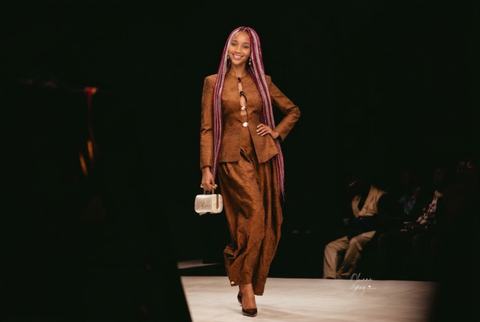
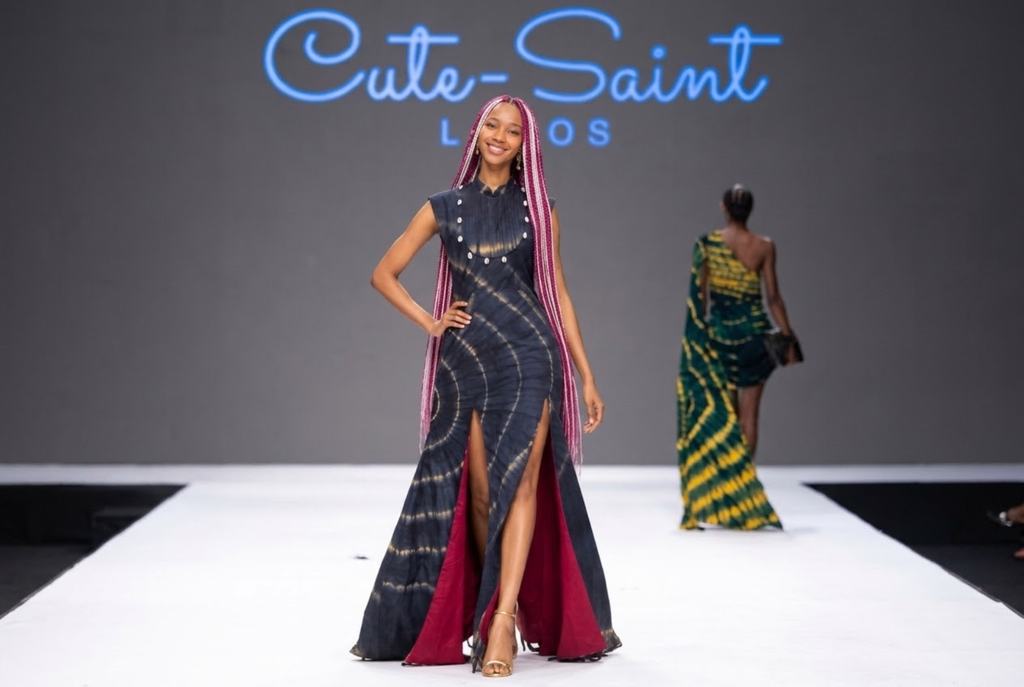
At Lagos Fashion Week 2026, Cute-Saint presented its Spring/Summer 2027 collection, Mo Sá, Mo Wò. BellaNaija Style reported that the title translates as “I ran, I watched” and that the collection draws on Ajose’s childhood memories and the cultural heritage of the Egungun tradition. Exaggerated silhouettes, expressive volume, vibrant colours and intricate layering helped translate those influences into contemporary clothing.
I find this connection between personal memory and cultural tradition particularly meaningful. Fashion can become a way to revisit the past without simply reproducing it. A designer can remember a visual experience, reinterpret its movement or atmosphere, and translate it into a garment that belongs to the present.
Muftau Femi Ajose and the Foundation of Cute-Saint fashion brand
Muftau Femi Ajose founded Cute-Saint with an interest in telling African stories through clothing. The label’s official biography presents its purpose as bringing together traditional knowledge and contemporary life, using clothing to create connections between culture, craftsmanship and personal expression.
The brand’s design approach is genderless, meaning its creative identity is not restricted to the conventional separation of clothing into strictly male or female categories. That does not mean every garment will suit every wearer in exactly the same way. It means the label approaches design with an interest in forms and styling that can move beyond familiar gendered expectations.
This is a significant creative choice because clothing is often organised by assumptions about who should wear particular shapes, colours and silhouettes. A genderless approach allows designers to reconsider those conventions and focus on proportion, material, movement and individual preference.
Ajose’s work also reflects the role of cultural references in developing a recognisable design identity. The brand uses batik and locally produced materials as part of a wider visual language. Those materials can carry a sense of place, but the final garments are shaped through contemporary decisions about cut, layering and proportion.
I believe the strongest design identities emerge when a label has a clear point of view without becoming trapped by one formula. Cultural heritage can offer a foundation, while each new collection can explore a different part of that foundation. The challenge is to preserve a recognisable identity while allowing the creative practice to grow.
Mo Sá, Mo Wò
: The Meaning of Childhood Memories
The title Mo Sá, Mo Wò offers a glimpse into the emotional starting point of Cute-Saint’s Spring/Summer 2027 collection. The phrase, translated in BellaNaija Style’s coverage as “I ran, I watched”, connects the presentation to memories of childhood and the experience of observing cultural traditions.
Childhood memories can remain vivid because they are formed through the senses. The movement of performers, the sound of drums, the colours of costumes and the reactions of people watching can create a powerful impression. A designer returning to those memories may not be attempting to recreate a specific event exactly. Instead, the goal may be to capture the feeling of being present and watching something that seemed extraordinary.
This is where fashion storytelling becomes interesting. A garment cannot reproduce an entire childhood experience, but it can translate parts of that experience into form. A wide silhouette might suggest movement. Layered fabric can create a sense of changing surfaces. A vivid print may recall the intensity of a visual memory, while the relationship between different pieces can establish a rhythm across the collection.
The title also introduces a distinction between participating in an event and observing it. Running and watching suggest different relationships to the same experience. One involves movement and involvement, while the other involves attention and interpretation. Together, they can express the way memories are formed from both what a person does and what they see.
I find this a useful way to understand the collection’s stated inspiration. Rather than treating childhood as a simple nostalgic theme, the designer uses memory as a source of creative questions. What stays with us from the past? How do we reinterpret those experiences as adults? And how can a private memory become something an audience can recognise or respond to?
The Egungun Tradition and Cultural Interpretation
The Egungun tradition holds an important place in Yoruba cultural life and is associated with ancestral remembrance, masquerade performance, elaborate costumes and public ritual. In the context of Cute-Saint’s collection, the tradition provides a cultural reference through which movement, volume, colour and visual presence can be reconsidered in contemporary fashion.
A responsible discussion of cultural inspiration must recognise that a tradition is more than its appearance. The costumes, performances and symbols associated with a cultural practice can carry meanings that depend on community knowledge and context. A runway interpretation may draw from the visual language of a tradition, but it should not be treated as a complete representation of the tradition itself.
Fashion designers can approach such references through shape, texture, layering and movement. An exaggerated silhouette may evoke the presence of a ceremonial costume without reproducing it. A bold pattern may create a connection through visual rhythm. Layering can give a garment an animated quality, changing how it looks as the wearer moves.
The distinction between interpretation and reproduction matters. A designer’s work belongs to a contemporary creative context, while the cultural tradition that inspires it has its own histories and practices. Recognising both allows audiences to appreciate the design while remaining aware that cultural references are not simply decorative objects.
Cute-Saint’s stated interest in telling African stories through clothing gives this approach a wider purpose. It treats cultural memory as something that can influence new design, while making space for a contemporary interpretation rather than a direct copy of historical dress.
Genderless Design, Volume and Movement
The exaggerated silhouettes and expressive volumes described in the Mo Sá, Mo Wò presentation also draw attention to the relationship between clothing and the body. Volume changes the outline of a garment, while layering introduces depth and movement. Together, these elements can produce a look that feels theatrical without losing its relationship to wearable design.
A genderless approach can make these choices particularly interesting. Instead of beginning with assumptions about what a men’s or women’s garment should look like, the designer can explore how fabric falls, how a sleeve changes proportion or how a layered piece moves around the body.
This does not eliminate the practical requirements of clothing. Fit, comfort, movement and durability still matter. A garment needs to function for the person wearing it, even when its silhouette is unconventional. The challenge is to balance expressive shape with the physical experience of wearing the piece.
I believe clothing becomes more inclusive when design choices are not limited by unnecessary assumptions. A person’s relationship with a garment may depend on comfort, identity, aesthetics or the way the clothing allows them to move. Genderless design can widen the space in which those preferences are considered.
Cute-Saint’s approach also shows how an expressive visual language can exist alongside a concern for responsible production. The brand states that it works with locally produced organic fabrics and batik made by skilled artisans. Its official materials also describe a pre-order sales model intended to reduce the amount of unsold production.
Craftsmanship, Batik and Responsible Production
Batik and other artisanal textile techniques contribute to Cute-Saint’s stated design philosophy. These processes require knowledge of materials and repeated practice. The result may contain variations that distinguish handmade production from a uniform industrial surface.
The value of such work extends beyond appearance. Craft techniques are forms of knowledge, often developed and maintained through communities of makers. When fashion brands work with artisans, the relationship can create opportunities for skills to remain in use and for the people who practise them to earn from their work.
However, the use of handmade textiles does not automatically guarantee ethical production. Fair labour, appropriate payment, reliable working conditions and clear communication remain important. A responsible fashion business must consider the welfare of the people who make the products, not simply the cultural significance of the materials.
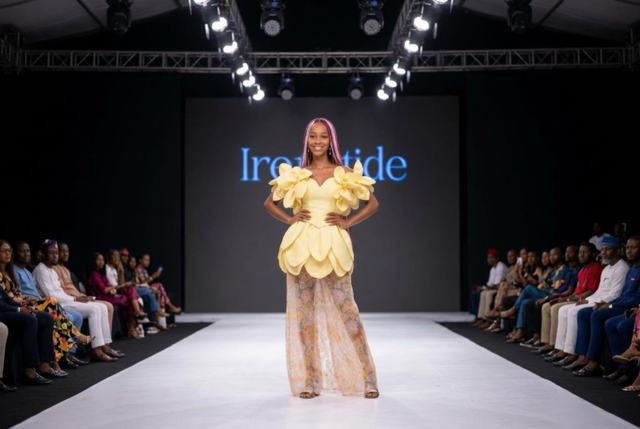
READ: Iremitide Fashion Brand: The Art of Occasionwear and Dramatic Elegance
Cute-Saint’s official profile says the brand considers artisan welfare and fair labour, and uses pre-orders to reduce unnecessary production. Pre-order models can help a business estimate demand before making garments, although their success depends on accurate planning, clear delivery expectations and dependable communication with customers.
Sustainability also involves understanding the full life of a garment. Material sourcing, production waste, transport, care and the possibility of repair or reuse all influence the overall impact. No single technique can resolve every environmental problem, but thoughtful decisions across the production process can make a difference.
I find it encouraging when sustainability is approached as a practical responsibility rather than simply a marketing phrase. The meaningful questions are how materials are sourced, how much is produced, how artisans are treated and what happens to clothing after it has been worn.
What Cute-Saint Adds to Nigerian Fashion
Cute-Saint brings together cultural storytelling, genderless design and a stated commitment to responsible production. Its Mo Sá, Mo Wò collection uses childhood memory and the Egungun tradition as sources of inspiration, translating those references into contemporary silhouettes, vivid colours and layered forms.
The collection also highlights the value of personal interpretation. A designer may draw on a cultural experience that has remained meaningful over many years, but the final work reflects the decisions made in the present. The past becomes a source of creative possibility rather than a fixed template.
I believe this is an important contribution to contemporary African fashion. The industry benefits when designers can engage with heritage in different ways, from preserving traditional techniques to experimenting with silhouettes or questioning conventional categories of clothing. These approaches are not mutually exclusive. They can exist together and serve different audiences.
The challenge for a brand such as Cute-Saint is to sustain its creative direction while maintaining the practical standards that customers expect. Strong storytelling needs to be matched by thoughtful construction, reliable production and a clear relationship with the people who make and wear the clothes.
Ultimately, Mo Sá, Mo Wò invites audiences to consider how memory can shape design. Clothing becomes a way of looking back while moving forward, preserving an impression of the past without being limited by it. That is one of fashion’s most enduring possibilities: the ability to turn an experience into a new form, and to allow that form to mean something different to each person who encounters it.
The writer of this article does not claim to know the individuals named personally. The information about their backgrounds, as published on Global News Arena, is based on independent online research.
Are you interested in learning how to write professionally and earn money as a writer and content creator? Contact Auxi Chat today to start your writing journey immediately.
Need a professional website in 72 hours? Contact Auxi Chat
If you have an article, opinion piece, event or news story you would like published, Global News Arena would love to hear from you.