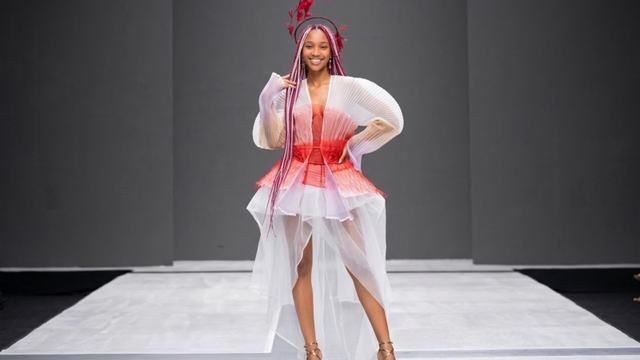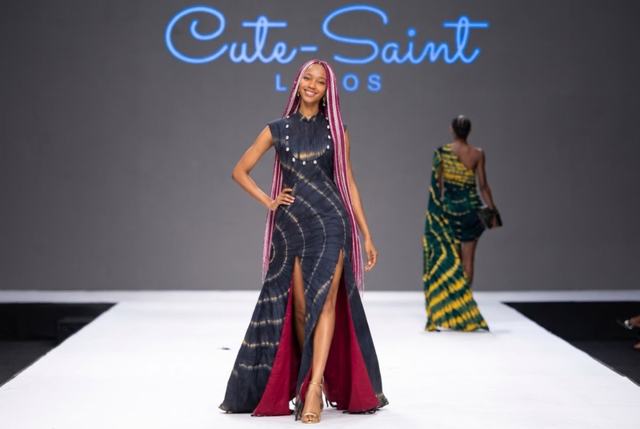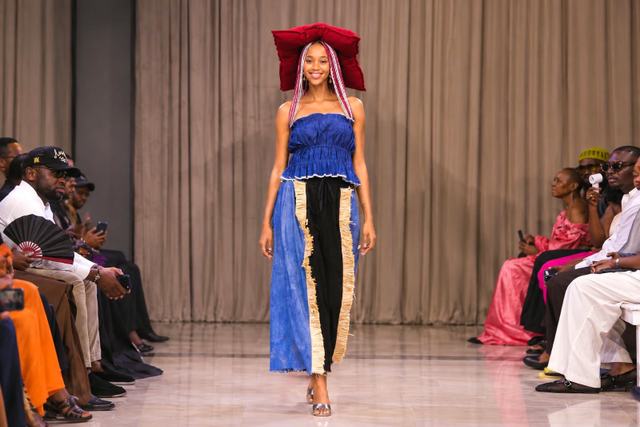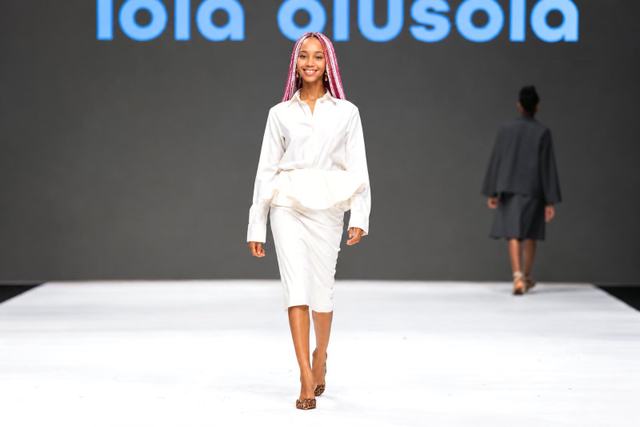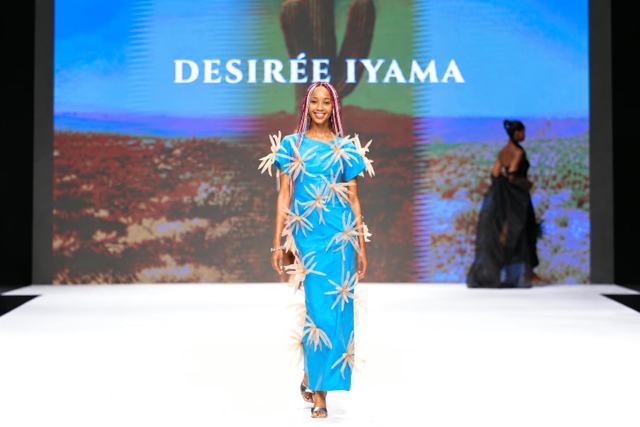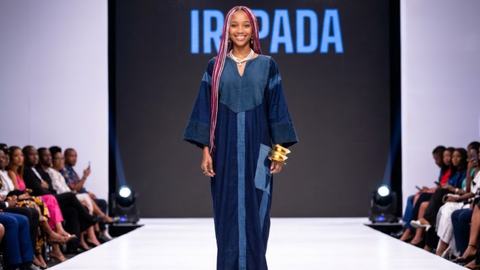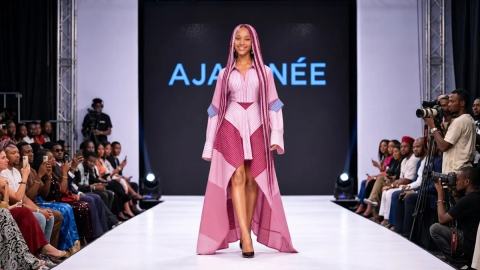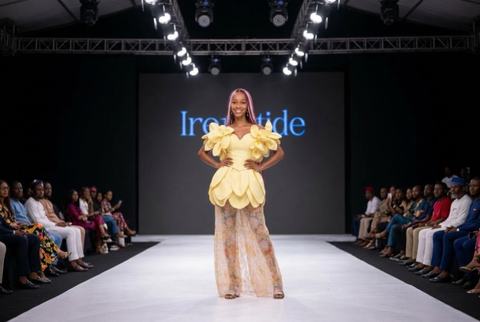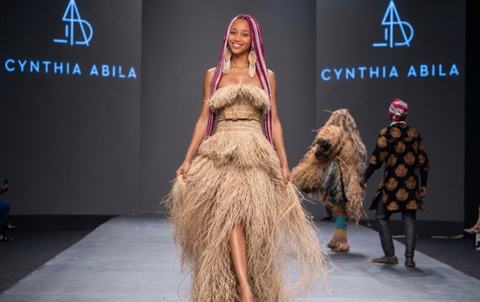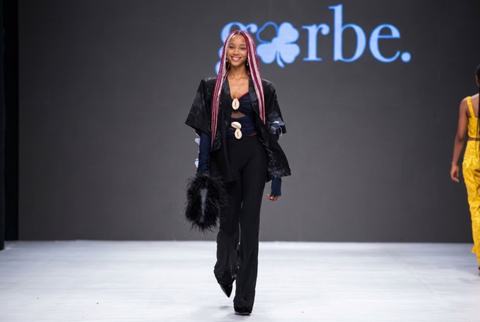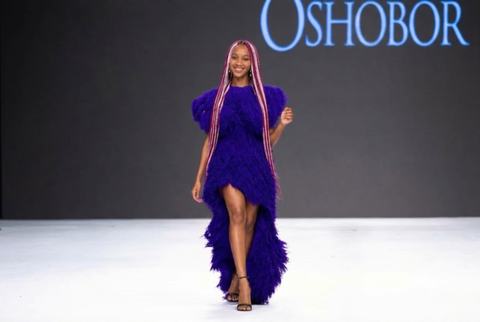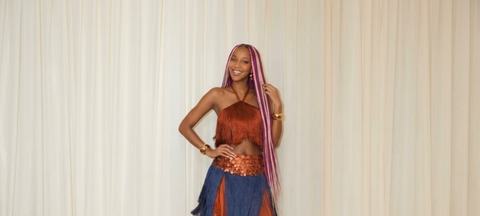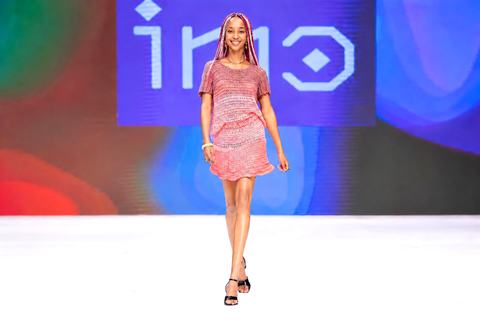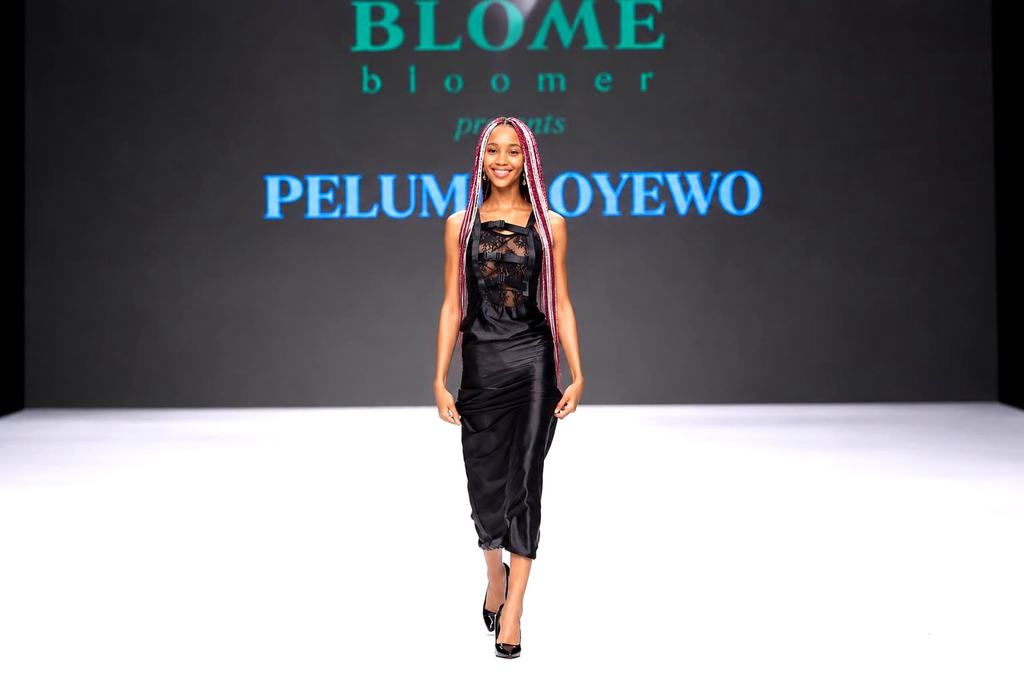
Bloke fashione Reimagines Knitwear Through Contemporary African Design
READ: LFJ fashion Turns Fashion Into Wearable Art Through Experimental Shapes and Genderless Design
Knitwear occupies a distinctive position in fashion because it allows designers to explore the relationship between material, texture, construction and movement. Yet its potential extends far beyond the familiar sweaters and cardigans associated with everyday dressing. Through experimentation, knitted materials can become sculptural, expressive and architectural, creating garments that challenge conventional expectations of what clothing can look like.
Nigerian fashion label Bloke has developed its identity around this creative possibility. Known for its unconventional approach to knitwear and its interest in artistic garment construction, the brand explores how a material often associated with familiar wardrobe staples can become a medium for more ambitious design ideas.
READ: Cute-Saint Fashion Brand: Muftau Femi Ajose and the Stories Clothing Can Preserve
Rather than limiting knitwear to traditional forms, Bloke treats it as an opportunity to experiment with texture, silhouette and the relationship between clothing and the body. The resulting approach combines an interest in craftsmanship with a distinctive visual language that moves between wearable fashion and artistic expression.
The label’s emphasis on locally sourced materials and collaboration with Nigerian artisans also places its work within broader conversations about the future of African fashion. Its approach recognises that innovation can emerge through the reinterpretation of established skills as well as the development of entirely new techniques.
As Nigerian designers continue to explore the possibilities of contemporary fashion, Bloke offers a perspective that brings together material experimentation, cultural identity and a willingness to challenge familiar design conventions.
The Story Behind Bloke and Its Founder
Bloke was founded in 2015 by Nigerian designer Faith Oluwajimi, who established the label with an interest in creating thoughtfully developed garments and objects with an artistic and collectible character.
The brand’s design philosophy centres on an androgynous approach to fashion, experimental knitwear and an aesthetic that combines unusual forms with a sense of artistic playfulness. Its work also incorporates an underlying interest in spiritual consciousness, giving the creative direction a conceptual dimension beyond clothing alone.
Oluwajimi’s decision to focus on knitwear reflects an interest in a category that offers substantial room for experimentation within contemporary African fashion. Knitted structures can be adapted in numerous ways, allowing designers to explore volume, density, flexibility and texture.
These qualities make knitwear particularly suitable for a brand seeking to develop garments that do not always conform to conventional silhouettes. By experimenting with how knitted materials are constructed and arranged, a designer can create pieces that feel sculptural while retaining a relationship with the body.
Bloke’s development also reflects the importance of artisanal collaboration. The brand has worked with a small community of knitters, textile artists, local artisans and design groups in Nigeria, drawing on their skills to communicate its creative direction.
This approach places collaboration within the production process rather than treating it as a separate feature of the finished collection. The expertise of craftspeople can influence the construction, texture and final appearance of a garment, helping translate an experimental idea into a physical piece.
Through this combination of design ambition and local knowledge, Bloke has established a recognisable position within the Nigerian fashion landscape.
Knitwear Beyond the Ordinary
Knitwear is often associated with softness, warmth and practical dressing. However, the technique can produce a much wider range of visual effects depending on the yarn, structure and construction method used.
Different knitting techniques can create open or dense surfaces, introduce irregular textures or generate patterns that influence how a garment behaves. Changes in stitch, tension and material can affect everything from flexibility to the way light interacts with a finished piece.
For designers interested in experimental fashion, these qualities create opportunities to move beyond conventional knitwear categories.
Bloke’s creative approach uses knitwear as a starting point for broader design exploration. Instead of treating the material simply as a means of producing familiar wardrobe staples, the label investigates how it can contribute to unusual silhouettes and distinctive surface details.
A knitted garment can be shaped to create volume, layered with other materials or constructed to introduce contrast between different sections of the body. Texture can become a prominent visual feature, while the overall silhouette can give the piece a sculptural character.
These decisions change the way audiences experience knitwear. The material becomes an active part of the design rather than a background element, helping determine the garment’s identity.
Such experimentation also demonstrates the importance of understanding the relationship between material and form. A successful design must account for how the knitted structure responds to movement, gravity and repeated use. A garment that looks striking on a model must also be considered in terms of its construction and intended purpose.
By exploring these possibilities, Bloke challenges the assumption that knitwear must remain within a narrow set of familiar styles.
Androgynous Fashion and the Freedom of Personal Style
Bloke’s androgynous design direction reflects a broader shift in fashion towards more flexible interpretations of clothing and identity.
Traditional fashion categories have often separated garments according to conventional ideas about masculinity and femininity. While these distinctions continue to influence much of the industry, designers increasingly experiment with silhouettes that allow wearers to make individual choices without being restricted by established categories.
Androgynous fashion creates space for this exploration by bringing together elements that may traditionally have been associated with different forms of dressing. It can involve relaxed tailoring, unusual proportions, experimental textures and silhouettes that prioritise the garment’s design qualities over conventional gender classifications.
Bloke’s interest in this approach complements its focus on knitwear. The flexibility of knitted materials can support a range of shapes, making them suitable for designs that challenge familiar expectations about how garments should fit or appear.
This does not mean that every piece must be designed for every wearer in the same way. Instead, the approach creates more possibilities for people to interpret clothing according to their preferences.
For consumers, such designs can encourage a more personal relationship with fashion. Rather than selecting garments solely according to established categories, wearers can focus on texture, shape, comfort and the kind of expression they want their clothing to communicate.
For designers, the approach also creates opportunities to question assumptions that may limit creative experimentation. It allows the garment’s construction and artistic direction to take a more prominent role in determining its identity.
Bloke’s design philosophy reflects this willingness to approach fashion through individuality and creative freedom.
Local Artisans and the Importance of Craftsmanship
Craftsmanship is an important part of Bloke’s identity because knitwear requires specialised knowledge and an understanding of how different materials behave.
Knitting involves more than producing a surface of interlocking loops. The choice of yarn, stitch structure, tension and finishing can all affect the appearance and performance of the finished garment.
When a designer is developing unconventional silhouettes, these technical considerations become even more important. The material must support the intended shape while responding appropriately to movement and wear.
Working with experienced knitters and textile artists can provide access to knowledge that helps solve these challenges. Their understanding of materials and construction techniques can contribute to the development of designs that might be difficult to achieve through standard production methods.
Bloke’s collaborative approach places Nigerian artisans within this creative process. Their work helps connect the label’s artistic vision with the practical skills needed to produce its garments.
Such relationships are relevant to the wider Nigerian fashion industry, where the development of local manufacturing and craft capabilities can support both established brands and emerging designers.
Traditional and specialised skills do not need to remain confined to familiar products. They can also provide the foundation for contemporary experimentation, allowing craftspeople and designers to explore new applications for existing knowledge.
For the industry to benefit from these collaborations, however, the expertise of artisans must be recognised and appropriately valued. Meaningful partnerships depend on the quality of the work, clear communication and respect for the people contributing their skills.
Bloke’s emphasis on local collaboration highlights the potential of these relationships to support distinctive design and strengthen connections between creative businesses and the communities in which they operate.
Bloke and the Role of Material Experimentation
Fashion innovation is frequently associated with new technologies or newly developed materials. Yet designers can also achieve significant results by reconsidering how familiar materials are used.
Bloke’s focus on knitwear illustrates this alternative route to innovation. By exploring the structural and visual possibilities of knitted materials, the label demonstrates how a familiar category can become a platform for more experimental ideas.
Material experimentation can change the relationship between a garment and its wearer. Texture may influence the way a piece appears from a distance, while differences in weight and construction can affect how it moves. Layering can create depth, and unusual proportions can challenge established ideas about silhouette.
These qualities make the design process an exercise in both imagination and technical understanding. The designer must consider not only what a garment should look like but also how it will be constructed and how the material will behave once the piece is worn.
This process can help a brand establish a distinctive visual language. When a label repeatedly explores a particular material or technique in different ways, audiences may begin to recognise the approach as part of its creative identity.
For Bloke, knitwear provides this foundation. Its potential for texture, flexibility and sculptural construction allows the brand to explore multiple design directions while maintaining a connection to its central area of interest.
Fashion, Art and the Collectible Garment
Bloke’s interest in artistic and collectible design reflects another aspect of contemporary fashion: the idea that clothing can possess value through its creative concept as well as its practical function.
A garment designed with an experimental silhouette or unusual construction can invite audiences to engage with it as an artistic object. Its form, material and finishing may encourage closer attention to the decisions that shaped the piece.
This relationship between art and fashion is not new, but it continues to create opportunities for designers who want to move beyond familiar commercial categories.
Wearable art can combine visual impact with the physical experience of wearing a garment. Unlike a sculpture that remains in one place, clothing changes as the wearer moves, creating different perspectives and interactions with the surrounding environment.
For a brand working with knitwear, these possibilities can be especially interesting. The material can introduce softness, irregularity or volume, while the garment’s construction determines how those qualities interact with the body.
However, an artistic approach does not eliminate the importance of quality. Construction, finishing, comfort and durability remain important considerations, particularly when a garment is intended to be worn rather than displayed.
Bloke’s creative direction illustrates how these different considerations can coexist. Its approach allows the label to explore fashion as a medium for artistic expression while maintaining a connection to the practical process of making clothing.
Sustainability and Responsible Material Use
Sustainability has become an important subject in fashion because production decisions influence resource use, waste generation and the lifespan of clothing.
For designers working with specialised materials, responsible production requires consideration of how fabrics and yarns are sourced, how much material is needed and what happens to leftovers after manufacturing.
Bloke’s emphasis on locally sourced materials and artisanal collaboration offers a relevant starting point for considering these questions. Local production relationships can help designers develop a closer understanding of how materials are handled and how garments are made.
Nevertheless, local sourcing alone does not automatically establish that a garment is environmentally sustainable. The overall impact also depends on the origins of the materials, production methods, energy use, durability and end-of-life options.
For knitwear in particular, durability and care requirements can influence how long a garment remains useful. The construction must be appropriate for the intended design, while consumers need suitable guidance on washing, drying and storage.
Responsible material use also involves avoiding unnecessary waste where possible and considering whether leftover yarn or fabric can be incorporated into future projects.
These decisions demonstrate that sustainability can be part of the design process rather than a label applied only after a collection has been completed.
For Nigerian designers, this approach provides opportunities to explore the relationship between craftsmanship, resourcefulness and the development of commercially viable products.
Bloke’s interest in material experimentation and local creative collaboration contributes to this wider discussion about how the fashion industry can develop while paying closer attention to the resources and skills on which it depends.
Bloke’s Place in Contemporary African Fashion
African fashion includes a wide range of creative practices, from the use of indigenous textiles and traditional tailoring to contemporary streetwear, couture and experimental material design.
Bloke contributes to this diversity by focusing on knitwear and unconventional construction. Its approach demonstrates that contemporary African fashion can develop through the exploration of materials that are not always placed at the centre of the industry’s most familiar visual narratives.
This matters because the international perception of African fashion has often been shaped by a relatively narrow set of expectations. Designers working across different techniques and aesthetics help demonstrate the breadth of creative possibilities available throughout the continent.
Bloke’s work places Nigerian craftsmanship within a contemporary design context, showing how local skills can contribute to garments that explore form, texture and artistic expression.
Its androgynous direction also expands the conversation about how contemporary African clothing can be designed and worn. Rather than relying exclusively on conventional categories, the label explores the relationship between material, silhouette and individual identity.
These qualities contribute to a fashion landscape in which designers can develop distinct creative voices while engaging with international conversations about contemporary design.
For emerging labels, Bloke’s approach illustrates the importance of identifying a clear creative direction and developing it through consistent experimentation. A distinctive point of view can help a brand stand apart while giving its collections room to evolve.
Why Bloke fashion Deserves Attention at Lagos Fashion Week
Bloke’s presence at Lagos Fashion Week highlights the creative possibilities that emerge when designers challenge familiar assumptions about materials and silhouettes.
Founded by Faith Oluwajimi, the label has developed an identity around experimental knitwear, artistic construction, androgynous design and collaboration with Nigerian artisans. These elements combine to create a perspective that connects technical craftsmanship with contemporary fashion expression.
Its approach also draws attention to the people and skills involved in making clothing. The finished garment may be presented as a single design, but its development can depend on the expertise of knitters, textile artists and other professionals whose contributions shape the final result.
For the wider Nigerian fashion industry, this emphasis on material knowledge and local collaboration reinforces the importance of investing in creative capabilities. Designers can build distinctive brands by developing their own approaches to construction and working with craftspeople whose knowledge adds depth to the process.
Bloke’s exploration of knitwear also challenges the idea that innovation must always begin with a completely new material. Sometimes, a different understanding of an existing technique can open up an entirely new set of design possibilities.
Ultimately, the label demonstrates how fashion can combine artistic imagination, technical skill and cultural context. Through its experimental approach, Bloke continues to explore what Nigerian fashion can become when designers give themselves room to question convention and create beyond familiar boundaries.
The writer of this article does not claim to know the individuals named personally. The information about their backgrounds, as published on Global News Arena, is based on independent online research.
Are you interested in learning how to write professionally and earning money as a writer and content creator? Contact Auxi Chat today to start your writing journey immediately.
If you have an article, opinion piece, event or news story you would like published, Global News Arena would love to hear from you.