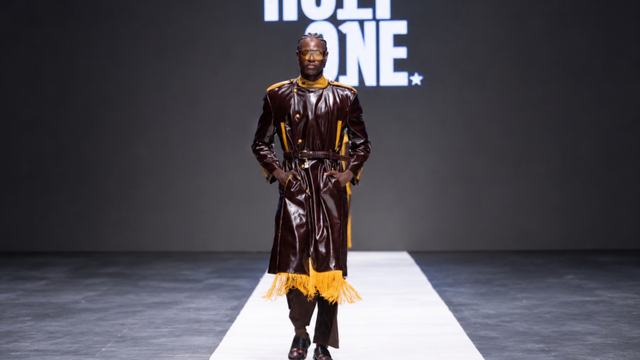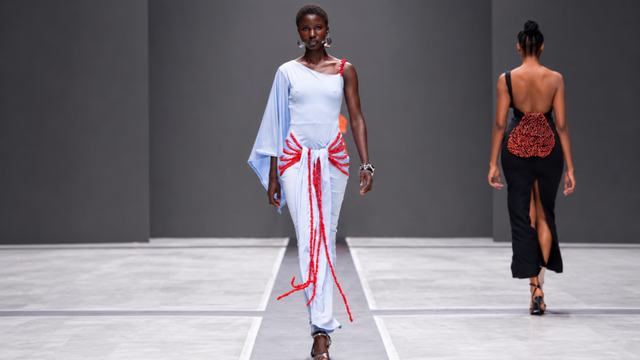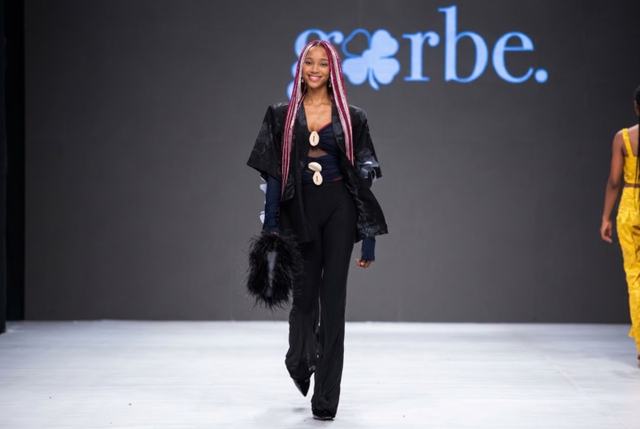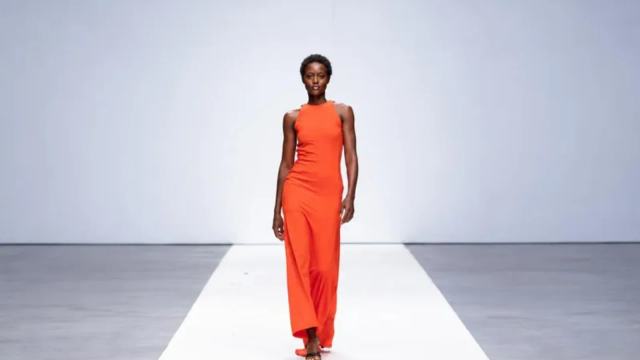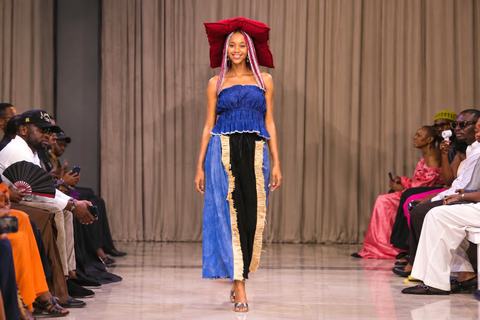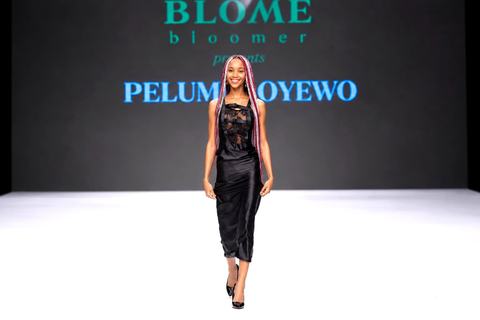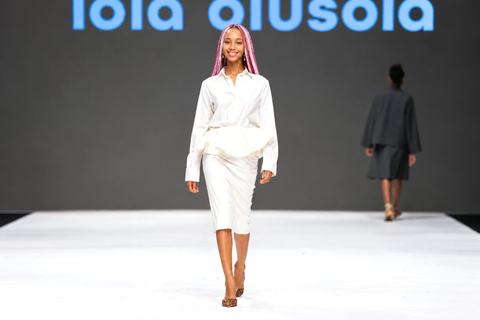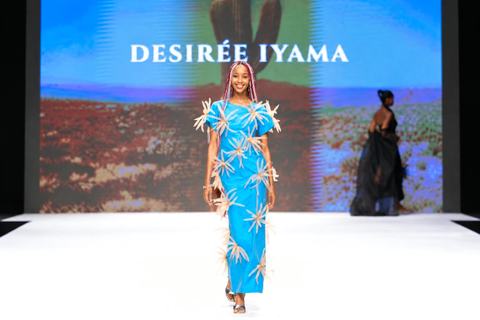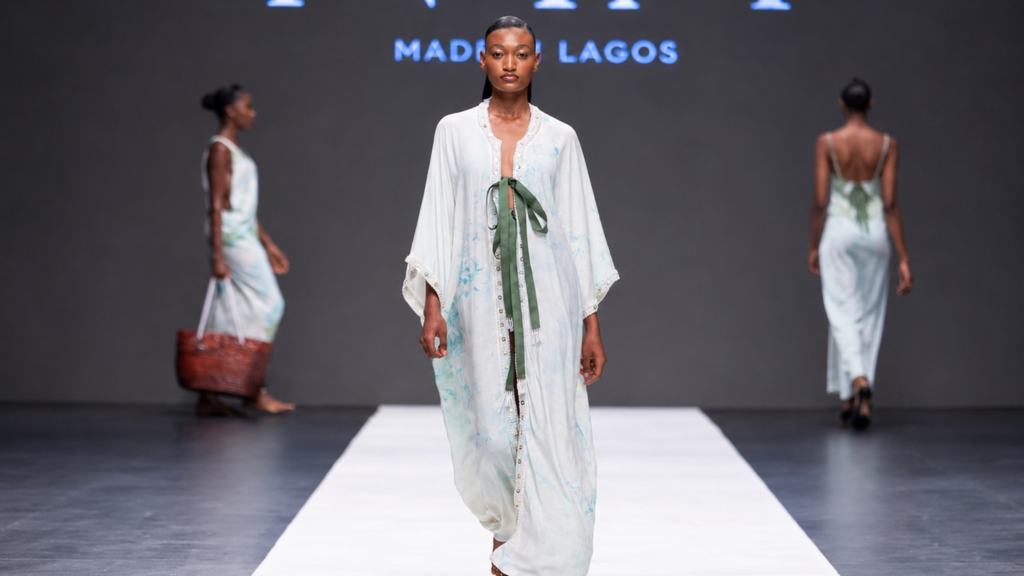
NYA Fashion and the Evolution of Contemporary African Design
READ: Holy One Fashion: Exploring Identity and Contemporary African Design
NYA fashion belongs in a wider conversation about the changing character of African fashion, an industry shaped by different creative perspectives, production methods and ideas about personal style. Across Nigeria and the wider continent, designers are exploring how clothing can combine visual identity with wearability, individuality and a contemporary understanding of culture.
Fashion is often presented as a sequence of trends, but the work of a designer involves much more than responding to what is popular. It requires an understanding of shape, texture, proportion, construction and the relationship between a garment and the person who wears it. Every decision influences how clothing looks and feels, and how an audience interprets the designer’s ideas.
READ: Malité Fashion: Craftsmanship and Contemporary African Style
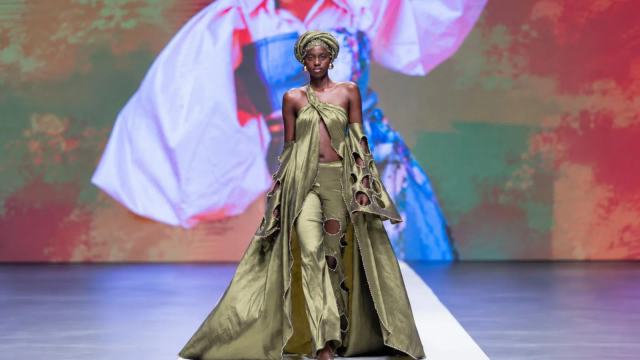
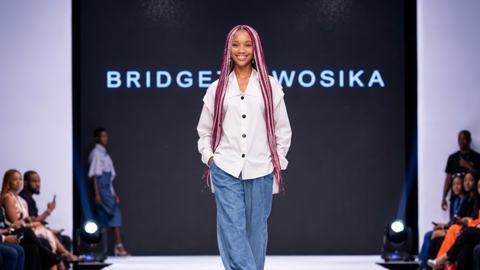
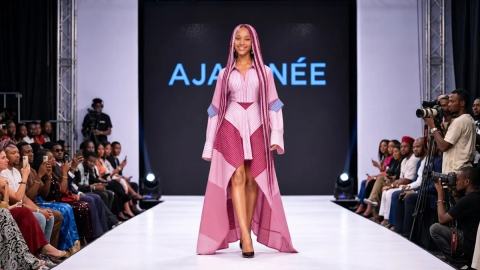
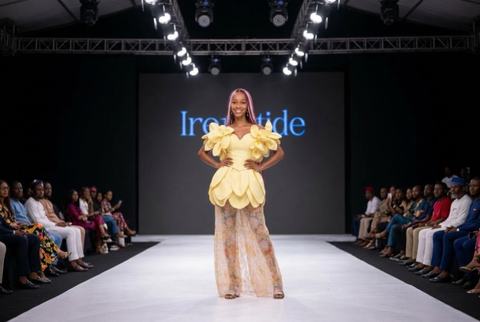
For a label appearing within the Lagos Fashion Week programme, the runway creates an opportunity to place its creative direction before a wider audience. It also gives fashion observers a chance to consider the variety of approaches represented within the industry. Rather than treating African fashion as a single style, it is more accurate to understand it as a collection of individual design languages that continue to develop alongside one another.
NYA’s inclusion in this broader conversation offers an opportunity to reflect on what makes a fashion identity recognisable and why the continuing presence of different labels matters to the development of the industry.
What Gives a Fashion Label Its Identity?
A fashion label’s identity is built through the choices that connect individual garments to a wider creative direction. These choices may involve silhouettes, textiles, colour, finishing, styling or the way pieces are presented. Over time, a combination of these elements can help an audience recognise a designer’s work.
Establishing this identity requires more than producing attractive clothing. Designers must decide what their work is intended to communicate and how that intention can be translated into garments. Some labels focus on precision tailoring, while others explore relaxed proportions, expressive colours, experimental shapes or the possibilities of traditional craft. Different methods can produce equally distinctive results.
Consistency does not mean repeating the same idea indefinitely. Fashion depends on development, and designers need room to experiment. A clear identity allows that experimentation to take place without making the label difficult to understand. The challenge is to evolve while preserving the qualities that make the work meaningful.
This process is especially relevant in an environment where audiences encounter new collections through runway shows, digital images and social media. A single photograph may attract attention, but a stronger relationship with a label develops when people can recognise the thinking behind its designs.
For readers considering NYA fashion within the wider industry, the useful questions concern the garments and their presentation: how do the pieces work together, what choices distinguish the collection, and how does the design approach relate to contemporary dressing?
Lagos Fashion Week as a Meeting Point for Creative Ideas
Lagos Fashion Week offers a shared platform for designers working across different areas of fashion. Runway presentations bring collections into a setting where their shapes, styling and construction can be observed together. The event also connects creative work with the wider network of people involved in fashion, including buyers, stylists, media professionals, photographers and consumers.
The value of such a platform extends beyond the immediate presentation. It creates opportunities for audiences to discover labels they may not previously have encountered and to compare the approaches shaping the industry. Designers can place their work alongside other perspectives without needing to adopt the same aesthetic.
For emerging and independent labels, visibility can be an important part of building recognition. However, participation in a major fashion event is only one aspect of the process. A brand also has to consider how garments are produced, how customers discover its products and how its creative direction can be sustained over time.
These practical questions are central to the fashion business. A compelling collection may establish interest, but consistent production, communication and customer relationships help transform attention into long-term development. The creative and commercial sides of fashion are closely connected, even when they require different skills.
NYA’s place in the programme therefore sits within a broader story about how designers use shared platforms to present their work and participate in the continuing development of contemporary African fashion.
The Relationship Between Clothing and Personal Expression
People use clothing to communicate aspects of their identities, although the meaning of an outfit can differ from one person to another. A tailored garment may suggest formality to one wearer and confidence to another. A relaxed silhouette may communicate comfort, creative freedom or a deliberate rejection of conventional dress codes.
Designers work within this relationship between the garment and the person wearing it. Their decisions influence the possibilities available to the wearer, from the way a piece moves to the occasions for which it might be appropriate. The strongest design choices often leave room for the individual to interpret the clothing rather than dictating one fixed meaning.
This is one reason contemporary fashion includes such a broad range of aesthetics. Some people prefer understated pieces that can be worn repeatedly in different combinations. Others enjoy dramatic proportions, unusual textures or garments that make a strong visual statement. Neither preference represents the entirety of modern style.
Fashion labels contribute to this diversity by developing different responses to the needs and interests of their audiences. A varied industry gives consumers more ways to express themselves and encourages designers to consider how clothing can function across different settings.
African Fashion Beyond Stereotypes
The phrase African fashion can describe an enormous range of creative practices, but it is sometimes used as though it refers to one fixed look. In reality, designers across the continent work with different materials, cultural references, construction techniques and ideas about modern life.
Some labels centre heritage textiles and artisanal methods. Others focus on contemporary tailoring, minimalism, experimental construction or luxury dressing. Many combine influences in ways that reflect their designers’ experiences and ambitions. This diversity is a defining feature of the industry, not an exception to it.
Global News Arena has also explored this range through its coverage of NKWO and sustainable African design. That feature provides a complementary perspective on how material choices and production considerations can influence a designer’s approach.
Considering different labels together helps readers understand the industry without assuming that every designer must communicate the same cultural message. A label’s identity should be assessed through its own work, its design decisions and the ideas it chooses to explore.
For NYA, the wider context is important because participation in an African fashion platform does not require a label to follow a prescribed visual formula. The industry benefits when designers can develop individual identities while contributing to a shared creative environment.
Craftsmanship and the Work Behind the Finished Garment
The public usually encounters a finished garment, but that final appearance is the result of several stages of work. Designers develop ideas, consider materials, refine patterns and make decisions about construction. Makers then translate those decisions into clothing, where the quality of the finishing can influence comfort, movement and durability.
READ: Garbe Fashion Brand: Colour, Print and the Freedom to Experiment
Material selection is particularly important because textiles behave differently. A fabric may hold its shape, fall softly, stretch or respond to movement in a particular way. The same design idea can therefore produce different results depending on the material chosen.
Proportion is another important consideration. A change in the length of a sleeve, the width of a trouser leg or the placement of a seam can alter the entire character of a garment. These details can appear small, but they contribute to the relationship between a designer’s intention and the finished piece.
For fashion labels, craftsmanship is also connected to consistency. Customers expect garments to reflect the standards communicated by the brand. Maintaining those standards while developing new ideas requires creative judgment and practical production knowledge.
Looking beyond the runway image makes it easier to appreciate this work. Fashion is not only a visual experience; it is also a process involving technical decisions, skilled labour and the careful translation of concepts into wearable objects.
Building a Fashion Identity in a Fast-Moving Industry
The contemporary fashion environment presents both opportunities and challenges. Digital platforms allow labels to reach audiences quickly, but the same environment exposes consumers to an enormous volume of competing images and products. Designers must find ways to communicate clearly without becoming entirely dependent on short-lived trends.
A recognisable design identity can help a label establish a more lasting relationship with its audience. That identity may develop through silhouettes, material choices, construction, styling or a particular understanding of the wearer. The important factor is not whether the label follows a specific aesthetic, but whether its choices work together in a meaningful way.
Long-term development also involves learning from each collection. Designers may refine their approach to materials, explore different proportions or reconsider how garments fit into the lives of their customers. Such changes can strengthen a label when they grow out of a clear creative direction.
NYA’s presence within the Lagos Fashion Week conversation is a reminder that the industry is made up of many distinct voices. Each label contributes to a wider environment in which ideas can be presented, compared and developed.
Ultimately, contemporary African fashion is best understood through its diversity. Its future depends on designers being able to explore individual perspectives, build sustainable creative businesses and make clothing that resonates with the people who wear it. The continuing visibility of different labels allows that conversation to remain open, varied and responsive to changing ideas about style.
The writer of this article does not claim to know the individuals named personally. The information about their backgrounds, as published on Global News Arena, is based on independent online research.
Are you interested in learning how to write professionally and earning money as a writer and content creator? Contact Auxi Chat today to start your writing journey immediately.
If you have an article, opinion piece, event or news story you would like published, Global News Arena would love to hear from you.