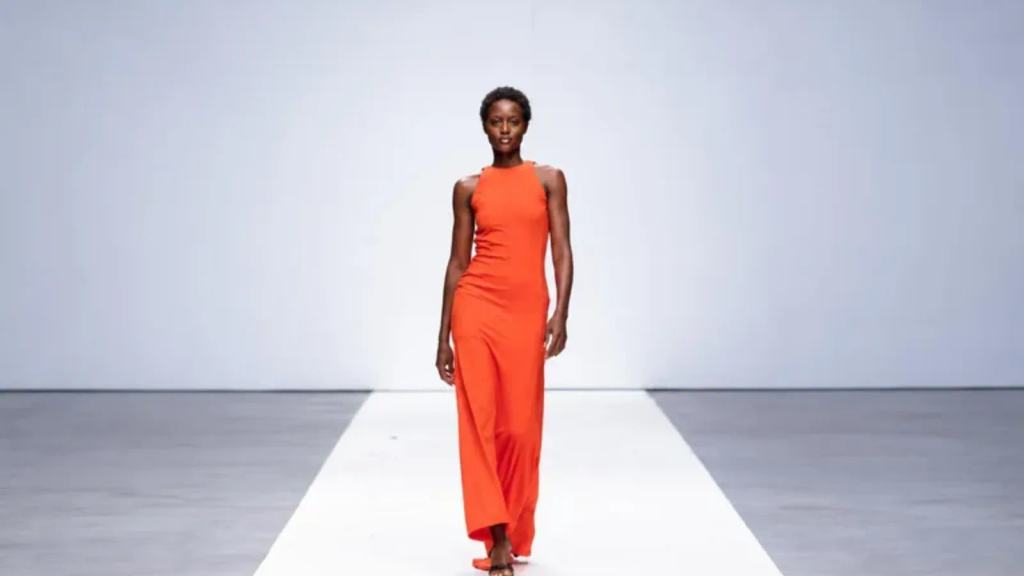
Israella Kobla Fashion and the Evolution of African Style
READ: NYA Fashion: Contemporary Identity and the Future of African Style
Israella Kobla fashion belongs within a contemporary African fashion landscape defined by a growing range of design approaches and creative perspectives. Across the continent, designers are exploring different ways to interpret modern dressing, combining personal expression with decisions about silhouette, material, construction and presentation.
Fashion is more than a response to seasonal trends. It is also a form of visual communication, allowing designers to express ideas through the shape of a garment, the texture of its fabric and the way individual pieces work together. A collection can communicate restraint, confidence, experimentation or a relationship with cultural identity through its design choices.
READ: Pillz N Poizn Fashion: Experimental Style and African Creativity
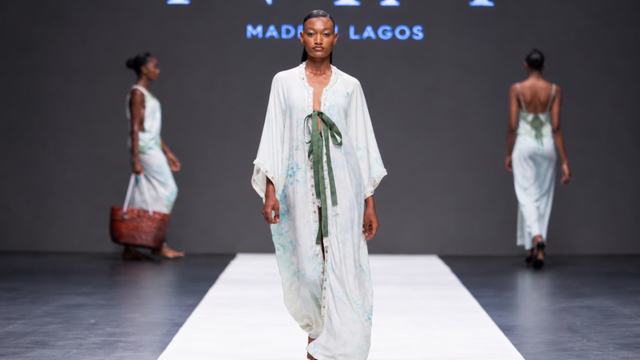
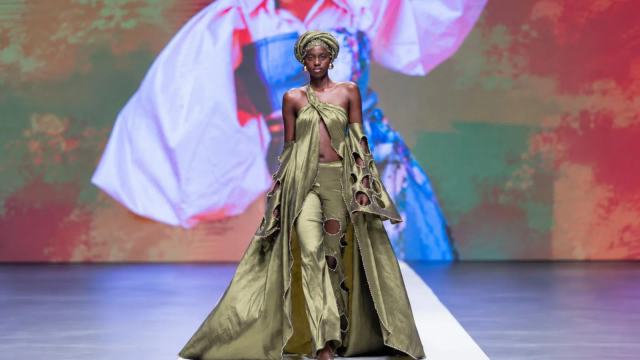
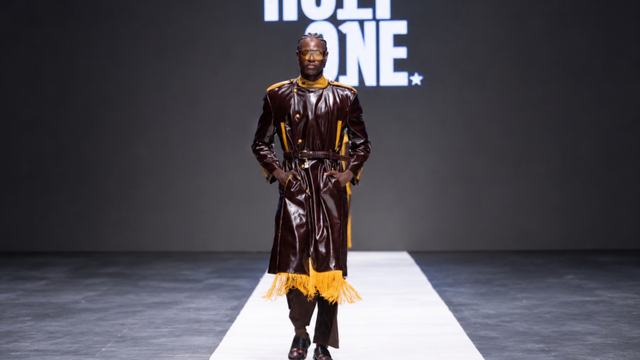
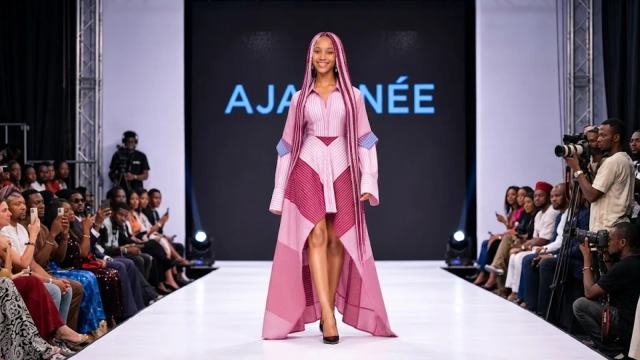
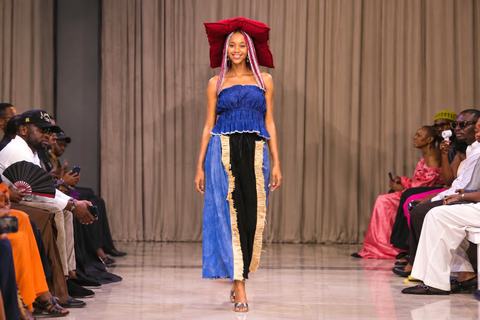
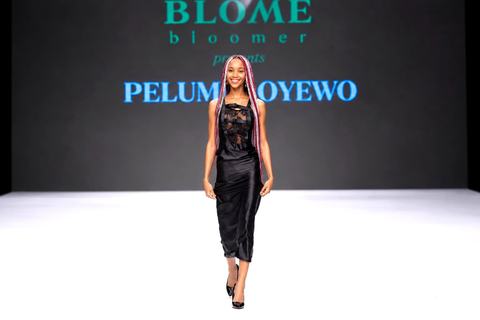
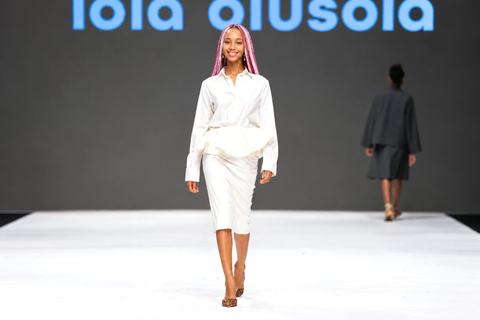
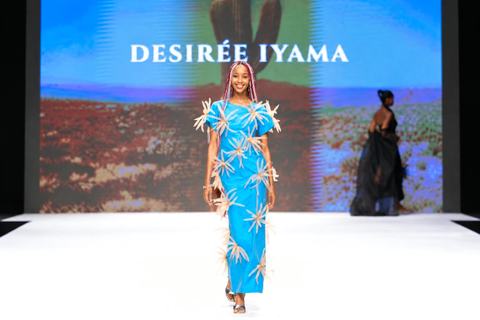
For a label appearing at Lagos Fashion Week, the runway offers an opportunity to present these choices as a connected body of work. The audience can observe the relationship between garments and consider how their shapes, colours and styling contribute to a wider creative direction.
Israella Kobla's inclusion in the programme places the label within this broader conversation. The significance of fashion week participation lies not only in the visibility it offers, but also in the opportunity to encounter different designers and consider how their work contributes to an industry that continues to develop.
Building a Distinctive Fashion Identity
Every fashion label faces the challenge of developing a recognisable identity. This involves deciding what the clothing should communicate, which materials support the intended designs and how individual garments can work together as a collection.
Some labels build their identity around tailoring and precise construction. Others focus on textiles, expressive colour, volume or experimental silhouettes. There is no single formula for establishing a successful creative direction. What matters is that the decisions made by the designer form a meaningful relationship with one another.
A clear identity also does not require a label to remain unchanged. Designers need room to experiment, learn and respond to new ideas. Their challenge is to evolve without losing the qualities that make their work distinctive.
In a crowded fashion environment, this balance can be particularly important. Digital platforms expose audiences to new collections at an extraordinary pace, making it easy for individual looks to disappear beneath the next wave of content. A consistent design perspective can help a label establish a more lasting connection with its audience.
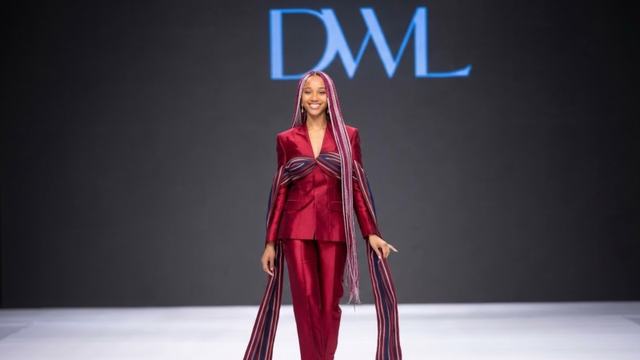
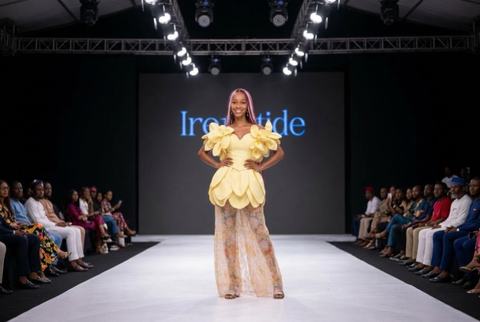
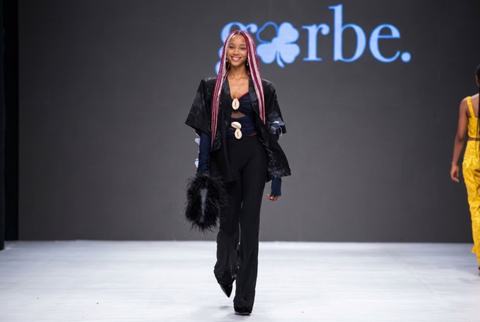
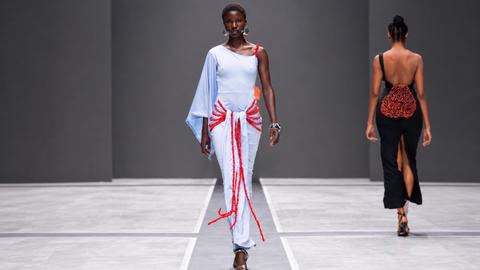
When considering Israella Kobla fashion, the most useful approach is to look at the garments and their presentation: the relationship between silhouettes, the use of materials and the way the collection communicates a visual direction.
Lagos Fashion Week and the Importance of Visibility
Lagos Fashion Week brings designers, buyers, stylists, photographers, media professionals and fashion audiences into a shared setting. Runway presentations allow designers to communicate their ideas through clothing, movement and styling, while the wider programme helps place those ideas within the industry's commercial and cultural context.
For independent labels, visibility can be an important step in building recognition. A runway presentation may introduce a designer to audiences who have not encountered the work before, while coverage and photography can extend that exposure beyond the event.
However, visibility alone does not guarantee a sustainable fashion business. Designers must also consider production, sourcing, quality control, pricing and the practical ways customers can discover and purchase their work. These responsibilities influence how a creative idea moves from a presentation into a longer-term business.
The relationship between creativity and commerce is particularly important for fashion labels developing their identities. A compelling design direction gives the brand meaning, but consistent execution helps audiences understand what they can expect from its products.
Lagos Fashion Week therefore provides more than a platform for displaying clothing. It creates a setting in which creative ambitions and the realities of the fashion industry can be considered together.
The Relationship Between Design and Wearability
A garment can make a strong visual statement, but it also has to be understood in relation to the person who wears it. Fit, movement, comfort and the intended occasion all influence the experience of clothing.
Designers must balance these practical considerations with their creative ambitions. A dramatic silhouette may be intended to create a striking runway moment, while another garment may be designed for regular use. Some pieces achieve both objectives, demonstrating that expressive design and wearability do not have to be opposing goals.
The choice of fabric plays a major role in this relationship. A structured material can help a garment retain its shape, while a lighter textile may create movement and softness. The same design idea can produce different results depending on how the fabric behaves.
Construction is equally important. Seam placement, proportions, closures and finishing determine how the garment fits together and how it performs when worn. These details can be easy to overlook in a photograph, but they contribute significantly to the finished result.
For designers, the challenge is to ensure that every choice supports the intended purpose of the garment. When the material, silhouette and construction work together, the result can feel considered rather than accidental.
African Fashion Is Not One Look
Contemporary African fashion includes an extensive range of creative approaches. Some designers draw directly on traditional textiles and artisanal practices, while others explore modern tailoring, minimalism, luxury dressing or experimental construction. Many move between several influences as their work develops.
This diversity matters because there is no single visual style that can represent every designer or community across the continent. African fashion is shaped by different histories, materials, experiences and creative ambitions. Its strength lies partly in the ability of these perspectives to coexist.
Global News Arena has explored one aspect of this diversity through its feature on NKWO and sustainable African design. The article provides a related perspective on how material choices and production methods can contribute to a fashion label's identity.
Considering designers alongside one another should not mean treating their work as interchangeable. Each label deserves to be understood through its own choices and the ideas its garments communicate.
Israella Kobla's place in the Lagos Fashion Week programme contributes to the wider visibility of individual creative voices. The broader lesson is that contemporary African fashion should be examined through the range of work being produced, rather than through assumptions about what African design is expected to look like.
Craftsmanship and the Work Behind Fashion
A finished garment represents the outcome of many decisions. Designers develop concepts, select materials, refine patterns and determine how different components should be assembled. Skilled makers then translate those decisions into clothing through cutting, sewing, fitting and finishing.
Each stage influences the final result. A change in proportion can alter the entire silhouette, while the choice of fabric affects movement and structure. Finishing details can influence how comfortable and durable a garment becomes.
READ: Holy One Fashion: Exploring Identity and Contemporary African Design
Craftsmanship is especially important when a design depends on a clean silhouette or a carefully balanced shape. Without sound construction, the garment may not communicate the designer's intention effectively. The technical process is therefore not separate from creativity; it is one of the ways creative ideas become visible.
The fashion industry also depends on the people who contribute these skills. Designers, pattern cutters, tailors and other makers all play roles in turning a concept into a finished piece. Recognising this work helps audiences appreciate fashion as a collaborative process rather than the product of an idea alone.
Why Individual Fashion Voices Matter
The development of contemporary African fashion depends on designers being able to explore different ideas and establish their own creative directions. When labels bring distinct perspectives to the industry, they expand the possibilities available to audiences and encourage more varied conversations about clothing.
Fashion week programmes can help make this diversity visible by bringing different collections into a shared space. Audiences can compare approaches, discover new labels and consider how designers respond to questions of identity, craftsmanship and modern dressing.
For a fashion label, participation is one moment within a longer process. The work continues through future collections, production decisions and relationships with customers. A lasting design identity develops over time through the consistency and evolution of the work.
Israella Kobla's inclusion in the programme is part of this broader story of creative participation. The value of following individual designers lies in looking beyond a single event and considering how their work contributes to the ongoing development of African fashion.
Ultimately, a strong fashion industry does not depend on every designer following the same path. It needs room for experimentation, technical skill, commercial development and a diversity of creative voices. That combination allows fashion to remain responsive to changing tastes while preserving the individuality that makes design meaningful.
The writer of this article does not claim to know the individuals named personally. The information about their backgrounds, as published on Global News Arena, is based on independent online research.
Are you interested in learning how to write professionally and earn money as a writer and content creator? Contact Auxi Chat today to start your writing journey immediately.
Need a professional website in 72 hours? Contact Auxi Chat
If you have an article, opinion piece, event or news story you would like published, Global News Arena would love to hear from you.