Désirée Iyama Fashion and the Beauty of Dressing With Purpose
READ: M.O.T the Label Lagos Fashion Week: Fashion That Fits
When I look at the changing Nigerian fashion landscape, I find that some of the most interesting design stories begin with a simple question: how can clothing make a woman feel beautiful without losing sight of the person she is, the life she lives and the values she wants her wardrobe to reflect?
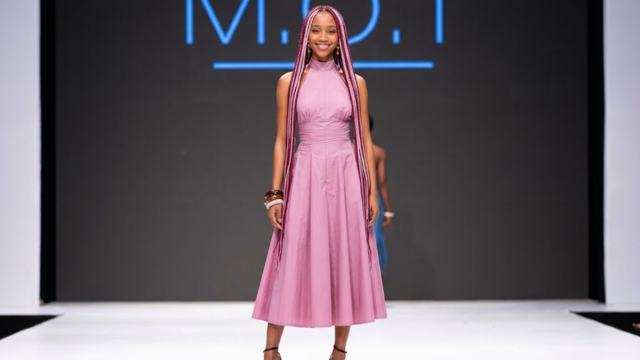
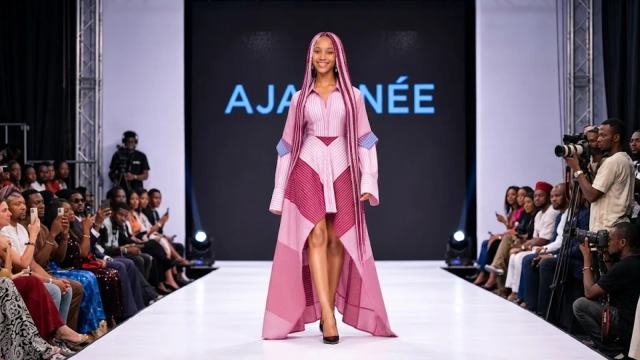
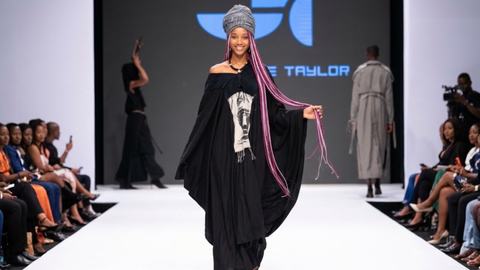
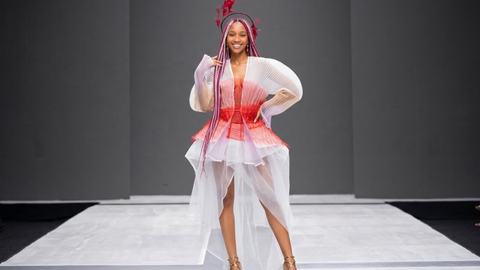
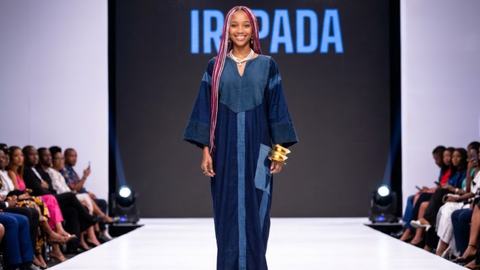
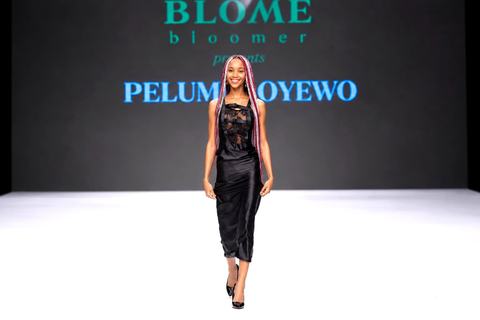
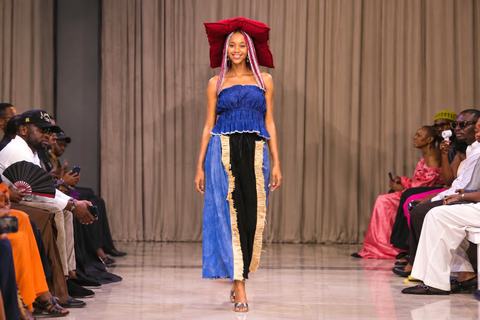
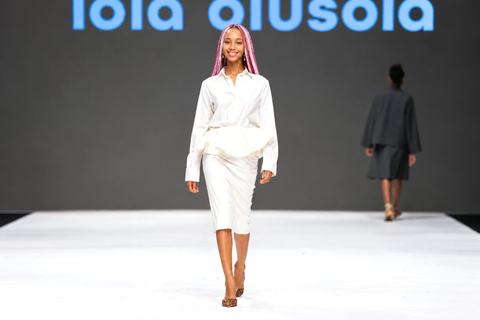
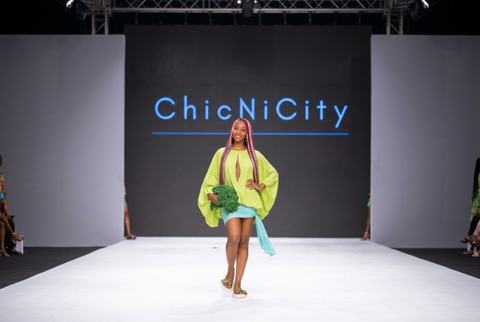
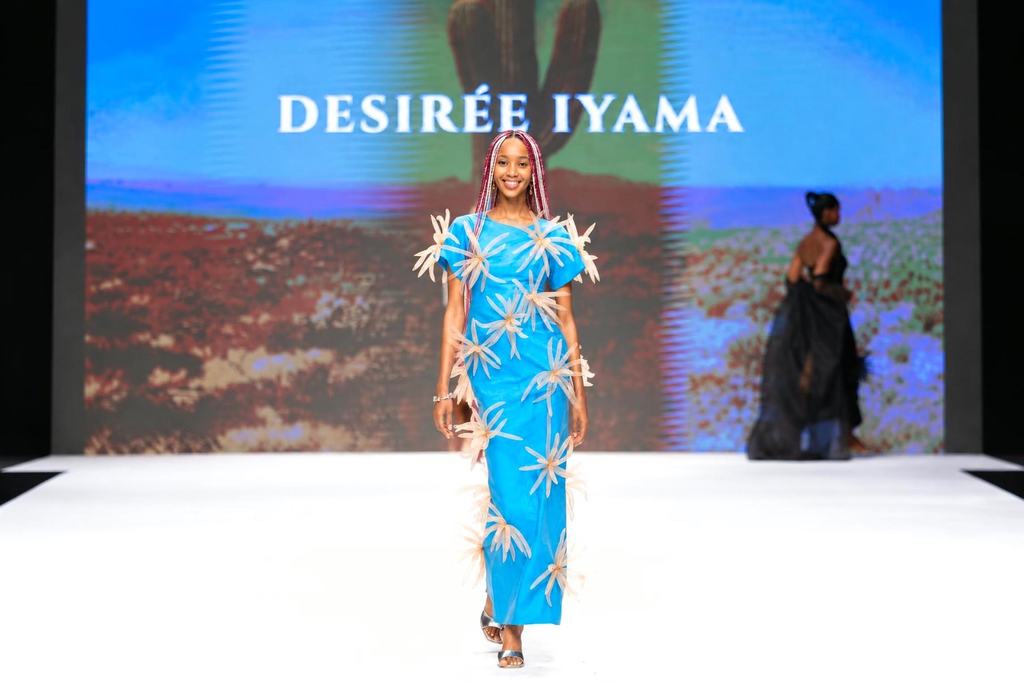
Désirée Iyama fashion offers an interesting perspective on that question. Built around contemporary womenswear, the label explores femininity through fluid silhouettes, romantic details, expressive colours and garments intended to work for different occasions. Its approach combines visual character with functionality, creating a design identity that is not dependent on extravagance alone.
READ: Ajanée Fashion Brand: Luqman Ajani’s Vision of Individuality and Reuse
Désirée Iyama is a Nigerian designer whose experience in fashion developed from an early exposure to creativity and garment construction. Her work demonstrates how a designer’s personal journey can influence the way a label understands clothing, from the first sketch to the finished piece.
The brand has also made slow fashion an important part of its philosophy. Through limited quantities, locally sourced fabrics and made-to-order production, it explores a model that differs from the expectation that fashion businesses must continually produce large volumes of ready-made clothing.
For me, this is where the label’s story becomes particularly relevant. Fashion is an artistic business, but it is also a production system. The decisions made in a studio affect material use, the people who make the garments, the price customers pay and the amount of clothing that may remain unsold.
Désirée Iyama fashion therefore offers more than a conversation about attractive dresses. It provides a useful opportunity to consider femininity, craftsmanship, entrepreneurship and the changing meaning of responsible fashion in Nigeria.
The Story Behind Designer Désirée Iyama
Désirée Iyama grew up in a creative household. Her mother was a fashion designer, while her late grandmother was a seamstress. These family influences exposed her to the practical and artistic dimensions of clothing from an early age.
Sketching, pattern cutting, sewing and creative direction became part of her developing understanding of fashion. Such early exposure can provide a valuable foundation because it allows a young designer to appreciate both the imagination involved in developing an idea and the technical work required to turn that idea into a garment.
Iyama officially launched her original brand in July 2016. Her early experience introduced her to the demands of running a fashion business, including the need to balance design ambitions with the commercial and organisational work behind a label.
After approximately 17 months, she took a two-year break to strengthen her knowledge of the business side of fashion. During this period, she pursued further education, including a master’s programme, while reassessing her personal direction and the identity she wanted her brand to communicate.
That pause became an important part of the story behind the relaunch of Désirée Iyama in July 2020. Rather than treating the break simply as an interruption, the designer used the period to reconsider her creative priorities and develop a more deliberate approach to her work.
Her experience reflects a reality that is sometimes overlooked when people discuss fashion entrepreneurship. A designer may possess considerable creative ability and still need time to understand production, pricing, business planning, customer expectations and long-term sustainability.
The ability to recognise when a business needs to change direction can be just as important as the ability to design a striking garment. Iyama’s journey illustrates how professional development and personal reflection can influence the evolution of a creative brand.
Désirée Iyama Fashion and Its Signature Feminine Aesthetic
The identity of Désirée Iyama fashion centres on contemporary clothing that combines feminine expression with wearability. The brand’s visual language includes fluid designs, romantic silhouettes and details intended to give familiar garments a distinctive character.
Femininity in fashion does not have to mean a single shape, colour or style. It can be communicated through the way fabric moves, the balance of a silhouette, the softness of a texture or the relationship between a garment and the person wearing it.
A flowing dress may create a sense of ease, while a more structured piece can provide definition. Ruffles, layered materials, distinctive hems and carefully positioned details can introduce movement without overwhelming the overall design.
This balance matters because clothing must work in the real lives of the women who wear it. A garment may be visually beautiful, but its usefulness also depends on fit, comfort, construction and whether it suits the occasion for which it was purchased.
The brand’s emphasis on functionality recognises that contemporary women dress for different parts of their lives. They may need clothing for celebrations, professional settings, social gatherings and personal occasions, and they may prefer pieces that can be styled in more than one way.
Désirée Iyama fashion explores this relationship between appearance and practical use. Its approach does not require femininity to be separated from functionality. Instead, both qualities can contribute to the character of the finished garment.
From Creative Inspiration to a Recognisable Collection
Every fashion collection begins with decisions about what the designer wants to communicate. A concept may emerge from a personal experience, a particular material, an emotional idea or a desire to revisit an earlier aspect of the brand’s identity.
For a designer with Iyama’s background, the process involves translating creative instincts into garments that communicate a consistent point of view.
The choice of fabric influences how an idea develops. Lightweight materials may support movement and softness, while fabrics with greater structure can create volume or more defined shapes. Colour can establish a mood, and decorative details can add another layer of meaning.
The challenge is to ensure that these choices work together rather than competing for attention. A strong collection needs variety, but it also benefits from a recognisable design language that connects its individual pieces.
This is particularly important for a growing fashion business. Customers need to understand what a brand represents and what they can expect from its products. A clear aesthetic can help establish that relationship without requiring every collection to repeat the same designs.
Désirée Iyama fashion offers an example of how a label can preserve its central identity while continuing to experiment with silhouettes, colours and construction.
For emerging Nigerian designers, this balance provides a valuable lesson. Consistency does not mean refusing to evolve. It means allowing new ideas to develop from a clear understanding of the brand’s purpose.
Slow Fashion and the Decision to Produce With Intention
Slow fashion is an approach that encourages greater consideration of how clothing is designed, manufactured, purchased and used. It often places emphasis on durability, responsible material choices, thoughtful production quantities and a closer relationship between brands and their customers.
Désirée Iyama has incorporated this philosophy into its production model. The label describes its use of locally sourced fabrics in limited quantities and garments made to order rather than produced in large, predetermined batches.
This approach can change the relationship between a designer and the materials used to create a collection. When fabric is sourced in limited quantities, planning becomes important. The designer must consider how much material is available, which designs it can support and how production can be organised efficiently.
Made-to-order production can also reduce the need to manufacture large numbers of garments before demand is known. However, it introduces other considerations, including customer waiting times, accurate measurements, communication and the ability to meet agreed delivery dates.
These details matter because responsible fashion must be workable for the business as well as meaningful to the consumer.
The label also describes using leftover materials to make accessories such as headbands, scarves and scrunchies. This offers a practical example of how smaller remnants may find another use instead of being automatically discarded.
Such measures do not, on their own, establish the full environmental impact of a brand. A complete assessment would also consider material sourcing, manufacturing conditions, transport, garment durability and what happens to clothing at the end of its useful life.
Nevertheless, the approach provides a useful starting point for discussing how fashion businesses can make production decisions more deliberately.
Readers interested in this subject can also explore NKWO’s approach to sustainable African fashion, which considers the relationship between textile waste, local craftsmanship and contemporary design.
Why Local Fabric Sourcing Matters
Local sourcing can help a designer develop closer relationships with suppliers and gain a better understanding of the materials available for production. It can also connect fashion businesses to wider networks of traders, textile specialists, tailors and artisans.
For Nigerian labels, these relationships are important because the fashion industry depends on more than the creative work performed by the designer. Reliable access to suitable materials, consistent construction and dependable finishing all influence the final product.
Working with locally sourced fabrics may create opportunities to respond to the qualities of materials available in the domestic market. It can also help designers understand how supply, price and availability influence their creative decisions.
However, local sourcing is not automatically inexpensive or environmentally superior in every situation. Costs, material quality, production capacity and transport requirements still need to be considered.
The more useful question is whether the sourcing decision supports the brand’s creative and business objectives while providing a clear understanding of the material’s origin and suitability.
Désirée Iyama’s emphasis on limited quantities connects this question to the realities of production. The amount of fabric purchased influences how many garments can be made, how a design can be repeated and whether customers should expect variations between pieces.
For consumers, this can make it important to check product descriptions, sizing information and availability before placing an order.
The Business Lessons Behind Désirée Iyama’s Journey
One of the most instructive aspects of Iyama’s story is the decision to take time away from her original business in order to strengthen her understanding of fashion entrepreneurship.
Creative businesses often begin with enthusiasm and a strong idea. Sustaining them, however, requires additional skills, including budgeting, pricing, inventory management, marketing, customer service and production planning.
A designer must understand the cost of materials and labour, how long garments take to produce, and how much revenue is needed to maintain operations. The business also needs a clear approach to customer communication, especially when products are made to order.
The experience of taking a break to develop business knowledge illustrates why professional growth does not always follow a straight line. Sometimes, a pause allows a founder to return with a clearer strategy and a stronger sense of purpose.
For young Nigerian creatives, this lesson extends beyond fashion. A creative talent may open the door to entrepreneurship, but business knowledge can help keep that door open.
It is also important to recognise that a brand’s success should not be judged only by its visibility at a fashion event. Production reliability, customer satisfaction, financial stability and the ability to maintain quality over time are equally important.
Désirée Iyama fashion provides a way to discuss these wider issues through the experience of a designer who has developed her label through launch, reassessment and relaunch.
READ: Israella Kobla Fashion: A Contemporary African Design Perspective
What Désirée Iyama Fashion Represents for Nigerian Womenswear
The Nigerian fashion industry includes a broad range of design identities, from traditional textiles and occasionwear to experimental construction and contemporary ready-to-wear. This diversity allows designers to develop different responses to the needs and preferences of their customers.
Désirée Iyama contributes a perspective that centres on femininity, fluid silhouettes and practical dressing. Its slow-fashion philosophy also introduces questions about production quantities, material use and the relationship between creative ambition and responsible business practices.
These considerations are relevant to women who want clothing that feels distinctive but remains useful beyond a single occasion. They are also relevant to designers who want to build a business around a clear aesthetic rather than constantly chasing changing trends.
I believe the most valuable fashion brands give consumers more than a visual impression. They establish a relationship between the product, the people who make it and the values the business seeks to communicate.
For Désirée Iyama, that relationship emerges through the combination of design, craftsmanship and considered production.
The label’s journey also demonstrates the importance of learning and adaptation. Fashion businesses operate in a changing environment, and designers must continually assess how their creative goals align with the realities of running a company.
Looking Beyond the Runway
A runway presentation can introduce a collection to a wider audience, but the long-term value of a fashion business depends on what happens after the show.
Customers need clear information about availability, fit, prices, care requirements and delivery. Retail partners need to understand production capacity, ordering terms and whether a label can provide consistent quality.
For a business that emphasises limited quantities and made-to-order garments, communication becomes particularly important. Customers should understand what they are purchasing and when they can reasonably expect to receive it.
These practical details do not diminish the artistic side of fashion. They help ensure that the creative work can reach the people for whom it was made.
Désirée Iyama fashion offers a useful example of how contemporary Nigerian womenswear can combine expressive design with a more deliberate approach to production. Its story includes creative beginnings, professional development, a period of reassessment and the creation of a clearer brand identity.
What stands out is the recognition that clothing can be beautiful, functional and thoughtfully produced without requiring a business to abandon its creative ambitions.
For me, that is the larger lesson behind the label. Fashion is not only about the moment a garment appears on a runway. It is also about the decisions that shape the garment, the people who make it and the experience of the person who eventually wears it.
The Lasting Meaning of Désirée Iyama Fashion
Désirée Iyama fashion reflects a contemporary Nigerian design approach in which feminine expression, functionality and considered production can exist together.
Through her personal journey and the development of her label, Désirée Iyama demonstrates the importance of combining creative ability with business knowledge. Her emphasis on limited production and the use of leftover materials also provides an opportunity to examine the practical choices involved in more responsible fashion.
The broader lesson is not that one production model will solve every challenge facing the industry. It is that designers can build stronger identities when they understand what they want their work to represent and make deliberate decisions about how it is produced.
As Nigerian fashion continues to develop, labels that combine clear design identities with thoughtful business practices will remain important to the industry’s wider conversation about creativity, commercial growth and long-term value.
The writer of this article does not claim to know the individuals named personally. The information about their backgrounds, as published on Global News Arena, is based on independent online research.
Are you interested in learning how to write professionally and earning money as a writer and content creator? Contact Auxi Chat today to start your writing journey immediately.
If you have an article, opinion piece, event or news story you would like published, Global News Arena would love to hear from you.