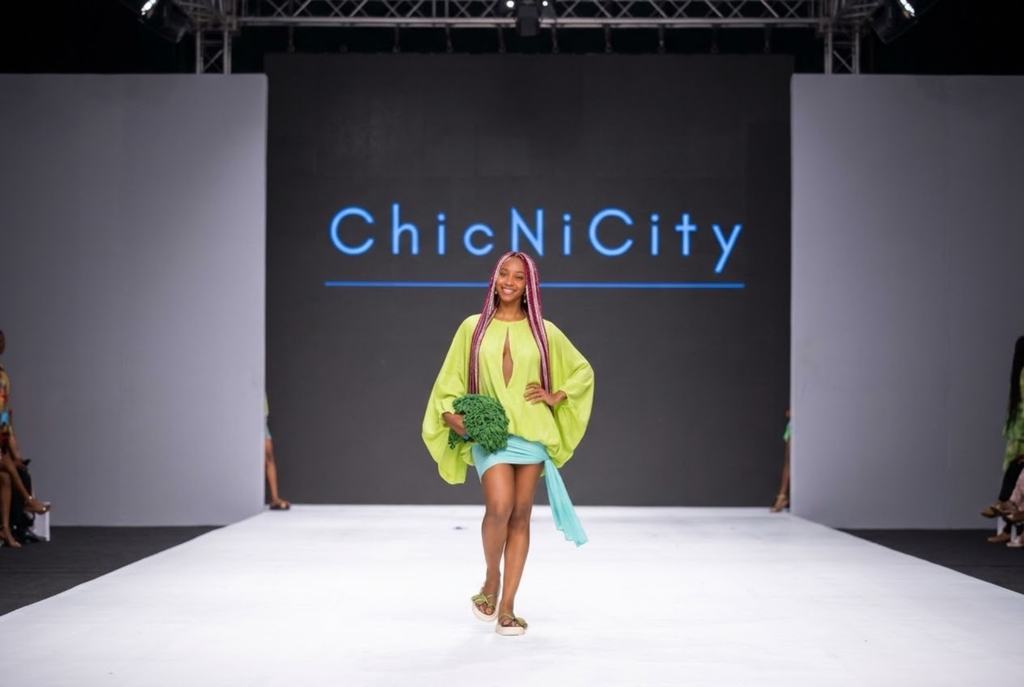
ChicNiCity Fashion Brand: Dressing Between Heritage and Modern Life
Clothing can reflect more than personal taste. It can express where someone comes from, the communities they identify with and the kind of life they want to lead. For people whose experiences cross cultures, fashion can become a way to hold several parts of their identity together without having to choose only one.
That idea sits at the heart of ChicNiCity, a contemporary womenswear brand founded by Nigerian American designer Boye “Bibi” Asenuga. The official brand biography describes its vision as a meeting point between ethnicity and modernity, combining African inspired colours and prints with contemporary silhouettes intended for versatile everyday dressing. The brand was founded in July 2017 and is based in the Boston area of the United States.
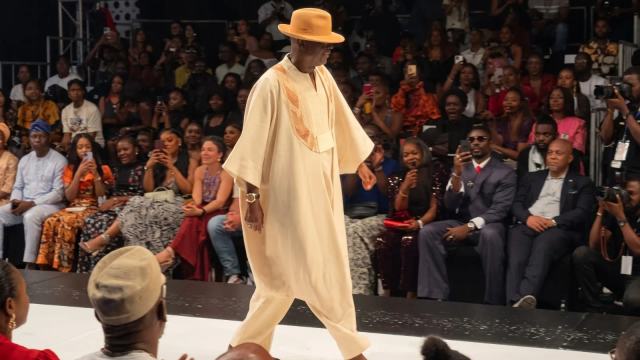
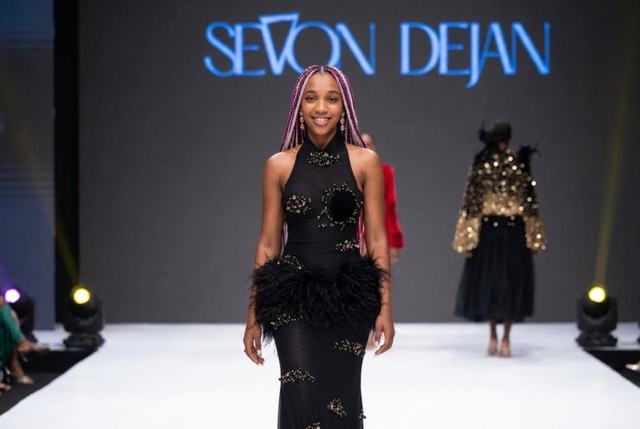
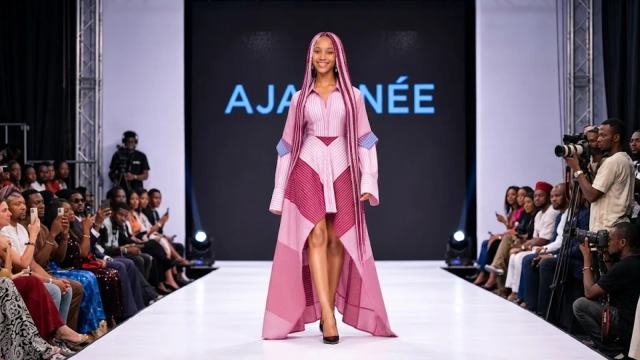
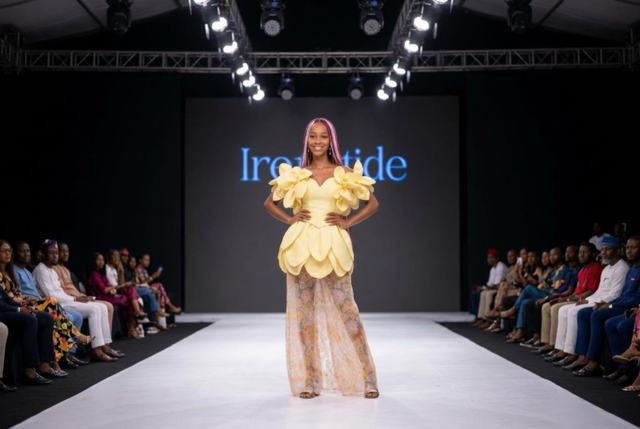
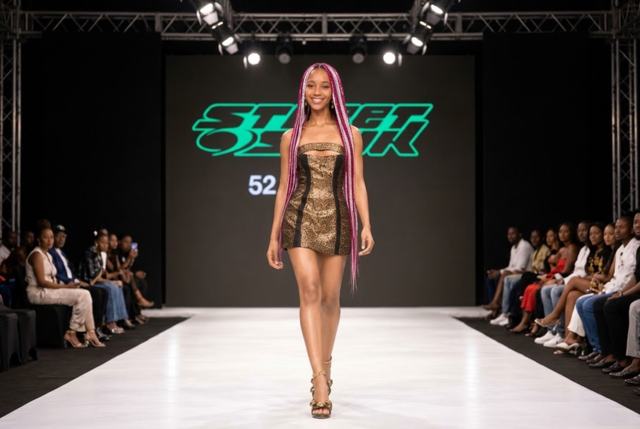
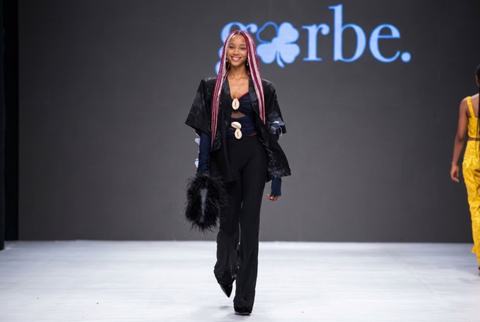
The label appeared on the Lagos Fashion Week 2026 schedule under the spelling Chicknicity, and event coverage used the form Chicnicity. Its official website uses ChicNiCity. The name itself brings together the ideas of being chic, maintaining a connection to ethnicity and navigating life in a city.
I find this positioning interesting because fashion conversations sometimes create an unnecessary divide between cultural heritage and modern design. Traditional references may be treated as though they belong only in ceremonial clothing, while contemporary fashion is expected to follow a narrow international formula. In practice, people regularly combine cultural influences with the needs and preferences of their daily lives.
A print inspired by a cultural tradition can appear on a modern dress. A familiar colour combination can be used in a silhouette designed for work, travel or social occasions. A garment can reference heritage without reproducing a historical outfit exactly. These possibilities allow cultural identity to remain present while clothing continues to evolve.
Bibi Asenuga: From Law to Fashion Entrepreneurship
The story of ChicNiCity is closely connected to the professional journey of its founder, Boye “Bibi” Asenuga. According to the brand’s official biography, Asenuga began her career in law before following her interest in fashion. She later developed professional experience working with international fashion brands on the development and manufacture of collections for major retailers.
Her educational background includes study at the Fashion Institute of Technology in New York and the School of Fashion Design in Boston. The official biography also states that she received the School of Fashion Design’s Distinguished Alumni Award in 2020 and serves on its board of trustees.
This background offers useful context for understanding ChicNiCity’s approach to ready to wear clothing. A brand operating in this area must consider not only the appearance of individual pieces but also how garments are developed, manufactured, sized, priced and distributed. Experience in the commercial side of fashion can help a designer understand how a creative idea moves through the stages required to reach customers.
I believe the transition from law to fashion is also a reminder that professional journeys do not always follow a straight line. Skills developed in one field can become useful in another, even when the work itself changes significantly. Research, negotiation, organisation and an understanding of professional responsibilities may all have value in building a business.
However, changing careers is not simply a matter of following a passion. It also requires learning the practical demands of the new industry, identifying where previous skills are transferable and developing the knowledge needed to address unfamiliar challenges.
Asenuga’s experience across fashion education and industry gives context to ChicNiCity’s development as a ready to wear label. The brand’s focus on contemporary clothing reflects the need to connect creative direction with the realities of production and customer expectations.
The Meaning of ChicNiCity’s Cultural Identity
The name ChicNiCity expresses a central idea behind the brand: the possibility of remaining connected to cultural heritage while participating fully in modern urban life. The official brand story describes a desire to honour heritage while creating clothing suited to a contemporary and progressive lifestyle.
That approach is relevant to people whose identities are shaped by more than one cultural environment. A person may grow up with one set of family traditions while studying, working or raising a family in another country. Their clothing choices may reflect these overlapping experiences rather than a single, fixed category.
Fashion can make this relationship visible. It can offer a way to carry familiar patterns, colours or design references into settings where people need versatile everyday clothing. The result does not have to be a direct reproduction of traditional dress. It may instead involve selected influences incorporated into contemporary forms.
There is an important distinction between using cultural references thoughtfully and treating them as decorative shorthand. A print or textile may have a history that deserves to be understood. Designers who draw on cultural influences benefit from recognising the context of those references and considering how they are transformed in the final garment.
ChicNiCity’s stated vision of bringing heritage into modern life provides a useful framework for this discussion. It suggests that cultural identity can be active and evolving rather than something preserved only in a museum or reserved for special occasions.
I believe this matters because clothing is part of everyday life. People do not stop being connected to their backgrounds when they go to work, travel or participate in city life. Fashion can acknowledge that reality through garments that allow cultural expression and practical wearability to coexist.
African Inspired Prints and Contemporary Womenswear
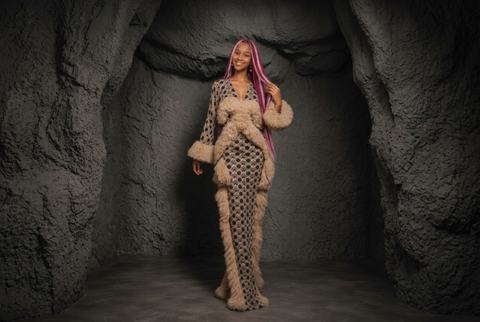
Prints play an important role in the visual identity described by ChicNiCity. The official brand biography explains that African inspired colours and patterns are combined with contemporary design elements and silhouettes. This places the label within a wider area of fashion that draws on cultural references while working with the needs of modern wardrobes.
The relationship between print and silhouette is crucial. A pattern can change the appearance of a dress, jacket or top, but its effect depends on scale, placement and the way the fabric moves. A large motif may become the main feature of a garment, while a smaller repeated pattern can create a more restrained visual rhythm.
Designers must also consider how the print interacts with the cut. A garment with a clean silhouette may allow a patterned fabric to take centre stage. A more structured design may use seams and panels to organise the print. The placement of patterns can require careful cutting and additional fabric, particularly when a design depends on continuity across separate pieces.
Contemporary womenswear also needs to respond to different aspects of daily life. Versatility may mean that a garment can be styled for several occasions, layered with other pieces or worn across different settings. It can also involve considering comfort, fit, care requirements and the preferences of customers with different lifestyles.
These practical concerns do not have to weaken a design’s cultural identity. They can help bring that identity into the routines of everyday dressing. A garment that is wearable and adaptable may allow its cultural references to remain part of a person’s wardrobe rather than appearing only at a single celebration.
Building a Fashion Business Across Markets
The official ChicNiCity website states that the brand’s pieces have been sold through boutiques in the United States, South America, France, Ghana and Nigeria. It also records an exclusive collection created for the retail company HSN in 2023.
These details illustrate the opportunities and challenges associated with operating across markets. Different customer groups may respond to a design for different reasons. Some may be attracted by its prints, others by its fit or versatility, while others may see a connection to cultural identity.
Selling across borders also requires practical planning. Businesses must consider production volumes, shipping, customer service, sizing expectations, delivery times and the costs associated with distribution. A garment that attracts attention in one market still needs to meet the expectations of customers who purchase it elsewhere.
The ready to wear model creates another set of demands. Customers generally expect products to be available in specified sizes and to arrive with consistent construction. This requires a business to manage production carefully, particularly when prints, fabrics or decorative details need to be matched across multiple garments.
I find it useful to think of fashion entrepreneurship as the work of connecting design with a system. Creativity establishes the identity of a label, but the business needs to deliver on that identity. Clear communication, quality control and dependable production help build trust between a brand and its customers.
International recognition can expand opportunities, but it should not be treated as the only measure of success. A brand also needs relationships with its existing customers, a clear understanding of its costs and the ability to maintain quality over time.
ChicNiCity and the Wider Conversation About African Fashion
ChicNiCity’s presence on the Lagos Fashion Week schedule offers a point of connection between the brand’s international base and Nigeria’s fashion community. The event brings together designers whose work reflects a wide range of experiences, from indigenous textiles and craft traditions to streetwear, contemporary tailoring and experimental silhouettes.
The importance of this variety should not be underestimated. African fashion is not one uniform style, and designers should not be expected to express identity through the same colours, textiles or garment forms. A brand may work with cultural prints in everyday womenswear, while another may focus on reconstructed clothing, elaborate couture or minimalist design.
Each approach creates different possibilities for audiences. Some customers seek a visible connection to heritage. Others are interested in innovation, comfort, tailoring or a particular aesthetic. Many combine these preferences depending on the occasion and their personal circumstances.
I believe that fashion becomes more meaningful when designers can engage with heritage without being confined by it. Cultural influence can serve as a starting point for experimentation rather than a fixed set of rules. It can also provide a connection between people whose lives unfold across different countries and communities.
ChicNiCity’s stated aim of combining ethnicity with modernity speaks to that possibility. It treats cultural identity as something that can be incorporated into contemporary life through colour, pattern and wearable design.
The broader challenge for brands working in this space is to maintain a clear identity while responding to practical customer needs. That requires more than a compelling story. It requires thoughtful construction, consistent quality, sound business decisions and a willingness to keep developing.
What ChicNiCity’s Story Reveals About Modern Dressing
The ChicNiCity fashion brand offers a perspective on the relationship between cultural identity and contemporary womenswear. Through its stated emphasis on African inspired prints, modern silhouettes and versatility, it approaches heritage as something that can remain present in everyday dressing.
Bibi Asenuga’s journey from law into fashion, supported by fashion education and professional industry experience, adds context to the business behind that vision. It illustrates how a creative label can draw on different forms of knowledge while building a recognisable approach to clothing.
I find the central question especially relevant: how can people honour where they come from while dressing for the lives they lead now? There is no single answer. For some, it may involve traditional garments worn in familiar ways. For others, it may mean incorporating cultural colours, patterns or references into contemporary clothing.
The value lies in allowing those choices to remain personal. Fashion should not require people to prove their identity through a particular garment, nor should modernity require them to abandon meaningful cultural connections.
ChicNiCity’s philosophy creates room for a more flexible understanding of style. It suggests that heritage and modern life can exist together, shaping clothing that reflects both personal identity and practical needs.
As African fashion continues to reach audiences across markets, brands working with these ideas can contribute to a broader conversation about representation, creativity and the future of everyday dressing. Their work can challenge the assumption that cultural references belong only to formal occasions and demonstrate how they may be carried into modern wardrobes.
The lasting value of a fashion label depends on its ability to turn that idea into clothing that people want to wear and a business that can continue to serve them. When cultural identity, design and practical execution work together, fashion can become a meaningful part of how people express themselves in the world.
The writer of this article does not claim to know the individuals named personally. The information about their backgrounds, as published on Global News Arena, is based on independent online research.
Are you interested in learning how to write professionally and earn money as a writer and content creator? Contact Auxi Chat today to start your writing journey immediately.
Need a professional website in 72 hours? Contact Auxi Chat
If you have an article, opinion piece, event or news story you would like published, Global News Arena would love to hear from you.