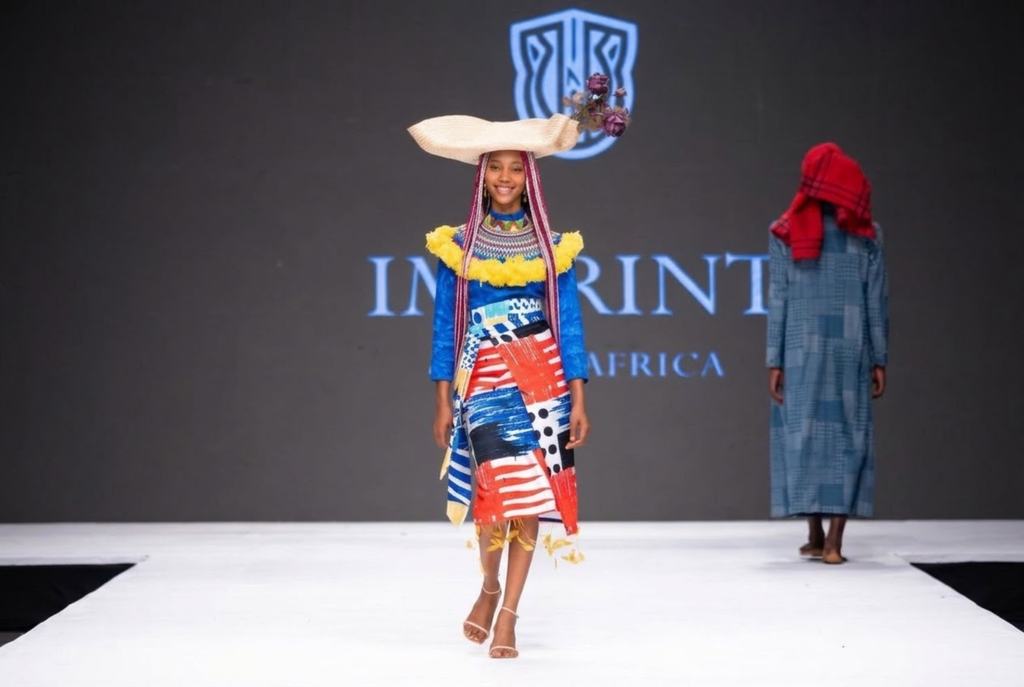
Imprint South Africa fashion brand: Mzukisi Mbane and the Meaning of Wearing Your Roots
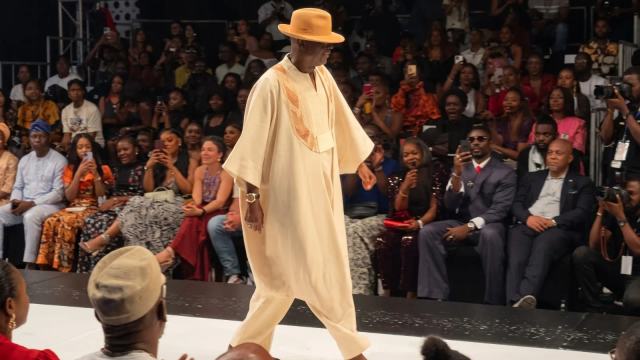
READ: Sanwo-Olu walks the runway at Lagos Fashion Week 2026
Clothing can hold memories. A pattern may recall a place, a colour may bring back a family tradition, and a familiar silhouette may connect a person to experiences that began long before the garment itself was made. Imprint South Africa fashion brand is often discussed through trends and seasonal collections, but it can also function as a record of personal history and cultural belonging.
This relationship between clothing and identity sits at the centre of Imprint South Africa, a fashion brand founded by creative director Mzukisi Mbane. The brand’s official biography describes its work as a meeting between African heritage and contemporary design, using bold prints, intricate storytelling and personal narratives to explore identity. It also identifies the brand’s intention to use fashion as a means of opening conversations about social issues.
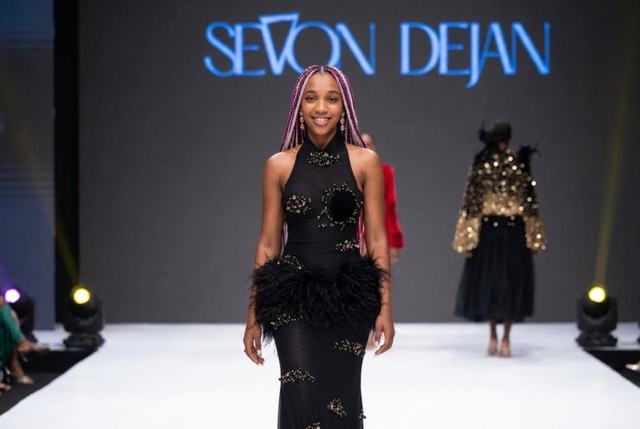
READ: Sevon Dejana Fashion Brand: Segun Edikan’s Vision of Couture
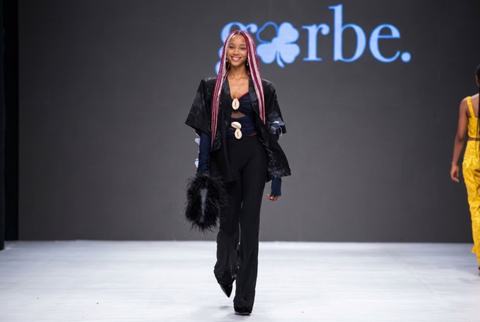
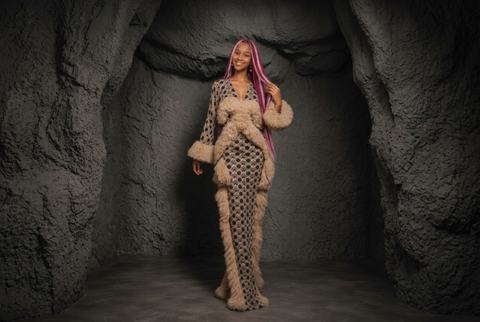
At Lagos Fashion Week in October 2026, Imprint South Africa was described as working with graphic textiles and voluminous forms to explore the relationship between material and silhouette. This presentation placed the brand within a wider runway discussion about the ways heritage, construction and contemporary ideas can coexist.
I find Imprint’s stated philosophy compelling because it treats cultural identity as something active. Heritage is not presented simply as a reference to the past. It becomes a resource for making new work, asking questions and considering how individual experience connects with a larger community.
Mzukisi Mbane: A Designer Guided by Heritage and Personal History
Mzukisi Mbane is the founder and creative director of Imprint South Africa. The brand’s official biography describes a design philosophy shaped by personal history, family influence and a desire to communicate through clothing. Its narrative refers to the designer’s mother as the first root from which his own creative identity developed.
This emphasis on family provides a starting point for understanding the label’s interest in memory and inheritance. People often encounter culture first through ordinary experiences: the clothing worn by relatives, the patterns found in familiar environments, the stories repeated at home and the traditions that accompany important moments. These experiences can influence how a designer sees shape, colour and material long before they become part of a professional collection.
A designer’s biography should not be reduced to a simple claim that family background determines creative direction. Personal history can influence a person, but the way those influences are interpreted requires independent thought and work. A designer must decide what to retain, what to question and what to transform into a contemporary language.
Mbane’s brand story frames this process as a movement from inherited influence towards individual expression. The idea of a root is especially useful because it suggests both connection and growth. A root provides nourishment and stability, but it does not dictate every branch that develops from it.
I believe this is an important way to think about African fashion. Cultural heritage can provide a foundation without limiting the designer to repeating established forms. It can help a designer ask new questions about identity, belonging and the relationship between past and present.
“Our Roots”: The Philosophy Behind Imprint
Imprint’s official materials repeatedly return to the idea of roots. The brand’s stated clothing philosophy describes childhood memories as influences that reappear through collection styles, with prints and textures playing a prominent role in both menswear and womenswear. The brand also describes its design language as bold and expressive, while allowing signature details to evolve from season to season.
The phrase “Our Roots” therefore functions as more than a collection title. It offers a way to understand how the label approaches design. The garments become part of a conversation between the designer’s experiences and the materials through which those experiences are expressed.
Prints can be especially effective in this context because they carry visual associations. A repeated motif can suggest rhythm, place or continuity. Contrasting patterns can create tension between different influences. Texture can introduce a physical dimension that makes a garment feel different from a smooth, uniform surface.
Yet cultural storytelling through print requires thought. A design may draw on a recognisable reference, but the meaning of that reference depends on its context. A pattern is not automatically meaningful simply because it looks distinctive. Its significance can become stronger when the designer understands its origins and has a clear reason for using it.
Imprint’s emphasis on personal histories gives this question added relevance. The brand describes each collection as a way to explore connections between people, shared experiences and the forces that shape identity. In this framework, clothing becomes a medium through which the designer can communicate an idea rather than simply decorate a body.
Graphic Textiles and the Architecture of Volume
The Lagos Fashion Week 2026 coverage described Imprint South Africa’s presentation through graphic textiles and voluminous forms. These elements create an interesting relationship between surface and structure.
Graphic textiles attract attention through patterns, shapes or strong contrasts. Volume changes the outline of a garment, creating space between the fabric and the body or exaggerating particular proportions. When combined, the two elements can produce a powerful visual effect.
A large silhouette can give a pattern more room to be seen, while the pattern can help define the shape of the garment. The designer must decide how the fabric will fall, where the eye should travel and whether the overall form should feel balanced, dramatic or deliberately unconventional.
This requires technical understanding as well as visual imagination. Volume depends on cutting, fabric weight, construction and the way the garment is supported. A fabric that holds its shape may produce a very different result from one that drapes softly. The same pattern may appear entirely different when used on a close fitting garment rather than a wide, flowing silhouette.
I find this relationship between material and shape central to understanding fashion design. The fabric is not merely a surface on which a designer places an idea. Its weight, texture, movement and limitations influence what can be made. A designer’s skill lies partly in recognising those qualities and using them to achieve the intended effect.
The graphic and voluminous language described in Imprint’s 2026 presentation places these relationships in view. It encourages audiences to consider how textiles and construction work together to create the final garment.
Fashion as a Platform for Social Conversation
Imprint South Africa’s official biography describes an interest in advocacy through design. It identifies issues including gender based violence, women’s rights and LGBTQIA+ visibility as subjects the brand seeks to bring into public conversation through fashion.
This aspect of the label’s stated philosophy expands the role of clothing beyond aesthetics. A garment can communicate through its form and materials, but the wider presentation of a collection can also create a space for discussion. A title, campaign, show concept or accompanying narrative may invite audiences to consider experiences that are not always represented in mainstream fashion.
There is a distinction, however, between referring to an issue and contributing meaningfully to a conversation about it. Social themes require care, context and consistency. A collection can introduce a subject to an audience, but lasting engagement may involve sustained work beyond the runway.
I believe the most thoughtful relationship between fashion and advocacy begins with clarity. Designers should understand what they are trying to communicate, why the subject matters to their work and how their presentation relates to the people whose experiences are being discussed. The purpose should not be to turn a serious issue into a decorative theme.
Fashion has the ability to bring different audiences into contact with ideas through a medium they may already enjoy. Clothing can create an entry point into conversations about identity, representation and social responsibility. Yet the value of that opportunity depends on how carefully the message is developed and whether the work respects the complexity of the subject.
Imprint’s stated interest in social commentary provides context for its broader creative identity. It presents the brand as a label concerned not only with the appearance of a garment but also with the stories and questions that clothing can carry.
Imprint South Africa fashion brand on the Lagos Fashion Week Runway
The brand’s participation in Lagos Fashion Week 2026 brought its South African perspective into a wider African fashion setting. The event’s programme included designers working across different materials, construction methods and creative philosophies. Imprint’s reported use of graphic textiles and volume contributed one interpretation of how heritage can inform contemporary design.
Fashion weeks are useful not only because they display new collections, but also because they bring different creative approaches into the same public space. Audiences can compare the ways designers work with colour, material, form and narrative. These comparisons can reveal shared interests without suggesting that every label is pursuing the same aesthetic.
Imprint’s focus on roots and personal history sits alongside other approaches in the industry. Some designers work with traditional textiles and inherited craft techniques. Others explore reconstruction, streetwear, sculptural occasionwear or minimalism. Each method offers a different relationship between clothing and identity.
The presence of designers from different African countries also encourages a broader view of the continent’s fashion industries. South African fashion has its own histories, creative networks and commercial conditions. Nigerian fashion has different traditions and market dynamics. The two can share ideas and opportunities without becoming interchangeable.
I believe that cross border fashion platforms are most useful when they allow those differences to remain visible. A designer should not have to abandon a distinctive perspective to fit a generalised image of African fashion. Instead, the exchange between designers can show how varied creative practices develop across different settings.
The Business of Building a Heritage Led Fashion Brand
A brand can have a compelling philosophy and still face the practical demands of operating a business. Designers need to source fabrics, organise production, price their work, communicate with customers and maintain quality. These responsibilities become especially important when a label’s identity depends on particular prints, construction methods or specialised materials.
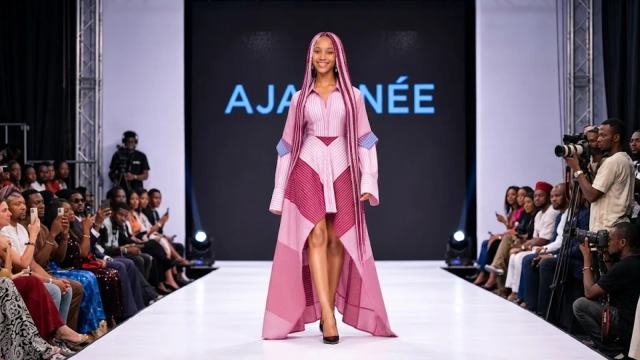
READ: Ajanée Fashion Brand: Luqman Ajani’s Vision of Individuality and Reuse
Graphic textiles may require careful pattern placement, while voluminous garments can use substantial amounts of fabric. Complex finishing may also increase the time needed to produce each piece. These factors affect costs and the number of garments a studio can make within a given period.
For a brand built around storytelling, there is another consideration: the relationship between the narrative and the product. Customers may first encounter a label through its philosophy, but their long term relationship with it depends on the garments themselves. Fit, durability, comfort, finishing and clear communication all contribute to the experience.
The business must also make decisions about scale. Producing more garments can increase reach, but it may introduce pressures on consistency and supply. Keeping production smaller can allow greater attention to detail, although it may limit the number of customers the label can serve. There is no single model that works for every designer.
I find these practical questions essential to a serious discussion of fashion. Creativity and commerce are sometimes presented as opposing forces, but a sustainable business needs both. A clear creative identity helps a brand stand out, while careful planning helps it continue producing the work that expresses that identity.
What Imprint South Africa Contributes to Contemporary African Fashion
Imprint South Africa’s work brings together personal memory, cultural heritage and contemporary design. Founded by Mzukisi Mbane, the label uses graphic textiles and expressive silhouettes within a wider philosophy that treats clothing as a means of telling stories and opening conversations.
Its 2026 Lagos Fashion Week presentation, described through graphic fabrics and voluminous forms, offers a concrete example of how material and shape can work together. The garments become part of a visual language in which the textile is not separated from the structure of the design.
I believe the label’s emphasis on roots is especially relevant because heritage is sometimes treated as though it belongs to a fixed past. In reality, cultural identity develops as people move through new experiences, encounter other communities and interpret inherited traditions in different ways. Fashion can make that process visible.
At the same time, the meaning of a garment depends on more than the story attached to it. The construction, materials, quality and practical experience of wearing it all matter. A thoughtful brand needs to ensure that the finished product supports the ideas it communicates.
Imprint’s combination of personal narrative, graphic textiles and contemporary silhouettes gives it a distinctive position within the broader African fashion conversation. Its work suggests that clothing can be visually expressive while carrying questions about memory, belonging and social life.
The wider lesson is that fashion has room for multiple forms of meaning. It can provide beauty, practical use, cultural connection and a way to communicate ideas. When these elements are considered together, clothing becomes more than an object to be seen. It becomes part of the way people understand themselves and relate to the world around them.
The writer of this article does not claim to know the individuals named personally. The information about their backgrounds, as published on Global News Arena, is based on independent online research.
Are you interested in learning how to write professionally and earn money as a writer and content creator? Contact Auxi Chat today to start your writing journey immediately.
Need a professional website in 72 hours? Contact Auxi Chat
If you have an article, opinion piece, event or news story you would like published, Global News Arena would love to hear from you.