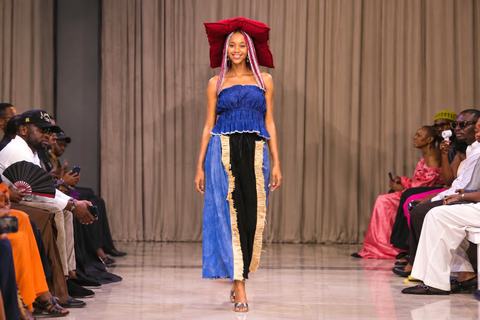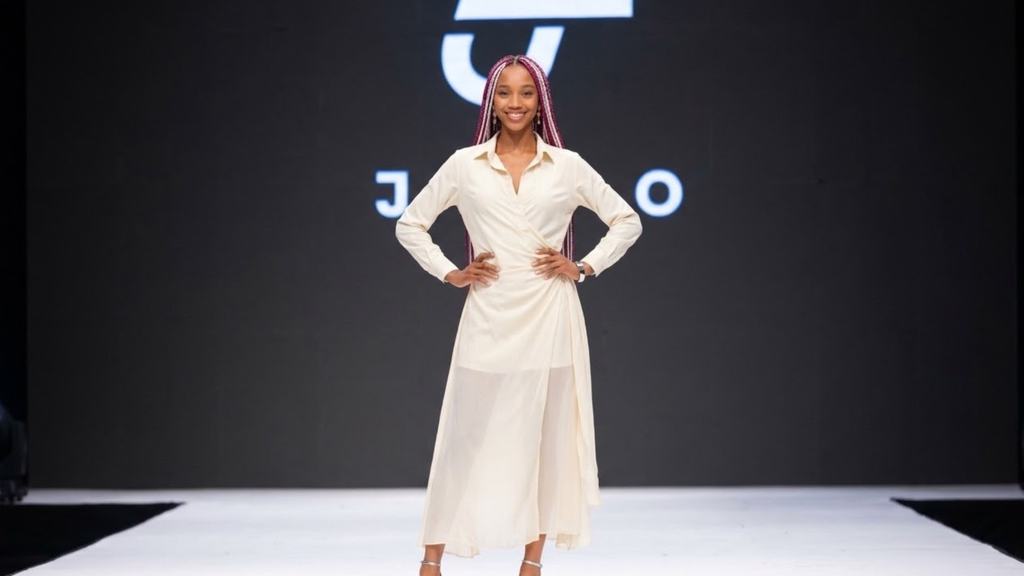
JZO Fashion and the Changing Language of Nigerian Menswear
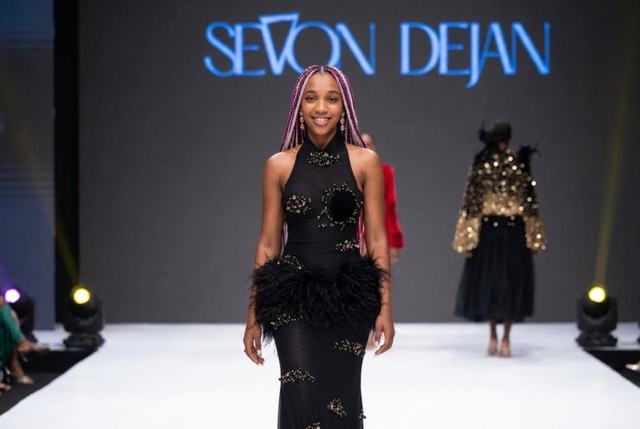
READ: Sevon Dejana Fashion Brand: Segun Edikan’s Vision of Couture
Menswear is often discussed through familiar categories such as formal suits, casual shirts, traditional attire and streetwear. Yet contemporary designers are increasingly questioning the boundaries between these categories, creating garments that allow men to express cultural identity, individuality and modern lifestyles in more flexible ways.
JZO fashion belongs to this wider conversation. The Nigerian label was established around a vision of clothing that respects tradition while exploring contemporary design. Its philosophy treats fashion as more than a collection of garments. Clothing becomes a language through which people communicate identity, movement and their relationship with the world around them.
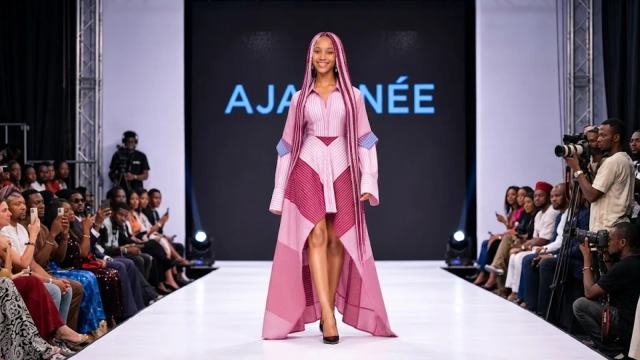
READ: Ajanée Fashion Brand: Luqman Ajani’s Vision of Individuality and Reuse
Founded in 2014 by Ola Akindeinde and Joseph O. Ike, JZO developed from a shared creative ambition. The founders came from different professional backgrounds, with biochemistry and architecture informing their experiences before their move into fashion. Their decision to build a label together reflects an interest in bringing different ways of thinking into the design process.
For me, this is an important part of the JZO story. Fashion is often associated with instinct, inspiration and aesthetics, but a successful garment also depends on structure, materials, construction and an understanding of how people live. Bringing different professional perspectives into design can encourage a brand to approach these elements in new ways.
JZO’s creative direction seeks to preserve a relationship with Nigerian cultural identity while making room for experimentation. Its work raises questions about what contemporary African menswear can look like when tradition becomes a starting point for innovation rather than a boundary that limits it.
The Founders Behind JZO Fashion
JZO was founded in 2014 by Ola Akindeinde and Joseph O. Ike, two creatives who shared an interest in telling a different story about Nigerian fashion.
Their professional backgrounds were not conventional routes into the industry. Akindeinde’s background in biochemistry and Ike’s in architecture brought different forms of knowledge to their shared fashion venture.
Biochemistry involves the study of biological processes and the interactions of substances within living systems. Architecture, meanwhile, considers space, structure, form and the relationship between designed objects and the people who use them. Although these disciplines serve different purposes, both require careful observation, analysis and the ability to understand how separate elements work together.
In fashion, such thinking can be useful when considering the behaviour of materials, the structure of a garment and the relationship between clothing and the human body.
JZO’s founders set out to create a label that could honour Nigerian traditions while embracing a contemporary perspective. Their mission reflects a desire to challenge established ideas about masculinity in African fashion and to design clothing for people who see what they wear as part of their identity.
This is a broader ambition than simply producing seasonal collections. It involves establishing a clear design philosophy, understanding an audience and developing garments that communicate a consistent point of view.
The brand’s evolution has included experimentation with fabrics, silhouettes and craftsmanship. These elements allow the designers to explore how familiar forms can be reinterpreted without losing their relationship with the cultural context from which they emerge.
JZO fashion therefore provides an example of how a Nigerian label can build its identity around the meeting point between tradition, contemporary design and personal expression.
How Architecture and Structure Can Influence Fashion
The relationship between architecture and fashion offers an interesting way to understand how garments are designed. Architecture deals with proportion, balance, structure and the experience of moving through space. Fashion also involves these considerations, although its structures must respond to the movement and needs of the human body.
A garment is not simply a flat arrangement of fabric. It has volume, weight, seams, openings and proportions that influence how it looks and behaves when worn.
The placement of a shoulder seam can affect the appearance of a jacket. The length of a shirt can change how it works with trousers. A wider silhouette may communicate ease, while a more fitted shape can introduce definition.
These decisions become especially important when a designer wants to reinterpret familiar clothing. Traditional garments may have established proportions or methods of construction, but contemporary design can examine which elements should remain, which can be adjusted and how the finished piece can serve a modern wearer.
JZO’s combination of contemporary design and cultural reference creates space for this kind of exploration. Its founders’ different professional backgrounds also provide an interesting context for considering how fashion can benefit from approaches to structure and problem-solving that extend beyond conventional design training.
This does not mean that architecture determines the appearance of every garment. Rather, it shows how an understanding of form and construction can support the development of clothing that feels intentional.
For Nigerian menswear, this relationship is relevant because the industry includes many different ways of interpreting traditional attire, modern tailoring and everyday dressing. A strong understanding of structure can help designers explore these categories without simply reproducing familiar forms.
Tradition and Innovation in JZO Fashion
Cultural tradition is an important source of meaning in African fashion. Clothing can reflect community identity, social occasions, craftsmanship and the histories associated with particular materials or forms of dress.
However, tradition is not necessarily static. The ways people dress change as lifestyles, technologies, economic circumstances and personal preferences evolve.
Contemporary designers often work within this relationship between continuity and change. They may retain a familiar textile or reference a traditional silhouette while adjusting its proportions, construction or intended use.
JZO’s mission of honouring tradition while embracing the future reflects this approach. It positions cultural identity as something that can continue to develop through design rather than something that must remain unchanged.
For the wearer, this can create opportunities to connect with cultural references while choosing clothing that fits contemporary life. A modern garment can acknowledge heritage without requiring the wearer to dress only for ceremonial occasions.
This is also important for how African fashion is understood internationally. Nigerian design includes a wide range of aesthetics, from traditional attire and richly embellished occasionwear to minimalism, streetwear, experimental tailoring and contemporary menswear.
A label such as JZO contributes to this diversity by exploring the relationship between cultural continuity and changing ideas about masculine style.
The most useful question is not whether tradition should be preserved or modernised. It is how designers can understand the traditions they reference and make thoughtful decisions about how those references are used.
When this process is handled carefully, clothing can communicate cultural identity without becoming restricted to a single interpretation of it.
Rethinking Masculinity Through Contemporary Menswear
Fashion can reinforce social expectations, but it can also provide a space in which those expectations are reconsidered.
Menswear has traditionally been shaped by familiar ideas about masculinity, including preferences for particular silhouettes, colours, materials and levels of decoration. These conventions remain influential, but designers continue to explore different ways for men to express themselves through clothing.
JZO’s stated interest in pushing the boundaries of traditional masculinity places the label within this broader conversation.
This does not require rejecting established menswear entirely. Tailoring, traditional attire and practical everyday clothing remain important to many people. The opportunity lies in expanding the available choices and encouraging individuals to consider how they want to present themselves.
Changes in silhouette can influence the impression a garment creates. Colour can communicate confidence or restraint. Fabric texture and construction can add character without relying on excessive decoration.
The way a garment is styled also matters. A piece may look formal in one combination and relaxed in another, demonstrating how personal choices contribute to the meaning of clothing.
For contemporary Nigerian menswear, this flexibility can be particularly valuable. Men may need wardrobes that accommodate professional responsibilities, cultural events, social occasions and everyday activities, often within the same week.
JZO fashion approaches this territory through a design philosophy that places identity and movement alongside construction and aesthetics.
Materials, Craftsmanship and the Finished Garment
A design concept must eventually become a physical product. This is where material selection and craftsmanship become essential.
Different fabrics behave in different ways. Some provide structure, while others drape softly or move easily with the body. A fabric that works well for a relaxed shirt may not be suitable for a sharply tailored jacket without additional construction techniques.
The designer must therefore understand how materials support the intended silhouette and whether the finished garment will perform as expected.
Construction quality also affects durability. Seams, closures, finishing and the way separate panels are joined influence how a garment withstands repeated wear.
For brands seeking to build long-term customer relationships, these details are as important as the initial visual impression. A distinctive design may attract attention, but the quality of the product influences whether a customer will wear it repeatedly or return to the brand.
JZO’s interest in experimenting with fabrics, silhouettes and craftsmanship provides a framework for considering these issues within contemporary Nigerian menswear.
Craftsmanship also has cultural significance. Across Nigeria, tailoring and garment-making skills form part of a wider creative economy involving designers, textile suppliers, pattern cutters and other professionals.
When brands invest in these skills, they contribute to the practical infrastructure needed to turn creative concepts into finished clothing.
The challenge is to balance experimentation with consistency. A design should express the intended creative idea while meeting appropriate standards for fit, construction and wearability.
The Commercial Realities of Building a Nigerian Fashion Brand
Fashion entrepreneurship involves more than producing garments that look attractive. A brand must understand its customers, determine its costs, manage production and communicate clearly about what it sells.
These considerations are particularly important for independent Nigerian labels operating in a market where material prices, production capacity and consumer spending can change.
Designers must calculate the cost of fabric, labour, finishing, packaging, distribution and other business expenses. Pricing must account for these costs while remaining appropriate for the intended customer.
Production planning also matters. A brand that accepts more orders than it can fulfil may struggle to maintain quality or meet delivery commitments. A label that produces too much stock without understanding demand may tie up money in unsold garments.
For JZO, a clearly defined design philosophy can help establish the foundation for business decisions. When a brand understands the type of clothing it wants to make and the people it hopes to serve, it can make more deliberate choices about materials, production and marketing.
However, a creative identity alone does not guarantee commercial success. Businesses also need reliable operations, customer service, financial discipline and the ability to adapt to changing circumstances.
This is a useful lesson for aspiring designers. Talent can create the first collection, but sustained growth requires systems that allow the business to operate consistently.
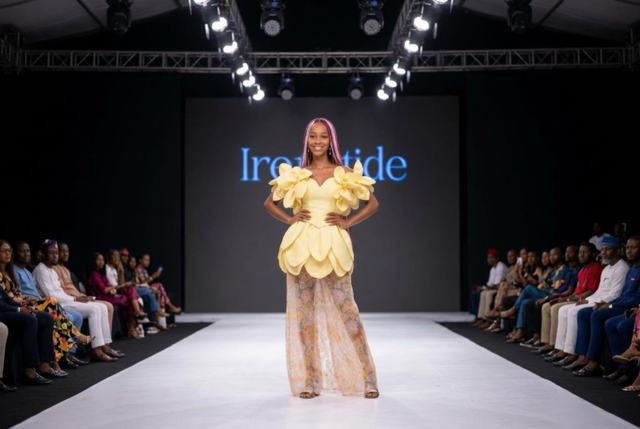
READ: Iremitide Fashion Brand: The Art of Occasionwear and Dramatic Elegance
JZO Fashion and the Future of African Menswear
African menswear continues to develop through the work of designers who reinterpret cultural references, experiment with materials and respond to changing lifestyles.
JZO contributes to this movement by treating clothing as a form of communication. Its design philosophy places emphasis on identity, culture and movement, allowing garments to become part of a broader conversation about how African men dress in contemporary life.
This approach challenges the assumption that modern menswear must imitate international trends without reference to local experience. It also avoids the opposite limitation of treating African identity as something that can only be communicated through conventional traditional clothing.
Instead, JZO’s stated mission creates room for a relationship between heritage and innovation. A designer can acknowledge cultural influences while exploring new silhouettes, construction methods and ways of wearing familiar garments.
For customers, this creates more possibilities for building a wardrobe that reflects both personal taste and cultural connection.
For the industry, it highlights the importance of supporting designers who develop distinctive identities rather than relying entirely on temporary trends.
Readers interested in how Nigerian labels translate cultural identity into contemporary design can also explore Dukun’s interpretation of Itsekiri heritage, which considers the relationship between cultural references, construction and modern fashion.
Why JZO’s Story Matters at Lagos Fashion Week
Lagos Fashion Week provides a platform for designers to present their work within a wider conversation about African creativity, craftsmanship and the future of the fashion business.
For JZO, participation connects its design philosophy with an audience interested in how Nigerian labels interpret contemporary style. The brand’s emphasis on tradition, identity and modernity gives its work a context beyond the appearance of individual garments.
It also raises important questions about the development of menswear in Nigeria. How can designers create clothing that respects cultural traditions while responding to modern lifestyles? How can local craftsmanship support experimental ideas? How can labels build commercially sustainable businesses without losing their creative direction?
These questions do not have one answer. Different designers will respond according to their audiences, materials and design philosophies.
JZO’s contribution is its commitment to exploring the relationship between clothing and identity. Its founders’ backgrounds also remind us that creative industries can benefit from people who bring different forms of knowledge into the design process.
A Design Philosophy That Looks Both Backward and Forward
JZO fashion demonstrates that contemporary Nigerian menswear can draw strength from cultural identity while continuing to evolve.
Founded by Ola Akindeinde and Joseph O. Ike in 2014, the label developed from a shared vision of telling a different story about Nigerian fashion. Its focus on tradition, contemporary silhouettes, craftsmanship and personal expression provides a framework for exploring how clothing can reflect the lives of the people who wear it.
The brand’s wider significance lies in its willingness to question familiar assumptions about menswear. By approaching fashion as a language of identity and movement, JZO invites audiences to consider clothing as an active part of how people understand and present themselves.
For me, the lesson is that innovation does not require a designer to abandon cultural roots. It requires an understanding of those roots and the confidence to explore what they can become.
As Nigerian fashion continues to develop, labels that combine a clear identity with a willingness to experiment will remain important to the industry’s creative and commercial future.
The writer of this article does not claim to know the individuals named personally. The information about their backgrounds, as published on Global News Arena, is based on independent online research.
Are you interested in learning how to write professionally and earn money as a writer and content creator? Contact Auxi Chat today to start your writing journey immediately.
Need a professional website in 72 hours? Contact Auxi Chat
If you have an article, opinion piece, event or news story you would like published, Global News Arena would love to hear from you.