Cynthia Abila Fashion Brand: When Clothing Becomes a Record of Memory
READ: Sanwo-Olu walks the runway at Lagos Fashion Week 2026
Clothing can tell stories that extend beyond the person wearing it. A textile may carry the knowledge of the artisan who made it, a silhouette may recall a familiar cultural tradition, and a particular garment can become associated with someone whose presence continues to shape a family’s memories. Fashion can therefore operate as both a visual art and a means of remembering.
The Cynthia Abila fashion brand approaches clothing through cultural identity, craftsmanship and storytelling. Founded by Nigerian designer Cynthia Otiyo-Abila, the label is known for its feminine yet experimental aesthetic, distinctive colour combinations and interest in locally produced materials. The brand’s official information describes a commitment to African heritage, handwoven textiles, artisanal techniques and contemporary design for women who value their roots and personal stories.
READ: NKWO Fashion Brand: Nkwo Onwuka’s Vision for Sustainable African Design
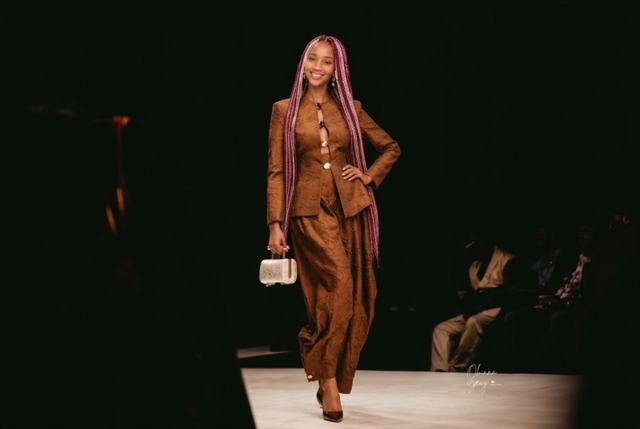
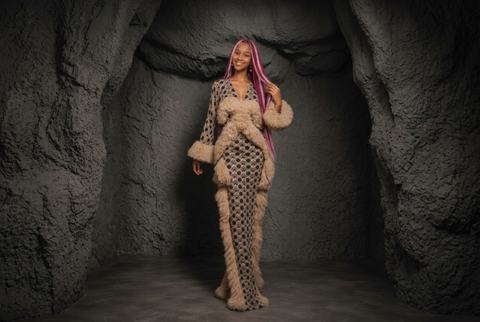
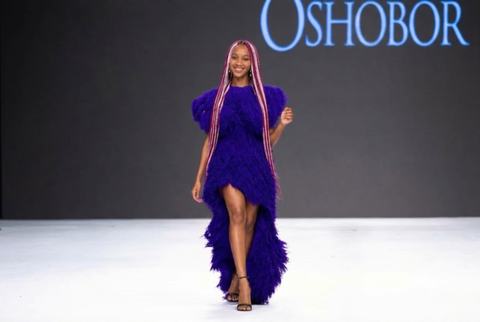
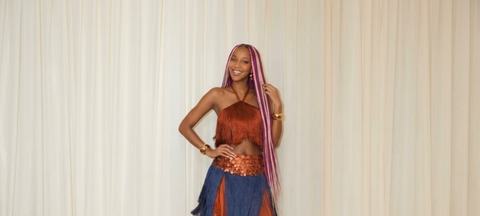
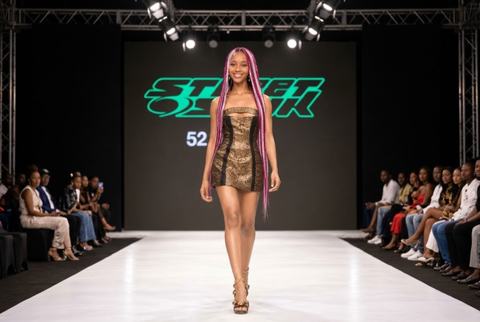
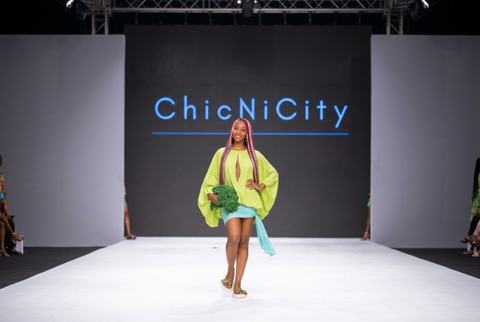
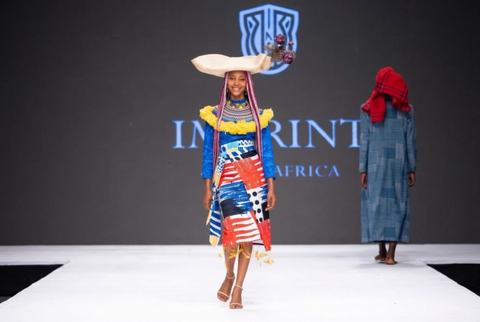
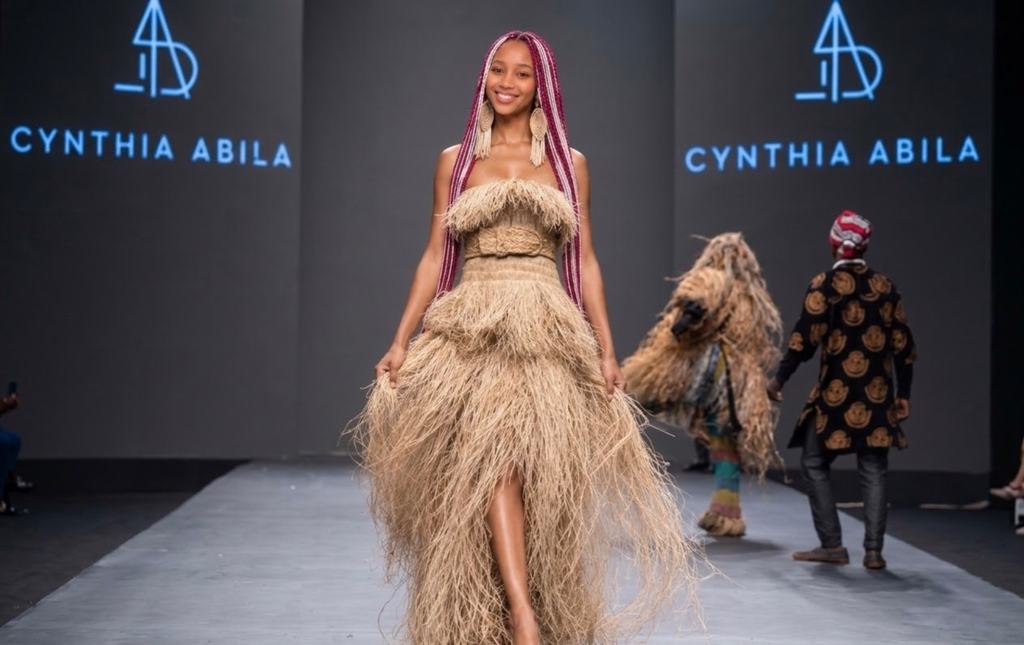
At Lagos Fashion Week in October 2026, the designer presented The Common Ground, a Spring/Summer 2027 collection dedicated to her late father. Coverage of the show described traditional drumming, crochet, sculptural accessories and contemporary tailoring, with the presentation using personal remembrance as an important part of its emotional centre.
I find this collection particularly meaningful because it demonstrates how fashion can hold a personal story without abandoning its visual and technical qualities. The garments remain designs to be examined for their material, construction and form, yet the collection’s dedication introduces another dimension. It encourages the audience to consider what clothing can communicate when it is connected to memory and loss.
Cynthia Otiyo-Abila and the Development of a Nigerian Design Identity
Cynthia Otiyo-Abila founded her fashion label to create clothing for women who want to explore different cultures while remaining connected to their own backgrounds. The Lagos Fashion Week designer biography describes her work as influenced by the cultures of South-South and South-Eastern Nigeria, with an emphasis on distinctive fabrication, local production and the preservation of handmade textile techniques.
The brand was established in 2015 according to the Lagos Fashion Week profile, while Industrie Africa lists its founding in 2016. These records differ slightly on the formal launch date, but both identify the label as a Nigerian womenswear business developed around cultural storytelling and craftsmanship. The brand has participated in Lagos Fashion Week across several editions, building a sustained presence within Nigeria’s contemporary fashion scene.
The designer’s stated interest in the travelling woman offers a useful way to understand the label’s perspective. Travel can expose people to different ways of dressing, different traditions and different ideas about beauty. Yet exploration does not necessarily require abandoning one’s origins. A person can encounter new influences while remaining connected to the experiences and cultural references that shaped them.
Fashion can express this relationship through the combination of indigenous textiles and contemporary forms. A locally woven fabric may be used in a tailored garment intended for modern city life. Traditional beadwork may be incorporated into an unexpected accessory. Familiar cultural references can appear in silhouettes that respond to contemporary tastes.
I believe this approach offers a broader understanding of identity. Cultural connection does not have to mean wearing traditional clothing exclusively, just as modern dressing does not require abandoning heritage. Designers can create space for both, allowing the wearer to move between different environments without treating identity as a choice between two opposing worlds.
Local Textiles and the Knowledge Behind Craftsmanship
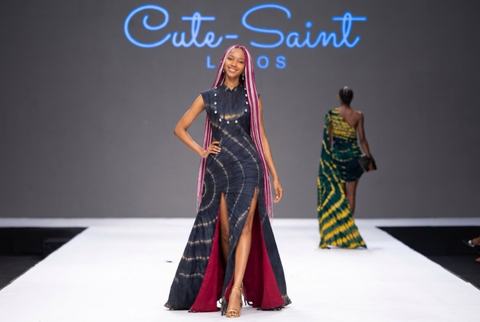
Cynthia Abila’s work has been associated with locally handwoven cotton, traditional patterns and decorative techniques that connect garments to Nigerian cultural practices. The brand’s official information also identifies handwoven textiles, hand-painted art, raffia and recycled materials among the elements used to develop its contemporary designs.
A textile is more than the surface of a garment. It reflects decisions about fibre, colour, pattern, weaving and finishing. When a fabric is produced by hand, the process may depend on specialised knowledge developed through years of practice. The finished material can carry subtle variations that distinguish it from a uniformly manufactured textile.
Traditional craft also depends on the people who practise it. Skills can be lost when younger generations have limited opportunities to learn them or when there is insufficient demand to support the work. Fashion can help create a market for these techniques, but the relationship needs to be built around appropriate compensation and recognition.
The value of local production is therefore not only that a garment is made within Nigeria. It can also involve keeping knowledge active, supporting artisans and allowing locally developed materials to influence contemporary design.
That does not mean every locally made garment is automatically sustainable or ethically produced. Production methods, material sourcing, working conditions, waste and durability still matter. A serious commitment to craftsmanship must consider the circumstances under which the work is done.
I find this distinction important because cultural references are sometimes celebrated without sufficient attention to the people who maintain the skills behind them. A design may receive public recognition, but the long term preservation of a technique depends on whether artisans can continue practising it and pass it on.
The Common Ground
: A Collection About Connection
The title The Common Ground suggests a place where different experiences can meet. It can refer to shared values, familiar memories or the points of connection that remain even when people have different lives. In the context of Cynthia Abila’s Spring/Summer 2027 presentation, the title was particularly resonant because the collection was dedicated to her late father.
The show’s reported use of traditional drumming, crochet, sculptural accessories and contemporary tailoring brought together several forms of expression. The combination created a setting in which cultural references and personal remembrance could coexist.
The dedication gave the collection an emotional centre. Yet the meaning of that dedication does not need to be reduced to one interpretation. A tribute can express love, grief, gratitude or the continuing influence of a person’s life. Viewers may understand the garments through their own experiences of family and memory.
The finale, described by Deeds Magazine, made the personal nature of the presentation especially visible when Abila appeared in a T-shirt bearing the words “I miss my daddy”. It was a simple statement, but within the context of the show it changed the way the earlier looks could be understood. The runway became a place where personal grief could be acknowledged publicly without requiring a long explanation.
I believe this is one of the more powerful possibilities of fashion. Clothing is usually associated with appearance, but a garment can also carry an emotion that is difficult to communicate directly. A familiar object, a written message or a particular material can make a personal experience visible to other people.
At the same time, the collection’s emotional meaning does not replace the importance of design. The textiles, silhouettes and construction still matter. The strength of the presentation lies in the way the personal narrative and the clothing can be considered together.
Craft, Crochet and Sculptural Accessories
The reported details of The Common Ground also offer an opportunity to consider how different craft techniques can shape a contemporary collection. Crochet introduces a distinctive surface and structure, while sculptural accessories can change the proportions and visual character of an outfit. Tailoring brings another dimension through its emphasis on fit, clean lines and controlled construction.
Crochet can create patterns through loops and openings, producing a surface that differs from conventional woven fabric. Depending on the yarn, density and technique, it can feel delicate, open, structured or substantial. Its visual qualities make it adaptable to accessories, panels and complete garments.
Sculptural accessories can work almost like small pieces of wearable art. They may frame the body, establish a focal point or create contrast with a more restrained garment. Their effectiveness depends on proportion, weight and how comfortably they can be worn.
Tailoring offers a different kind of precision. A well constructed jacket or pair of trousers depends on the relationship between pattern pieces, fabric behaviour and the intended fit. When tailoring is combined with crochet or sculptural accessories, the designer must manage contrasting visual and technical requirements.
This is why material knowledge matters. Each technique has its own strengths and limitations, and the designer must understand how the elements will behave together. A striking idea becomes a successful garment when the construction supports the intended result.
Local Production and the Wider Value of Fashion
Cynthia Abila’s official information describes the brand as working with local artisans and using production to create opportunities within communities. Industrie Africa’s profile similarly notes that the brand’s garments are produced locally, from design and material sourcing through construction, and that it provides training and opportunities for artisans in surrounding areas.
Local production can contribute to a stronger creative economy when it provides reliable work, develops skills and supports the growth of small businesses. Fashion connects several forms of labour, including textile production, pattern cutting, sewing, finishing, photography, styling, distribution and retail. The finished garment represents the work of a wider network.
READ: Ajanée Fashion Brand: Luqman Ajani’s Vision of Individuality and Reuse
However, creating local opportunities requires more than locating production within a country. Businesses need to plan fairly, maintain consistent orders where possible, communicate clearly and compensate people appropriately. Training can help expand skills, but it is most valuable when it connects to real opportunities to practise those skills.
There are also environmental considerations. Locally made clothing may reduce certain transport requirements, but its overall impact depends on materials, production methods, energy use, waste and the garment’s useful life. Responsible fashion requires attention to the full process rather than relying on one feature as proof of sustainability.
I believe the long term value of local fashion production lies in building systems that allow creative businesses and skilled workers to develop together. Designers need reliable production partners, while artisans need opportunities to earn from their knowledge and improve their professional prospects.
Cynthia Abila fashion brand and the Wider Nigerian Fashion Landscape
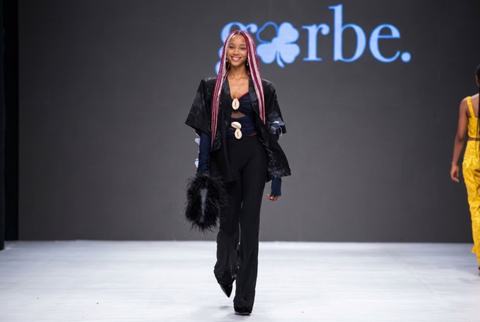
Cynthia Abila’s work occupies a space where cultural references, local materials and contemporary womenswear meet. The brand’s interest in South-South and South-Eastern Nigerian influences provides a particular cultural perspective, while its use of tailoring, accessories and modern silhouettes keeps the garments connected to contemporary dressing.
Its Lagos Fashion Week presentation of The Common Ground added a personal dimension to that creative identity. The dedication to the designer’s father demonstrated how a collection can connect private experience with public presentation, allowing an audience to engage with a story through both clothing and atmosphere.
I find the combination of cultural craft and personal remembrance especially relevant to the wider fashion industry. Designers often work with themes of heritage, but heritage is not only about objects or historical references. It also includes the people who shape our lives, the memories we carry and the relationships through which traditions are passed on.
A garment can reflect those connections without needing to explain every detail. A fabric, a technique or a written message may be enough to open a space for interpretation. When the design is thoughtful, the audience can respond to the work while bringing its own experiences into the encounter.
The challenge is to ensure that this expressive potential is supported by strong construction, responsible production and a sustainable business model. Fashion can communicate powerful ideas, but a label also needs to make clothing that meets the needs of the people who wear it.
Ultimately, Cynthia Abila’s story suggests that the common ground between heritage and modernity may be found in the way people carry their experiences forward. Cultural traditions can inform contemporary design, and personal memories can become part of a public creative language. Through The Common Ground, the relationship between clothing, craftsmanship and remembrance became central to the collection’s meaning.
The writer of this article does not claim to know the individuals named personally. The information about their backgrounds, as published on Global News Arena, is based on independent online research.
Are you interested in learning how to write professionally and earn money as a writer and content creator? Contact Auxi Chat today to start your writing journey immediately.
Need a professional website in 72 hours? Contact Auxi Chat
If you have an article, opinion piece, event or news story you would like published, Global News Arena would love to hear from you.