Christie Brown Fashion Brand: The Story Behind a Ghanaian Luxury Label
READ: Cynthia Abila Fashion Brand: The Common Ground Between Heritage and Memory
Luxury fashion is often discussed through price, exclusivity and the materials used to make a garment. Yet a deeper understanding of luxury considers the thought behind the design, the skill involved in construction and the history that gives a piece its character. A garment may be visually striking, but its wider significance can emerge from the relationship between its craftsmanship and the ideas it communicates.
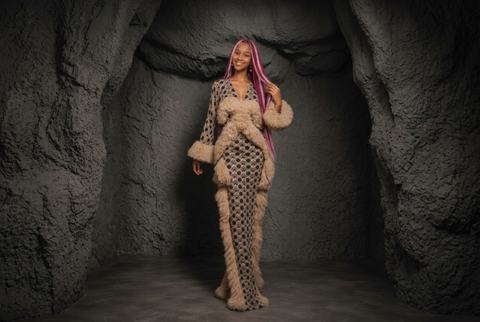
The Christie Brown fashion brand, founded in Ghana in 2008 by Aisha Ayensu, has developed its identity around this relationship between heritage and contemporary design. The brand describes itself as a luxury fashion house that interprets African craftsmanship through modern silhouettes, combining traditional artisanal techniques with a design language intended for the contemporary woman. Its name pays tribute to Ayensu’s grandmother, a Ghanaian dressmaker whose skill and personal style helped inspire the designer.
READ: Sanwo-Olu walks the runway at Lagos Fashion Week 2026
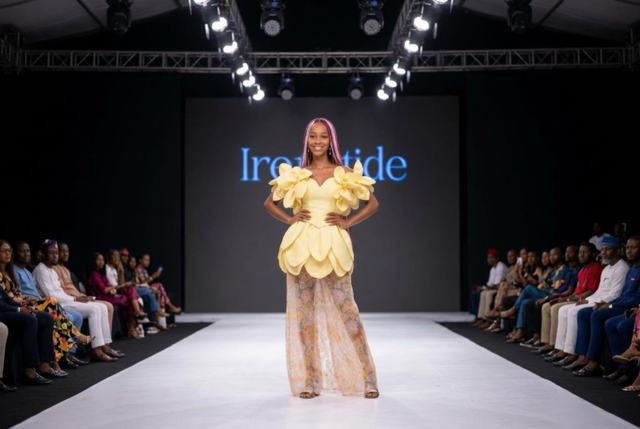
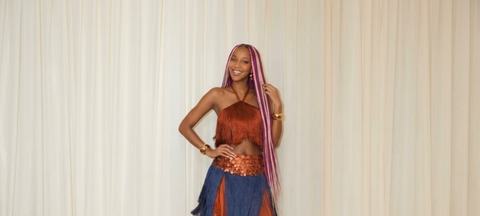
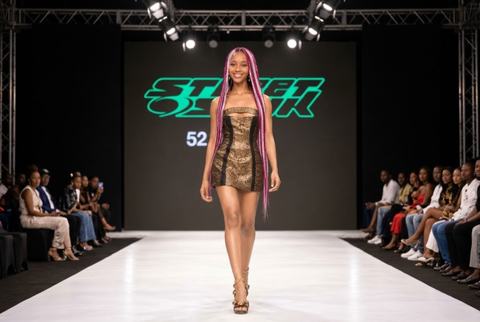
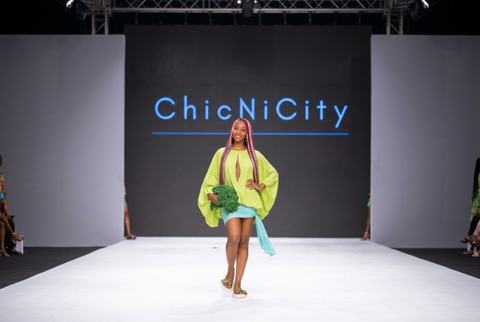
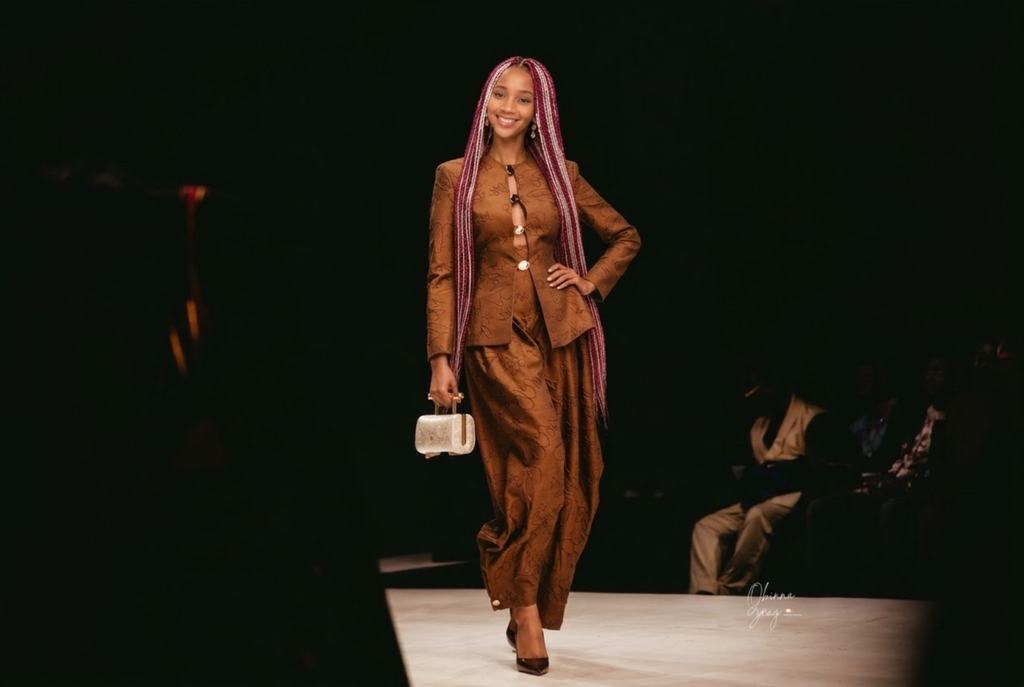
Christie Brown appeared at Lagos Fashion Week in October 2026, where coverage described a collection combining neutral tones, chiffon prints, metallic finishes and sharp tailoring. These elements created a meeting point between softness and structure, decorative surfaces and controlled silhouettes.
I find Christie Brown’s story important because it illustrates how a fashion label can draw on family influence and cultural knowledge while developing a contemporary business identity. Heritage is not treated as something that must remain unchanged. It becomes a source of inspiration for garments that respond to modern tastes, occasions and lifestyles.
Aisha Ayensu and the Influence of a Dressmaking Tradition
Aisha Ayensu is the founder, chief executive and creative director of Christie Brown. The brand’s official biography identifies her grandmother, Christie Brown, as a Ghanaian dressmaker whose craftsmanship and style inspired the label’s creation. Ayensu launched the brand in 2008, building a business that places Ghanaian heritage and African artisanal techniques within contemporary luxury fashion.
The family connection is central to the brand’s name and identity. Dressmaking involves more than the ability to sew fabric together. It requires an understanding of fit, proportion, materials, finishing and the relationship between a garment and the person wearing it. For many families, these skills are passed down through observation and practice, with younger generations learning not only technical methods but also the standards and values associated with making clothing.
A designer who draws on a family tradition still needs to develop an individual approach. The inherited influence may provide a foundation, but the designer must decide how that knowledge will be interpreted, which techniques will be retained and how the resulting garments will speak to a contemporary audience.
I believe this is one of the most compelling aspects of Christie Brown. The brand’s identity connects the memory of a skilled dressmaker with a modern fashion house. It suggests that tradition can remain relevant when it is treated as a living source of knowledge rather than as a fixed style that must be copied.
Ayensu’s work also illustrates the importance of building a clear creative identity. A fashion label needs to communicate what makes its products recognisable. This may involve a particular approach to prints, tailoring, proportion, colour or craftsmanship. When those elements are developed consistently, customers can begin to recognise the design language across different collections.
Heritage Reinterpreted Through Modern Silhouettes
Christie Brown’s official materials describe a design philosophy that combines traditional artisanal techniques with modern silhouettes. This approach creates a relationship between the history of a textile or craft method and the form of the finished garment.
A traditional technique does not have to result in a traditional silhouette. A designer may use a familiar textile in a contemporary jacket, reinterpret an established decorative method for a modern dress or combine hand crafted details with precise tailoring. The result can acknowledge the source of the technique while giving it a different role in the final design.
This is particularly important in a fashion industry where heritage is sometimes reduced to the use of recognisable patterns or ceremonial clothing. Cultural influence can operate at many levels, including the method of construction, the choice of materials, the arrangement of details and the values associated with craftsmanship.
Modern silhouettes also require careful technical decisions. A sharply tailored jacket depends on the relationship between its panels, lining and structure. A flowing dress needs to respond to movement, while a more sculptural garment may require support to maintain its shape. The designer must understand how traditional and contemporary elements can work together without weakening the construction.
I find this combination valuable because it allows cultural references to remain present without limiting the designer to a narrow visual formula. It also encourages audiences to appreciate the work behind the garment, including the knowledge required to translate an artisanal technique into a contemporary piece.
The Meaning of Luxury in African Fashion
Christie Brown’s identity as a Ghanaian luxury brand raises a broader question about how African fashion is positioned within the global industry. Luxury is often associated with a small number of international fashion capitals and long established labels. Yet designers across Africa are building businesses that define luxury through their own relationships with craft, culture, quality and contemporary style.
For Christie Brown, the stated emphasis on heritage and craftsmanship places African design knowledge at the centre of its luxury identity. The brand does not need to separate cultural influence from modern sophistication. Instead, it treats the two as compatible parts of its design language.
Luxury also involves the experience of wearing and maintaining a garment. Construction, fit, fabric quality and finishing all contribute to how a piece performs over time. A garment may have an interesting story, but that story should be supported by the quality of the product itself.
There is also a commercial dimension. A luxury label must understand its intended audience, manage production costs and maintain standards across different pieces. Bespoke gowns and statement ready to wear clothing can require different production methods, yet both depend on clear design decisions and careful execution.
I believe African luxury becomes more compelling when it is allowed to define itself through the strengths of its own creative industries. That includes traditional skills, locally developed design perspectives and the ability to reinterpret familiar techniques for changing audiences. International recognition can be valuable, but it should not be the only measure of a label’s worth.
Christie Brown at Lagos Fashion Week 2026
The brand’s Lagos Fashion Week 2026 presentation was described through neutral tones, chiffon prints, metallic finishes and sharp tailoring. These elements suggest a collection built around the contrast between movement and structure.
Chiffon can create a light, flowing surface that changes with the wearer’s movement. Metallic details introduce a reflective quality, directing attention towards selected areas of a garment. Tailoring provides a more controlled outline, creating structure and definition. When combined carefully, these elements can give a collection variety without losing its visual coherence.
Neutral colours can also offer a useful foundation for texture and construction. They allow the audience to notice differences in fabric, shape and finishing without every element competing for attention. A metallic surface may become more prominent against a restrained palette, while a printed chiffon panel can introduce movement without dominating the entire look.
This is not to suggest that neutral colours are inherently more sophisticated than bright colours. Colour works according to context and intention. A vivid shade can be equally refined when its placement and relationship with the rest of the garment are carefully considered.
Fashion Week provides an opportunity to see how a designer brings these choices together across a collection. Individual garments may differ in shape and detail, but the overall presentation can reveal the designer’s priorities and the relationships between different pieces.
For Christie Brown, the reported combination of prints, metallic finishes and tailoring fits within its longer stated interest in combining African heritage with modern design. It demonstrates how a luxury label can explore cultural influence without relying on one fixed silhouette or colour palette.
A Brand Built Around the Modern Woman
Christie Brown’s official story describes its collections as reflecting the journey of the woman for whom the clothes are designed. The brand presents a vision of femininity that combines strength, confidence and personal expression.
Clothing can support that expression in different ways. A sharply tailored jacket may create a sense of structure, while a flowing dress can offer freedom of movement. A bold print can make a statement, while a more restrained design may allow the wearer’s personal style to take precedence. None of these choices represents a single definition of femininity.
The modern woman is not one uniform customer. People have different professional responsibilities, cultural backgrounds, budgets and preferences. Some need clothing that moves between work and social occasions, while others seek pieces for formal events or individual expression. A brand that understands its audience must recognise these differences.
This is where versatility becomes important. A garment’s value can depend on how comfortably it fits into the wearer’s life, how it can be styled and whether its quality justifies the investment. Design should create an experience that extends beyond the runway image.
I believe that a thoughtful fashion brand can communicate a clear identity while leaving room for the wearer to interpret the clothes personally. The designer establishes the shape, material and visual language, but the person wearing the garment brings their own character and experience to it.
Craftsmanship, Production and the Responsibility of Growth
A fashion house built around craftsmanship depends on the people who carry out the work. Designers may establish the creative direction, but garments require skilled hands, careful production planning and quality control. Traditional techniques can only remain active when there are opportunities for people to practise them, teach them and earn from their knowledge.
READ: Sevon Dejana Fashion Brand: Segun Edikan’s Vision of Couture
That creates a responsibility for fashion businesses. The use of artisanal techniques should be supported by an understanding of the labour involved and the conditions under which products are made. Cultural storytelling becomes more meaningful when the people whose skills help realise the designs are treated as important participants in the process.
Production also has to be commercially viable. A luxury brand must manage material costs, time, staffing, customer expectations and the realities of making garments to a high standard. Bespoke clothing may require individual fittings and adjustments, while ready to wear production demands consistency across different sizes and pieces.
These demands become more complex as a brand grows. A larger audience can create opportunities, but it can also place pressure on supply and quality. The business must decide how to increase capacity without losing the attention to detail that defines its products.
I find this an essential part of discussing African fashion. Creative recognition is important, but lasting success depends on the strength of the business behind the collection. The industry needs designers who can build sustainable operations, support skilled workers and maintain a clear creative identity over time.
What Christie Brown Contributes to Contemporary African Luxury
Christie Brown’s story brings together family influence, Ghanaian craftsmanship and contemporary luxury design. Through Aisha Ayensu’s creative direction, the brand interprets traditional artisanal techniques within modern silhouettes, building a fashion identity that connects heritage with the lives of contemporary women.
Its Lagos Fashion Week 2026 presentation, described through neutral tones, chiffon prints, metallic finishes and sharp tailoring, offered another expression of that relationship. The collection’s reported design elements showed how texture, structure and surface can work together to create a varied yet considered visual language.
I believe the brand’s wider significance lies in its treatment of heritage as a source of possibility. A family dressmaking tradition can influence a contemporary fashion house. Traditional techniques can enter modern garments. Cultural identity can remain central to luxury without preventing innovation.
At the same time, the value of a fashion label must be assessed through more than its story. Quality, construction, responsible production and a viable business model all matter. The strongest brands connect their creative ideas to the everyday realities of making and wearing clothing.
Christie Brown demonstrates one way an African fashion house can bring those concerns together. Its identity is rooted in Ghanaian heritage, but its design language remains open to contemporary forms, changing audiences and new interpretations of craftsmanship.
Ultimately, the brand’s story is a reminder that tradition does not have to stand still to be respected. It can continue through the work of designers who understand its value and find thoughtful ways to carry it into the present. When that process is supported by skill, consistency and creative independence, heritage becomes more than a reference to the past. It becomes part of the future of fashion.
The writer of this article does not claim to know the individuals named personally. The information about their backgrounds, as published on Global News Arena, is based on independent online research.
Are you interested in learning how to write professionally and earn money as a writer and content creator? Contact Auxi Chat today to start your writing journey immediately.
Need a professional website in 72 hours? Contact Auxi Chat
If you have an article, opinion piece, event or news story you would like published, Global News Arena would love to hear from you.