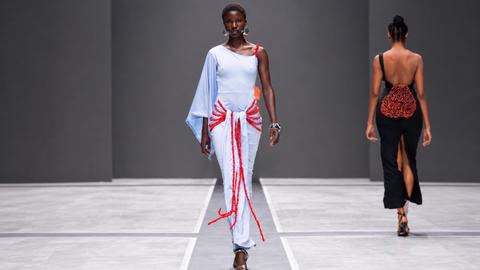
BOYEDOE Fashion and the Reinvention of African Luxury
READ: Maliko at Lagos Fashion Week 2026: Artisanal Footwear
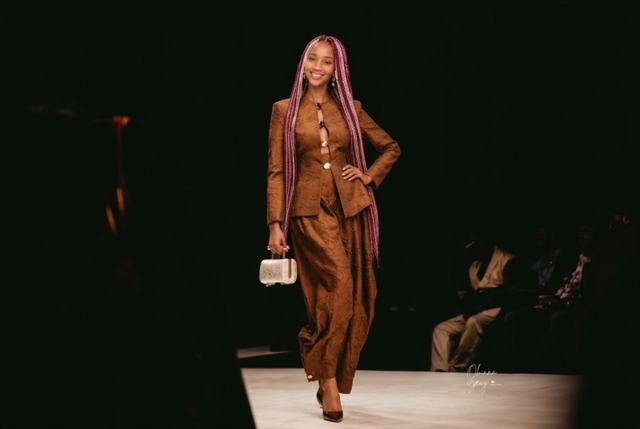
BOYEDOE fashion approaches contemporary luxury through a combination of cultural storytelling, material experimentation and responsible design. Founded in 2020 by Ghanaian designer David Kusi Boye-Doe, the label explores how African heritage can be interpreted through modern silhouettes, distinctive textures and garments that challenge conventional ideas about how clothing should be made.
The brand's design philosophy centres on deconstruction and reconstruction. Rather than treating existing materials as finished products that cannot be changed, this approach examines how garments and textiles can be taken apart, reworked and transformed into something new. The process gives materials another purpose while allowing the designer to experiment with construction and form.
READ: Christie Brown Fashion Brand: Aisha Ayensu’s Vision of African Luxury
This philosophy also raises an important question about luxury. Traditionally, luxury fashion has often been associated with exclusivity, expensive materials and elaborate production. Contemporary designers are expanding that understanding by considering craftsmanship, originality, responsible sourcing and the creative value of transforming what already exists.
BOYEDOE brings these ideas together through a design identity influenced by African culture, folklore, colour and texture. Its approach demonstrates that contemporary African luxury does not have to rely on a single formula. It can be expressive, experimental and conscious of the resources used to produce clothing.
David Kusi Boye-Doe: The Designer Behind the Brand
David Kusi Boye-Doe founded BOYEDOE in 2020 with a vision of sharing African creativity through a contemporary fashion language. His design philosophy connects cultural influences with an interest in sustainability and the transformation of materials.
Boye-Doe studied at the Joyce Ababio College of Creative Design in Ghana, where he was recognised for his creative work and academic development. His early achievements included recognition in the Merck Fashion Award Ghana and the Vlisco Fashion Fund Ghana in 2019, followed by further recognition in the Accra Mall Future Fashion Fund.
The brand also gained visibility through the inaugural ARISE 30 Under 30 New Stars programme in Lagos in 2020. These early milestones helped introduce BOYEDOE to a wider African fashion audience and provided a platform for the label's continued development.
Boye-Doe's creative direction reflects an interest in the relationship between African heritage and future-facing design. Instead of viewing tradition as something that must remain unchanged, his work explores how cultural references can inform new forms of expression. Colour, texture, pattern and construction become ways to interpret those influences through contemporary garments.
The development of BOYEDOE illustrates how a designer can build a recognisable identity by combining a clear creative philosophy with experimentation in materials and silhouettes.
The Sankofa Philosophy and Looking Towards the Future
The Sankofa concept, associated with the Akan people of Ghana, expresses the importance of returning to the past to retrieve knowledge that can help shape the future. The idea is often represented by a bird looking backwards while moving forward, symbolising the value of learning from what came before.
For BOYEDOE, this concept provides a meaningful foundation for its design philosophy. African heritage, folklore and cultural references become starting points for new interpretations rather than fixed images that must be reproduced without change.
This perspective is particularly relevant to fashion because clothing constantly moves between history and modern life. Traditional techniques, textiles and patterns can be reinterpreted through contemporary tailoring, new proportions or unexpected combinations of materials. The resulting garments can communicate a connection to heritage while reflecting the tastes and realities of the present.
The Sankofa philosophy also relates to the brand's approach to reconstruction. Existing materials carry their own histories, and transforming them into new garments creates another chapter in their use. A previously overlooked textile or discarded garment can acquire a different meaning through careful design.
This connection between cultural memory and material reuse gives BOYEDOE a creative direction that extends beyond appearance. It brings together questions about where fashion comes from, how it changes and what designers can learn from the past.
Deconstruction and Reconstruction in Contemporary Fashion
Deconstruction involves examining the components of a garment and reconsidering how they can be used. Seams, panels, sleeves, collars and other elements may be separated, repositioned or combined with different materials. Reconstruction then brings those elements together in a new form.
This process can create garments that are visually distinctive because they do not follow conventional construction patterns. Different textures may appear alongside one another, familiar pieces can acquire unexpected proportions, and previously separate materials can become part of a unified design.
For BOYEDOE, deconstruction and reconstruction are also connected to sustainability. Reworking existing garments or using unsold materials can reduce reliance on entirely new textiles. At the same time, the process demands creative decisions about which elements to retain, how to alter them and how to achieve a coherent finished piece.
The approach is not simply a matter of joining different fabrics together. Successful reconstruction requires an understanding of fit, structure, durability and the properties of each material. A garment must be thoughtfully assembled so that its visual impact is supported by sound construction.
When these elements work together, reconstruction becomes both a practical production method and a creative language. The history of a material can remain visible, while the finished garment communicates a new idea.
Sustainability and the Creative Value of Existing Materials
Fashion waste remains a major challenge for an industry that depends on textile production and frequent changes in consumer demand. Unwanted clothing, leftover stock and discarded fabrics can lose their commercial value even when their materials remain usable.
Designers who work with existing materials offer an alternative perspective. Instead of automatically treating unused clothing as waste, they examine what can be recovered and transformed. The process can create opportunities for distinctive garments while encouraging a more considered relationship with resources.
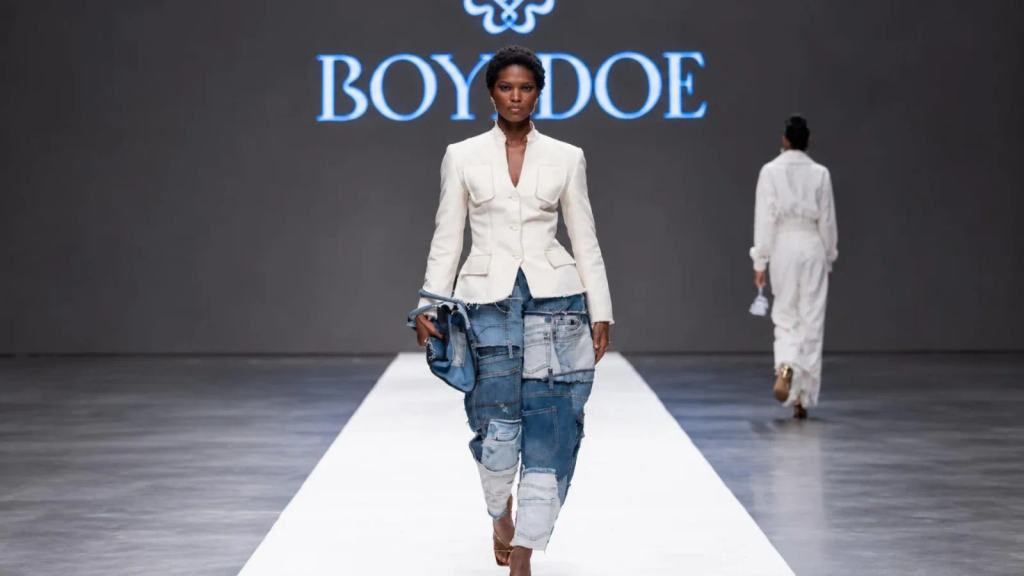
BOYEDOE's design philosophy includes the reuse and reconstruction of materials, with denim forming a notable part of its approach. Denim is durable and versatile, but its production can involve significant environmental costs. Reworking existing denim and other available materials offers a way to extend their useful life and create garments with individual character.
The brand's commitment to sustainability also connects to small-batch and made-to-order production principles. Producing clothing more deliberately can help reduce the risk of creating large quantities that remain unsold, although the environmental benefits depend on the details of sourcing, manufacturing and distribution.
Sustainability should therefore be understood as an ongoing process rather than a simple label. Material reuse is one useful approach, but garment quality, production volumes, labour and the length of time a piece remains in use also matter.
BOYEDOE's work places these considerations within a creative framework, showing how material reuse can contribute to a distinctive fashion identity rather than being treated only as a practical response to waste.
African Heritage Through Colour, Texture and Pattern
African fashion encompasses many cultural traditions, textile practices and design histories. These influences cannot be reduced to one visual style, because different communities and designers bring their own experiences and interpretations to the work.
For BOYEDOE, cultural storytelling is connected to the use of colour, texture, patterns and references to African folklore. These elements can help establish the character of a collection while creating a relationship between the garments and the cultural ideas informing them.
Texture is especially important because it changes how a garment is experienced visually. A smooth surface may create a different impression from a handwoven or reconstructed textile. When contrasting materials appear together, the resulting garment can draw attention to the relationship between their different properties.
Colour and pattern also contribute to the story. They can introduce energy, create contrast or connect different pieces within a collection. Their effectiveness depends on how they are used and how they relate to the overall silhouette.
The combination of these elements allows BOYEDOE to explore African references without limiting its work to a single interpretation of heritage. The result is an approach that treats culture as a source of creative possibility and contemporary fashion as a means of continuing that conversation.
BOYEDOE's Place in the International Fashion Conversation
The growth of African fashion has created more opportunities for designers to present their work to audiences beyond their home markets. International showcases and industry programmes can help labels gain visibility, connect with buyers and participate in conversations about the future of design.
READ: E.S.O by Liman Fashion: Memory, Heritage and Modern Craft
BOYEDOE's development has included participation in fashion platforms beyond Ghana. The label made its international debut as part of the ARISE 30 Under 30 New Stars programme in Lagos in 2020. It later presented work at Portugal Fashion Week and trade-show platforms in Paris, while also developing its presence within the Lagos Fashion Week environment.
In 2025, the brand was named a semi-finalist for the LVMH Prize, providing further recognition of its place among contemporary fashion labels exploring new approaches to design. Such milestones offer opportunities for visibility, although long-term success still depends on creative development, production quality and the ability to build a sustainable business.
International attention also brings a responsibility to communicate the specificity of African design. The continent's fashion industry contains many different aesthetics and cultural contexts. A label such as BOYEDOE contributes to that diversity by presenting its own interpretation of African heritage and contemporary luxury.
Readers interested in another perspective on the relationship between African fashion and responsible production can explore Global News Arena's feature on NKWO's vision for sustainable African design. The feature complements BOYEDOE's approach by examining a different way designers can connect creative identity with material choices.
What Makes BOYEDOE's Approach Distinctive?
BOYEDOE's identity emerges from the relationship between cultural storytelling, reconstructed materials and contemporary luxury. Its approach treats the garment as the result of several connected decisions: which materials to use, what elements to preserve, how to construct the finished piece and how its design communicates a wider idea.
This combination gives the brand a way to explore sustainability without separating it from creativity. Reused materials become part of the design process, while heritage references provide a context for the resulting garments.
The approach also reflects changing expectations within fashion. Increasingly, audiences are interested in understanding the ideas and production methods behind clothing. Questions about material origins, craftsmanship and waste can influence how people assess a label alongside more familiar considerations such as style and quality.
For designers, these expectations create opportunities to develop stronger connections between their values and their products. A clear philosophy can help a brand distinguish itself, provided that the garments consistently express that philosophy.
BOYEDOE's continuing development demonstrates the potential of combining African cultural references with experimental construction and a considered approach to materials. Its work contributes to a broader fashion conversation in which heritage and innovation are not treated as opposing forces.
Ultimately, contemporary African luxury can take many forms. Through deconstruction, reconstruction and cultural storytelling, BOYEDOE offers one interpretation: fashion that looks to the past for inspiration while creating new possibilities for the future.
The writer of this article does not claim to know the individuals named personally. The information about their backgrounds, as published on Global News Arena, is based on independent online research.
Are you interested in learning how to write professionally and earn money as a writer and content creator? Contact Auxi Chat today to start your writing journey immediately.
Need a professional website in 72 hours? Contact Auxi Chat
If you have an article, opinion piece, event or news story you would like published, Global News Arena would love to hear from you.