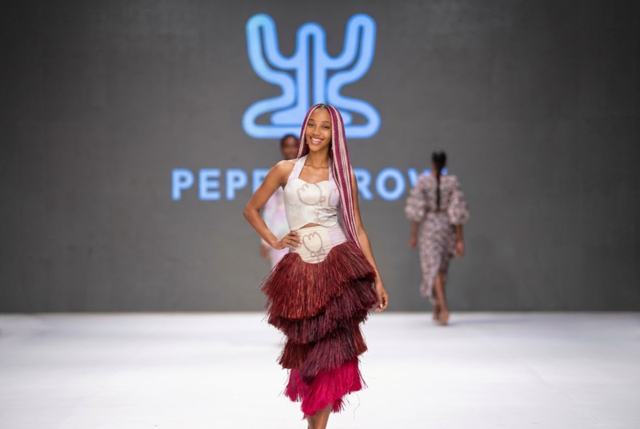
Studio Namnyak Fashion and the Meaning of East African Modernism
Studio Namnyak fashion offers a distinctive perspective on contemporary African design by bringing heritage techniques into conversation with modern forms. Founded in Nairobi by Namnyak Odupoy, the studio places craftsmanship, cultural identity and considered production at the centre of its creative philosophy.
The label's approach reflects an important question facing contemporary designers: how can traditional knowledge remain relevant in a changing fashion industry? For Studio Namnyak, the answer involves working with techniques such as handloom weaving, crochet, beadwork and leatherwork, then reinterpreting these methods through contemporary silhouettes and material combinations.
READ: NKWO Fashion Brand: Nkwo Onwuka’s Vision for Sustainable African Design
The resulting design language connects the knowledge of skilled makers with a modern understanding of clothing. Traditional techniques are not treated as objects that belong exclusively to the past. Instead, they become active elements in a creative process that allows designers to explore new proportions, textures and ways of constructing garments.
This relationship between heritage and innovation is especially relevant within African fashion, where designers work across different cultural traditions and contemporary aesthetics. Studio Namnyak provides an example of how a label can draw on regional craft practices while developing an identity that feels current and internationally accessible.
Namnyak Odupoy and the Development of Studio Namnyak
Namnyak Odupoy is a Kenyan designer whose work combines technical design knowledge with an interest in traditional African craftsmanship. Before establishing Studio Namnyak, she developed experience in fashion production and technical design, building a foundation that informs the studio's approach to creating and developing garments.
Studio Namnyak was established in Nairobi in 2020. Its development reflects an interest in combining digital tools with hands-on craft, allowing the designer to explore garment ideas before moving into physical production.
Digital design can help fashion professionals refine patterns, assess proportions and test concepts with greater precision. When used thoughtfully, these tools can reduce unnecessary sampling and help designers identify problems earlier in the process. They do not replace the knowledge of skilled makers, but they can complement traditional techniques and improve how ideas are developed.
For Odupoy, the relationship between technical design and craftsmanship provides a way to explore contemporary fashion while remaining connected to cultural knowledge. The studio's identity reflects this combination of modern design methods, artisanal processes and a commitment to developing garments with a clear purpose.
Maasai Heritage and the Importance of Cultural Context
Studio Namnyak's creative direction draws on East African craft traditions, including references associated with Maasai heritage. The studio's name is connected to the designer's Maasai lineage, placing cultural identity within the foundation of the label rather than treating it as an added visual theme.
Cultural heritage can influence fashion through materials, techniques, forms and the meanings attached to particular objects. Beadwork, weaving and leather craftsmanship, for example, can carry histories of skill and community practice. Their significance extends beyond their appearance because the techniques involve knowledge that has been developed and passed on over time.
When designers incorporate heritage techniques into contemporary garments, they have an opportunity to bring attention to that knowledge while exploring new possibilities for its use. The process requires care because cultural traditions are specific and should not be treated as interchangeable decorative references.
Studio Namnyak's approach places emphasis on craft and contemporary interpretation. Traditional methods are adapted to create clothing that reflects modern proportions and styling while retaining a relationship with the skills that inform its construction.
This approach also demonstrates that cultural identity can be expressed through the process of making, not only through recognisable motifs or colours. The way materials are handled, the involvement of artisans and the structure of a garment can all contribute to its relationship with heritage.
Handloom, Crochet, Beadwork and Leathercraft
Studio Namnyak works with a range of techniques that bring texture and material character into contemporary fashion. Handloom weaving, crochet, beadwork and leatherwork each offer different possibilities for developing garments and accessories.
Handloom textiles can introduce variations in texture and structure that distinguish them from mass-produced materials. Crochet creates open or layered surfaces, allowing designers to explore transparency, flexibility and pattern. Beadwork can add detail and rhythm, while leatherwork provides opportunities to develop structure, contrast and durability.
The challenge is to combine these techniques in ways that support the overall design. Craft should not be included merely to make a garment appear traditional. Its use is more meaningful when the technique contributes to the silhouette, function or concept of the piece.
Studio Namnyak's emphasis on clean, architectural silhouettes creates an interesting relationship with these artisanal methods. The precision of the overall shape can provide a counterpoint to the irregularity and texture of handmade materials. This balance allows the garment to feel contemporary without losing the distinctive qualities of its construction.
The work also highlights the expertise involved in textile production. Traditional craft techniques require practice and knowledge, and their continued use depends on opportunities for skilled artisans to apply and develop their abilities.
Digital Design and More Considered Production
Fashion design increasingly involves a combination of digital planning and physical craftsmanship. Designers can use digital tools to develop patterns, test proportions and refine garments before producing physical samples. This can help reduce unnecessary material use and make the development process more efficient.
Studio Namnyak's technical design background informs this approach. By developing concepts digitally before production, the studio can explore garment structures and make adjustments during the design process. Physical craftsmanship remains essential, particularly when a piece incorporates handwoven textiles, crochet or intricate beadwork.
The combination of digital planning and artisanal making demonstrates that technological development and traditional craft do not have to compete. Digital tools can support precision and planning, while skilled makers contribute the material knowledge and practical experience needed to realise a design.
More considered production also raises questions about how many garments a label makes and how it manages resources. Smaller collections and carefully planned production can help a studio focus on quality, although the environmental impact of any approach depends on material sourcing, manufacturing and the useful life of the finished pieces.
Studio Namnyak's interest in slow fashion connects these questions with a design philosophy that values thoughtful production and the continued relevance of craft.
Sustainability Beyond a Label
Sustainability in fashion involves more than choosing a natural fabric or producing a small collection. It includes the way materials are sourced, the conditions in which garments are made, the amount of waste generated and the durability of the finished product.
For a studio working with artisanal methods, sustainability also involves the preservation of skills. When designers collaborate with skilled makers and incorporate traditional techniques into contemporary products, they can help maintain opportunities for that knowledge to be used and developed.
READ: Maliko at Lagos Fashion Week 2026: Artisanal Footwear
This does not automatically resolve every environmental or social challenge associated with fashion. Craft production still requires materials, time and resources. A thoughtful approach therefore considers the full process rather than relying on one claim to define a garment as sustainable.
Studio Namnyak's emphasis on small capsules, natural materials and heritage techniques provides a framework for examining these questions. The studio's approach suggests that fashion can be developed through a combination of careful design, collaboration and attention to the materials used.
Readers interested in a complementary perspective can explore Global News Arena's feature on NKWO and sustainable African design. It offers another example of how African designers approach the relationship between creativity, resources and more considered fashion production.
Contemporary Silhouettes and the Future of African Craft
Traditional craft techniques can sometimes be presented as though they belong only in historical dress or specialist handmade products. Contemporary designers challenge that limitation by showing how these methods can be incorporated into modern clothing.
Studio Namnyak's architectural silhouettes provide one way to explore this relationship. Defined shapes, layered forms and thoughtful proportions can give artisanal materials a new context. The resulting garments can retain the texture of handmade work while participating in contemporary fashion conversations.
This approach also creates opportunities for designers to explore the relationship between structure and softness. A sharply defined silhouette can be balanced by crochet or handloom fabric, while detailed beadwork can provide contrast against a simpler form. Such decisions demonstrate how traditional skills can be used as active design resources.
The future of African craft depends partly on the ability of skilled makers to find meaningful opportunities for their work. Collaboration with contemporary designers can introduce techniques to new audiences, provided the process recognises the expertise and contributions of the people involved.
Why Studio Namnyak Matters in Contemporary African Fashion
Studio Namnyak fashion contributes to the wider African design conversation by connecting East African heritage, technical design and artisanal craftsmanship. Its work challenges the idea that traditional techniques must remain unchanged to retain their value, showing how they can inform contemporary silhouettes and production methods.
The studio's combination of digital development and handmade processes also reflects the range of approaches available to modern designers. Technology can assist with planning and precision, while traditional craft continues to provide distinctive material qualities and cultural context.
As African fashion gains visibility across different markets, it is important to recognise the specific traditions and creative philosophies behind individual labels. Studio Namnyak's focus on East African craft and contemporary design offers a perspective shaped by its own cultural and technical foundations.
Ultimately, the studio's work raises a broader question about the future of fashion: how can the industry continue to innovate while valuing the knowledge, materials and people that make clothing possible? By bringing heritage techniques into a modern design context, Studio Namnyak contributes to an ongoing conversation about craftsmanship, identity and more thoughtful ways of producing fashion.
The writer of this article does not claim to know the individuals named personally. The information regarding their backgrounds as published on Global News Arena is based on independent online research. If you have an article, opinion piece, event or news story you would like published, Global News Arena would love to hear from you. Advertise With Us.