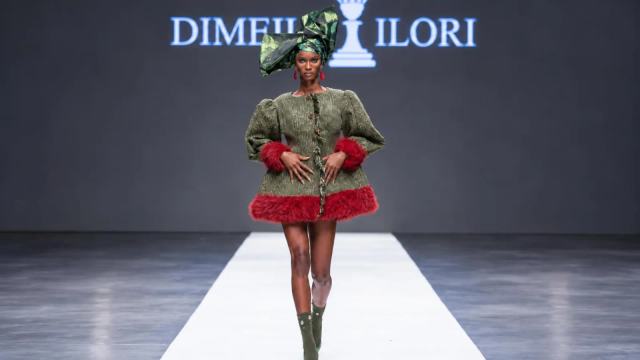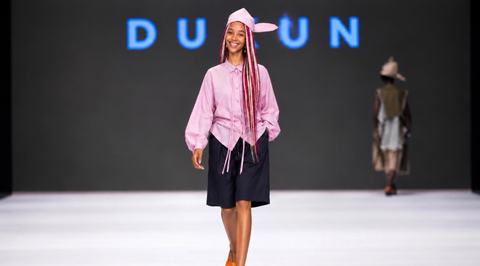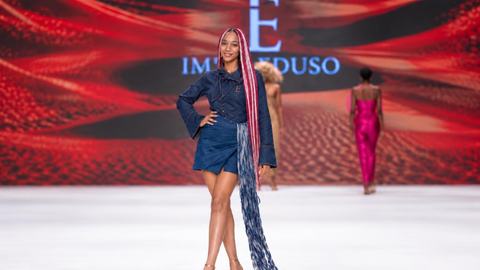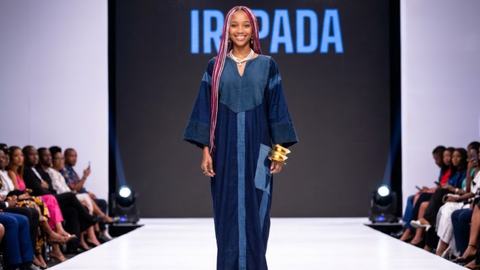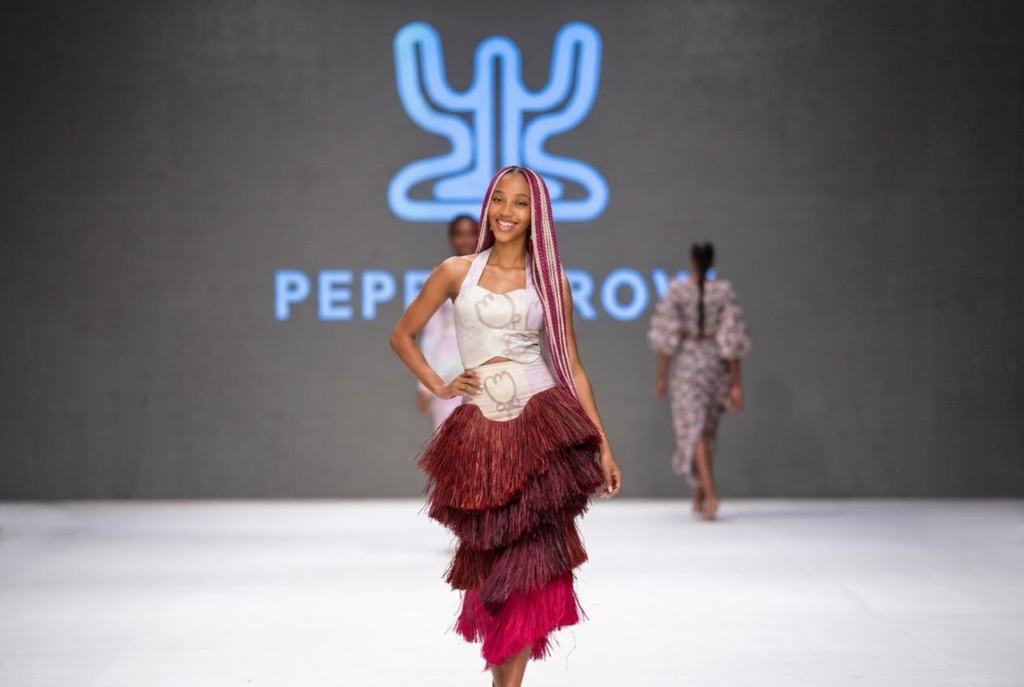
Pepperrow Lagos Fashion Week collection featuring hand-printed fabrics, raffia detailing and contemporary African fashion offered another opportunity to examine the relationship between traditional craft and modern clothing. At the 2026 event, the Nigerian fashion label continued its exploration of hand-printed fabrics, decorative details and raffia, presenting a collection that connected its established interest in craftsmanship with contemporary silhouettes.
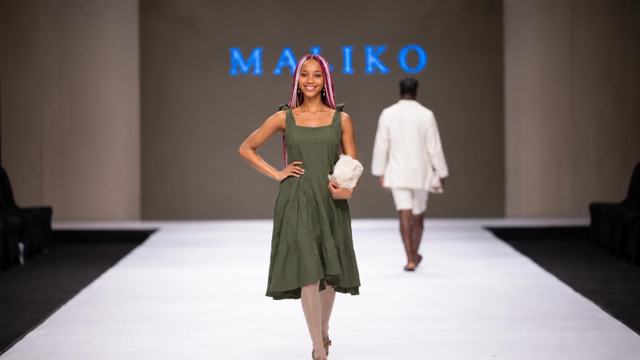
READ: Maliko at Lagos Fashion Week 2026: Artisanal Footwear
The collection featured floral motifs, beaded embellishments and raffia detailing, according to coverage of the third day of Lagos Fashion Week. The reported menswear looks were relaxed, while the collection maintained a relatively cohesive visual direction.
For me, the appeal of Pepperrow lies in the way its design approach encourages people to look beyond the outline of a garment. Fabric, surface, texture and the process used to create them are important parts of the final design. A piece can attract attention because of its shape, but its material and finishing can give it a more distinctive identity.
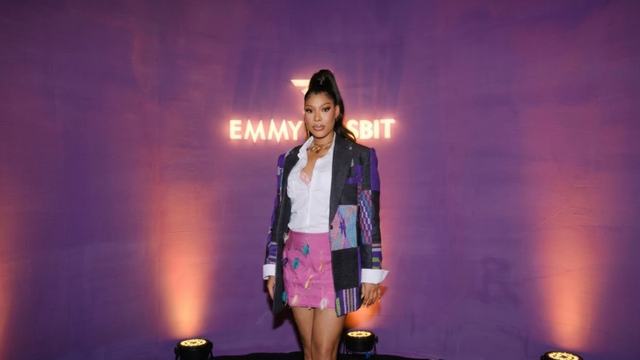
READ: Emmy Kasbit Fashion Reimagines Nigerian Heritage Through Contemporary Design
The label’s work is also relevant to a wider discussion about the place of Nigerian artisans in the fashion industry. Traditional textile techniques and specialist handwork can be incorporated into contemporary clothing, creating opportunities for designers to develop products that are visually distinctive and connected to local knowledge.
That possibility, however, depends on more than placing a traditional material on a modern silhouette. It involves decisions about sourcing, construction, quality, pricing and the people whose skills make the finished garment possible.
Who Is Behind Pepperrow?
Pepperrow was founded in 2018 by Omafume Niemogha and is known for its contemporary, romantic approach to womenswear and its interest in artisanal production. The label describes its aesthetic as neo-luxury ready-to-wear, combining modern design with techniques drawn from traditional craft.
Its design philosophy places particular emphasis on working with local artisans and craftspeople, especially those from Southern Nigeria. The brand’s methods have included hand-weaving Aso Oke, hand-dyeing batik, wood carving and the creative reuse of broken glass.
These methods allow materials and processes associated with craft to enter a contemporary fashion context. Rather than treating craftsmanship as a separate decorative feature, Pepperrow’s approach places it within the development of the garment and its overall visual identity.
The label has also received attention for experimental colours, playful prints, unusual combinations and textural details. Its work suggests that a contemporary Nigerian fashion brand can draw on traditional techniques without limiting itself to conventional silhouettes or formal interpretations of heritage.
The founder’s role is important to this story because a label’s identity is developed through repeated creative decisions. Materials, construction methods, styling and the relationship with makers all contribute to how a brand is recognised over time.
Pepperrow Lagos Fashion Week and the Importance of Textile Detail
The 2026 collection brought hand-printed fabrics, floral motifs, beading and raffia into focus. These details offer different ways to create visual interest, and their combination demonstrates why textile design remains an important part of contemporary African fashion.
Hand printing can produce distinctive surfaces, particularly when patterns are developed through a process that allows for variations in colour, placement or finish. Floral motifs can introduce softness or rhythm, depending on their scale and how they are arranged across a garment. Beading adds texture and can catch light, while raffia offers a more organic surface that contrasts with smoother fabrics.
Each element presents its own design and production challenges. A printed fabric needs to work with the cut of the garment, so that its pattern enhances rather than disrupts the silhouette. Beaded details require careful placement and attachment, particularly when they are used on clothing intended to be worn regularly. Raffia also needs to be handled with consideration for comfort, movement and durability.
The successful use of these details depends on the relationship between them. If every surface competes for attention, the final look can feel crowded. When the materials are balanced carefully, the texture becomes part of a clear visual language.
I find this particularly relevant in a fashion environment where runway images travel quickly across social media. A photograph can capture the colour and outline of a garment, but close attention to fabric and finishing reveals another layer of the designer’s work. Craft is not always the loudest part of a look, yet it can be one of the reasons the design feels distinctive.
Bringing Traditional Craft Into Modern Dressing
Aso Oke and batik are examples of textile traditions that can be interpreted in different ways by contemporary designers. Aso Oke is a handwoven textile associated with Yoruba weaving traditions, while batik is a resist-dyeing technique used in different parts of the world. Their histories and methods are not identical, but both demonstrate how fabric can carry evidence of the process through which it was made.
For Pepperrow, incorporating craft techniques into modern clothing creates room for experimentation. A traditional textile does not have to appear only in a conventional outfit, just as a contemporary silhouette does not need to be separated from local material knowledge.
A designer can change the scale of a pattern, combine contrasting surfaces or use a familiar technique in an unexpected part of a garment. Such decisions can make a piece feel current while retaining a connection to the process that inspired it.
The important distinction is between meaningful engagement with a craft and using a traditional reference merely as decoration. A more considered approach recognises the skill involved, the time needed to produce the material and the people whose work supports the design.
This also makes collaboration important. When designers work closely with artisans, they can learn about the limitations and possibilities of a technique, while makers can contribute knowledge that improves the final result. The process can become a creative exchange rather than a one-sided request for a decorative finish.
Pepperrow’s stated interest in working with craftspeople gives this relationship a central place in its brand identity. The long-term value of such a model depends on how consistently the collaborations are maintained, how the work is compensated and whether the production process is practical for both the designer and the makers.
Sustainability Beyond the Label
Pepperrow has been associated with a sustainable approach to fashion, including the reuse of materials and collaboration with local artisans. These practices form part of a broader discussion about how clothes are produced, how long they remain useful and how much material is wasted along the way.
Sustainability is a wide term, and it is important not to treat one technique as proof that an entire business is environmentally sustainable. Reusing materials may reduce waste in a particular production process, but a full assessment would also consider sourcing, energy use, working conditions, transport, garment durability and what happens to a product at the end of its useful life.
For a small fashion label, material reuse can offer a practical way to work with resources that might otherwise be discarded. It can also encourage creative problem-solving, as designers consider how leftover fabric or other materials might be incorporated into new pieces.
However, upcycling is not simply a matter of using scraps. The materials must be suitable for the intended garment, and the process needs to produce an item that customers can wear and maintain. The time required to sort, prepare and adapt reused materials can also affect production costs.
Pepperrow’s approach raises useful questions about how Nigerian fashion businesses can develop more considered production methods while remaining commercially viable. A brand must still meet customer expectations for fit, finishing, availability and price. Craft-led production can involve significant labour, and that labour should be recognised when the final product is priced.
I believe the most meaningful conversation about sustainable fashion begins with specific practices rather than broad claims. What materials are used? Who makes the garments? How are offcuts handled? Are products designed to last? Those questions give customers a clearer basis for understanding a brand’s approach.
Relaxed Silhouettes and a Cohesive Collection
Coverage of the 2026 presentation described the menswear as relaxed, with the collection maintaining a cohesive direction through its use of printed surfaces, raffia and decorative details.
Relaxed clothing can be interpreted in many ways. It may refer to a looser fit, a more informal attitude to dressing or silhouettes that allow greater freedom of movement. The effect depends on the garment’s proportions, fabric and styling.
A relaxed silhouette can also provide a useful counterpoint to intricate surface details. When the shape is relatively uncomplicated, the eye has more room to notice a print, a textured panel or a carefully placed embellishment. This relationship between structure and surface can make a collection feel expressive without relying on exaggerated shapes in every look.
Cohesion is another important element. A collection does not need to repeat the same garment or pattern throughout. Instead, it can establish connections through colour, material, proportion or a shared approach to construction. These recurring details help the audience understand how individual pieces relate to one another.
For a label such as Pepperrow, which works with several craft techniques, maintaining a clear design direction is particularly important. The range of available materials can create many possibilities, but the designer must decide which ideas belong together and which are best explored separately.
The result is more convincing when the collection feels considered as a whole rather than a collection of unrelated experiments.
The Role of Pepperrow Lagos Fashion Week collection featuring hand-printed fabrics, raffia detailing and contemporary African fashion in Supporting Nigerian Designers
Lagos Fashion Week creates a setting where Nigerian and other African designers can present their work to audiences interested in fashion, retail and creative business. For labels such as Pepperrow, the runway provides visibility, but it can also invite more detailed discussion about the processes behind a collection.
The platform places established and emerging designers within a shared programme, allowing audiences to see different interpretations of contemporary African style. Some designers focus on tailoring, others on textile innovation, sculptural shapes, accessories or the reinterpretation of traditional dress. This variety shows that African fashion cannot be reduced to a single look or aesthetic.
The wider event also raises questions about how visibility can be converted into sustainable business opportunities. Designers need more than photographs and social media attention. They need access to suitable production facilities, skilled workers, materials, financing, buyers and distribution channels.
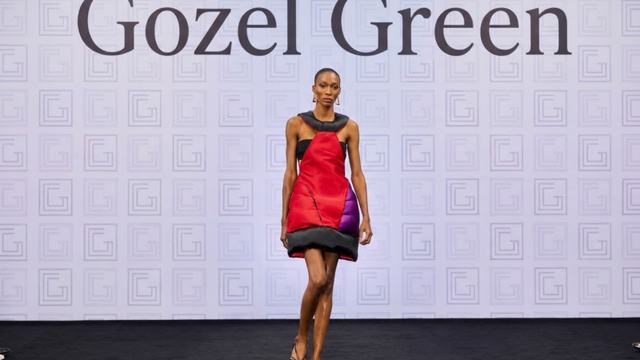
READ: Gozel Green fashion Blends Nigerian Heritage With Sustainable Fashion
For craft-led brands, the relationship with artisans is particularly significant. If a collection attracts demand, the business needs a realistic plan for producing the garments without compromising the quality of the work. It must also ensure that production partners can meet the required timelines and that the cost of skilled labour is reflected in the commercial model.
What Pepperrow’s Approach Means for Customers
For customers, a garment’s value is shaped by more than its appearance. Fabric quality, construction, comfort, fit and care requirements all influence how useful a piece will be over time.
When considering a craft-led garment, buyers may want to ask how the fabric should be washed, whether embellishments require special care and whether the piece is available in different sizes. They can also look for information about where the garment was made and whether it is produced in limited quantities or made to order.
These questions do not diminish the creative value of fashion. Instead, they connect the runway experience to the practical realities of wearing and maintaining clothes. A beautifully designed item becomes more valuable when the customer understands how to care for it and can make an informed decision before buying.
For designers, clear product information can help customers appreciate the work behind a garment. Explaining the technique, material or collaboration involved gives the item context beyond its visual appeal.
Pepperrow’s focus on textile detail and artisanal methods offers an opportunity for that kind of conversation. The brand’s design identity encourages attention to the materials and processes that contribute to the finished product.
The Future of Pepperrow’s Craft-Led Design
Pepperrow’s 2026 presentation continued a design journey shaped by contemporary dressing and traditional craft references. Hand-printed fabrics, floral motifs, beaded embellishments and raffia details gave the collection a distinct surface language, while the relaxed menswear demonstrated another way the brand could approach its clothing categories.
The next stage of that journey will depend on how these ideas develop beyond the runway. Future collections, production decisions and customer response will help show which elements become enduring parts of the brand’s identity.
I believe the most interesting question is how a designer can continue experimenting while building a dependable business. Creativity opens possibilities, but consistency, thoughtful production and a clear relationship with customers help a label sustain them.
Pepperrow’s work provides a useful case study in how Nigerian fashion can bring craft into contemporary design without treating heritage as something fixed in the past. Techniques and materials can continue to evolve when designers and artisans work together, and the resulting garments can speak to both local knowledge and present-day style.
Ultimately, the importance of Pepperrow Lagos Fashion Week lies not only in the looks shown on the runway but also in the questions they raise about materials, craftsmanship and the future of fashion production. The collection invites audiences to pay attention to how clothes are made, whose skills contribute to them and how those skills can remain relevant in a changing industry.
The writer of this article does not claim to know the individuals named personally. The information about their backgrounds, as published on Global News Arena, is based on independent online research.
Are you interested in learning how to write professionally and earn money as a writer and content creator? Contact Auxi Chat today to start your writing journey immediately.
Need a professional website in 72 hours? Contact Auxi Chat
If you have an article, opinion piece, event or news story you would like published, Global News Arena would love to hear from you.