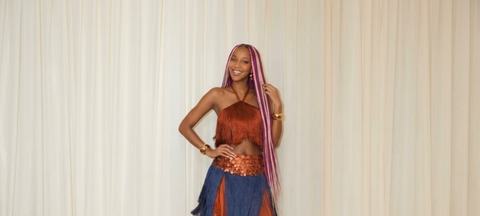
NKWO Fashion Brand: Rethinking What Fashion Waste Can Become
READ: Hertunba Fashion Brand: Florentina Agu’s Story of Craft
The fashion industry depends on materials, labour and the continuous movement of products from design studios to wardrobes. Yet this process also produces waste. Fabric is discarded during cutting, garments may be abandoned when trends change, and useful textiles can end up in landfills because there are few systems to collect and reuse them effectively.
The NKWO fashion brand approaches this problem by questioning the assumption that discarded textiles have lost their value. Founded by Nigerian designer Nkwo Onwuka, the artisanal label focuses on textile waste reduction, locally sourced materials, traditional craftsmanship and limited edition clothing. Its official website describes a philosophy of creating low impact pieces from post-consumer textile waste, locally sourced natural fibres and upcycled denim.
READ: Ajanée Fashion Brand: Luqman Ajani’s Vision of Individuality and Reuse
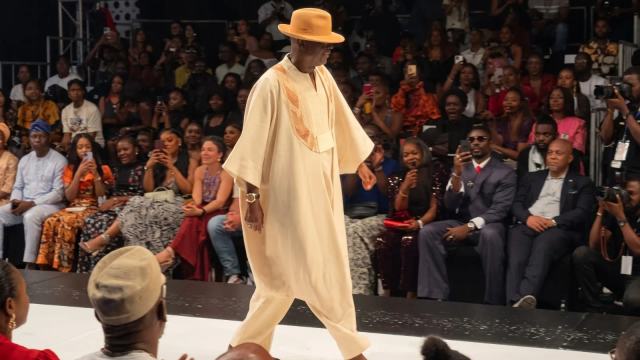
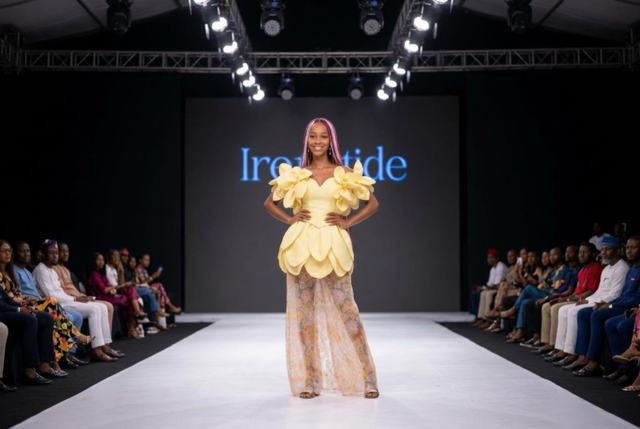
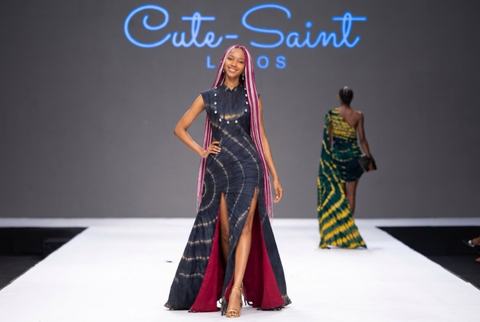
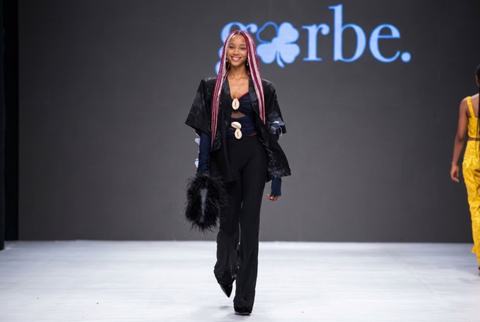
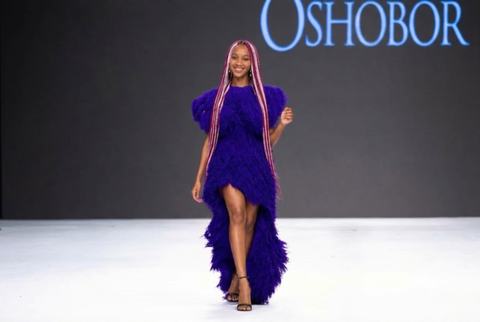
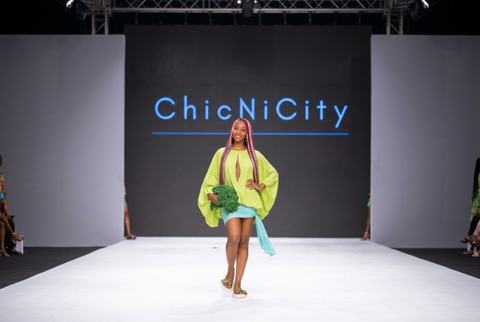
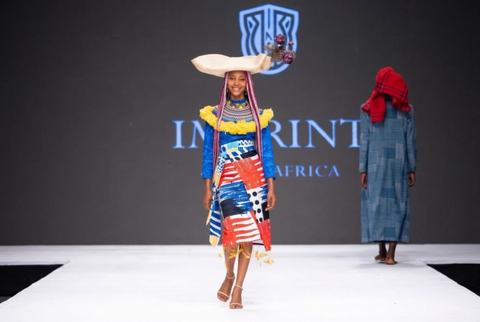
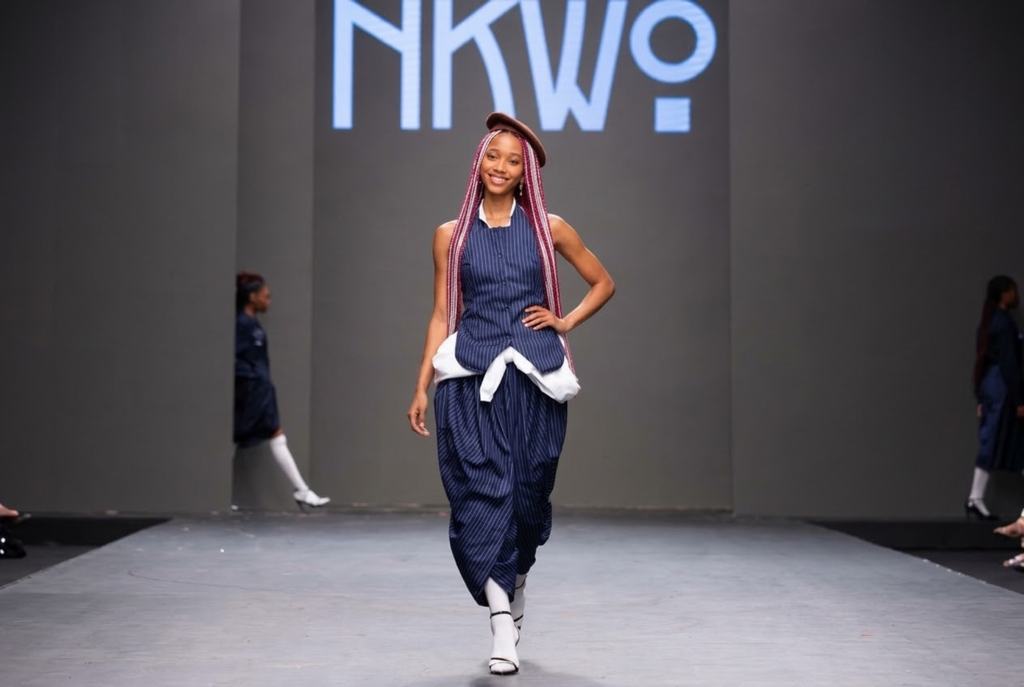
At Lagos Fashion Week in October 2026, NKWO continued its exploration of sustainable design through relaxed silhouettes and carefully considered construction. Event coverage placed the label among designers examining how heritage, material and contemporary design can work together.
I find NKWO’s approach particularly significant because it challenges fashion’s conventional relationship with newness. The industry often presents new collections as evidence of progress, but a more responsible future may also depend on finding new uses for existing resources. A piece of discarded denim can become the starting point for a different textile, while surplus fabric can acquire a new purpose through careful construction.
This is not simply a question of making unusual garments. It involves reconsidering the systems through which clothing is produced, the skills required to transform materials and the economic opportunities that can emerge when waste is treated as a resource.
Nkwo Onwuka: From an Interest in Making to a Sustainable Fashion Practice
Nkwo Onwuka’s relationship with fashion began with an interest in making things. Her biography on the NKWO website describes her as a designer and sustainability specialist committed to promoting African culture and craftsmanship through contemporary fashion.
Industrie Africa’s designer profile records that the label was originally founded in the United Kingdom in 2007 before being relaunched in Nigeria in 2012 with a stronger focus on traditional craft and sustainability. The profile notes that Onwuka studied psychology, while her early interest in sewing and making clothes helped direct her towards fashion.
Onwuka has explained in an interview with Fibre2Fashion that her earliest memories of fashion involved her mother teaching her to sew using scraps from a cutting table to make dresses for dolls. That experience connects the idea of making clothing with the reuse of material from an early stage in her creative life.
The significance of this background is not that using scraps automatically leads to a sustainable business. Rather, it illustrates how a practical habit can develop into a broader design philosophy. Material that might otherwise be thrown away can become useful when someone has the skills and imagination to work with it.
Onwuka’s later work extended that principle into a more deliberate approach to textile waste reduction. The relaunch of NKWO in Nigeria in 2012 gave the brand a framework for connecting material reuse with traditional craft skills and local production.
I believe this is a valuable example of how a designer’s practice can evolve. A creative interest may begin with the pleasure of making something, but it can grow into a larger question about how products are created, what happens to unused materials and how a fashion business can contribute to its surrounding community.
Dakala Cloth: Turning Textile Waste into a New Material
One of NKWO’s most distinctive contributions is Dakala Cloth, a textile developed through the brand’s experimentation with waste materials. The official NKWO biography describes it as an African ethical waste fabric created in response to textile waste and concerns about the preservation of traditional craft skills.
The development of Dakala Cloth demonstrates that upcycling can involve more than taking an old garment and altering its shape. It can also involve changing the physical form of waste material so that it becomes suitable for a different purpose.
According to Onwuka’s interview with Fibre2Fashion, the development process included experimenting with stripping and sewing denim. The resulting material has a woven appearance and a distinct texture, allowing discarded textiles to be transformed into something with a new identity.
This approach raises an important question about value. A textile’s worth is often judged according to its original cost, condition or intended use. Once it becomes waste, it may be treated as having little or no value. Yet the material may still contain usable fibres and qualities that can be recovered through design and technical work.
Dakala Cloth challenges that assumption by making transformation part of the design process. The material is not simply hidden inside a garment or used as an incidental detail. It becomes an identifiable part of the label’s creative language.
There are practical challenges, of course. Reclaimed textiles can vary in colour, weight, condition and composition. Turning them into a consistent material requires experimentation, careful sorting and an understanding of how the fabric will behave during construction. The final product also needs to meet the standards expected of a wearable garment.
I find this process important because it connects environmental concerns with creative skill. Reducing waste is not only about discarding less. It can also involve developing the knowledge and production methods required to turn existing resources into useful products.
The Philosophy of Less and the Problem of Overproduction
NKWO describes its approach as the “Philosophy of Less”, a commitment to limited edition and one off pieces rather than relying entirely on large volumes of standardised production. This philosophy connects the design of individual garments with broader questions about consumption.
Fashion companies often depend on frequent releases to encourage customers to buy new products. The result can be a cycle in which clothing is purchased quickly, worn for a limited time and replaced even when it remains usable. The environmental consequences include material consumption, production waste and pressure on systems responsible for handling discarded clothing.
A limited edition approach can offer a different model. Producing fewer pieces may allow a designer to use available materials more carefully and pay closer attention to construction. It can also make sense when the materials themselves are reclaimed or available only in limited quantities.
However, limited production is not automatically sustainable. The full impact depends on material sourcing, energy use, transport, garment durability and what happens when the item is no longer wanted. A small collection made from resource intensive materials may still have significant environmental effects.
The more useful question is whether a fashion business is making considered decisions throughout its production process. How much material is purchased? How much is wasted during cutting? Can unused fabric be recovered? Are garments designed to last? Is there a plan for repairing or reusing them?
NKWO’s emphasis on textile waste reduction makes these questions part of the brand’s central purpose. It positions sustainability as a practical design challenge rather than a decorative claim.
I believe the industry needs more attention to this distinction. A responsible approach is not established by a single fabric or collection. It develops through repeated decisions about how materials are sourced, how products are made and how much unnecessary production can be avoided.
Traditional Craftsmanship and the People Behind the Garments
NKWO’s work also addresses the preservation of traditional craft skills. The brand collaborates with local artisans and makers, using techniques such as weaving, beading, hand dyeing and embroidery to develop contemporary pieces.
These practices require knowledge that cannot always be replaced quickly by machinery. Weaving involves an understanding of structure and tension. Beading demands precision and patience. Hand dyeing requires familiarity with materials, colour and process. Embroidery combines technical skill with visual judgment.
When such techniques are integrated into contemporary fashion, they can create opportunities for artisans to continue practising their work. The relationship can also allow traditional knowledge to develop as designers introduce new materials, forms and uses.
Yet preserving craft requires more than featuring handmade details in a collection. It depends on whether the people doing the work receive fair compensation, have access to dependable opportunities and can pass their knowledge to others. If traditional techniques are used only as occasional decoration without a sustainable economic relationship, their long term preservation may remain uncertain.
NKWO’s official materials describe the brand’s work with local makers as part of a wider effort to create more mindful garment production. The label’s approach recognises that a fashion business operates within an ecosystem of designers, artisans, suppliers, manufacturers and customers.
I find this aspect of the work especially important. Sustainable fashion is often discussed primarily through materials, but the social dimension matters too. A garment may reduce textile waste while also supporting skilled work, provided the people involved are treated as essential participants in the process.
The NKWO Transform Project
The NKWO Transform Project is a social innovation initiative described by the brand as focused on upskilling vulnerable women and working with artisans and local makers to introduce more mindful production methods. Its purpose connects skills development with the wider challenges of building sustainable fashion systems.
Training can help people develop technical abilities, but its impact depends on what follows. Participants need opportunities to practise their skills, access tools and materials, connect with employers or customers, and earn from the work they do. A programme is more likely to produce lasting benefits when it connects learning with viable economic activity.
Fashion offers several possible routes for this kind of development. Skills may be applied to weaving, sewing, embroidery, garment finishing, textile reuse or small scale production. These areas can support individual livelihoods while contributing to a broader creative economy.
There is also a knowledge preservation dimension. When artisans work with designers, traditional techniques can be documented, practised and adapted for contemporary use. This can help keep the techniques relevant to new generations while allowing them to evolve.
The challenge is to ensure that skills development is supported by fair working conditions and dependable demand. Training alone cannot resolve the economic difficulties facing small producers, and the success of a project depends on whether people can use what they learn.
I believe the Transform Project is an important part of NKWO’s wider philosophy because it connects environmental responsibility with people. Reducing waste is one objective, but a more sustainable fashion system must also consider who produces the garments, who benefits from the work and whether the skills involved can continue to thrive.
NKWO at Lagos Fashion Week 2026
READ: Cynthia Abila Fashion Brand: The Common Ground Between Heritage and Memory
NKWO’s Lagos Fashion Week 2026 presentation continued the label’s interest in material, texture and relaxed contemporary silhouettes. The show formed part of a wider programme in which designers explored the relationship between heritage, innovation and circular futures.
The runway is a useful setting for a brand whose identity depends on the transformation of materials. It allows audiences to see how reclaimed textiles behave as clothing and how different construction techniques influence the silhouette. The material becomes more than an environmental statement. Its weight, texture and movement help determine the character of the garment.
Relaxed silhouettes can also create a different relationship with wearability. They may allow greater freedom of movement and provide room for layering, although the success of any garment still depends on fit, proportion and the preferences of the person wearing it.
NKWO’s wider history shows that its approach to sustainable fashion has developed over several years rather than appearing as a temporary trend. The brand’s official biography records international recognition for Onwuka’s work, including her participation in the Commonwealth Fashion Exchange exhibition in 2018 and the inclusion of a Dakala Cloth piece in the Victoria and Albert Museum’s Africa Fashion exhibition.
Such recognition can help bring attention to experimental materials and the people developing them. However, the long term importance of the work rests on whether it contributes to practical change in the way garments are made and resources are used.
I find this distinction essential. A runway can make an idea visible, but sustainability requires decisions that continue after the show. Material reuse, careful production and artisan collaboration need to remain part of the business rather than being limited to a single presentation.
What NKWO fashion brand Reveals About the Future of African Fashion
NKWO’s story brings together textile waste reduction, traditional craftsmanship and contemporary design. Through Nkwo Onwuka’s work, the brand has developed a way to treat discarded textiles as resources and use them to create garments that carry both material and cultural meaning.
Dakala Cloth is particularly significant because it represents an attempt to address two concerns together: the need to reduce textile waste and the need to preserve traditional craft skills. Rather than treating these as separate problems, the brand explores how one might contribute to the other.
I believe this approach offers a useful perspective on the future of fashion. Sustainability is not only about choosing a material labelled environmentally friendly. It involves understanding the full life of a product, reducing unnecessary waste, supporting the people who make it and building businesses that can continue to operate responsibly.
The preservation of craft is equally important. Traditional skills remain valuable when they are practised, taught and adapted to new contexts. Designers can help create opportunities for those skills to remain part of contemporary life, provided the people behind them receive meaningful recognition and compensation.
There are limits to what any one brand can achieve. Textile waste and overproduction require broader changes across manufacturing, retail, consumer behaviour and waste management. Designers can contribute through their choices, but lasting progress also depends on infrastructure and wider industry cooperation.
NKWO’s contribution is to demonstrate that material reuse and craft preservation can inform the design process from the beginning. Its work challenges the idea that fashion must depend entirely on new resources and constant production growth.
Ultimately, the label invites us to look at waste differently. What is discarded may still contain value, and what is inherited may still have a future. Through experimentation, skill and collaboration, materials can be transformed while traditional knowledge remains active. That combination offers one meaningful direction for a fashion industry seeking to become more thoughtful about what it makes and what it leaves behind.
The writer of this article does not claim to know the individuals named personally. The information about their backgrounds, as published on Global News Arena, is based on independent online research.
Are you interested in learning how to write professionally and earn money as a writer and content creator? Contact Auxi Chat today to start your writing journey immediately.
Need a professional website in 72 hours? Contact Auxi Chat
If you have an article, opinion piece, event or news story you would like published, Global News Arena would love to hear from you.