Dust of the Earth at Lagos Fashion Week 2026: How A Letter to Earth Reimagines Fashion Waste
READ: Maliko at Lagos Fashion Week 2026: Artisanal Footwear
Fashion has a complicated relationship with waste. Every garment begins with materials that must be sourced, processed, cut and assembled. Yet the life of a garment does not always end when its first owner stops wearing it. Clothing can be discarded because it no longer fits, because a trend has changed or because the fabric has suffered minor damage. Production also creates leftover materials that may never become part of a finished product.
The question is what happens next.
READ: NKWO Fashion Brand: Nkwo Onwuka’s Vision for Sustainable African Design
For designers interested in circular fashion, discarded materials are not necessarily the end of a creative process. They can become its beginning. A worn garment may offer an unexpected texture, an existing seam may suggest a new construction method, and leftover fabric can become part of a piece that could not have been designed in exactly the same way from new material.
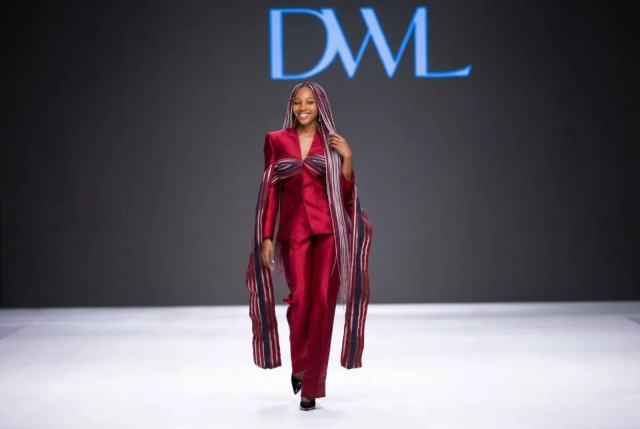
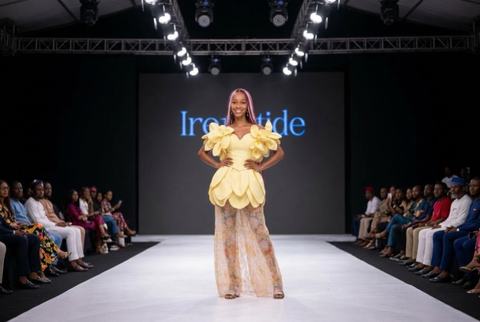
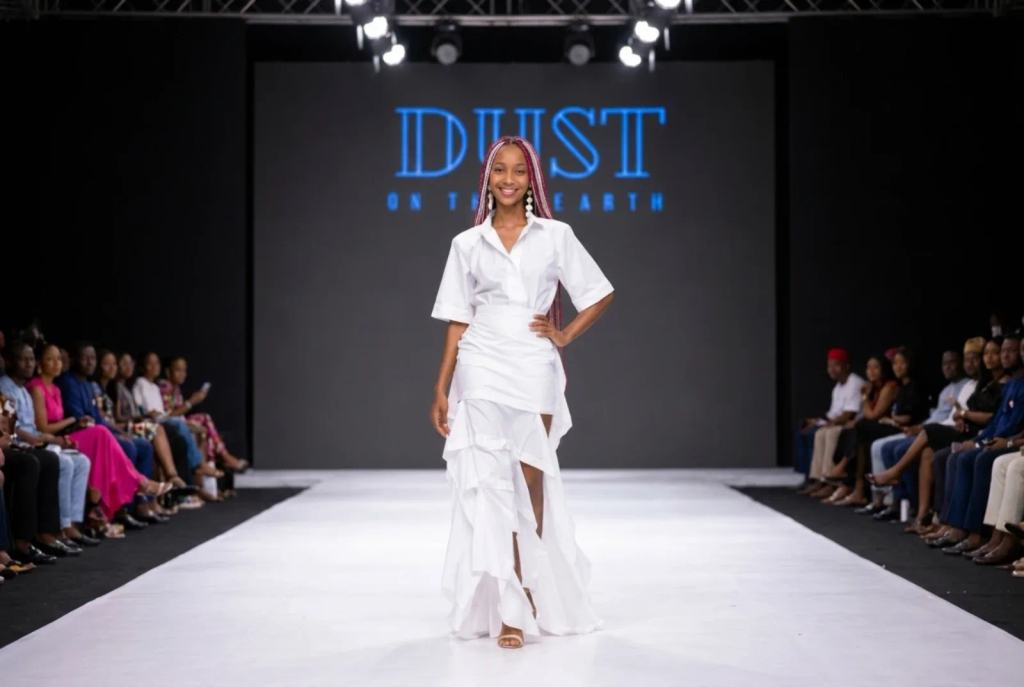
At Lagos Fashion Week on Thursday, 29 October 2026, Dust of the Earth explored this approach through A Letter to Earth. The collection combined reworked materials, textured fabrics and expressive silhouettes, bringing the relationship between waste, identity and design into the runway conversation.
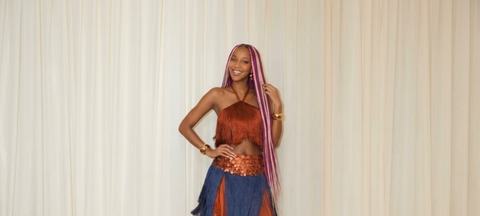
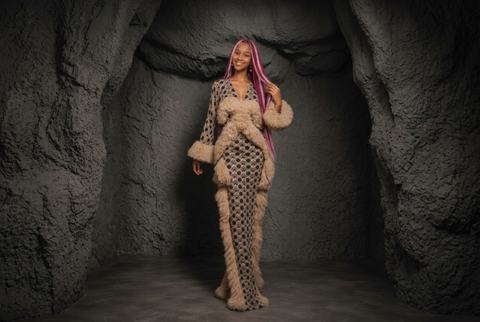
identifies Omolabake Temetan as the founder of Dust of the Earth and describes the label's use of secondhand clothing and materials such as shoelaces and textile waste. Its report on A Letter to Earth highlights striped overcoats, oversized knits, denim, crochet and slashed details.
The collection offered an opportunity to consider an important question for contemporary fashion: can the material that society treats as unwanted become the foundation of something worth keeping?
Omolabake Temetan and the Dust of the Earth identity
Dust of the Earth is founded by Omolabake Temetan, whose work is associated with circular design and the creative reuse of existing materials. The label's approach places material transformation at the centre of its design identity.
That distinction matters. Sustainability has become a familiar word in fashion communication, but the term can describe many different practices. Some brands focus on organic or lower-impact fibres. Others emphasise local production, longer-lasting garments, responsible sourcing, repair services or reduced packaging. Circular design addresses what happens to materials throughout and beyond the life of a product.
For Dust of the Earth, the use of secondhand clothing and textile waste offers a tangible way to explore that idea through the garment itself.
Rather than treating an unwanted item as material with no remaining value, the designer can examine its existing qualities. A used piece may have a distinctive colour, a texture shaped by previous use or construction details that can be retained. Textile remnants may be irregular in size or shape, requiring a different approach to pattern-making.
These limitations can become part of the creative process. A designer may need to assemble several pieces to create a new panel, place seams where a conventional pattern would not require them or build an entirely new silhouette around the material available.
The result is not simply a new garment made from old fabric. It is a different way of approaching design.
A Letter to Earth: Reading the collection's title
The title A Letter to Earth invites reflection on the relationship between fashion and the natural environment. A letter is an act of communication. It may express concern, gratitude, responsibility or a desire for change. Addressing that letter to Earth suggests that the collection can be read as a conversation about the materials people use and the consequences of their choices.
The title does not need to be interpreted as a literal environmental statement to be meaningful. It creates a framework through which the audience can consider what clothing takes from the world and what happens to it after use.
Textile production involves resources, labour, energy and transport. The disposal of clothing can also create environmental problems, particularly when garments are discarded faster than systems can reuse or process them. Circular approaches attempt to keep products and materials in use for longer, although their actual environmental benefits depend on how they are implemented.
In that context, a collection built around reworked clothing and textile waste offers a practical point of discussion. It directs attention towards the materials already available rather than assuming that every new design must begin with newly purchased fabric.
I believe this is one of the most useful aspects of sustainable fashion when it is presented through actual construction choices. The concept becomes easier to examine because the audience can look at the clothes and ask how they were made, what materials they use and how the designer has transformed them.
The biography written through materials
A conventional garment often conceals the history of its material. Once fabric has been cut and assembled, the finished piece may offer little indication of what came before it. Reworked fashion can operate differently.
When a designer uses secondhand garments or textile remnants, the new piece may retain traces of its earlier life. Stitching, fading, different textures and visible joins can become part of its character. Depending on the design, these features may be hidden, emphasised or transformed into new visual elements.
This process can give a garment a kind of material biography. It has a history before the designer begins working with it, a period of transformation in the studio and a potential future with a new wearer.
For Dust of the Earth, circular design provides a way to work with these histories rather than erase them completely. The collection's combination of denim, oversized knitwear, crochet, striped outerwear and slashed details demonstrated how varied materials and construction methods could be brought together.
The significance lies partly in the fact that reclaimed materials do not always behave like standard new fabric. A secondhand garment may have limited usable areas. Different textiles may stretch or drape differently. A leftover piece might be too small for one design but suitable for a pocket, trim or smaller panel.
Working with these conditions requires a designer to make decisions about both aesthetics and practicality.
Upcycling is more than attaching old fabric to new clothing
Upcycling is often understood simply as turning an old object into something new. In fashion, however, the process can involve much more than adding patches to an existing garment.
A designer may take apart a piece of clothing and use selected components in a different construction. Multiple garments may be combined. A fabric's original purpose may be completely changed, or a textile remnant may be used in a way that alters its scale and visual impact.
The most interesting examples often begin with a question: what can this material become?
That question differs from the approach of designing a finished garment first and then purchasing fabric to match the original plan. With reclaimed materials, the designer may need to allow the available textiles to influence the silhouette, colour palette and construction.
This can produce irregularity, contrast and unexpected combinations. It can also require additional labour. Sorting materials, checking their condition, removing old seams, cleaning, cutting and reconstructing pieces may take considerable time.
Circular design therefore needs to be understood as a production approach, not merely a visual style.
The presence of visibly reworked surfaces can communicate the idea to an audience, but a complete assessment of sustainability would also consider sourcing, processing, durability, waste reduction and the garment's eventual end of life. A recycled or reused material does not automatically make every aspect of a product environmentally responsible.
Dust of the Earth's collection provides a starting point for this conversation by making material transformation central to its visual identity.
Denim, knitwear and crochet as tools of transformation
The reported use of denim, oversized knits and crochet gave A Letter to Earth a varied material vocabulary.
Denim is widely associated with everyday clothing, but its weight, durability and recognisable surface make it suitable for reinterpretation. It can be cut into panels, combined with other textiles or used to provide contrast against softer materials. Existing denim garments may also contain seams, pockets and other features that can be retained or repositioned.
Oversized knitwear creates a different relationship with the body. Its volume can produce comfort and visual scale, while the knitted structure introduces texture. Depending on the material and construction, knitwear can be reshaped, layered or combined with woven textiles to create contrast.
Crochet adds another dimension. Its open structure can introduce transparency, texture and a sense of handmade detail. It can also create a visual connection between the garment and the labour involved in its production.
The combination of these materials allows a collection to move between familiar everyday references and more expressive forms. A piece of denim may ground an outfit in recognisable clothing, while crochet or an oversized knitted layer can change its overall appearance.
In A Letter to Earth, these material choices were part of a larger attempt to show how reclaimed resources can be used creatively rather than treated as a limitation.
Slashes, stripes and the beauty of visible construction
Design details can reveal how a garment has been assembled. Slashed surfaces, visible seams and irregular panels can draw attention to the relationship between a material's original form and its new purpose.
Stripes, meanwhile, can create rhythm and direct the eye across the body. When used on an overcoat or another large garment, they can emphasise length, width or movement. The way stripes align across seams may also influence the visual impression of the finished piece.
In a circular collection, these details can serve both aesthetic and construction purposes. A seam may join materials of different sizes, while a cut or opening may transform the surface of an existing textile. The finished garment can make those interventions visible, allowing the audience to see that the material has undergone a process of change.
The design challenge is to ensure that visible construction feels intentional. A garment made from reclaimed materials still needs balance, proportion and a clear visual direction. Reuse is a method, not a substitute for design.
Dust of the Earth's collection brought together these considerations through its combination of textured surfaces, denim, crochet, oversized knitwear and distinctive outerwear.
Circular fashion and the question of responsibility
Fashion's waste problem cannot be solved by designers alone. It involves manufacturers, retailers, consumers, waste-management systems and the wider economic structures that influence how clothing is produced and purchased.
Designers can contribute by reducing waste during cutting, selecting durable materials, using existing textiles, designing for repair or creating garments that remain useful beyond a single trend cycle. Consumers can contribute by caring for clothing, repairing items, buying thoughtfully and passing garments on when they no longer need them.
Businesses also need workable systems for collecting, sorting, cleaning and processing materials. Without those systems, textile reuse can remain limited in scale.
Circular fashion is therefore both a creative and a practical challenge. It asks designers to consider not only what a garment looks like when it leaves the studio, but also how it is produced, how long it may be used and what happens when its first life ends.
The wider discussed the role of reclaimed materials in collections presented during the event, including Dust of the Earth. This places the label within a broader conversation about how African designers are engaging with material reuse and the value of local creative work.
It is important, however, not to assume that a collection's use of reclaimed materials proves a particular reduction in environmental impact. That would require measurable information about the quantities reused, the materials displaced, production methods and the garment's eventual lifespan.
READ: Geometric Motion Design Lab at Lagos Fashion Week 2026
What can be observed is the creative decision to place existing materials at the centre of the design process.
The business challenge behind sustainable fashion
There is a practical question behind every circular fashion idea: can it become a reliable business?
Reclaimed materials are not always available in consistent quantities. A designer may find an interesting textile in one season and struggle to obtain a similar supply later. Differences in colour, condition and dimensions can make it difficult to reproduce the same garment at scale.
This creates both a challenge and an opportunity. Limited materials can encourage distinctive designs, but the label must also communicate clearly with customers about variations, availability, fit and care.
Pricing is another consideration. Upcycling may reduce the need to purchase certain new materials, but it can involve substantial labour in sourcing, sorting, cleaning, dismantling and reconstruction. A sustainable business must account for this work rather than assuming that reclaimed fabric makes production inexpensive.
There is also the question of customer understanding. Buyers may need information about why a garment differs slightly from another, how to care for unusual material combinations and how its construction contributes to the overall design.
For a label such as Dust of the Earth, the opportunity is to demonstrate that circular design can produce clothing with a distinct visual identity while addressing the practical needs of production and wear.
What Dust of the Earth contributes to African fashion
African fashion is frequently celebrated for its colour, textiles, craftsmanship and cultural references. Circular design introduces another important dimension: the possibility of working creatively with resources that already exist.
Dust of the Earth contributes to this discussion by placing secondhand clothing and textile waste within a contemporary design process. Through A Letter to Earth, the label presented a collection that connected material transformation with visual expression.
This approach does not suggest that every designer must work with reclaimed textiles. Fashion requires many different materials and methods, and different approaches may suit different products. Rather, it demonstrates that reuse can be a creative choice rather than simply a response to limited resources.
I believe the most compelling sustainable fashion asks the audience to reconsider the assumptions behind everyday consumption. A garment does not become worthless merely because its first owner no longer wants it. A remnant does not lose all value because it is too small for a conventional pattern. The designer's task is to recognise possibilities that are not immediately obvious.
A letter whose message extends beyond the runway
The strength of A Letter to Earth lies in the relationship between its title and its material approach. It invites viewers to think about clothing as part of a larger cycle, connecting resources, creative labour, personal expression and disposal.
The collection's denim, knitwear, crochet, striped overcoats and reworked surfaces gave that conversation a visible form. Rather than separating sustainability from aesthetics, the label placed material reuse inside the design itself.
The questions that follow are practical ones. How can reclaimed materials be sourced consistently? How can garments be made durable? What systems will help customers care for them or pass them on? How can the labour involved in circular production be valued fairly?
These questions extend beyond a single runway presentation, but they are essential to the future of sustainable fashion.
For Dust of the Earth, Lagos Fashion Week 2026 provided a platform to communicate a design philosophy rooted in transformation. A Letter to Earth suggested that the next creative possibility may not always come from buying something new. Sometimes it begins with looking at what has already been discarded and asking a different question about its value.
The writer of this article does not claim to know the individuals named personally. The information about their backgrounds, as published on Global News Arena, is based on independent online research.
Are you interested in learning how to write professionally and earn money as a writer and content creator? Contact Auxi Chat today to start your writing journey immediately.
Need a professional website in 72 hours? Contact Auxi Chat
If you have an article, opinion piece, event or news story you would like published, Global News Arena would love to hear from you.