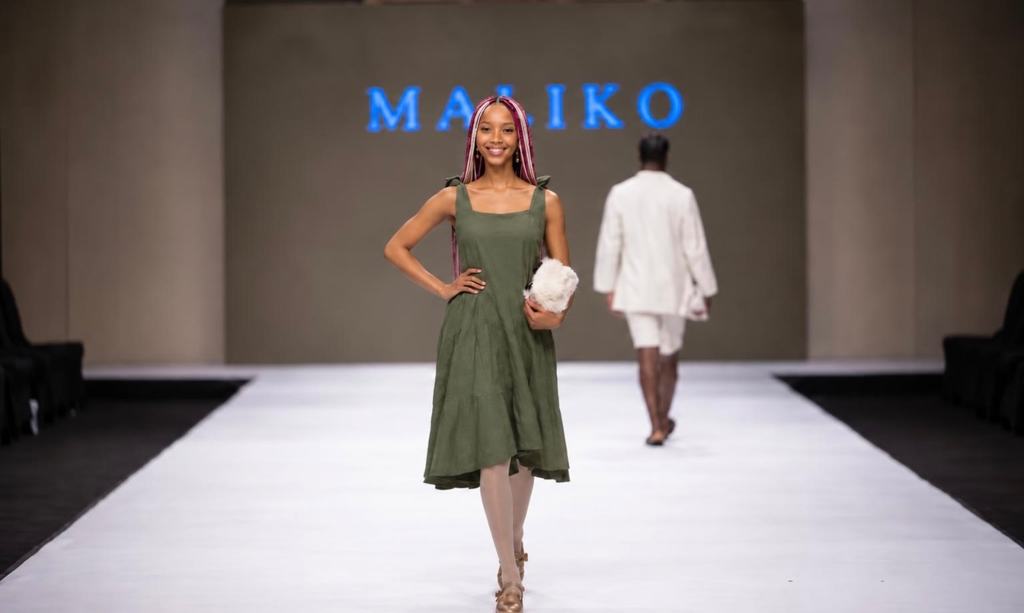
Maliko at Lagos Fashion Week 2026: How Artisanal Footwear Completes the Fashion Story
READ: Dust of the Earth at Lagos Fashion Week 2026
When people discuss a fashion collection, attention often goes first to dresses, jackets, trousers and other garments. Yet shoes and accessories play an equally important role in shaping how an outfit is experienced. They influence proportion, movement, comfort and the relationship between clothing and the person wearing it.
A pair of shoes can change the character of a simple outfit. A bag can introduce a new texture or colour. The shape of an accessory can create contrast against a relaxed silhouette or reinforce the structure of a tailored look.
READ: Sanwo-Olu walks the runway at Lagos Fashion Week 2026
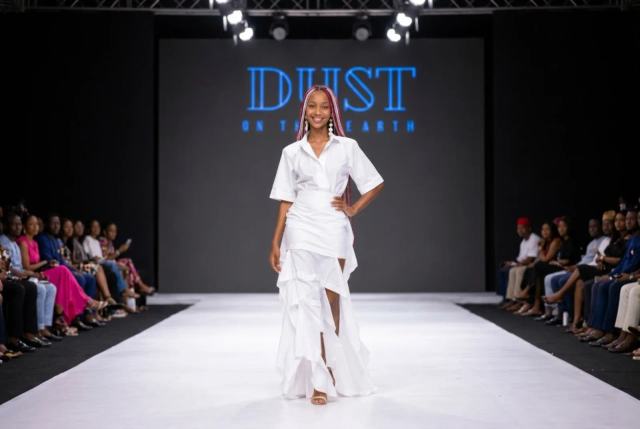
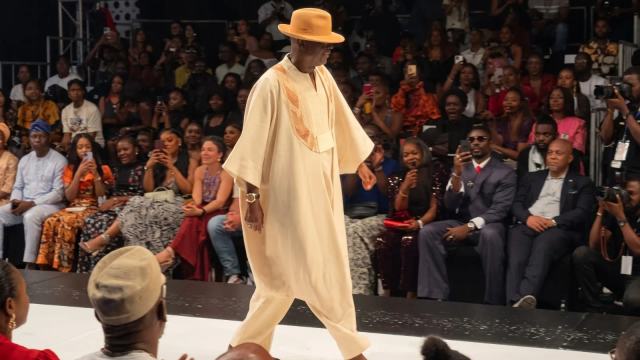
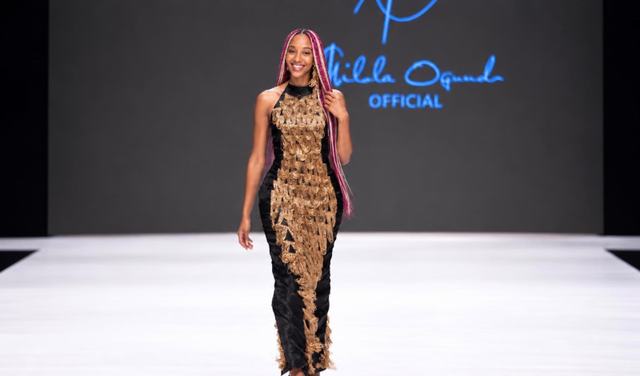
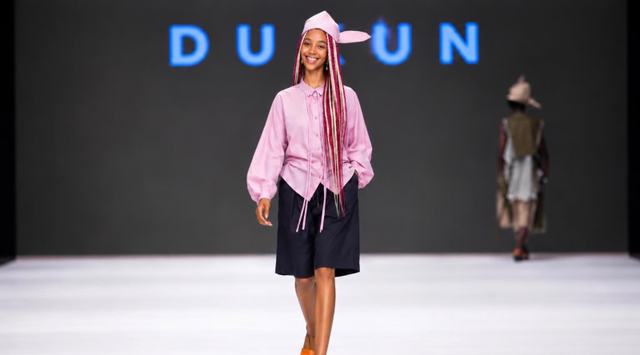
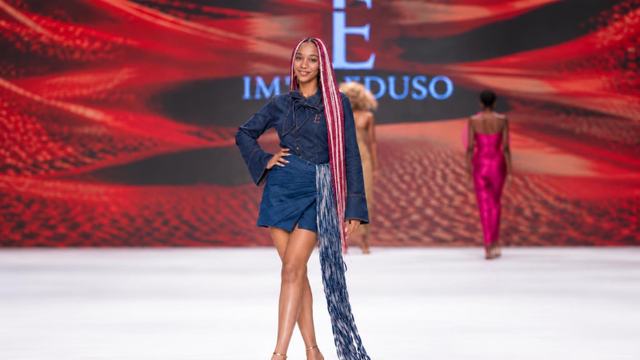
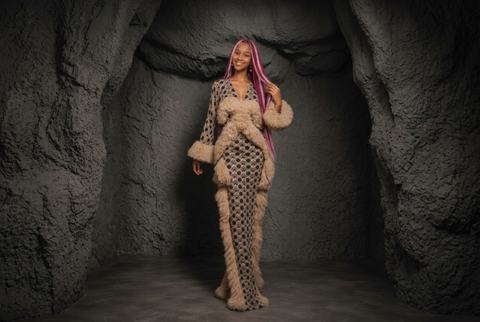
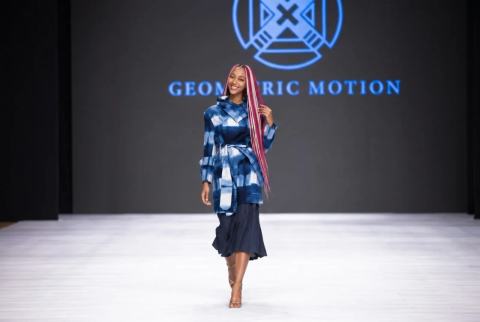
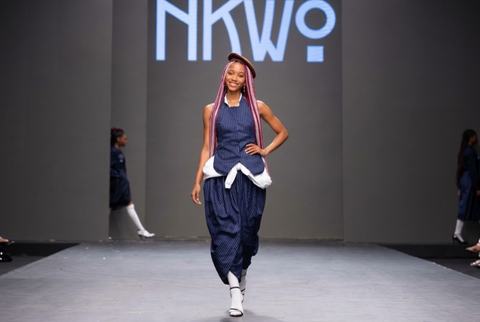
At Lagos Fashion Week on Thursday, 29 October 2026, Maliko brought this relationship between clothing, footwear and accessories into focus. The Lagos based brand presented its 2027 collection, combining relaxed silhouettes, contemporary styling and a continued emphasis on artisanal shoes and bags.
According to, the presentation moved between easy fitting dresses, tailored separates and accessories that highlighted the brand's craft. The report described the collection as an exploration of everyday style and considered details.
Maliko's presentation is a useful opportunity to look at an often overlooked part of the fashion business: the role of footwear and accessories in developing a complete design identity.
Ebuka Omaliko and the founding of Maliko
Maliko is an independent artisanal shoe and accessory brand based in Lagos. According to its, the brand was launched in 2017 and is led by founder and creative director Ebuka Omaliko.
The official profile describes Maliko as a label for people who are bold, authentic and self aware. It also identifies lively colours and boundary pushing silhouettes as part of the brand's approach to accessories, drawing inspiration from the joy, drama and chaos associated with Lagos.
That description provides a useful foundation for understanding the brand's creative identity. Lagos is a city of movement, contrast and different forms of self expression. Its streets, social spaces and commercial districts bring together varied styles, practical needs and visual influences.
A brand working in this environment has opportunities to explore how accessories function in daily life while also serving as expressions of personality.
Maliko's stated commitment to local artisans is another important part of its identity. The brand's official profile says it works with traditionally trained craftspeople and identifies sustainability and responsible production as priorities.
This emphasis places the label within a wider conversation about the role of artisanal skills in contemporary fashion.
Why footwear deserves its own place in fashion
Shoes do more than complete an outfit. They determine how a person walks, how weight is distributed and how a garment interacts with the ground. Their shape can influence the apparent length of the leg, the balance of a silhouette and the overall formality of an outfit.
Footwear design therefore requires attention to both appearance and function. A shoe needs to be visually distinctive, but it also needs to fit properly, provide appropriate support and withstand the conditions for which it is intended.
Materials matter. So do construction, sole design, finishing and the relationship between different components. A beautiful shoe that is uncomfortable or poorly constructed will struggle to serve its wearer over time.
Artisanal footwear brings the maker's knowledge into this process. Depending on the product and method, making a shoe can involve cutting materials, shaping components, assembling the upper, attaching the sole and finishing the edges. Each stage affects the final result.
For an independent label such as Maliko, footwear offers a way to develop a recognisable identity through details that can be difficult to reproduce without the required skills.
The brand's 2026 runway presentation placed its shoes and bags alongside contemporary clothing, showing how accessories can form part of a broader fashion narrative rather than functioning as afterthoughts.
Maliko's relationship with Lagos
The Lagos environment forms part of the brand's stated inspiration. A city can influence fashion through its architecture, weather, transport systems, nightlife, workplaces and the way residents move between different social settings.
Everyday dressing in a busy city often involves balancing practicality with self expression. People may need footwear that works for walking, commuting, working or attending social events. At the same time, shoes and bags can become visible markers of personal taste.
Maliko's official profile connects its design approach to the joy, drama and chaos of Lagos. This is a broad creative reference rather than a claim that every product directly represents a particular street, neighbourhood or event. It nevertheless offers a way to understand the brand's interest in expressive accessories.
The city's diversity can provide inspiration for colour, proportion and contrast. A restrained outfit may be paired with a striking shoe, while a bold garment may be balanced by a simpler accessory. A bag can be practical in its purpose yet distinctive in its form.
These relationships are part of how accessories help people create a personal style.
Handcraft and the people behind the product
Maliko's stated engagement with local artisans raises an important question about the relationship between fashion brands and the craftspeople who produce their goods.
Artisanal work involves knowledge that is often developed through practice. A craftsperson learns how materials behave, how to make precise cuts, how to assemble components and how to recognise the difference between a product that looks finished and one that has been properly constructed.
This knowledge is valuable, but it can be overlooked when a finished item is presented only through a brand name or a runway photograph.
A fashion business that depends on artisanal production must consider how the work is organised, how makers are compensated and how production can remain reliable as demand changes. Craftsmanship also depends on access to tools, materials, training and working conditions that allow skills to be maintained.
Maliko's official profile states that the brand engages local artisans and traditionally trained craftspeople as part of its approach to sustainability and responsible production. That is an important part of its public identity, although a full assessment of the business's social or environmental impact would require more detailed evidence about its sourcing and production arrangements.
The wider point is that artisanal fashion is not simply a style. It is connected to people, skills and the economic conditions under which products are made.
Local production and the question of value
The relationship between designers and local makers has significance beyond the individual product. When production takes place locally, it can create opportunities for skills development and allow closer communication between the designer and the people making the items.
Local production does not automatically guarantee fair pay, high quality or low environmental impact. Those outcomes depend on the actual conditions of work, the materials used and the organisation of the business. However, a deliberate relationship with local artisans can provide a foundation for building production around specific skills.
For footwear and accessories, this relationship may be particularly important because construction details can determine whether a product performs well over time.
Customers often judge shoes by their appearance when they first see them. Over repeated use, however, durability, comfort and the quality of the finish become more important. A well made product may remain useful for years, while a poorly made item can quickly become waste.
The commercial value of craftsmanship therefore depends partly on the ability to translate skill into consistent quality. Customers need to understand what they are buying, how it is made and how to care for it.
For Maliko, the stated emphasis on handcrafted products and local artisans provides a basis for this conversation.
Everyday style and the 2027 collection
The 2027 collection presented at Lagos Fashion Week moved between relaxed clothing, tailored separates and accessories. The reported range of silhouettes is significant because it suggests an interest in the relationship between comfort and considered design.
Relaxed garments can create ease through looser proportions and softer lines. Tailored separates provide more definition, establishing a different visual structure. When the two appear together, they can offer contrasting approaches to contemporary dressing.
Footwear and bags help connect these different pieces. An accessory can carry a visual theme across an outfit or provide contrast between garments that otherwise appear unrelated.
For example, a simple dress may allow a shoe to become the main visual focus. A structured jacket may be balanced by a more relaxed bag. The design challenge is to make the pieces work together without forcing every element to look identical.
The highlighted easy fitting dresses, tailored separates and the role of footwear and accessories in the collection.
This approach places the label within a practical part of fashion: creating products that can work in everyday wardrobes while still offering a recognisable design perspective.
Colour, silhouette and self expression
Maliko's official profile describes the brand's accessories as using lively colours and boundary pushing silhouettes. Colour and shape are powerful tools in footwear because the scale of a shoe is relatively compact, yet its effect on an outfit can be considerable.
A bright shoe can introduce a point of contrast. An unusual silhouette can alter the visual balance of an outfit. A distinctive bag can create a sense of identity even when the rest of the clothing is simple.
These design decisions allow accessories to serve different audiences. Some customers prefer pieces that blend into their wardrobe, while others look for items that stand out. A label can develop a varied product range without losing its identity if the underlying approach to construction and form remains consistent.
There is also a relationship between design and confidence. People often use clothing to express how they want to be seen, and accessories provide a flexible way to do so. They can be changed more easily than an entire outfit, making them useful tools for personal styling.
For a brand that draws inspiration from Lagos, this expressive role offers a natural connection between the city and the product.
Sustainability in footwear and accessories
Sustainability in fashion is often discussed through clothing materials, but shoes and bags raise their own questions. Footwear can contain several different components, including textiles, leather or synthetic materials, adhesives, soles, fasteners and decorative elements. These components may be difficult to separate when a product reaches the end of its useful life.
Durability is therefore important. A shoe that can be repaired or used for a long period may reduce the need for frequent replacement, although the actual environmental benefit depends on the materials and production process involved.
Responsible sourcing, careful construction, material efficiency and repairability can all contribute to a more considered approach. A brand may also examine how production waste is handled and whether leftover materials can be used elsewhere.
Maliko's official Lagos Fashion Week profile identifies the brand as an advocate for sustainable fashion and says it encourages slow handcrafted production and zero waste. These are the brand's stated commitments. Measuring their impact would require details such as material sourcing, waste records, product lifespan and repair practices.
It is important to distinguish between a sustainability intention and a verified outcome. A label may have a clear philosophy, but the strongest evidence comes from the way that philosophy is reflected in its actual operations.
Why slow craftsmanship can matter
Handcrafted production may allow a designer to pay close attention to details that are difficult to manage through a less flexible process. It can also preserve specialist skills and support products made in smaller quantities.
However, handmade does not automatically mean better or more sustainable. A handcrafted item still needs to be well designed, appropriately priced and constructed to a reliable standard. The labour involved must also be valued fairly.
Slow production can create opportunities for quality control, but it may make it harder to respond quickly to large orders. If demand increases, the brand must consider how to expand without compromising construction quality or placing unreasonable pressure on the people making the products.
For an artisanal label, these decisions can influence the kind of business it becomes. Growth is not only a matter of selling more units. It is also about maintaining the relationship between design, production and the people whose skills make the products possible.
Maliko's focus on local artisans provides a useful starting point for considering these questions.
READ: Ibilola Ogundipe Lagos Fashion Week: Colour and Craft
The business opportunities behind accessories
Footwear and bags can create different commercial opportunities from clothing. They may be easier for some customers to incorporate into an existing wardrobe, and distinctive accessories can attract attention even when a shopper is not looking to purchase an entire outfit.
A well developed accessories label may also appeal to retailers seeking products that complement clothing from other designers. The challenge is to establish consistent sizing, reliable quality, clear product descriptions and dependable delivery.
Footwear requires particular attention to sizing and fit. Customers need accurate measurements and guidance about the way a shoe is designed to fit. Bags require clear information about dimensions, weight, materials and practical features.
These details are less dramatic than a runway presentation, but they help convert creative interest into a successful purchase.
A business also needs to communicate what makes its products distinctive. For Maliko, the combination of artisanal production, local craft and expressive design offers a starting point for explaining its approach to potential customers.
Maliko within the wider African fashion industry
African fashion includes designers working across clothing, footwear, jewellery, bags, textiles and other accessories. These areas contribute to a broader creative economy involving makers, suppliers, retailers, photographers, stylists and many other professionals.
Accessory brands are important within this ecosystem because they expand the ways a collection can be interpreted. They can complement clothing from the same label or create partnerships with other designers.
Lagos Fashion Week provides a platform for audiences to see these relationships in context. It also places independent labels alongside brands with different approaches to craft, materials and commercial development.
Maliko's 2026 presentation highlighted the contribution of shoes and bags to the overall runway story. Its work offered a reminder that fashion is not only about the garment closest to the body. It also includes the objects that help people move through the world and express their identities.
What the next chapter could bring
Maliko was launched in 2017, giving the brand an established starting point from which to develop its work. Its 2026 presentation showed how artisanal accessories could be considered alongside contemporary clothing and everyday silhouettes.
The next stage will be to follow how the brand continues to develop its product range, how its commitment to local artisans is reflected in its production and how its designs reach customers beyond the runway.
There are practical questions worth watching. How will the label balance distinctive design with comfort and durability? How will it communicate fit and care to customers? How will it maintain the quality of handcrafted products as demand changes?
These questions are not criticisms of the collection. They are part of understanding the work required to build a lasting fashion business.
I believe that the most meaningful fashion stories include both the creative idea and the work required to sustain it. A shoe can be striking in a photograph, but its long term value depends on how it is made, how it fits and how it performs in the life of the person who buys it.
A complete fashion story, from clothing to footwear
Maliko's Lagos Fashion Week 2026 presentation brought attention to the relationship between artisanal footwear, accessories and contemporary clothing. Led by founder and creative director Ebuka Omaliko, the Lagos based brand has identified local artisans, expressive silhouettes and responsible production as important parts of its identity.
The 2027 collection placed shoes and bags within a wider wardrobe of relaxed garments and tailored separates. It demonstrated how accessories can contribute to the overall visual direction of a collection while serving practical purposes for the wearer.
The wider significance lies in the recognition that fashion depends on many forms of creative labour. The garment, the shoe and the bag may be experienced together by the customer, but each requires its own design decisions, materials and construction knowledge.
As African fashion continues to develop across local and international markets, the work of artisanal accessory brands deserves attention alongside clothing labels. Their products help complete the fashion story and provide another way for craft skills to reach contemporary audiences.
Maliko's presentation added to that conversation by placing handcrafted shoes and bags within the broader language of modern African style.
The writer of this article does not claim to know the individuals named personally. The information about their backgrounds, as published on Global News Arena, is based on independent online research.
Are you interested in learning how to write professionally and earn money as a writer and content creator? Contact Auxi Chat today to start your writing journey immediately.
Need a professional website in 72 hours? Contact Auxi Chat
If you have an article, opinion piece, event or news story you would like published, Global News Arena would love to hear from you.