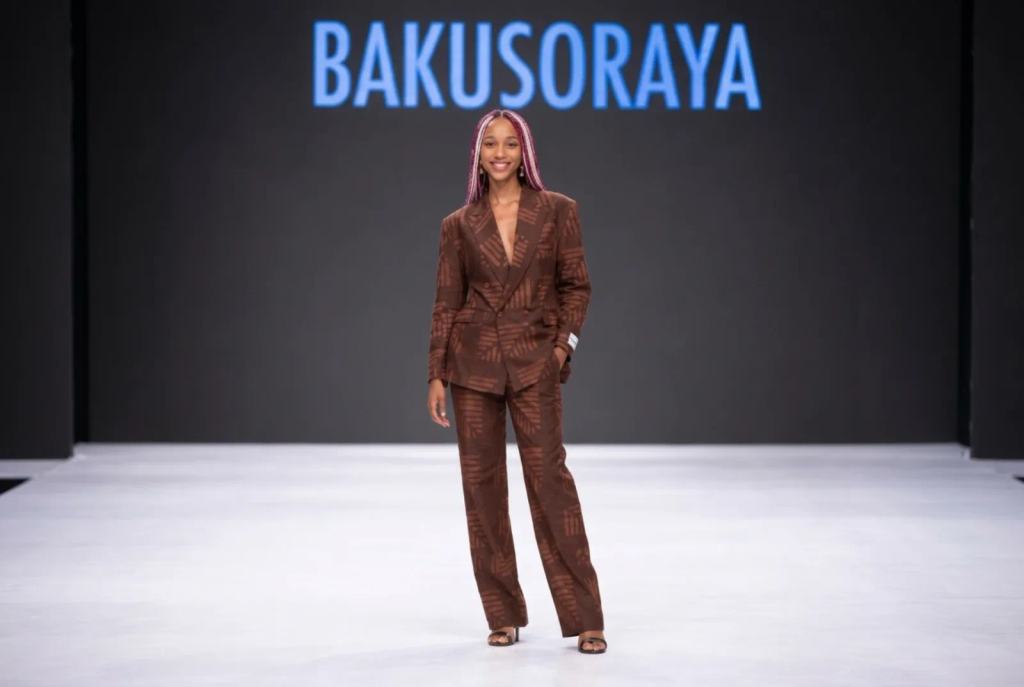
Bakusoraya at Lagos Fashion Week 2026: Beninese Textile Heritage Meets Contemporary Elegance
READ: Maliko at Lagos Fashion Week 2026: Artisanal Footwear
Fashion can preserve cultural references without requiring garments to reproduce the past exactly. A textile technique, a pattern, a decorative detail or a familiar silhouette can be carried into a new design and interpreted for a different generation. This process allows heritage to remain part of everyday creative life rather than being confined to museums, ceremonies or historical photographs.
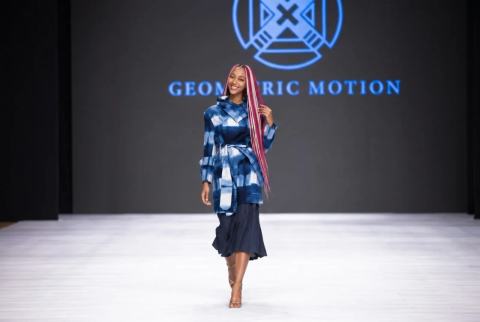
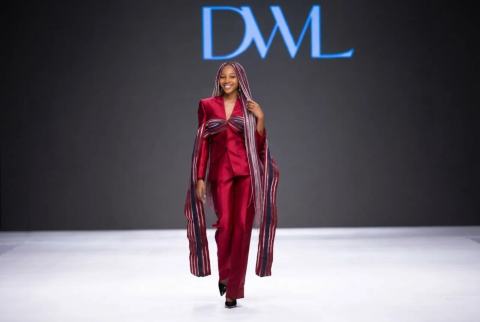
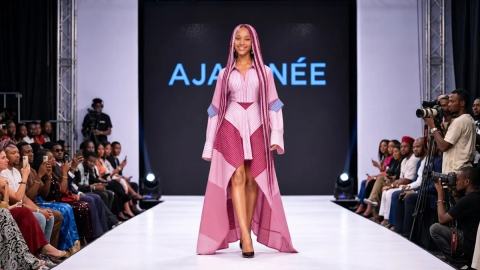
At Lagos Fashion Week on Thursday, 29 October 2026, Bakusoraya brought this relationship between cultural heritage and contemporary expression to the runway. The Benin Republic based label presented a Spring/Summer 2027 collection drawing inspiration from Beninese batik, African elegance and the visual language of leadership.
READ: Imad Eduso Into the Wild at Lagos Fashion week 2026
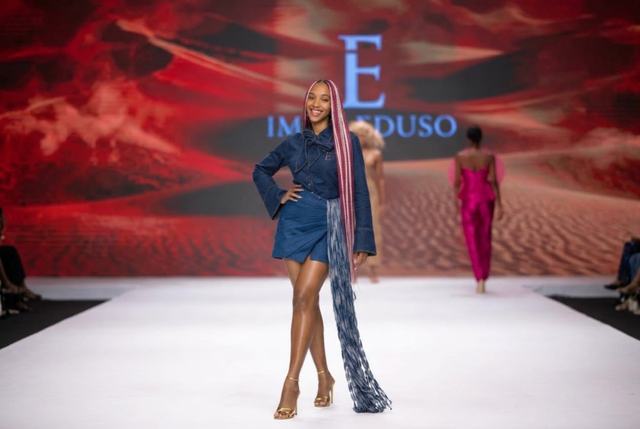
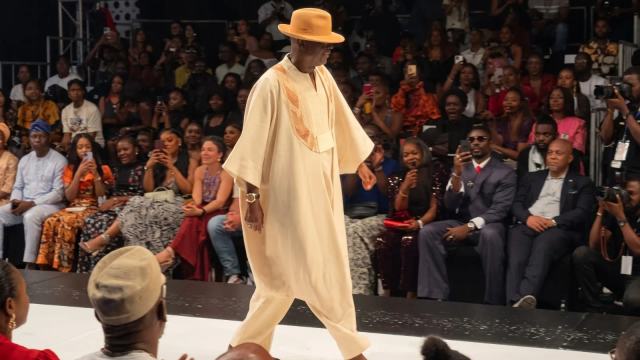
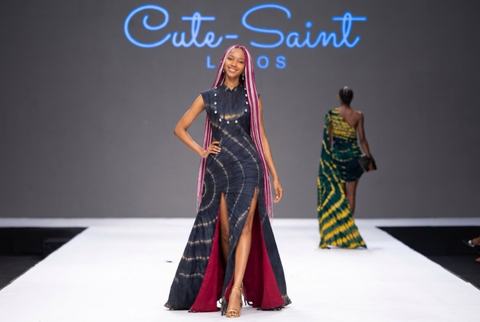
The collection used bold prints, layered textures, fringe, embroidery and fluid silhouettes to build a distinctive visual identity. Described the presentation as an exploration of heritage and craftsmanship through contemporary styling.
The result was a collection that invited audiences to consider how indigenous textile traditions can continue to influence modern design.
I believe this conversation is particularly important in African fashion, where designers often work between the desire to preserve cultural knowledge and the need to create clothing that speaks to contemporary life. Heritage does not have to be treated as a limitation. It can provide a foundation for experimentation, innovation and individual expression.
Bakusoraya and its Beninese design identity
Bakusoraya is identified in Lagos Fashion Week coverage as a label based in the Benin Republic, bringing a Beninese perspective to the wider African fashion conversation. Its 2026 presentation placed indigenous textiles and decorative techniques at the centre of its visual language.
Public information about the founder's personal biography and the label's complete history is limited in the sources available for this profile. It would therefore be misleading to invent a personal origin story, educational background or timeline that has not been independently established. The collection itself, however, offers a documented starting point for understanding the brand's creative direction.
Its focus on Beninese batik connects the presentation to a wider history of textile production across West Africa. Fabric is more than a surface covering. It can carry information about place, technique, trade, identity and the people involved in its creation.
A designer working with indigenous textiles has the opportunity to make those qualities visible in a contemporary setting. The challenge is to do so thoughtfully, allowing the material to contribute to the garment's construction and identity rather than using it merely as decoration.
Bakusoraya's collection approached this through print, texture, movement and sculptural details.
Understanding batik as a textile tradition
Batik is a textile decoration method associated with the use of wax resist to create patterns during dyeing. The technique has developed in different cultural settings, with regional variations in design, materials and production. It is important not to treat all batik as identical or to assume that a technique used in one country represents every textile tradition across a region.
In the context of Bakusoraya's collection, Beninese batik served as a reference point for exploring cultural identity through clothing. The material's patterns and colours can contribute to a garment's character before the designer even begins to shape it.
Once a patterned textile is cut, however, the design becomes more complex. The placement of a motif can influence how a garment looks when worn. A pattern may continue across a large panel, be interrupted by a seam or appear differently on a sleeve than on the body of a jacket. These decisions determine whether the textile and the silhouette work together.
A designer must also consider scale. Large patterns can create a strong visual statement, while smaller motifs may produce a more subtle effect. Layering patterned fabric with other textures introduces additional contrast.
These choices help transform textile heritage into a contemporary fashion language.
From traditional references to modern silhouettes
One of the central challenges in contemporary fashion is deciding how cultural references should be interpreted. A designer may choose to preserve the original appearance of a textile or technique, or may use it as a starting point for new proportions and combinations.
Bakusoraya's Spring/Summer 2027 presentation combined its Beninese textile inspiration with fluid silhouettes and contemporary styling. This approach allowed the collection to connect a specific cultural reference with a modern runway vocabulary.
Fluid silhouettes can change the way a textile behaves. A patterned fabric may appear differently when it hangs loosely than when it is shaped into a fitted garment. Movement can reveal parts of a print that are less visible when the wearer stands still, creating a relationship between textile and body.
The use of fringe adds another dimension. Fringe creates motion around hems, sleeves and other sections of a garment. It can emphasise the direction of a silhouette, extend a line or introduce texture without relying on a separate printed pattern.
When these elements are combined, the garment becomes a meeting point between surface and movement.
The collection's visual approach suggests that contemporary African fashion can draw from cultural traditions while remaining open to changes in shape, styling and construction.
Embroidery, texture and the value of craftsmanship
Embroidery can transform a fabric by adding raised detail, contrast and ornamentation. Depending on the technique, it may create delicate patterns or more prominent decorative features. Its placement can draw attention to specific parts of a garment and give a textile additional depth.
In a collection that already uses bold prints, embroidery must be balanced carefully. Too many competing elements can overwhelm the design, while a considered arrangement can enrich the fabric and strengthen the overall visual composition.
Craftsmanship also raises questions about the labour behind a finished garment. Decorative work can require time, specialised knowledge and careful handling. The people who carry out that work contribute to the value of the final product, even when their role is not immediately visible to the audience.
A fashion industry that celebrates craftsmanship should also consider how makers are paid, how skills are passed between generations and how production arrangements support consistent quality.
These questions are relevant whenever designers draw on techniques associated with a particular community or textile tradition. Cultural references have histories, and the work required to transform them into contemporary garments deserves attention.
Bakusoraya's combination of indigenous textiles, embroidery and fringe provided an opportunity to consider craftsmanship as both a visual element and part of a wider production process.
The visual language of leadership and African elegance
Coverage of the collection identified African elegance and the visual language of leadership among its inspirations. These concepts can be explored through the relationship between garment, body and presentation.
Clothing has long been used to communicate status, confidence, formality and belonging. The cut of a jacket, the weight of a textile, the scale of a silhouette or the presence of decorative details can influence how a wearer is perceived.
Leadership in fashion does not have one universal appearance. It may be communicated through restraint, precision, colour, volume or a distinctive personal style. A structured outfit may project authority through its sharp lines, while a flowing garment may convey confidence through movement and scale.
The use of Beninese textile references provides Bakusoraya with a way to place cultural identity within this discussion. The garments can suggest that heritage and contemporary authority are not opposing ideas. A wearer can embrace cultural references while expressing a modern sense of self.
That relationship is particularly relevant to a fashion industry in which designers are building international audiences while remaining connected to their own creative contexts.
African fashion is not one single aesthetic
The term African fashion covers an enormous range of design practices, materials, cultures and histories. It can include traditional and contemporary clothing, luxury fashion, streetwear, artisanal products, experimental design and everyday garments.
Treating this diversity as a single visual style risks overlooking the specific choices that distinguish one label from another. A designer working with Beninese batik is not necessarily making the same statement as a designer using Nigerian handwoven cloth, Ghanaian smocking techniques or South African graphic textiles.
Each approach deserves to be considered on its own terms.
Bakusoraya's collection offered a Beninese perspective through its textile references and contemporary silhouettes. Its participation in Lagos Fashion Week created a space for this work to be considered alongside designers with different backgrounds and methods.
The wider programme demonstrated how heritage can enter fashion through multiple routes. Some collections focused on material reuse, others on tailoring, embellishment or traditional textile techniques. Documented this variety.
The diversity matters because cultural identity does not need to be expressed through one fixed formula. Fashion can provide space for several traditions and interpretations to coexist.
The role of Lagos Fashion Week in regional visibility
A fashion platform can help designers reach audiences beyond their immediate markets. Buyers, journalists, stylists, retailers and consumers may encounter a label for the first time through a runway presentation or the reporting that follows it.
For a label bringing a Beninese perspective to a regional platform in Lagos, that visibility can create opportunities for new conversations. It may encourage audiences to learn more about the textile traditions that inform the collection, explore the designer's other work or consider how different West African fashion scenes influence one another.
Visibility alone, however, does not guarantee long-term commercial success. A label needs to turn interest into sustainable relationships with customers and partners. That may involve maintaining product quality, establishing clear sizing, communicating prices and delivery terms, and managing production reliably.
For craft based fashion, the challenge can be particularly complex when a garment depends on detailed manual work. Increased demand must be balanced against the time and skills required to produce each piece.
These practical considerations are part of the larger conversation about how African designers can grow while protecting the quality and integrity of their work.
READ: Sanwo-Olu walks the runway at Lagos Fashion Week 2026
Heritage as a living practice
Heritage is sometimes presented as something that must be preserved exactly as it was inherited. Yet cultural practices have always existed within changing societies. Techniques are adapted, materials evolve, and new generations find different reasons to use familiar forms.
Fashion offers a particularly visible way to observe that process. A textile tradition may move from one type of garment to another. A decorative method may be used in a new proportion. A familiar pattern may appear beside contemporary tailoring or a silhouette shaped by global fashion influences.
The key question is how these changes are approached. Innovation does not require a designer to abandon cultural meaning, and preserving heritage does not require every garment to look historical.
Bakusoraya's 2026 collection brought this balance into view through its combination of Beninese batik, bold prints, embroidery, fringe and fluid silhouettes. The presentation suggested that cultural references can remain active within contemporary design.
I believe this is one of the most valuable roles fashion can play: it can encourage people to look again at familiar traditions and recognise that they remain capable of generating new ideas.
What comes after the runway
A collection's life does not end when the models leave the runway. The garments may continue through editorial photographs, retail presentations, customer orders and future design development. Each stage offers a different test of the original creative idea.
For Bakusoraya, future collections may provide further insight into how its use of Beninese textile traditions develops. The next question is not whether the label must repeat the same visual language, but how it can continue to explore its references while building a recognisable identity.
The commercial future of craft based fashion also depends on the visibility and value of the people who contribute to production. If indigenous techniques are central to a label's identity, the sourcing and making process deserves the same consideration as the final styling.
A successful fashion business needs a clear creative direction, but it also needs systems that support the work behind the garments.
A contemporary expression of Beninese textile heritage
Bakusoraya's Lagos Fashion Week 2026 presentation placed Beninese batik and African elegance within a contemporary fashion framework. Through bold prints, layered textures, embroidery, fringe and fluid silhouettes, the collection explored how heritage can inform the visual language of modern clothing.
Its contribution lies in offering a distinct cultural perspective within a diverse regional fashion platform. Rather than treating textile heritage as a static reference, the collection presented it through changing forms and styling decisions.
The next stage will be to follow how the label develops its creative identity and how its work reaches audiences beyond the runway.
For now, Bakusoraya's presentation provides a reminder that cultural heritage is not only something to look back on. When approached with care and creativity, it can continue to shape the clothes people make, wear and use to express who they are.
The writer of this article does not claim to know the individuals named personally. The information about their backgrounds, as published on Global News Arena, is based on independent online research.
Are you interested in learning how to write professionally and earn money as a writer and content creator? Contact Auxi Chat today to start your writing journey immediately.
Need a professional website in 72 hours? Contact Auxi Chat
If you have an article, opinion piece, event or news story you would like published, Global News Arena would love to hear from you.