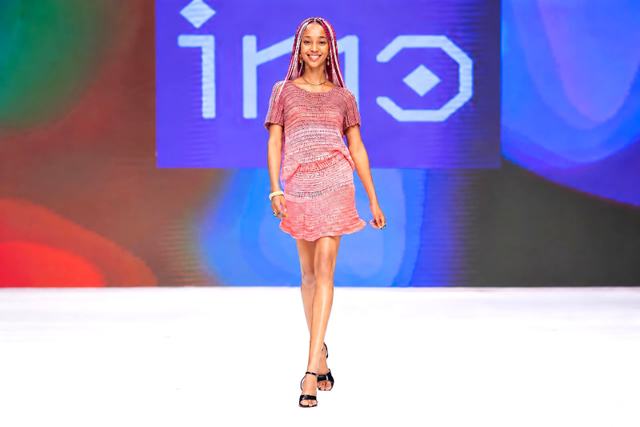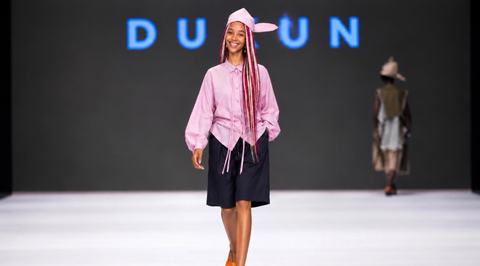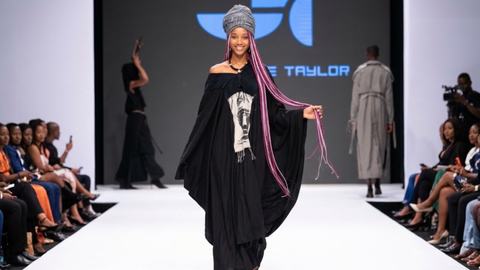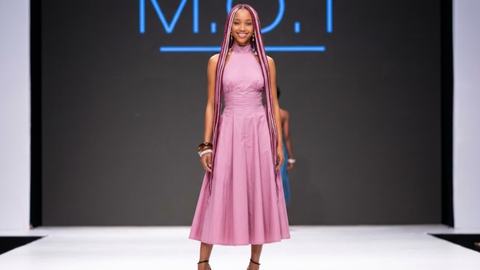
Jermaine Bleu Lagos Fashion Week: Heritage Meets Modern Style
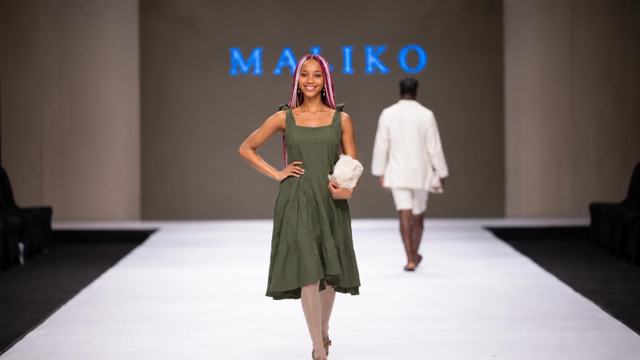
READ: Maliko at Lagos Fashion Week 2026: Artisanal Footwear
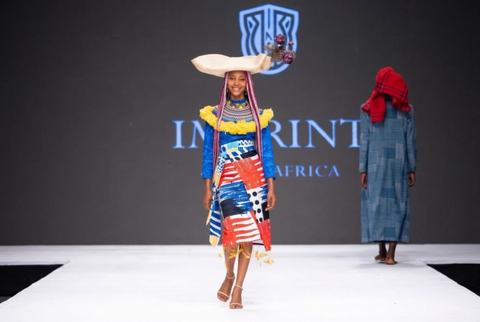
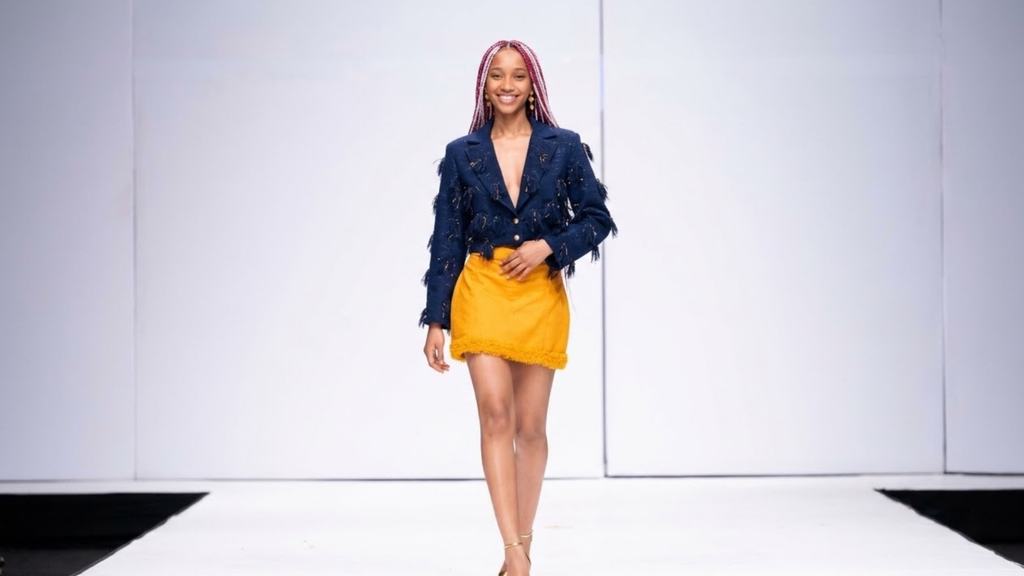
Jermaine Bleu Lagos Fashion Week continued the story of a Ghanaian fashion label built around contemporary style, cultural identity and the idea that clothing can communicate more than appearance. Founded by designer Jason Jermaine Asiedu, the brand has developed a design philosophy that connects modern ready-to-wear with references to Ghanaian heritage and African creative expression.
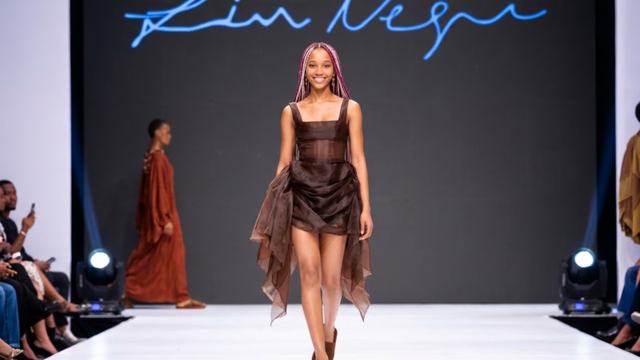
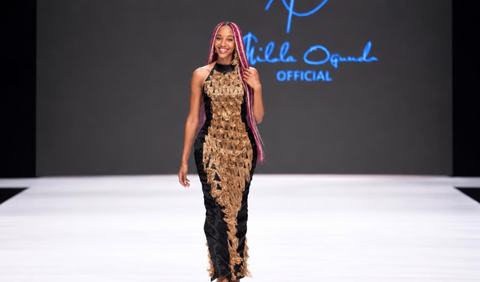
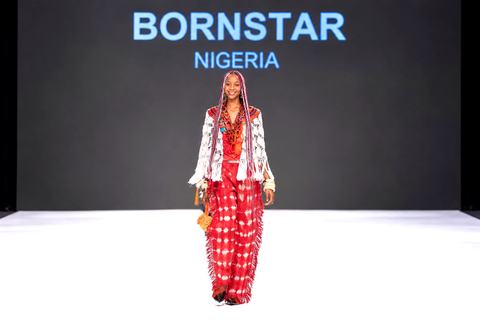
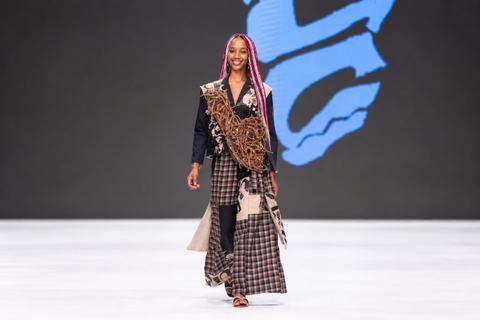
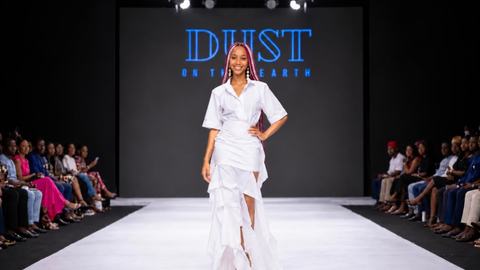
The label was part of the Friday, 7 PM programme at Lagos Fashion Week 2026, alongside Fiu Negru, Pettre Taylor and M.O.T the Label. The wider runway programme included designers exploring heritage, craftsmanship, personal identity and new approaches to contemporary clothing.
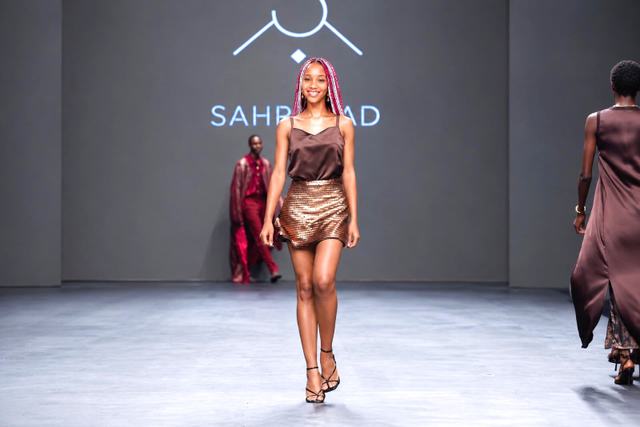
READ: Sahrazad Lagos Fashion Week: The Journey Within
Jermaine Bleu’s work is particularly relevant to that conversation because the brand treats fashion as a medium for storytelling. Its identity has been shaped by a combination of considered silhouettes, fabric choices and cultural references, offering a way to explore African identity without limiting the garments to one conventional style.
For me, the value of this approach lies in the possibility of making heritage part of contemporary life. Clothing can acknowledge a person’s background while still responding to modern wardrobes, different occasions and changing ideas about style.
The brand’s official profile describes its aim as creating garments that represent the modern African while incorporating cultural influences into its designs. Its work has appeared at several fashion platforms, including Lagos Fashion Week, Glitz Africa Fashion Week and Milan Fashion Week Men’s.
The Designer Behind Jermaine Bleu
Jason Jermaine Asiedu is the founder and creative force behind Jermaine Bleu. The brand’s official biography traces his interest in fashion to a childhood influenced by his mother’s work as a seamstress and his wider appreciation for the arts.
Growing up around garment-making provided an early point of contact with the practical side of fashion. Sewing involves more than joining pieces of fabric: it requires an understanding of proportion, fit, construction and how different materials respond to the body.
Asiedu’s subsequent design practice developed around the relationship between those technical considerations and cultural expression. His work draws on Ghanaian heritage while exploring how contemporary clothing can communicate identity through shape, fabric and detail.
The label was launched in 2015 according to the official Lagos Fashion Week profile, although the brand’s own website describes its founding in 2016. The published sources therefore differ slightly on the exact launch year. Both identify Asiedu as the founder and describe the label’s focus on heritage and contemporary design.
Jermaine Bleu has developed a presence beyond its home market, appearing at fashion events in Africa and internationally. The brand was also a finalist in Lagos Fashion Week’s Fashion Focus programme in 2019, according to its official profile.
That history provides context for the label’s position within contemporary African fashion. Its identity is not based on a single textile or silhouette alone, but on the broader aim of connecting cultural references with garments designed for modern wearers.
Jermaine Bleu Lagos Fashion Week and Contemporary African Identity
The phrase contemporary African fashion can cover a wide range of design approaches, from traditional textiles and ceremonial clothing to minimal ready-to-wear, streetwear and experimental runway collections. There is no single silhouette or material that represents the entire continent.
Jermaine Bleu’s philosophy recognises this variety by placing the modern African wearer at the centre of its design thinking. The brand’s work draws on cultural references without treating them as restrictions on creativity.
This distinction matters. Cultural heritage can be a source of inspiration, but contemporary designers also need room to experiment, reinterpret familiar forms and respond to the people who wear their clothes.
A garment might incorporate a batik-inspired print, a high-contrast colour combination or a familiar tailoring technique in a new proportion. Each decision can create a connection with cultural context while giving the finished piece its own character.
The success of such a design depends on more than the presence of a recognisable reference. The material, construction and styling need to work together, and the designer should understand the origin of the cultural element being used.
I believe this balance between identity and innovation is essential to the wider conversation about African fashion. It allows designers to draw on their backgrounds without being expected to reproduce a fixed image of what African clothing should look like.
Storytelling Through Fabric and Silhouette
Jermaine Bleu’s official website describes its garments as a means of self-expression and discovery. That philosophy places the wearer within the design process: clothing is not only something to look at but also something through which a person can communicate a sense of self.
Fabric is one of the ways this communication happens. Different materials have different weights, textures and behaviours, and these qualities influence how a garment sits on the body.
The brand’s designer profile identifies crepe and silk among the fabrics associated with its design language. These materials can support different effects. Crepe may provide texture and fluidity, depending on its composition and construction, while silk can introduce softness, drape and a distinctive surface.
Silhouette is equally important. A relaxed shape may communicate ease, while a more structured garment can create a sharper outline. Contrasts in proportion can also help a collection move between understated pieces and more expressive looks.
These choices do not have universal meanings, but they provide designers with a vocabulary for shaping the experience of a garment. The way fabric falls, the placement of a seam or the relationship between contrasting colours can influence the impression a piece creates.
A coherent design identity emerges when these decisions connect across a collection. Individual garments can differ while still reflecting shared principles in construction, colour and styling.
Ghanaian Heritage and the Contemporary Wardrobe
Ghana has a rich and varied textile history, including traditions associated with kente, adinkra cloth, batik and other forms of fabric production and decoration. These practices have distinct histories, techniques and cultural contexts.
A contemporary designer working with Ghanaian references has opportunities to engage with that heritage in different ways. A collection might use traditional textiles directly, reinterpret familiar patterns or draw inspiration from broader ideas about colour, symbolism and craftsmanship.
However, it is important not to assume that every Ghanaian designer uses the same materials or represents the same traditions. Cultural references need to be considered in relation to the individual designer’s work and the specific collection.
Jermaine Bleu’s published design philosophy emphasises incorporating Ghanaian heritage into contemporary clothing. The approach creates a connection between cultural identity and the practical requirements of a modern wardrobe.
That connection can be particularly meaningful when garments are designed for different occasions. A piece may need to work in professional settings, social events or everyday life while still reflecting a distinctive design perspective.
For customers, this can offer a way to engage with cultural references through clothing without assuming that heritage-inspired fashion must look traditional in every respect.
Ready-to-Wear and the Importance of Wearability
Ready-to-wear fashion is designed for customers to purchase in standardised sizes or established product ranges, rather than being created entirely through individual bespoke commissions. It can offer designers a way to reach a wider audience, but it also creates particular challenges around fit and consistency.
A brand must decide which sizes to produce, how garments should fit different bodies and how the finished pieces will be manufactured. Pattern development and quality control become especially important when a design needs to be reproduced across several sizes.
Jermaine Bleu’s focus on wearable sophistication places these questions alongside its creative direction. A garment can be visually expressive while still being practical enough for its intended customer.
Wearability does not mean every piece must be simple or understated. It means that the garment’s construction, comfort and intended use have been considered. A bold jacket may be wearable if it fits properly and allows the wearer to move, while a minimalist piece can still be uncomfortable if its pattern or fabric is poorly chosen.
The same principle applies to care and durability. Customers benefit from knowing how to clean a garment, how it should be stored and whether its fabric requires special handling.
For fashion businesses, dependable quality and clear product information can help turn interest into repeat purchases. Creative identity attracts attention, but the customer’s experience after buying the garment also shapes the relationship with the brand.
Fashion as a Way to Reclaim Narratives
Jermaine Bleu’s official biography presents storytelling as a central part of the designer’s vision. The brand’s approach reflects a wider discussion about who tells stories about African fashion and how those stories are communicated to international audiences.
For many years, African design has often been discussed through simplified descriptions that treat the continent as if it had one cultural identity. Contemporary designers challenge that approach by presenting different experiences, histories and creative priorities.
Fashion can be part of that challenge because garments offer a visible expression of individual and collective identity. A designer can use clothing to communicate personal experience, cultural pride or a particular interpretation of contemporary life.
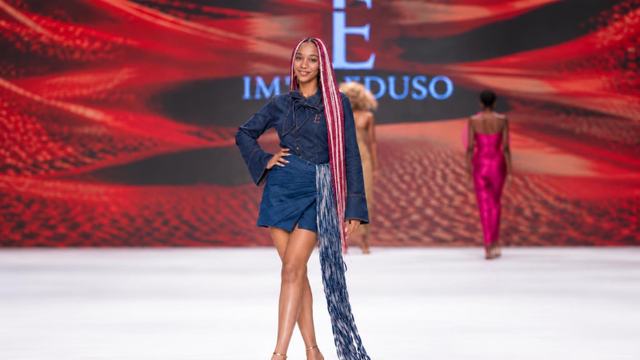
READ: Imad Eduso Into the Wild at Lagos Fashion week 2026
However, a brand’s story should not be expected to represent every person from the country or community it references. Individual designers bring their own experiences and ideas to their work, and those perspectives are part of what makes the industry diverse.
The value of storytelling lies in allowing designers to explain their own creative choices. It also encourages audiences to engage with the work on its own terms rather than relying on assumptions about what African fashion should look like.
Jermaine Bleu Within the International Fashion Conversation
Jermaine Bleu has appeared at several fashion platforms, including Lagos Fashion Week and Milan Fashion Week Men’s, according to published brand profiles. These appearances place the label within a broader conversation about how African designers connect with audiences beyond their home markets.
International visibility can introduce a brand to new customers, retailers and media organisations. It can also provide opportunities to compare approaches to design, production and presentation across different fashion environments.
Yet a runway appearance does not automatically translate into a sustainable business. Brands need production capacity, dependable delivery, clear pricing and a way to maintain quality as demand changes.
For a ready-to-wear label, the ability to reproduce garments consistently can be particularly important. Customers and retailers need confidence that the pieces will match the brand’s descriptions and meet expected standards.
Designers also need to decide how to preserve their creative identity as they grow. Commercial opportunities can expand a brand’s reach, but growth must be balanced with the materials, techniques and principles that make its work distinctive.
What Jermaine Bleu Contributes to Contemporary African Fashion
Jermaine Bleu’s contribution lies in its continuing exploration of the relationship between cultural heritage and modern clothing. Through its design philosophy, the brand presents fashion as a space where identity can be expressed without restricting the wearer to one particular image.
Jason Jermaine Asiedu’s background and creative direction provide context for that approach. His work brings together an interest in garment construction, Ghanaian heritage and contemporary ready-to-wear, while the brand’s international appearances have helped introduce its ideas to wider audiences.
I believe the most useful way to understand this approach is to see heritage as a starting point for creative dialogue rather than a fixed set of rules. Designers can preserve important references while finding new ways to make them relevant to contemporary customers.
The continued development of Jermaine Bleu will depend on how the label evolves its collections, sustains its production and communicates with the people who wear its garments. Its presence at Lagos Fashion Week 2026 nevertheless reinforced the role of storytelling and cultural identity in contemporary African fashion.
Ultimately, Jermaine Bleu Lagos Fashion Week formed part of a larger conversation about representation, craftsmanship and the future of African design. The label’s philosophy suggests that clothing can honour cultural roots while remaining open to experimentation, individual expression and the changing realities of modern life.
The writer of this article does not claim to know the individuals named personally. The information about their backgrounds, as published on Global News Arena, is based on independent online research.
Are you interested in learning how to write professionally and earn money as a writer and content creator? Contact Auxi Chat today to start your writing journey immediately.
Need a professional website in 72 hours? Contact Auxi Chat
If you have an article, opinion piece, event or news story you would like published, Global News Arena would love to hear from you.