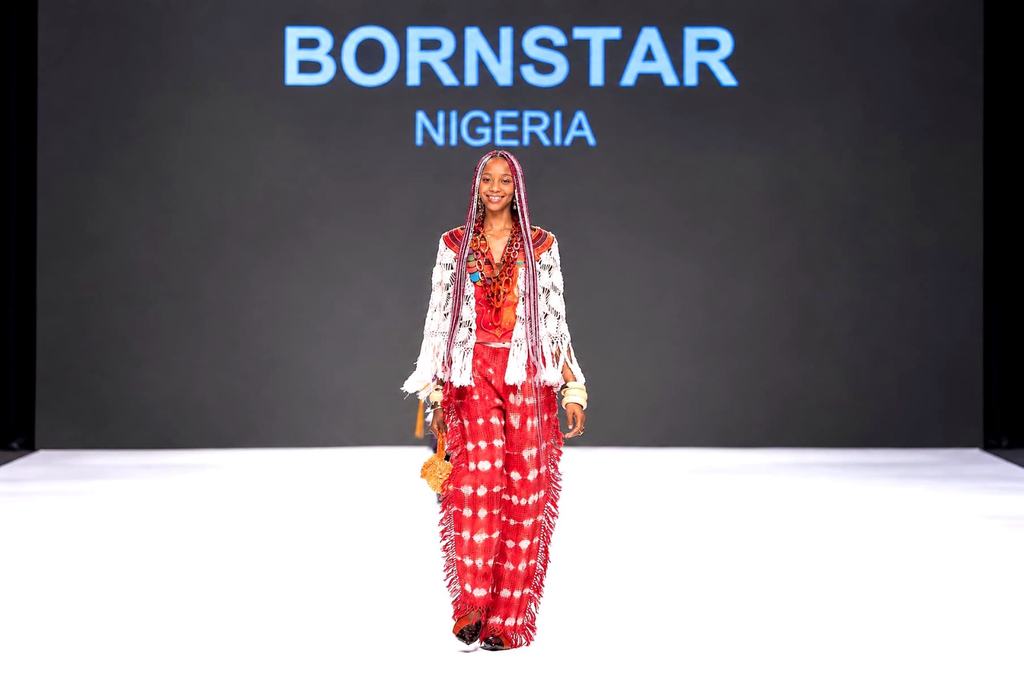
Bornstar Nigeria Lagos Fashion Week: Movement in Design
READ: Ibilola Ogundipe Lagos Fashion Week: Colour and Craft
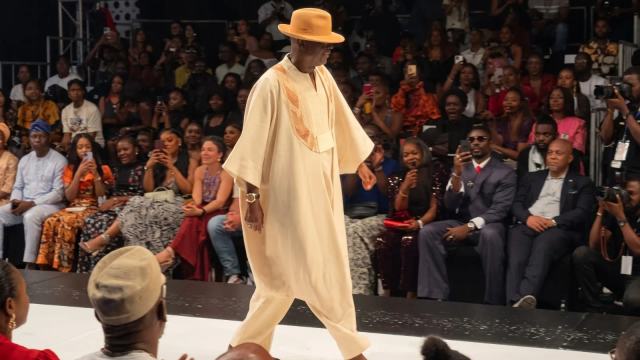
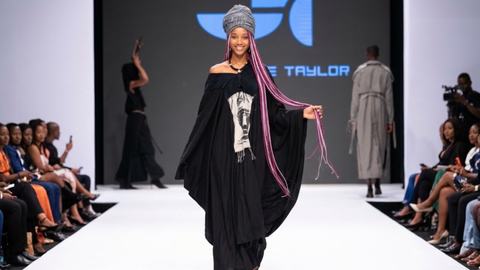
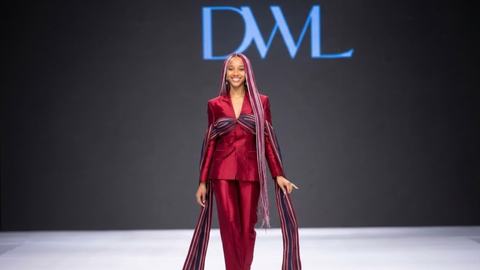
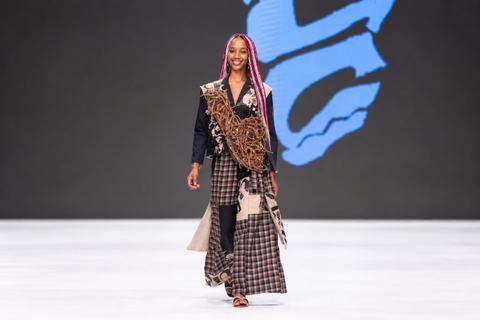
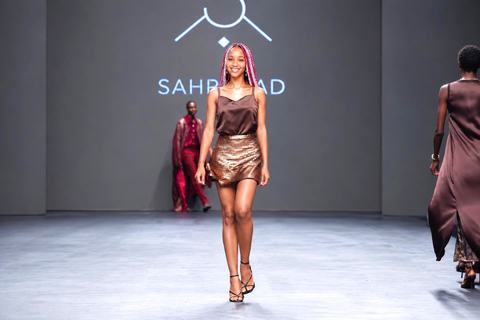
Bornstar Nigeria Lagos Fashion Week brought attention to the relationship between silhouette, movement and colour at the 2026 edition of the event. The brand presented a series of looks featuring ponchos in neutral tones, blazer coats finished with fringes and menswear that explored a brighter colour palette.
The presentation stood out for the way movement became part of the garments’ visual identity. Fringe was not used simply as an additional decorative feature. According to coverage of the show, it was incorporated to create fluidity, allowing the garments to respond to the movement of the wearer.
READ: Dukun Lagos Fashion Week: Itsekiri Heritage Reimagined
That distinction matters because clothing is experienced in motion as well as in photographs. A runway look changes as a model walks, turns and interacts with the space. The behaviour of the fabric can reveal details that a still image cannot fully communicate.
For me, this is one of the most interesting aspects of contemporary fashion design. A garment can be visually striking because of its colour or shape, but the way it moves can give it another dimension. When the construction supports that movement, the design becomes more than a static image.
Bornstar Nigeria’s presentation formed part of Friday’s Lagos Fashion Week programme, which brought together designers exploring a wide range of approaches to contemporary African style.
Understanding Bornstar Nigeria and Its Fashion Identity
Bornstar Nigeria, also referred to as BNG in the Lagos Fashion Week schedule, presented its work within a programme designed to showcase different interpretations of contemporary African fashion.
The published runway coverage provides clear information about the collection’s visible features, including neutral-toned ponchos, fringed blazer coats and a bright menswear palette. However, the available reporting does not establish a complete founder biography or detailed account of the label’s origins. It is important to distinguish between what can be confirmed about the presentation and biographical information that requires further verification.
What can be examined is the design direction shown on the runway. The collection brought together outerwear, decorative movement and colour, creating several points of contrast. The ponchos relied on shape and drape, the blazer coats introduced fringe, and the menswear expanded the palette beyond the neutral tones seen elsewhere in the presentation.
Those choices offer a useful way to consider the brand’s approach without assuming details about its founder, history or commercial operations that have not been independently confirmed.
The event’s published coverage also offers a record of the collection’s presentation and the visual details that distinguished it.
Bornstar Nigeria Lagos Fashion Week and the Power of Movement
Movement can be one of the most overlooked aspects of clothing design. When people assess a garment in a shop or online, they often begin with colour, silhouette, size and price. Yet the way a garment moves can influence its comfort, appearance and overall effect.
A poncho, for example, depends significantly on drape. Its fabric needs to fall in a way that supports the intended shape, while allowing the wearer to move comfortably. The weight and flexibility of the material can influence whether the garment hangs close to the body or creates a broader outline.
Fringe introduces another kind of movement. Depending on its length, placement and material, it can create a flowing effect as the wearer walks. It can also add visual texture and draw attention to the edges of a garment.
Bornstar Nigeria’s use of fringe on blazer coats is particularly interesting because the blazer is traditionally associated with a more structured appearance. The addition of fluid detailing creates a contrast between the garment’s tailored foundation and the movement of the fringe.
That contrast can make an outfit feel less rigid. The structured coat establishes the outline, while the fringe changes how that outline behaves in motion. It gives the design a sense of activity without requiring the entire garment to be loose or oversized.
The success of such a design depends on balance. Fringe that is too heavy may affect the garment’s drape, while poorly placed detailing can interfere with the intended silhouette. The material, length and attachment all matter to the finished result.
In this context, movement is not simply an effect added at the end. It becomes part of the design decision itself.
Ponchos and the Appeal of Versatile Silhouettes
The ponchos presented by Bornstar Nigeria were described in coverage of the show as being in neutral tones. The poncho is a garment with a long history across different regions and cultures, and contemporary designers have interpreted its basic form in many ways.
Its defining characteristic is the way fabric is arranged around the body, often with an emphasis on drape rather than close tailoring. Depending on the cut, a poncho can provide a relaxed silhouette, a dramatic outer layer or a more structured statement piece.
Neutral colours can support this form because they allow the shape and texture of the garment to remain prominent. Shades such as beige, brown, cream, grey and black can also make an outer layer easier to combine with other pieces, although the actual versatility depends on the design and the customer’s wardrobe.
For a designer, the poncho offers opportunities to experiment with length, proportion and fabric weight. A shorter version may feel more casual, while a longer shape can create a stronger visual presence. The material can also change the garment’s character, from soft and flowing to structured and sculptural.
The poncho’s appeal therefore lies partly in its adaptability. It can be styled over different layers and may work across several occasions, depending on its construction and intended use.
However, versatility should not be assumed simply because a garment has a relaxed shape. Customers still need to consider its weight, warmth, fit and care requirements. A piece intended for dramatic runway styling may not necessarily suit every climate or daily routine.
Bornstar Nigeria’s reported use of neutral ponchos alongside more expressive outerwear creates a contrast within the collection. The neutral pieces offer one interpretation of volume and drape, while the fringed coats introduce additional movement.
Fringed Blazer Coats: Where Structure Meets Fluidity
The blazer coat is a useful garment for exploring the relationship between structure and decoration. Its shape typically depends on features such as the shoulders, lapels, front opening and overall cut. These details give it a recognisable outline, even when the designer experiments with colour or material.
Fringe changes that outline. It introduces an element that moves independently of the main fabric, creating a visual response to the wearer’s movement. When placed along the sleeves, hem or other sections of a coat, fringe can make the garment appear more dynamic.
Bornstar Nigeria’s presentation reportedly used fringe for fluidity rather than as decoration alone. This approach draws attention to the functional role that a design detail can play in shaping the overall effect of a garment.
A successful application requires careful consideration of weight and placement. If the fringe is too heavy, it may pull on the fabric or alter the coat’s intended shape. If it is attached without adequate reinforcement, it may not withstand repeated wear. The designer must also consider how the detail behaves when the wearer sits, walks or raises their arms.
There is a practical side to this type of design. Customers may need to know whether the coat requires specialist cleaning, how to store it without damaging the fringe and whether the detailing is likely to tangle. Those questions are particularly relevant for garments that combine conventional tailoring with unusual finishes.
I believe the most successful fashion details are those that contribute to the garment’s identity while remaining connected to its construction. Fringe can be visually expressive, but its placement and behaviour determine whether it enhances the piece or distracts from it.
A Brighter Direction for Menswear
The reported menswear presentation introduced a bright colour palette, offering a different visual direction from the neutral ponchos. This contrast is significant because colour can change the way an audience reads a collection, even when the underlying silhouettes remain relatively familiar.
Menswear is often associated with darker or more restrained palettes in commercial settings, although contemporary designers regularly challenge that expectation. Bright colours can introduce energy, create contrast and give familiar garments a different personality.
The impact depends on how colour is used. A vivid jacket can become the focal point of an outfit, while contrasting shades can divide a look into distinct visual sections. Tonal combinations, meanwhile, can produce a more coordinated effect without relying on neutrals.
Colour also interacts with material. A smooth fabric may reflect light differently from a textured surface, and a shade can appear more intense under runway lighting than it does in daylight. The cut and movement of the garment influence how the colour is perceived as well.
For designers working with menswear, the challenge is to combine expressive choices with the practical expectations of the intended customer. Some buyers may be drawn to statement pieces, while others may prefer garments that can be incorporated into an existing wardrobe.
A collection can serve both interests by offering different levels of visual intensity. A neutral outer layer can appeal to customers who favour understated dressing, while a bright jacket or coordinated look can serve those who want a stronger statement.
Bornstar Nigeria’s reported use of both neutral outerwear and colourful menswear suggests a presentation that explored more than one approach to styling. The contrast gave the collection a broader visual range.
Why Construction Matters to Statement Fashion
Statement fashion depends on details that attract attention, but those details need a sound construction foundation. An unusual silhouette, a fringe finish or a bold colour can create an immediate impression, yet the quality of the garment becomes clearer when it is examined closely or worn repeatedly.
Outerwear presents particular challenges because it needs to balance shape, comfort and function. A poncho must hang correctly without becoming cumbersome. A blazer coat needs enough structure to retain its intended outline, even when additional details are attached. The garment also needs to allow the wearer to move naturally.
Fringe requires its own technical considerations. The attachment method, spacing and length affect the final appearance, while the material determines how the strands move and how much maintenance they may require.
These details can influence production time and cost. A garment with extensive hand finishing may require more labour than a simpler design. The price therefore reflects not only the material but also the construction process, the expertise involved and the level of finishing.
For a fashion label, this creates a balance between creative ambition and commercial practicality. A runway design can be visually exciting, but the brand must decide how it can be produced reliably if customers want to purchase it.
A designer may also need to consider whether a statement piece should be produced in limited quantities or adapted into a more accessible version. Those decisions affect the production process, the final price and the type of customer the product can reach.
The relationship between design and construction is especially important when a garment relies on movement. The effect must work consistently, not only during the runway walk but also during ordinary wear.
Bornstar Nigeria Within the Wider Nigerian Fashion Industry
READ: Maliko at Lagos Fashion Week 2026: Artisanal Footwear
The Nigerian fashion industry brings together designers working across luxury clothing, ready-to-wear, streetwear, accessories, traditional textiles and experimental design. Lagos Fashion Week provides a platform for audiences to see these approaches alongside one another.
Bornstar Nigeria’s reported collection contributed to that variety through its use of ponchos, fringed coats and colourful menswear. Other presentations during the event focused on handworked textiles, deconstruction, crochet, tailoring and cultural references.
This diversity challenges the idea that African fashion can be defined by a single style. Designers draw on different backgrounds, materials, customers and creative priorities. Their work can be traditional, experimental, understated, theatrical or a combination of several approaches.
For Nigerian fashion businesses, however, creative distinction is only one part of the challenge. Designers also need to build reliable production systems, communicate clearly with customers and establish routes to market.
Runway visibility may lead to interest from retailers, media outlets and potential buyers, but that attention needs to be supported by product information and a realistic business plan. Questions about pricing, production capacity, sizing, delivery and quality control become important when a collection moves beyond the show.
The same applies to distinctive garments that require specialised finishing. If a design depends on fringe or a particular construction method, the brand needs to understand the resources required to reproduce it consistently.
What the Collection Offers Fashion Customers
For customers, the collection’s design features provide a reminder to consider how a garment works beyond its appearance. A poncho may look effortless on the runway, but its suitability depends on fabric weight, length, comfort and how it fits into the wearer’s wardrobe.
A fringed blazer coat may create a striking visual effect, but buyers should also consider how the fringe is attached, whether it requires special care and how the garment should be stored. These practical details help determine whether a statement piece will remain useful over time.
Customers interested in colourful menswear can also think about how a bright piece might work with garments they already own. A bold jacket may be worn as the focal point of an outfit, while neutral trousers or a simple shirt can provide balance. Alternatively, a coordinated look may appeal to someone who wants a more dramatic result.
The right approach depends on personal style and the occasion. Fashion does not require every purchase to be versatile in the same way. Some garments are chosen because they can be worn frequently, while others are intended for specific events or expressive styling.
What matters is understanding the product and making a decision that suits the buyer’s needs. Accurate information about fabric, fit, availability and care is essential to that process.
Looking Ahead: The Value of a Distinctive Design Language
Bornstar Nigeria’s Lagos Fashion Week 2026 presentation placed movement at the centre of its visual approach. Neutral ponchos introduced drape, fringed blazer coats created fluidity and the menswear palette offered a brighter direction.
Together, these features demonstrated how a collection can explore contrast through shape, colour and construction. The garments did not need to share an identical silhouette to belong within the same presentation. Their relationship came from the way they approached movement and visual expression.
I believe this is a useful way to assess a runway collection. Rather than asking only which individual look attracted the most attention, it is worth considering the ideas connecting the pieces and whether those ideas create a recognisable design direction.
For Bornstar Nigeria, the future significance of this presentation will depend on how its design ideas develop beyond the runway, how customers respond and how the brand translates its visual language into finished products.
Lagos Fashion Week provides a valuable setting for that conversation because it places different design approaches in front of audiences who can assess both creative ambition and commercial potential.
The collection’s combination of fluid detailing, neutral outerwear and colourful menswear added another perspective to the 2026 programme. It showed how movement can become an intentional part of garment design, giving familiar clothing forms a different character through construction and styling.
The writer of this article does not claim to know the individuals named personally. The information about their backgrounds, as published on Global News Arena, is based on independent online research.
Are you interested in learning how to write professionally and earning money as a writer and content creator? Contact Auxi Chat today to start your writing journey immediately.
If you have an article, opinion piece, event or news story you would like published, Global News Arena would love to hear from you.