Emmy Kasbit Fashion Brings Nigerian Craftsmanship Into the Present
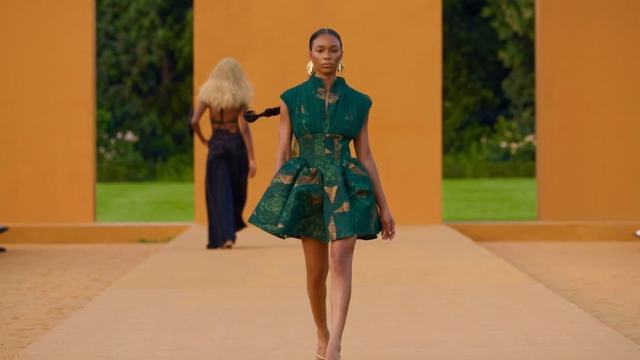
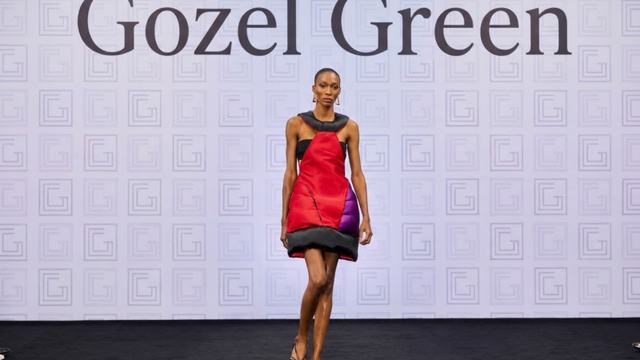
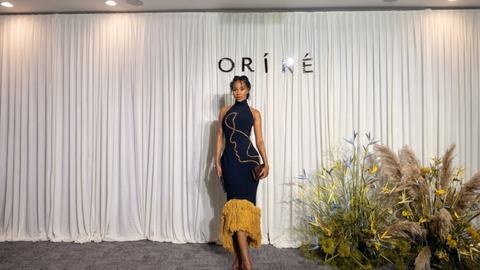
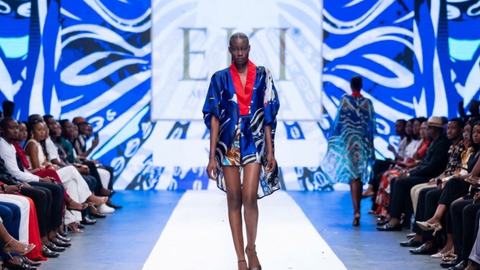
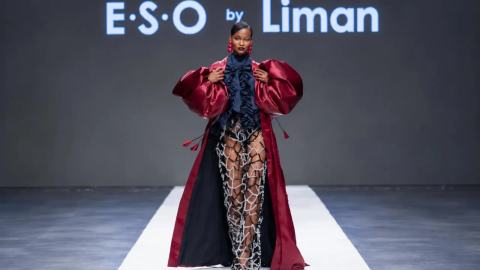
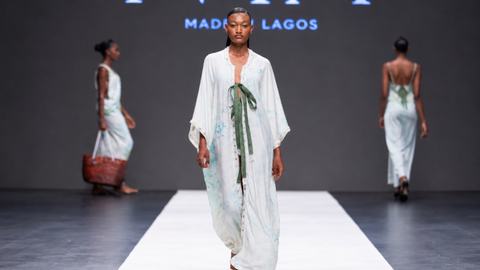
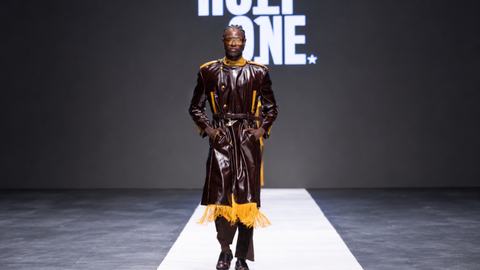
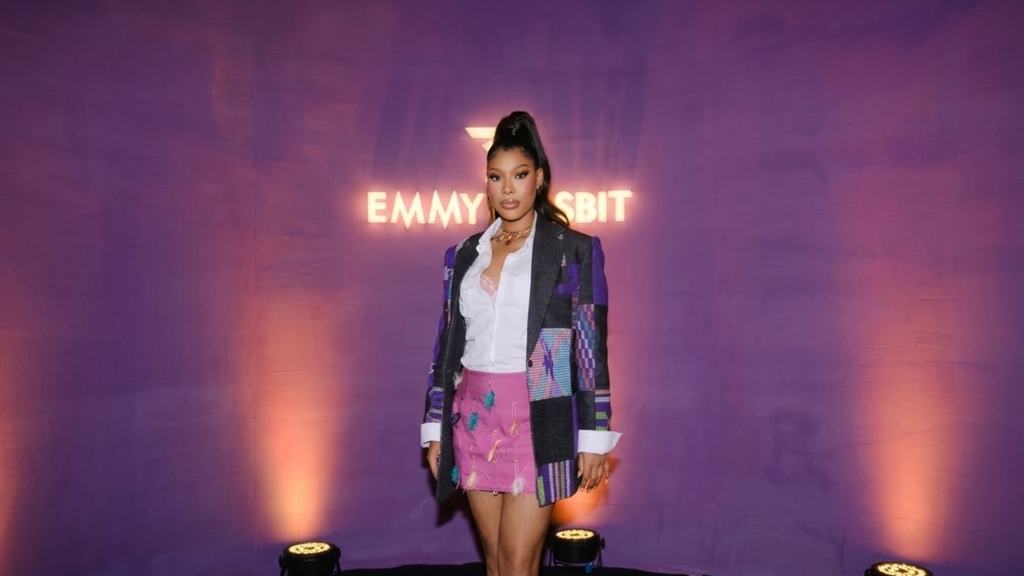
Emmy Kasbit fashion demonstrates how traditional Nigerian textiles can find new expression in contemporary clothing. Founded by designer Emmanuel Okoro in January 2014, the Lagos-based label has developed a recognisable identity through architectural cuts, considered tailoring, vibrant colours and its engagement with local artisans.
The brand’s Sunday, 1 November, 7 PM slot at Lagos Fashion Week 2026 places its work within a wider programme celebrating African creativity, craftsmanship and innovation. Its approach is particularly relevant to conversations about the future of Nigerian fashion, where designers are increasingly exploring how indigenous materials and traditional knowledge can remain relevant to modern wardrobes.
READ: Dust of the Earth at Lagos Fashion Week 2026
Rather than treating heritage as something that belongs exclusively to the past, Emmy Kasbit approaches it as a source of continuing creative possibility. Traditional fabrics can be reinterpreted through new proportions, unexpected combinations and silhouettes designed for contemporary life.
This philosophy has helped the label establish a presence in Nigeria’s fashion industry while attracting attention from audiences interested in African design. Its collections demonstrate that cultural references can be incorporated into clothing that feels current without losing the stories associated with the materials.
For Lagos Fashion Week, the brand’s participation adds another perspective to a programme featuring designers with different approaches to textiles, construction and cultural identity.
The Story Behind Designer Emmanuel Okoro
Emmanuel Okoro established Emmy Kasbit after developing a strong interest in clothing, personal style and the possibilities of transforming familiar garments into something distinctive. His journey reflects a path into fashion shaped by practical experience, observation and a determination to build a creative business.
Okoro studied computer science in Calabar before developing his technical fashion skills through work and experience within the industry. He gained exposure to pattern-making, cutting, garment production and the practical processes involved in turning design ideas into finished clothing.
That experience helped him approach fashion as both a creative discipline and a technical craft. An original concept must be translated into patterns, fabric choices, construction techniques and a finished garment that works on the body. Understanding these processes is particularly important for a label whose identity depends on tailoring and the careful treatment of textiles.
In 2014, Okoro established Emmy Kasbit with an interest in clothing for unconventional men and women who see their outfits as deliberate expressions of personal style. The brand initially became associated with menswear before developing a broader offering that includes womenswear and bespoke pieces.
Its aesthetic draws on architecture, sartorial dressing and traditional craftsmanship. These influences can be seen in the relationship between structured silhouettes and indigenous textiles, creating a design language that connects established tailoring traditions with contemporary African fashion.
Okoro’s development also illustrates the importance of persistence in an industry where creative ability must be supported by production knowledge, business planning and the capacity to build a distinctive identity over time.
Akwete Fabric and the Importance of Cultural Memory
One of the most important elements of Emmy Kasbit fashion is its use of Akwete, a handwoven textile associated with Akwete in Abia State, southeastern Nigeria. The fabric carries a history of weaving knowledge, distinctive patterns and skilled craftsmanship passed between generations.
Akwete is not simply a decorative material. Its production involves specialist knowledge and labour, making the people and communities responsible for weaving an essential part of its story.
For designers, working with such textiles creates opportunities as well as responsibilities. Traditional materials must be understood in their cultural context, while their use in modern collections requires decisions about construction, proportion, durability and how the finished garments will be worn.
Emmy Kasbit has built an important part of its identity around this relationship. Instead of limiting Akwete to ceremonial clothing or treating it as an isolated feature, the brand incorporates the textile into contemporary tailoring and ready-to-wear designs.
The resulting garments can combine the texture and visual character of handwoven fabric with the familiar structures of shirts, jackets, trousers, dresses and coordinated outfits. This approach allows traditional craftsmanship to participate in modern fashion conversations.
It also draws attention to the artisans behind the material. When designers work with indigenous textiles, their collections can help audiences recognise that the value of a garment extends beyond its appearance. It includes the knowledge, time and human skill involved in producing the fabric.
However, sustaining these traditions requires more than visibility. Artisans need meaningful opportunities to earn from their skills, and fashion businesses must consider how sourcing, production schedules and commercial decisions affect the people involved.
Emmy Kasbit’s engagement with local craftsmanship places these questions within the wider conversation about responsible fashion and the preservation of Nigerian textile heritage.
From Traditional Textiles to Modern Tailoring
The strength of Emmy Kasbit lies partly in its ability to create a dialogue between fabric and form. A traditional textile can have a strong visual identity of its own, but the way it is cut and assembled determines how it functions in a contemporary garment.
The label’s design approach incorporates architectural lines and sartorial structures, giving many pieces a clear sense of shape. Jackets and trousers can draw on classic tailoring, while the introduction of indigenous textiles changes the texture, visual rhythm and cultural associations of the finished outfit.
Colour also plays a role in the brand’s identity. Bold shades and contrasting textures can bring energy to otherwise familiar silhouettes, while more restrained combinations allow the character of the material to take centre stage.
This balance makes the clothing relevant to people who want garments that feel distinctive without being disconnected from practical dressing. Tailored pieces can be styled for professional settings, social events and occasions where individual expression matters.
The brand’s womenswear extends the same design philosophy into additional silhouettes and styling possibilities. Rather than separating the collections entirely, the broader offering creates opportunities to explore how traditional textiles and modern tailoring can work across different forms of clothing.
Bespoke design adds another dimension, allowing garments to be developed around individual requirements. In a market where fit and personal style can be as important as visual impact, this service complements the label’s ready-to-wear identity.
Emmy Kasbit fashion and the Meaning of Sustainable Fashion
Emmy Kasbit describes itself as a sustainable brand and atelier focused on telling fashion stories through multicultural references and significant historical moments. Its stated mission includes preserving culture, addressing poverty and promoting liberty through its fashion processes.
This positioning places the label within a growing discussion about what sustainability means for African fashion businesses. The conversation extends beyond the environmental impact of materials to include the economic and cultural systems that support garment production.
The preservation of textile skills is one part of that picture. When designers create demand for indigenous fabrics, they can help sustain interest in weaving traditions and create commercial opportunities for the people who maintain them.
The relationship must be supported by responsible business practices, including fair treatment of artisans, thoughtful sourcing and realistic production arrangements. Cultural heritage cannot be preserved through publicity alone; the people who hold the relevant knowledge must also be able to benefit from its continued use.
There is also a creative dimension to sustainability. Designers who understand the histories of their materials can develop collections that are less dependent on constantly replacing one trend with another. A garment with a clear design story and a strong construction can offer lasting value to the person who owns it.
For Emmy Kasbit, the combination of traditional textiles and contemporary tailoring creates a foundation for exploring these questions. It also places the label’s work within a broader African fashion movement that seeks to connect creative innovation with local knowledge and production.
A Decade of Development and Recognition
Since its launch in 2014, Emmy Kasbit has developed through successive collections and appearances at Lagos Fashion Week. The platform has offered opportunities to present the label’s work to fashion audiences while allowing its design language to evolve.
The brand received further recognition through the Lagos Fashion Week Fashion Focus initiative, which supports promising designers through professional development and business guidance. Such programmes are important in an industry where creative talent needs commercial structures to grow sustainably.
READ: DWL at Lagos Fashion Week 2026: Heritage Redefined
For independent labels, building a business involves more than producing a compelling collection. Designers must consider the cost of materials, access to skilled production, consistency in quality, customer expectations and the ability to deliver orders on time.
A clear creative identity can help a label stand out, but the long-term task is to turn that identity into a business capable of continuing beyond individual shows. This involves developing reliable relationships with suppliers and artisans, reaching suitable customers and making decisions that support future collections.
Emmy Kasbit’s continued presence within the Nigerian fashion conversation reflects the value of maintaining a recognisable point of view while allowing the work to change.
Why Emmy Kasbit Matters at Lagos Fashion Week 2026
Lagos Fashion Week 2026 brings together designers whose work explores the many directions contemporary African fashion can take. Some focus on reworked materials and circular design, while others investigate cultural memory, craftsmanship, new silhouettes and the relationship between local production and international markets.
Emmy Kasbit contributes to this conversation through its continued engagement with traditional Nigerian textiles and modern tailoring. Its work raises a question that remains important for the industry: how can designers create clothing that reflects cultural heritage while meeting the expectations of contemporary customers?
The answer does not require designers to reproduce historical clothing exactly as it once existed. Instead, heritage can inform new ideas, with traditional materials and techniques used in ways that reflect the realities of present-day life.
This approach gives younger audiences opportunities to encounter indigenous textiles outside the contexts with which they may already be familiar. It also creates a reason to value the artisans and communities whose skills make the garments possible.
At the same time, the commercial success of such designs can help strengthen the case for investing in local craftsmanship. When indigenous materials become part of contemporary fashion, they can reach new customers and participate in markets that might otherwise overlook them.
As Emmy Kasbit takes its place in the Sunday programme at 7 PM, its contribution is about more than the visual impact of a collection. It is also about the people, skills and cultural knowledge that give the clothing meaning.
Through Emmanuel Okoro’s design direction, the label continues to explore how Nigerian heritage can be worn, reinterpreted and carried into the future. Its work offers a reminder that innovation does not always require abandoning tradition. Sometimes, it begins by looking more closely at what already exists and finding new ways to bring it to life.
The writer of this article does not claim to know the individuals named personally. The information about their backgrounds, as published on Global News Arena, is based on independent online research.
Are you interested in learning how to write professionally and earn money as a writer and content creator? Contact Auxi Chat today to start your writing journey immediately.
Need a professional website in 72 hours? Contact Auxi Chat
If you have an article, opinion piece, event or news story you would like published, Global News Arena would love to hear from you.