Fiu Negru Lagos Fashion Week: The Art of Dramatic Detail
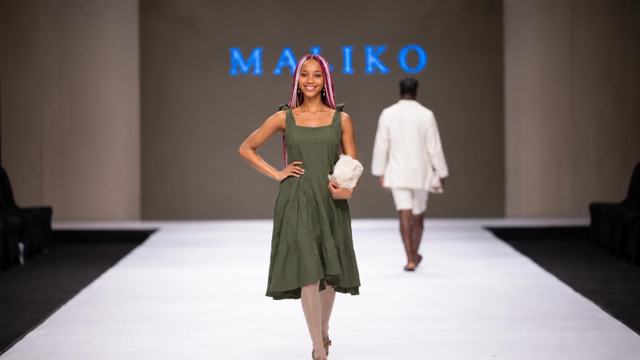
READ: Maliko at Lagos Fashion Week 2026: Artisanal Footwear
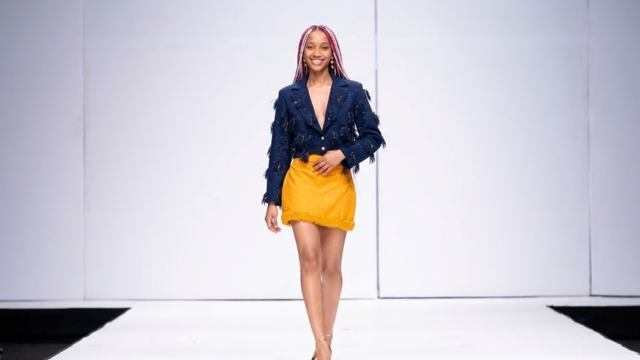
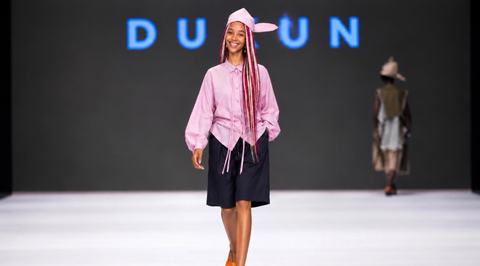
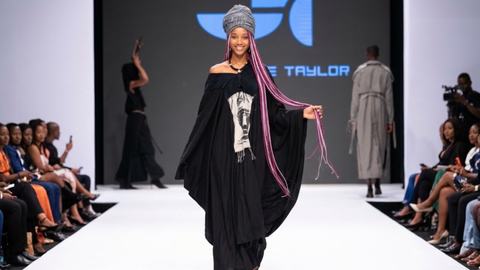
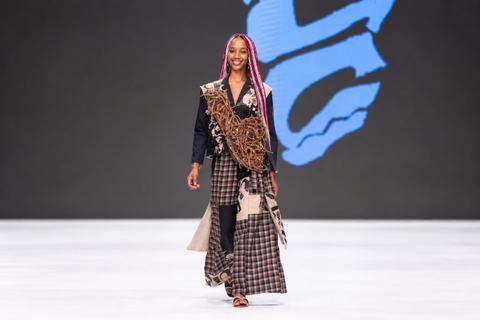
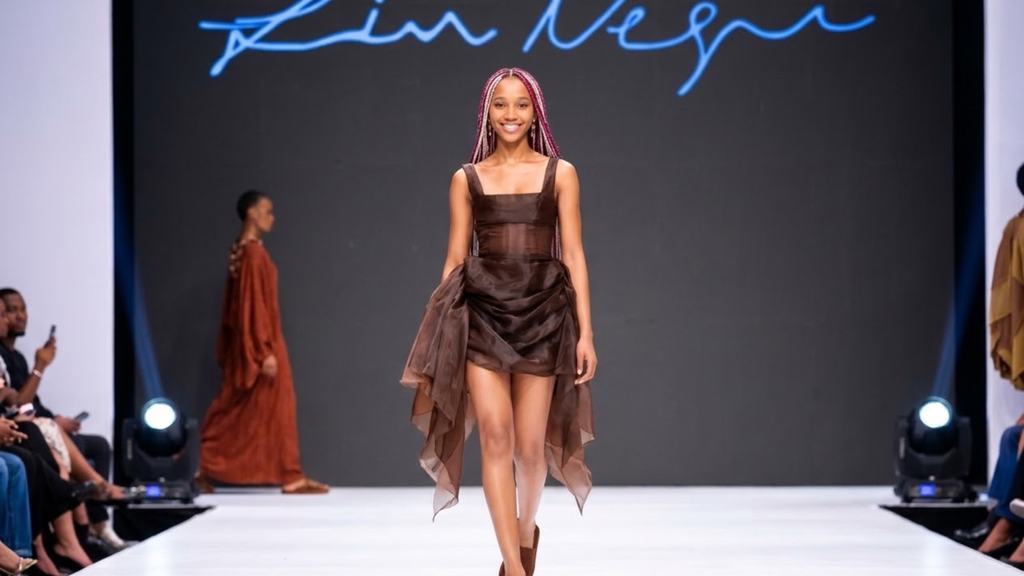
Fiu Negru Lagos Fashion Week marked an important moment for the Angolan fashion label, which made its debut at the 2026 event with Mafalda, a collection that explored transparency, embellishment and volume. The presentation featured sheer organza, beaded coral tops and dramatic hemlines, bringing a distinctive visual language to the Friday runway programme.
The collection relied on contrast. Delicate, transparent fabrics created lightness, while embellishments and fuller silhouettes introduced structure and visual weight. This combination allowed the garments to balance softness with drama, demonstrating how different material qualities can work together within a single design direction.
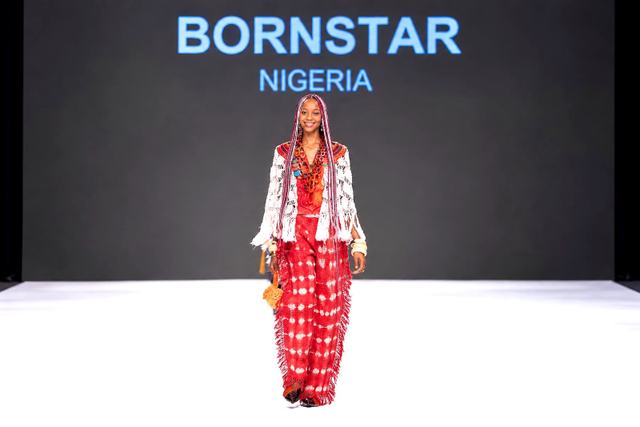
READ: Bornstar Nigeria Lagos Fashion Week: Movement in Design
According to coverage of the show, the collection used neutral tones with touches of fiery red. That restrained foundation allowed selected details to stand out, while the fuller hemlines gave some looks a more pronounced outline.
For me, the interest lies in the way the collection appears to use fabric and proportion as its principal tools. A garment does not always need an elaborate print or a large number of decorative elements to make an impression. The relationship between a transparent surface, a carefully placed embellishment and a dramatic shape can be enough to establish a recognisable mood.
The presentation also expanded the geographical range of fashion represented at Lagos Fashion Week. Fiu Negru brought an Angolan perspective to a programme that included designers exploring Nigerian, Ghanaian, Ugandan, Moroccan and other cultural references.
The Story Behind Fiu Negru and Mafalda
Fiu Negru is an Angolan fashion label led by designer Mariangela. Its Lagos Fashion Week debut introduced the brand to audiences in Nigeria and formed part of its wider engagement with the African fashion scene.
The collection presented at the event was titled Mafalda. In coverage published after the show, Mariangela described the occasion as a meaningful experience shaped by creativity, dedication and the realisation of a dream through fashion. She also expressed appreciation for the people who helped bring the presentation to life.
That response places the runway appearance within a broader creative journey. Fashion shows are public events, but they also represent considerable work behind the scenes: developing concepts, selecting materials, producing garments, arranging fittings and preparing a collection for presentation.
The available reporting confirms the designer’s name and the collection’s title, but it does not provide a sufficiently detailed, independently verified account of Mariangela’s early life, education or the complete founding history of Fiu Negru. Rather than invent those details, this feature focuses on the documented collection and the design decisions visible in the published coverage.
The name Mafalda gives the collection a distinct identity, while the garments themselves communicate through material and form. Sheer organza, coral-inspired beading and fuller hemlines provide a visual vocabulary that can be examined without assuming an explanation the designer has not publicly confirmed.
For emerging labels, a first appearance at a major fashion event can create an opportunity to introduce that vocabulary to a new audience. It can also begin conversations with retailers, media organisations, stylists and potential customers. The long-term value depends on what follows the presentation, including how the brand develops its collections and builds relationships beyond the runway.
Fiu Negru Lagos Fashion Week and the Power of Organza
Organza is a lightweight, sheer fabric often used when a designer wants to create transparency, volume or a sense of airiness. Its crispness can help support a shape, while its transparency allows layers beneath the fabric to remain partly visible.
Those characteristics make organza useful for garments that need to feel light without disappearing visually. A designer can use it in sleeves, overlays, skirts or full silhouettes, depending on the desired effect.
In Mafalda, the reported use of sheer organza contributed to the collection’s contrast between delicate material and more dramatic forms. Transparency can soften a garment’s appearance, while a voluminous hemline changes the outline of the body and gives the look greater presence.
Working with organza requires careful construction. Because the fabric is lightweight and transparent, seams and finishing may be more visible than they would be on a heavier material. The designer must consider how edges are finished, how layers are secured and how the fabric behaves when the wearer moves.
The material can also react differently under different lighting conditions. On a runway, light may pass through the fabric or reflect from its surface, making the garment appear more dimensional. In everyday settings, the same piece may look more restrained.
Customers considering organza garments should pay attention to lining, transparency, fit and care instructions. A design that looks effortless on a runway may require specific underlayers or careful handling when worn outside a fashion presentation.
The strength of organza lies in the opportunities it offers for balancing delicacy and structure. Used thoughtfully, it can create a garment that appears light while maintaining a deliberate shape.
Beaded Coral Tops and the Importance of Embellishment
Beaded coral tops were among the distinctive features identified in coverage of Mafalda. Embellishment can change the way a garment is perceived by adding texture, reflecting light and directing attention to a particular area of the body.
The term coral can refer to a colour or to coral-inspired forms and ornamentation, so the exact materials used in a garment should be confirmed through the designer’s own product information before any specific material claim is made. What the published descriptions establish is the visual presence of beaded coral tops within the collection.
Beading can require considerable precision. The size and placement of each element influence the overall pattern, while the method of attachment affects durability. Embellishments also add weight, which may alter how a garment sits or moves.
When beads are placed on a lightweight fabric, the designer must consider how the material will support them. Reinforcement may be needed to prevent stretching or damage, particularly around areas that experience movement.
The relationship between embellishment and silhouette is equally important. A decorated top may become the focal point of an outfit, while a simpler skirt or trouser allows the detail to remain prominent. Alternatively, a designer may combine embellishment with a dramatic shape to create a more theatrical effect.
I believe the most effective embellishment is purposeful. It should contribute to the garment’s identity rather than simply fill an empty surface. In a collection like Mafalda, the reported combination of transparent fabric, beading and volume creates several points of visual interest without relying on one technique alone.
Voluminous Hemlines and the Drama of Silhouette
A hemline can determine much of a garment’s overall character. A narrow finish may create a clean, streamlined outline, while a fuller hem can introduce movement, volume and a more dramatic shape.
Voluminous hemlines are particularly effective when a designer wants a garment to change as the wearer walks. The fabric may expand, fold or swing, allowing the silhouette to appear different from one moment to the next.
The effect depends on construction. Gathering, pleating, layering and the choice of fabric can all influence how much volume a garment holds. A stiff material may preserve a defined shape, while a softer fabric may create a more fluid result.
Volume also affects proportion. A fuller hemline can be balanced by a more fitted upper section, or it can be combined with another dramatic feature for a stronger statement. The designer’s task is to ensure that the elements work together.
In Mafalda, the combination of sheer organza and voluminous hemlines offered an opportunity to explore how lightness and scale can coexist. The fabric can soften the outline even as the shape creates a more noticeable presence.
Such garments can have particular appeal for formal occasions, editorial styling and special events. Their suitability for everyday wear depends on the construction, comfort and practical needs of the customer.
Neutral Tones and the Impact of Fiery Red
The reported colour palette included neutral shades with touches of fiery red. This approach creates contrast without requiring every garment to be equally vivid.
Neutral colours can allow texture and construction to become more noticeable. On a sheer fabric, they can highlight layering and shape; on an embellished top, they can make the decorative details more prominent.
Red introduces a different visual energy. Depending on its intensity and placement, it can create a focal point or interrupt an otherwise restrained palette. A small amount may be enough to change the mood of an entire look.
Colour choices also influence how a collection is remembered. A repeated shade can connect separate garments, while a contrasting accent can make a particular look stand out. The palette therefore functions as part of the collection’s overall structure.
For customers, neutral garments may offer flexibility when styling an outfit, while a bold red detail can provide a more expressive finish. Neither approach is inherently superior. The choice depends on personal taste, occasion and the effect the wearer wants to achieve.
Fiu Negru’s reported combination of neutrals and red gave Mafalda a balance between restraint and drama, complementing the collection’s use of transparent fabrics and embellished tops.
Angolan Fashion on an International Runway
Fiu Negru’s appearance at Lagos Fashion Week placed an Angolan label within a broader regional fashion conversation. African fashion is often discussed through the work of designers in individual countries, but fashion events can reveal how varied the continent’s creative practices are.
Designers work with different textile traditions, customer expectations, production systems and cultural references. Some build collections around tailoring, while others focus on craft, knitwear, conceptual forms or occasionwear. These differences help create a richer picture of contemporary African design.
For a brand making its debut at a major event, visibility can be an important first step. A runway presentation gives journalists and industry audiences an opportunity to encounter the label’s work, while providing the brand with material for future communications and business development.
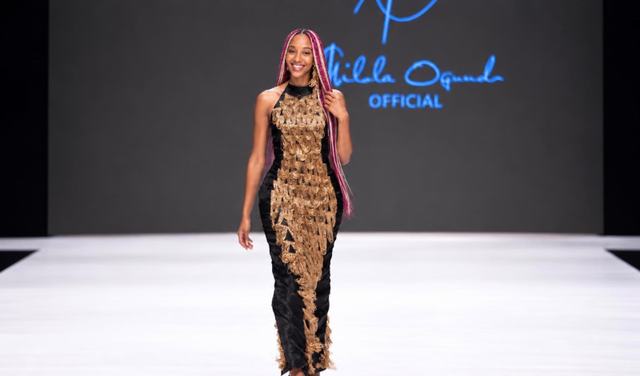
READ: Ibilola Ogundipe Lagos Fashion Week: Colour and Craft
However, visibility is only one part of building a sustainable fashion business. Designers must also consider how garments will be produced, priced, distributed and maintained. Customers and retail partners need clear information about sizing, materials, delivery and availability.
A debut can begin those conversations, but the longer-term outcome depends on the brand’s ability to turn interest into relationships and repeat demand.
What Customers Can Take From the Mafalda Collection
The collection offers several useful reminders for anyone interested in dramatic fashion. First, the material matters. Sheer organza can create a light appearance, but customers should understand its transparency, lining requirements and care needs before buying a garment.
Second, embellishment should be considered alongside durability. Beading can give a piece character, but its attachment and the fabric supporting it determine how well it may withstand regular wear.
Third, silhouette affects practicality. A voluminous hemline may create a striking effect, but customers should consider how the garment behaves when walking, sitting or moving through crowded spaces.
These considerations do not reduce the creative value of statement clothing. Instead, they help customers understand what they are purchasing and how best to care for it.
For designers, explaining these details can build confidence and help customers make informed decisions. Product descriptions that identify fabric composition, lining, care instructions and fit are particularly valuable for garments that use delicate materials or extensive embellishment.
Looking Ahead for Fiu Negru
Fiu Negru’s Mafalda presentation brought together sheer organza, beaded coral tops, neutral tones, red accents and voluminous hemlines. The collection’s visual language depended on contrast, using delicate materials alongside details that gave the garments stronger shape and presence.
Its Lagos Fashion Week debut also created an opportunity for audiences to discover an Angolan label within an international programme. The significance of that appearance will depend on how the brand develops its creative direction and builds on the attention generated by the show.
I believe the collection’s most interesting feature is the relationship between material and silhouette. Rather than depending on one technique, it used transparency, embellishment and volume to create a varied presentation. Those choices demonstrated how careful construction can influence the character of a garment.
As Fiu Negru continues its fashion journey, the next questions will concern how the brand develops its designs, communicates its identity and makes its work accessible to new audiences.
For now, Mafalda stands as a documented milestone in the label’s public story: a debut at Lagos Fashion Week that introduced its approach to expressive fabric, dramatic proportions and contemporary Angolan fashion.
The writer of this article does not claim to know the individuals named personally. The information about their backgrounds, as published on Global News Arena, is based on independent online research.
Are you interested in learning how to write professionally and earn money as a writer and content creator? Contact Auxi Chat today to start your writing journey immediately.
Need a professional website in 72 hours? Contact Auxi Chat
If you have an article, opinion piece, event or news story you would like published, Global News Arena would love to hear from you.