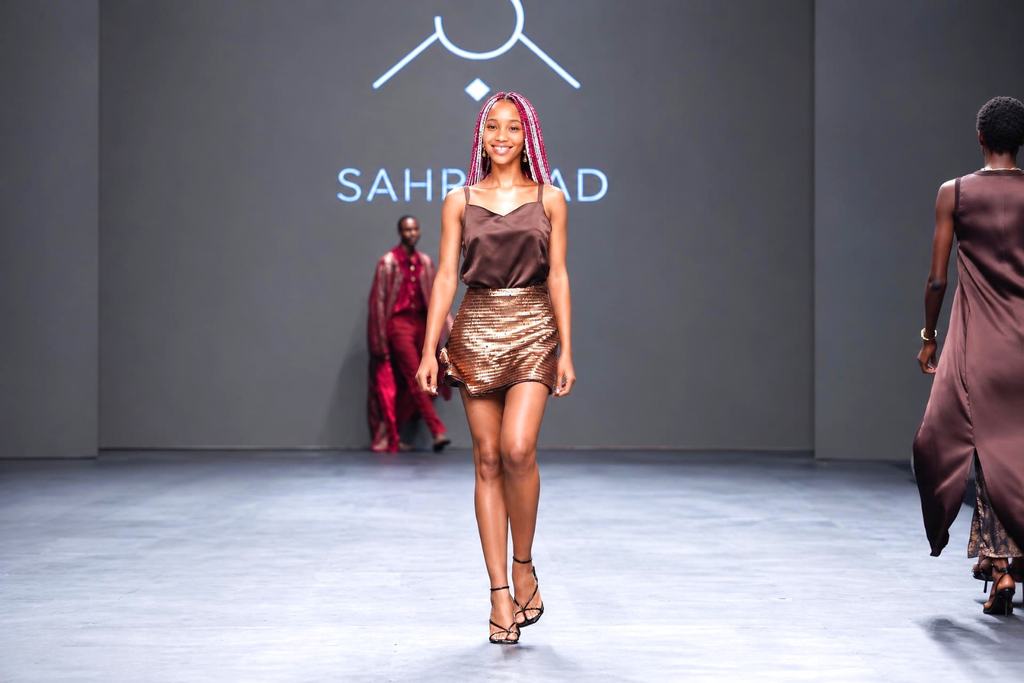
Sahrazad Lagos Fashion Week: The Journey Within
READ: Maliko at Lagos Fashion Week 2026: Artisanal Footwear
Sahrazad Lagos Fashion Week brought a personal and culturally informed perspective to the 2026 runway, with the Moroccan label presenting Inner Child, a Spring/Summer 2027 collection centred on self-discovery, healing and creative freedom.
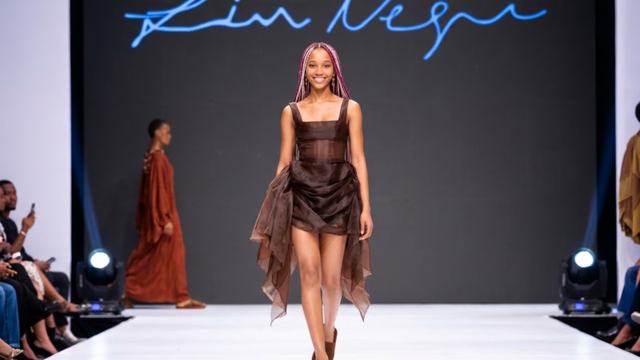
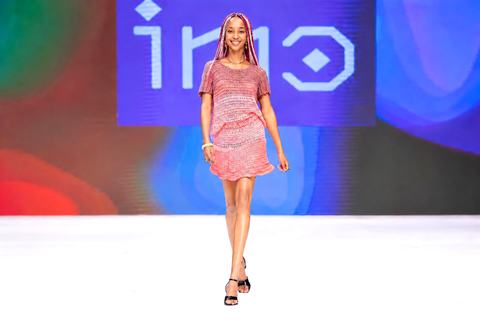
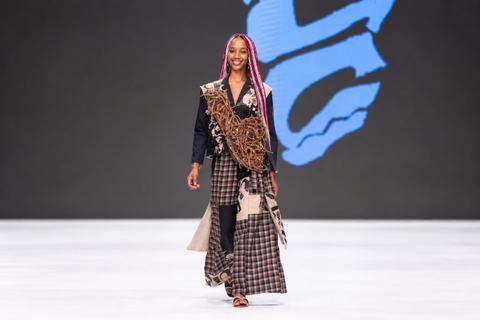
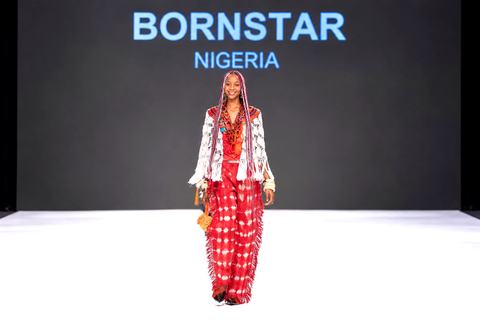
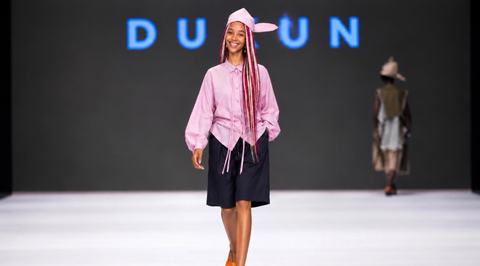
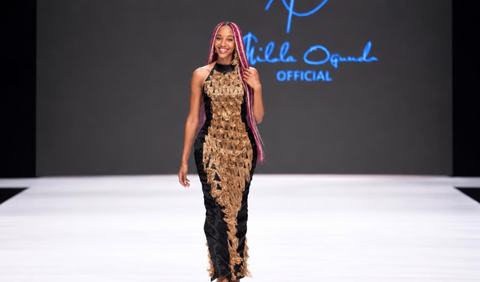
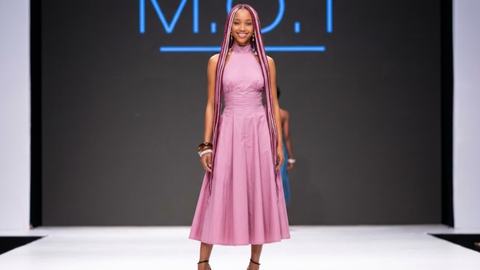
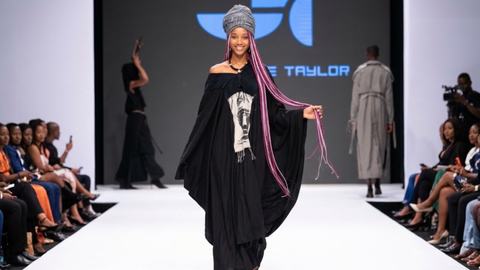
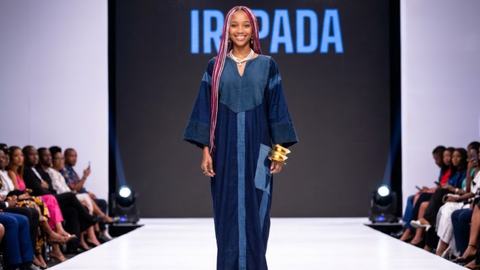
The collection was presented during the Friday programme and combined Moroccan-inspired weaving patterns and prints with a varied colour palette that included red, white, maroon, black and brown. The silhouettes ranged from relaxed clothing and bralettes to looks incorporating ropes as jewellery and other decorative details.
READ: Abiola Olusola fashion Brings Modern Femininity and Yoruba Heritage Together Through Fashion
Rather than relying on one silhouette or colour to define the presentation, the collection explored several ways of expressing its central theme. The result, as described in coverage of the show, brought together relaxed dressing, cultural references and more expressive styling.
For me, the title Inner Child provides a useful starting point for understanding the collection. Fashion can communicate personal experience without using words, through the choice of colour, the shape of a garment or the contrast between structured and fluid forms. A collection built around self-discovery can therefore use clothing to explore the relationship between who a person has been, who they are becoming and how they choose to present themselves.
The cultural references also matter. Sahrazad’s Moroccan identity brought a different perspective to a Lagos runway that featured designers from across Africa and beyond. The presentation demonstrated how a fashion week can create a meeting point for different creative backgrounds without requiring them to share one aesthetic.
Who Is Scheherazade Essrhir?
Sahrazad is the fashion label of Moroccan designer Scheherazade Essrhir. The designer’s work draws on Moroccan cultural references while exploring contemporary clothing and personal storytelling.
The label appeared on the Lagos Fashion Week calendar in 2025 with the collection Reborn and returned in 2026 with Inner Child. The two titles suggest a continuing interest in personal development and transformation, although the exact relationship between the collections is best understood through the designer’s own explanations and the garments presented.
The 2026 collection was described as reflecting Essrhir’s journey towards self-discovery, healing and creative freedom. This gives the presentation a personal point of departure rather than positioning it solely around seasonal trends.
Personal storytelling can be an important part of a designer’s identity. It offers a way to connect garments to memories, experiences and ideas that may not be immediately visible in their construction. The story can also shape the selection of materials, the palette and the mood of a collection.
For Sahrazad, Moroccan cultural influences provide an additional dimension. Patterns, textile references and styling choices can create a connection between the designer’s background and the contemporary forms used in the collection.
Sahrazad Lagos Fashion Week and the Meaning of Inner Child
The title Inner Child suggests a return to the part of the self associated with early experiences, imagination and personal identity. In the context of fashion, such a theme can be explored through colour, proportion, material and styling rather than through literal storytelling.
A designer may use playful details, unexpected combinations or silhouettes that move away from conventional expectations. These choices can create a collection that feels less restricted by formal rules, allowing clothing to become a way of exploring individuality.
The title alone does not establish the meaning of every garment, but it offers a lens through which the collection’s visual decisions can be considered. Sahrazad’s reported use of bold colours, Moroccan-inspired patterns and varied silhouettes provided several ways to interpret the theme.
The collection’s mixture of relaxed garments and more expressive details also creates room for contrast. A bralette or relaxed outfit may suggest ease, while a more elaborate textile or decorative feature can introduce a stronger visual statement. Together, these choices can give a collection a sense of movement between simplicity and expression.
I believe personal themes are most effective in fashion when they shape the design rather than exist only in a title. The clothing does not need to illustrate a story literally. Instead, the collection can communicate its ideas through recurring colours, shapes, textures and styling decisions.
The longer-term significance of Inner Child will depend on how the designer develops these ideas in future work, but its presentation provided a clear narrative framework for the 2026 runway appearance.
Moroccan Craftsmanship and Cultural Reference
Moroccan craftsmanship encompasses a wide range of practices, including weaving, embroidery, leatherwork, metalwork and the production of decorative textiles. These traditions differ across regions and communities, and they cannot be reduced to one single visual style.
Sahrazad’s collection included Moroccan weaving patterns and prints, according to coverage of the runway. Such references can connect contemporary clothing with textile traditions while allowing the designer to explore new proportions and combinations.
The relationship between heritage and contemporary fashion is not always straightforward. A designer must decide which references to use, how they relate to the garment and what information the audience needs to understand their origins. Cultural influence becomes more meaningful when it is grounded in knowledge rather than used only as a visual shorthand.
Textile patterns can also change character when applied to different garment shapes. A design that appears traditional in one context may look entirely different when used on a relaxed outfit, a fitted piece or a contemporary outer layer. Scale, placement and colour all influence the result.
For a designer working across cultural contexts, this creates opportunities to introduce audiences to unfamiliar techniques and references. It also requires care in describing those references accurately, particularly when a garment draws on a tradition associated with a specific community.
The presence of Moroccan influences at Lagos Fashion Week added another perspective to the programme. It showed how African fashion platforms can create space for cross-cultural dialogue while allowing individual designers to maintain their distinct identities.
Colour as a Language of Self-Expression
The Inner Child collection featured red, white, maroon, black and brown, creating a palette that moved between bold shades and more restrained tones.
Red can bring visual intensity, while white can create contrast and give patterns room to stand out. Maroon introduces depth, and black and brown can provide grounding tones that balance brighter colours. These effects depend on the material, lighting and way each shade is combined with the rest of the look.
Colour is especially useful in a collection built around personal expression because it can change the mood of a garment without altering its basic construction. The same silhouette can feel dramatic in a saturated shade and more understated in a neutral one.
A coherent palette also helps connect different pieces. Designers do not need to use the same colours in every look. Instead, they can create a rhythm by repeating selected shades, introducing contrasts and varying the proportions of each colour.
For customers, colour offers a way to make clothing personal. Some people are drawn to strong shades, while others prefer muted combinations. The choice can depend on occasion, cultural context, comfort and individual preference.
The palette reported in Sahrazad’s presentation allowed the collection to move across different visual moods while retaining its Moroccan-inspired identity. The result offered a range of ways to explore the relationship between colour, pattern and contemporary styling.
Fluid Silhouettes and Relaxed Dressing
The collection included relaxed silhouettes alongside bralettes and other expressive pieces. This variety suggests an approach that did not depend on one fixed form of dressing.
Fluid silhouettes are shaped by the way fabric falls and moves around the body. They can create a softer outline than sharply tailored garments, although the final effect depends on the material, cut and construction.
Relaxed dressing can also provide practical flexibility. Depending on the design, looser garments may be layered, worn across different settings or styled in several ways. However, a relaxed shape does not automatically guarantee comfort. Fabric weight, fit, ventilation and the placement of seams still matter.
The contrast between relaxed pieces and more structured or decorative garments can make a collection visually engaging. A simple silhouette can provide a pause between more elaborate looks, while a stronger piece can become the focal point of a runway sequence.
This variety is useful when a collection explores personal identity. People do not express themselves through one uniform style, and a collection can reflect that complexity through differences in proportion, colour and finish.
For Sahrazad, the reported combination of fluid shapes and Moroccan-inspired details created an opportunity to bring cultural reference into contemporary dressing without relying on a single silhouette.
Decorative Details and the Role of Styling
Coverage of Inner Child noted the use of ropes as jewellery and other decorative elements. Such details can alter how an outfit is perceived, creating contrast or drawing attention to a particular part of the look.
READ: Imad Eduso Into the Wild at Lagos Fashion week 2026
Accessories are not merely additions to clothing. Their scale, placement and material can influence the balance of an outfit. A rope detail, for example, may create a strong linear element against a softer fabric, while jewellery can introduce another surface or point of contrast.
The effectiveness of such styling depends on how it relates to the garment. Too many competing details can make an outfit difficult to read, while a well-placed accessory can strengthen the overall idea.
Runway styling also differs from everyday styling. A designer may use an accessory in an exaggerated way to communicate a concept, while a customer may adapt the idea to suit a personal wardrobe. The runway image provides inspiration, but it does not dictate how every piece must be worn.
For a collection centred on self-discovery, styling can become another means of expression. It allows the designer to combine familiar forms in unexpected ways and encourage audiences to think about how clothing can reflect individuality.
Cultural Exchange Through the Lagos Fashion Week Platform
Lagos Fashion Week brings together designers, industry professionals, media and audiences interested in contemporary African fashion. The programme offers a setting where different approaches to craft, tailoring, heritage and commercial design can be seen alongside one another.
Sahrazad’s Moroccan perspective contributed to that variety. The presentation showed how a designer can draw on one cultural context while presenting work in another, creating an opportunity for audiences to encounter different materials and design references.
Such exchange is valuable, but it works best when the distinctions between cultures remain visible. African fashion is not one uniform tradition. Designers from Morocco, Nigeria, Uganda and other countries work with different histories, materials, customers and creative priorities.
The runway can encourage dialogue by placing these approaches within a shared programme, but it is still important to understand each collection on its own terms. A Moroccan-inspired print, a Ugandan barkcloth reference and a Nigerian occasionwear silhouette may all be part of the same event without representing the same cultural story.
What Sahrazad’s Collection Offers the Fashion Conversation
Sahrazad’s Inner Child presented a personal narrative through colour, pattern and silhouette. The collection’s Moroccan references gave it cultural context, while its relaxed garments and decorative details allowed the designer to explore contemporary forms of expression.
I believe the most interesting element is the relationship between personal storytelling and material choices. A theme such as self-discovery becomes more tangible when it influences the garments themselves, creating connections between the designer’s ideas and the audience’s experience of the collection.
The presentation also illustrates the importance of cultural specificity. Moroccan fashion contains a wide range of traditions and contemporary interpretations, and a collection can draw on selected references without claiming to represent an entire culture.
The next stage of the label’s development will depend on how its design language evolves and how its ideas reach customers beyond the runway. Its appearance at Lagos Fashion Week nevertheless created an opportunity for audiences to consider how personal narratives can inform contemporary clothing.
Ultimately, Sahrazad Lagos Fashion Week added a perspective shaped by identity, cultural reference and creative freedom. Inner Child invited viewers to look beyond individual garments and consider the ideas that connect them, demonstrating how fashion can become a space for exploring both personal experience and cultural heritage.
The writer of this article does not claim to know the individuals named personally. The information about their backgrounds, as published on Global News Arena, is based on independent online research.
Are you interested in learning how to write professionally and earning money as a writer and content creator? Contact Auxi Chat today to start your writing journey immediately.
If you have an article, opinion piece, event or news story you would like published, Global News Arena would love to hear from you.