Mai Atafo fashion and the Evolution of Nigerian Luxury
READ: Sisiano Fashion: Paolo Sisiano’s Creative Journey and the Art of Movement in Nigerian Design
There is something revealing about a well-tailored garment. The fit may appear effortless, but behind it lies a series of decisions about proportion, construction, material and the person who will eventually wear it. In Nigerian fashion, few creative businesses have made precision and bespoke dressing such recognisable parts of their identity as Mai Atafo.
Known professionally as Mai Atafo, the designer has built a career around tailoring, occasionwear and bridal fashion. His brand, ATAFO, is associated with refined cuts, careful finishing and a commitment to craftsmanship. The business has developed beyond a narrow focus on menswear, encompassing womenswear, bridal collections and ready-to-wear designs.
READ: IAMISIGO fashion Reimagines African Heritage Through Wearable Art
His journey is an example of how a fashion business can develop around technical excellence and an understanding of customers who want garments made with particular attention to fit and detail.
Luxury in this context is not merely about price or the prestige associated with a label. It also involves the experience of wearing something that has been designed and constructed with care. A jacket must sit correctly, a wedding dress must work for the person wearing it, and the final product must meet expectations that often carry emotional as well as financial significance.
The Person Behind the ATAFO Label
Mai Atafo’s professional identity has become closely associated with bespoke tailoring and formalwear. His career reflects a combination of creative direction, technical interest and entrepreneurship, allowing the brand to serve customers seeking distinctive garments for important personal and public occasions.
The label was launched in 2011 and has become associated with menswear, womenswear and bridal design. Its development demonstrates the value of understanding a particular market while remaining open to new opportunities.
Bespoke fashion requires a close relationship between the designer and the customer. Measurements, personal preferences, the intended occasion and the way the garment should fit all influence the design process. This makes the service more involved than purchasing an item directly from a rack.
Bridal fashion introduces another layer of responsibility. Wedding garments often carry considerable emotional importance, and customers may expect a high degree of personalisation. Designers must manage fittings, materials, deadlines and construction carefully to deliver a result that meets those expectations.
ATAFO’s emphasis on fit and finishing has helped establish its identity within this demanding segment of the Nigerian fashion market.
The Importance of Tailoring and Craftsmanship
Tailoring is sometimes treated as a technical detail within fashion, but it is one of the disciplines that most clearly demonstrates the relationship between design and execution.
A strong concept can be weakened by poor construction. A simple design can become exceptional when its proportions are carefully considered and its finishing is precise. The difference often lies in the decisions that customers may not immediately recognise but can feel when wearing the garment.
ATAFO’s work places importance on these details. Its design approach includes structured silhouettes, refined cuts and attention to the individual elements that contribute to a finished piece.
This is especially relevant in formalwear, where fit and proportion can determine whether a garment appears balanced and comfortable. The designer must also understand how fabrics behave, how seams affect the shape and how the finished garment will respond to movement.
For a fashion business, maintaining these standards requires skilled people, effective quality control and reliable production processes. Craftsmanship is not achieved through branding alone; it depends on the people who cut, sew, fit and finish each garment.
Mai Atafo’s Involvement in Lagos Fashion Week
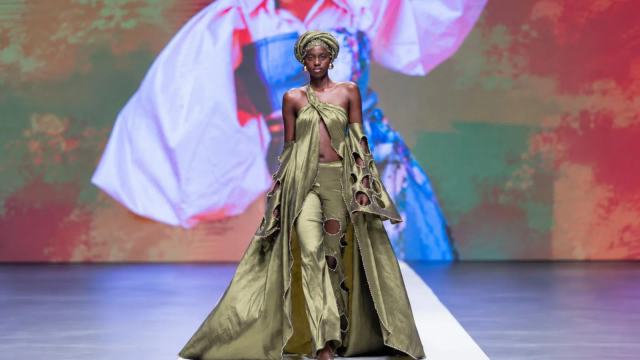
ATAFO has a documented history of participation in Lagos Fashion Week. The event’s designer archive records earlier appearances under the Mai Atafo name, including presentations in several previous editions.
That history places the brand among the established participants in Nigeria’s fashion-week ecosystem. For a label associated with tailoring and bridal design, a major fashion platform offers an opportunity to communicate the quality, construction and creative direction of its work to a broader audience.
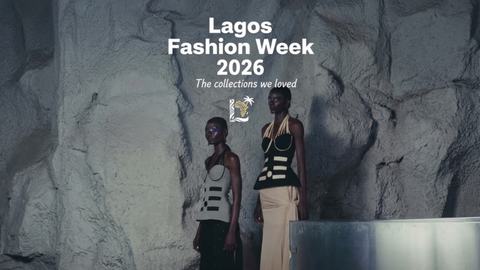
The 2026 edition of Lagos Fashion Week ran from 28 October to 1 November. The opening-day programme included offsite presentations and a welcome party, while the principal runway schedule followed from Thursday through Saturday.
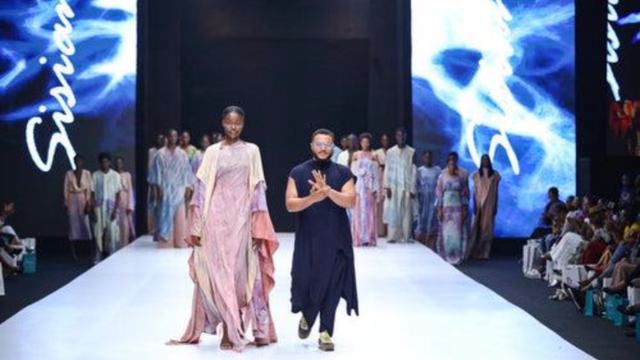
Mai Atafo was included among the fashion-related names associated with the opening-day programme in coverage of the event. However, the widely circulated detailed schedule lists the main opening-day presentations as Sisiano at 5 p.m., ALÁRA x Emmy Kasbit at 6 p.m. and Orange Culture at 7 p.m. I would therefore avoid assigning Mai Atafo a specific presentation time without a separately verified programme entry.
His broader connection to Lagos Fashion Week is nevertheless well established through the brand’s previous appearances.
Bridal Fashion and the Nigerian Consumer
Bridal fashion occupies a distinctive position in Nigeria’s clothing market because weddings are not simply private occasions. They often involve families, cultural traditions, public celebrations and carefully planned visual experiences.
The designer’s role may include helping a customer express personal taste while respecting the expectations associated with a particular ceremony. Some clients want a classic silhouette; others seek dramatic structure, contemporary proportions or a garment that combines several cultural influences.
This creates opportunities for designers who can balance creative vision with technical reliability. A wedding garment must not only look compelling in photographs; it must also fit correctly, allow movement and be completed within the agreed timeframe.
The same principles apply to bespoke menswear and other forms of occasionwear. Customers are paying for a combination of design, construction, service and confidence that the final result will meet their needs.
For Nigerian designers, the opportunity is to build businesses that can deliver these experiences consistently. Reputation is valuable, but it must be supported by clear communication, dependable production and attention to the customer throughout the process.
Building a Fashion Business Beyond the Designer’s Name
A designer’s personal reputation can help a label attract customers, but long-term growth requires systems that work beyond the founder’s individual involvement.
These systems include trained staff, dependable suppliers, organised production schedules, financial planning and the ability to maintain quality as demand changes. They also include understanding which products are commercially viable and how the brand should communicate its value to different customer groups.
ATAFO’s range across menswear, womenswear, bridal and ready-to-wear illustrates the possibilities of developing several connected areas within one fashion business.
Expansion, however, requires careful management. Each category has different production requirements, customer expectations and commercial risks. A bridal client may need a highly personalised service, while ready-to-wear customers may expect greater availability and faster purchasing decisions.
The ability to manage these differences is an important part of transforming a creative label into a durable enterprise.
READ: Israella Kobla Fashion: A Contemporary African Design Perspective
Nigerian Fashion and the Value of Technical Skill
The future of Nigeria’s fashion industry depends partly on how effectively creative talent is supported by technical education and manufacturing capacity.
Designers need access to skilled pattern-makers, tailors, textile suppliers and production teams. They also need opportunities to develop business knowledge, establish partnerships and reach customers beyond a single event or social media platform.
Fashion weeks help create visibility, but the industry’s long-term growth depends on what happens between editions. Production must continue, orders must be fulfilled, customers must be served and skilled workers must have opportunities to develop their expertise.
The 2026 Lagos Fashion Week theme, CRAFTED: Heritage. Innovation. Circular Futures, placed craftsmanship within a wider discussion about the value of making and the future of fashion production.
For a tailoring-focused business, this conversation reinforces the importance of construction, quality and the relationship between creative ideas and skilled execution.
Conclusion: Mai Atafo Fashion Continuing Legacy
Mai Atafo’s career reflects the importance of technical skill and a clear design identity in the Nigerian fashion industry. Through ATAFO, his work spans bespoke tailoring, contemporary luxury, bridal fashion and ready-to-wear collections.
His documented involvement in previous Lagos Fashion Week editions places the label within the development of a platform that has helped introduce Nigerian designers to wider audiences.
For me, the strongest lesson in his story is that fashion depends on the relationship between imagination and execution. A beautiful idea must eventually become a garment that fits, functions and delivers the quality a customer expects.
As Nigeria’s fashion industry continues to grow, the businesses that combine creative distinction with reliable craftsmanship and sound management will be particularly important. Their success will help determine whether the attention surrounding African fashion can translate into lasting economic opportunities for designers, artisans and customers alike.
The writer of this article does not claim to know the individuals named personally. The information about their backgrounds, as published on Global News Arena, is based on independent online research.
Are you interested in learning how to write professionally and earning money as a writer and content creator? Contact Auxi Chat today to start your writing journey immediately.
If you have an article, opinion piece, event or news story you would like published, Global News Arena would love to hear from you.