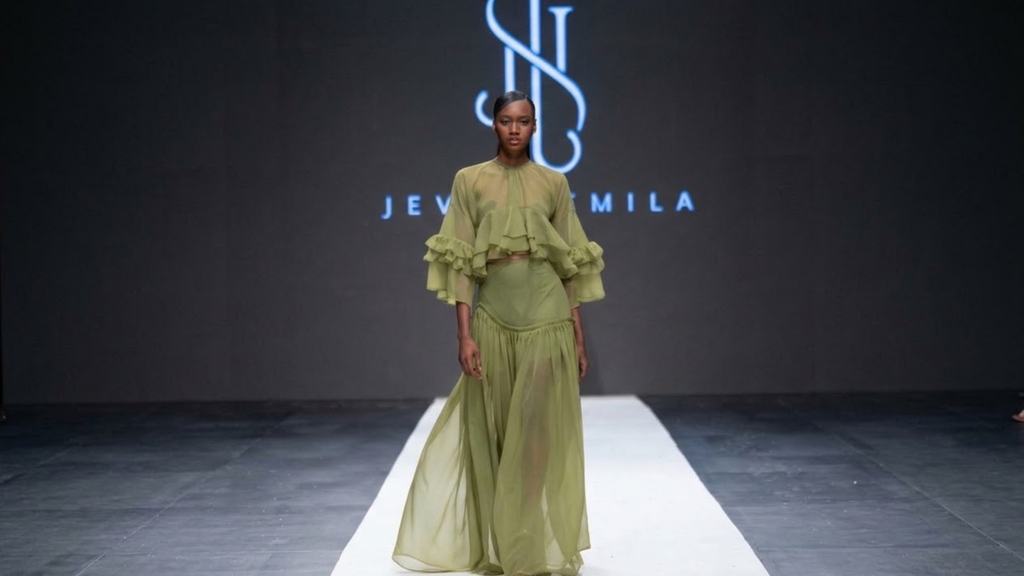
Jewel Jemila Fashion and the Meaning of Everyday Elegance
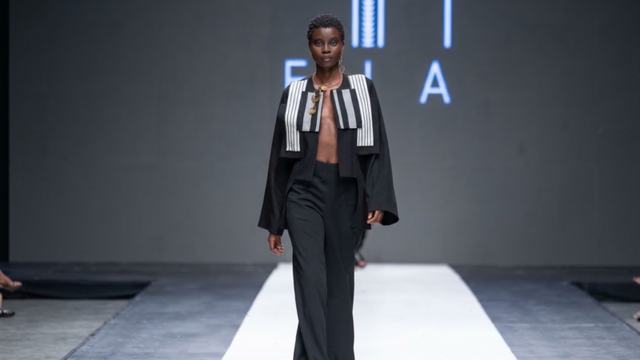
READ: FIA Fashion: Eclectic Prints and Contemporary African Womenswear
Jewel Jemila fashion approaches contemporary womenswear through a combination of femininity, versatility and confidence. Founded by Nigerian designer Jemila Yesufu, the ready-to-wear label was developed around a practical observation: women want clothing that makes them feel stylish and comfortable, regardless of their body shape or the occasion for which they are dressing.
This idea gives the brand a clear place within the broader conversation about inclusive fashion. Clothing is often discussed in terms of trends, luxury or visual impact, but the experience of wearing a garment is equally important. Fit, comfort, movement and confidence can determine whether a piece becomes a useful part of someone’s wardrobe or remains something admired only in a photograph.
READ: Bridget Awosika Fashion: Refined Silhouettes and Contemporary African Style
Jewel Jemila’s design philosophy places emphasis on sophisticated, feminine clothing with bright colours and simple lines. These elements provide a foundation for garments intended to flatter different figures while retaining a polished appearance.
The label’s approach also reflects a wider shift in contemporary fashion towards understanding the needs of the wearer. Style is personal, and women have different preferences, body types and daily routines. A brand that considers these differences can create clothing that allows more people to participate in fashion on their own terms.
Jemila Yesufu and the Story Behind the Brand
Jemila Yesufu is a Nigerian fashion designer and the founder of Jewel Jemila. She studied marketing management at De Montfort University in Leicester, England, before undertaking professional fashion training at JemiRiana African Fashion in 2016. She subsequently launched the Jewel Jemila brand.
Her educational background brings together two areas that can be useful in developing a fashion business. Marketing provides an understanding of customers, communication and the process of presenting a product to its intended audience. Fashion training introduces the creative and technical knowledge needed to develop clothing. Combining these perspectives can help a designer consider both the garment itself and the people who will wear it.
Yesufu’s motivation for creating Jewel Jemila was connected to her interest in fashion and the opportunity to serve Nigerian women looking for elegant, wearable clothing. The brand was conceived to offer pieces that help women feel fashionable without making body size or shape a barrier to finding suitable designs.
This emphasis on fit and accessibility is central to understanding the label’s identity. The objective is not simply to create visually appealing garments, but to consider how those garments work on different bodies and in real-life situations.
Designing for Different Body Types
Inclusive fashion begins with recognising that women do not share one standard body shape. Differences in proportions, height and personal preference influence how garments fit and how they are experienced. A design that works well for one person may require adjustments to suit another.
Ready-to-wear labels face the challenge of developing garments for a range of customers while maintaining consistency in production. Pattern development, grading and construction all influence how a design translates across different sizes. A thoughtful approach to these processes can improve fit and make clothing more comfortable to wear.
Jewel Jemila’s stated emphasis on designing for different body types places this issue at the centre of its philosophy. The brand’s focus on movement is particularly relevant because a garment should do more than look good when someone is standing still. It should also allow the wearer to sit, walk, reach and move naturally.
This practical consideration is important for clothing intended for social occasions. Events can last for hours, and garments need to accommodate the realities of wearing them rather than serving only as visual statements.
Inclusive design does not mean every silhouette will suit every person in the same way. It means considering the range of bodies and preferences that exist and making thoughtful decisions about fit, proportions and garment construction.
Bright Colours, Clean Lines and Feminine Styling
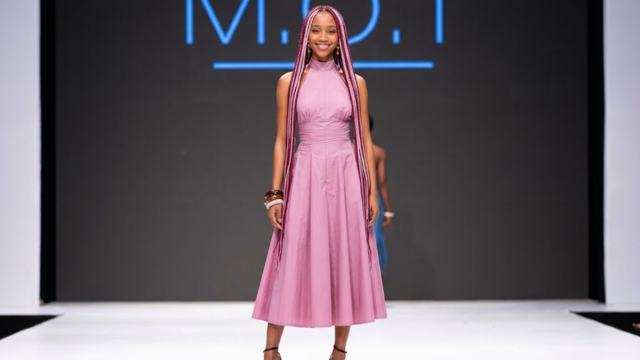
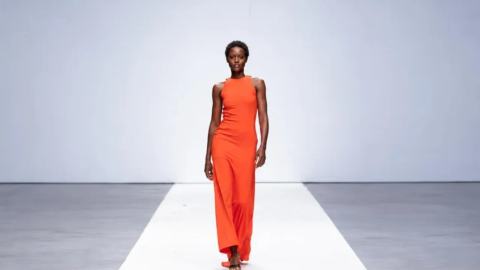
Jewel Jemila’s design identity is associated with bright colours, simple lines and sophisticated feminine styling. These elements can work together to create clothing that feels polished without relying on excessive decoration.
Colour plays an important role in how an outfit is perceived. A vivid shade can create a strong visual statement, while a more restrained palette can communicate understated elegance. The choice depends on the garment’s purpose, the intended styling and the preferences of the wearer.
Clean lines can help bring balance to a colourful design. When the silhouette is carefully considered, colour can become the main visual feature without making the garment feel overly complicated. Conversely, a simple palette can allow the cut and construction to provide the interest.
Movement is another important part of the design process. The way fabric falls, gathers or responds to the body influences the wearer’s experience. A well-considered silhouette can create a sense of ease while maintaining a refined appearance.
These design principles show why elegance does not depend on one particular style. It can emerge through the relationship between fit, colour, proportion and the confidence of the person wearing the garment.
Fashion for Nigerian Social Life
Clothing in Nigeria often serves different purposes throughout a busy social calendar. Women may need outfits for work, family celebrations, weddings, formal gatherings and everyday activities. These occasions create demand for clothing that can reflect personal style while meeting different expectations.
A ready-to-wear label can respond to this environment by developing garments that balance occasion dressing with practical considerations. Fit, comfort and versatility matter because an outfit must work in the setting for which it was chosen.
Jewel Jemila’s focus on elegant, wearable womenswear reflects this relationship between fashion and everyday life. The brand’s stated aim of serving women who want to look stylish regardless of body type connects with a broader need for clothing that combines appearance with function.
However, the usefulness of a garment ultimately depends on the wearer. Personal style, budget, cultural expectations and the nature of an event all influence what someone chooses to wear. A fashion label can offer possibilities, but the individual determines how those pieces become part of a personal wardrobe.
This relationship between designer and customer is central to ready-to-wear fashion. The designer creates the garment, but its meaning develops further when someone chooses it, styles it and makes it part of their life.
Fit, Quality and the Ready-to-Wear Business
Creating attractive designs is only one part of operating a fashion label. A ready-to-wear business must also manage sizing, production quality, inventory, pricing and customer service. These practical details influence whether customers can confidently buy and wear the products.
Fit is particularly important because it affects both comfort and appearance. A garment may have a strong design, but inconsistent sizing or poorly resolved proportions can reduce its usefulness. Pattern development and quality control therefore play an important role in the customer experience.
Quality also extends to fabric selection and finishing. Seams, hems, closures and other construction details influence durability and how the garment looks after repeated wear. For customers, these features help determine whether a piece offers value beyond its initial appearance.
A brand’s pricing strategy matters as well. Accessibility is not determined by price alone, but the relationship between cost, quality and the intended customer is important when developing a sustainable business.
Jewel Jemila’s emphasis on elegant clothing for the everyday woman brings these issues into focus. To make fashion genuinely useful, the design must be supported by production and customer experiences that reflect the brand’s stated purpose.
African Fashion and the Importance of Inclusive Design
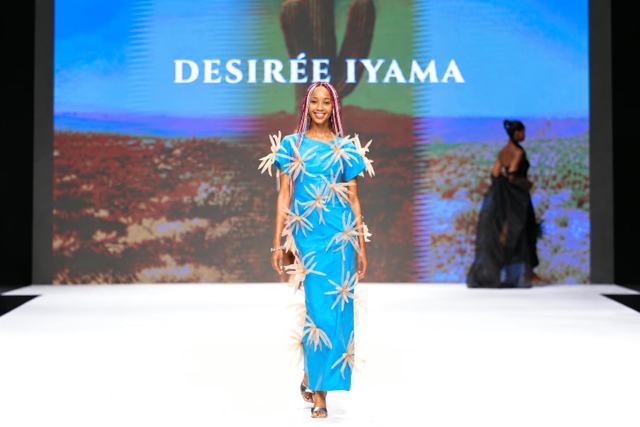
READ: Désirée Iyama Fashion: Feminine Design, Slow Fashion and the Meaning of Modern Nigerian Style
African fashion encompasses a wide range of design approaches, from traditional textiles and artisanal craftsmanship to contemporary luxury and modern ready-to-wear. Designers respond to different customers and creative interests, and this diversity allows the industry to serve a broader audience.
Jewel Jemila’s focus on fit and feminine ready-to-wear offers one perspective within that landscape. Rather than making the design conversation solely about dramatic runway pieces, the label draws attention to the everyday experience of getting dressed and the importance of clothing that works for different women.
Readers interested in other Nigerian fashion perspectives can explore Global News Arena’s coverage of NKWO and sustainable African design. That feature provides a complementary look at how designers develop identities through their approach to materials and production.
These different perspectives demonstrate that contemporary African fashion does not need to follow a single formula. Some labels prioritise heritage craft, others explore sustainability or experimental construction, while ready-to-wear brands can focus on fit, versatility and the needs of their customers.
The industry benefits when these different priorities are recognised as part of a larger design culture.
Why Jewel Jemila Fashion Matters
Jewel Jemila fashion contributes to the contemporary Nigerian fashion conversation through its focus on feminine ready-to-wear, fit and accessible elegance. Jemila Yesufu’s vision reflects the idea that clothing should help women feel confident while accommodating the differences in their bodies and lifestyles.
This approach offers a useful reminder that fashion’s value cannot be measured only through runway attention or trend recognition. The everyday experience of wearing a garment is equally important. Fit, comfort, movement and quality determine how clothing functions once it leaves the showroom or runway.
As the fashion industry continues to explore inclusive design, brands that consider a broader range of customers can help expand the meaning of style. Inclusivity involves more than a message; it requires practical attention to sizing, construction, product development and the experience of the wearer.
Jewel Jemila’s emphasis on these considerations places the customer at the centre of its design philosophy. Its story illustrates how a fashion label can build its identity around a clear understanding of what women want from their wardrobes: clothing that feels elegant, works for the occasion and supports their confidence.
The writer of this article does not claim to know the individuals named personally. The information about their backgrounds, as published on Global News Arena, is based on independent online research.
Are you interested in learning how to write professionally and earn money as a writer and content creator? Contact Auxi Chat today to start your writing journey immediately.
Need a professional website in 72 hours? Contact Auxi Chat
If you have an article, opinion piece, event or news story you would like published, Global News Arena would love to hear from you.