
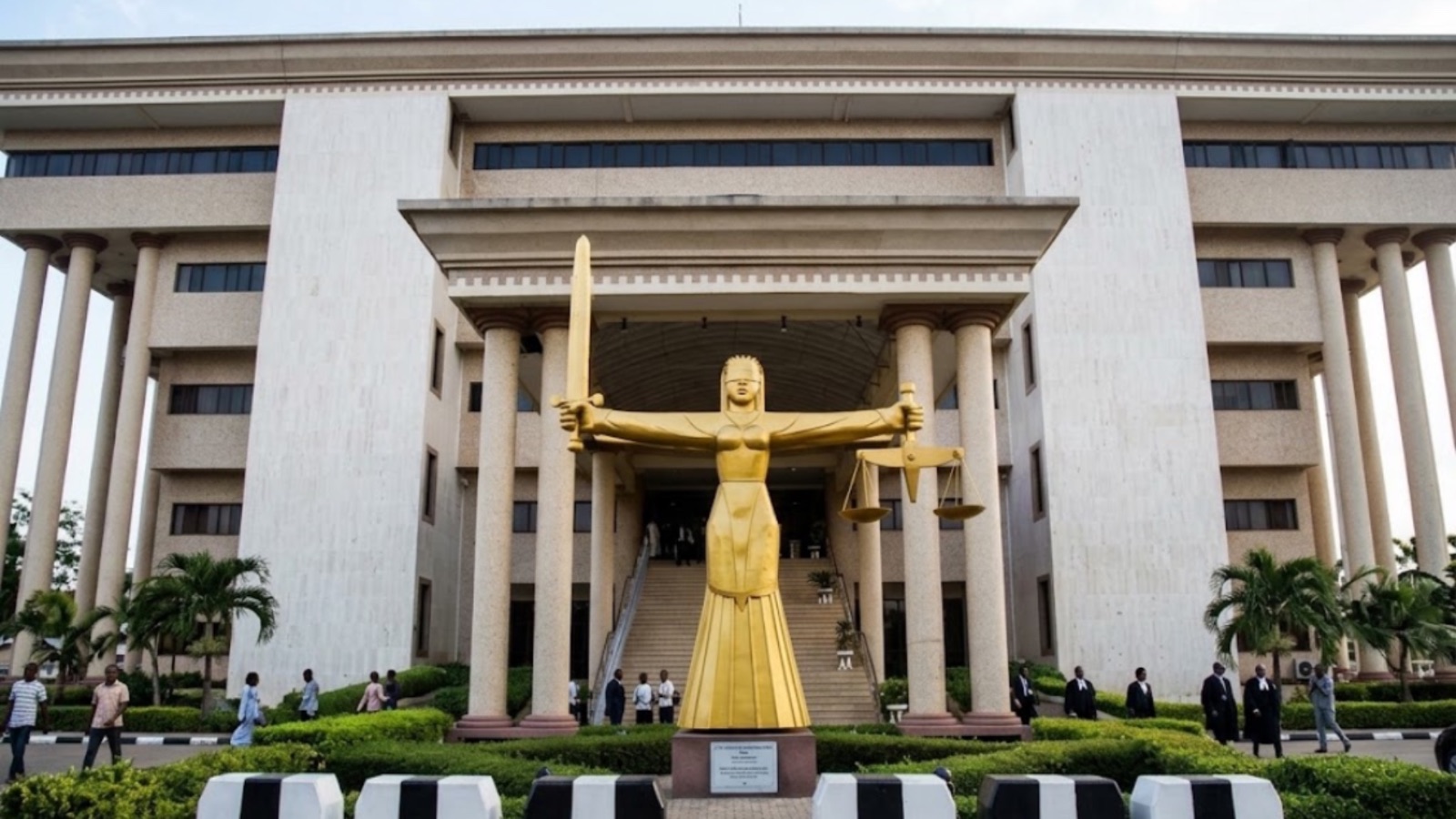
The Federal High Court Abuja plays an important role in Nigeria’s justice system by hearing cases that fall within the legal powers of the Federal High Court. Located in the Federal Capital Territory, Abuja, the court’s headquarters serves as the administrative centre of a judicial institution that handles important legal disputes across the country.
READ: Abuja: Biography, History and Life in Nigeria's Capital
The Federal High Court is different from the High Court of the Federal Capital Territory. Although both courts operate in Abuja, they have different legal responsibilities and areas of jurisdiction. Understanding the Federal High Court Abuja helps readers understand how federal cases are handled and how the judiciary supports the rule of law in Nigeria.
Read: Do you need a professional writer in 72 hours? Contact Auxi Chat
Federal High Court Abuja: History and Establishment
READ: Cybercrimes Act Nigeria: Law, Offences and Penalties
The Federal High Court began in 1973 as the Federal Revenue Court. It was created to handle matters involving federal revenue and related issues. Over time, its responsibilities expanded as Nigeria’s legal and constitutional framework developed.
The court later became known as the Federal High Court, with its jurisdiction defined by constitutional provisions and other relevant laws. Its headquarters moved to Abuja in 2009, strengthening the city’s role as the centre of federal judicial administration.
Read: Need a professional website in 72 hours? Contact Auxi Chat
Today, the Federal High Court has judicial divisions across Nigeria. These divisions allow cases within its jurisdiction to be heard in different parts of the country rather than requiring everyone to travel to the capital.
The Federal High Court Abuja serves as the headquarters of this wider judicial institution. Its work forms part of the system through which federal laws are interpreted and disputes are resolved.
What Does the Federal High Court Abuja Do?
The Federal High Court Abuja handles cases involving subjects assigned to the court by the Constitution and other applicable laws. Its responsibilities include civil and criminal matters within its legal jurisdiction.
Some important areas include
Banking and financial matters: Certain disputes involving banks, financial regulation and federal financial institutions.
Immigration and citizenship: Cases concerning immigration, deportation and related federal matters where the court has jurisdiction.
Customs and taxation: Disputes involving customs administration, import and export regulations, and specified federal revenue matters.
Intellectual property: Legal disputes concerning trademarks, patents, copyrights and other protected rights where federal jurisdiction applies.
Maritime matters: Certain shipping and admiralty disputes governed by federal law.
Federal government agencies: Cases involving federal institutions where the subject matter falls within the court’s jurisdiction.
Not every dispute involving the Federal Government automatically belongs before the Federal High Court. The correct court depends on the subject of the case, the relevant law and the legal relief being requested.
The Federal High Court Abuja therefore plays an important role in deciding disputes that require the application and interpretation of federal law.
The Role of Judges and Court Officials
Judges are responsible for hearing cases, considering evidence and arguments, interpreting applicable laws and delivering decisions. Their work requires impartiality, careful reasoning and respect for the rights of the parties involved.
Court registrars and other judicial staff also support the administration of justice. Their responsibilities may include receiving court documents, maintaining records, managing administrative processes and assisting with the organisation of court proceedings.
At the Federal High Court Abuja, these functions help cases move through the judicial process. Proper recordkeeping, clear procedures and organised court administration are important for ensuring that proceedings are managed effectively.
The court’s independence is also essential. Judges must decide cases according to the law and the evidence presented, rather than pressure from politicians, businesses, public figures or members of the public.
How Cases Reach the Federal High Court Abuja
A case must fall within the court’s legal jurisdiction before it can properly be heard there. The process depends on the type of dispute, the applicable laws and the court rules governing the proceedings.
People and organisations considering legal action usually need to identify the correct court, prepare the required documents and follow the relevant filing procedures. Legal representation can help parties understand these requirements and avoid procedural mistakes.
Once a matter is filed, the court follows the applicable rules for serving documents, receiving responses, hearing arguments and considering evidence. Depending on the case, proceedings may involve several hearings before a decision is delivered.
The Federal High Court Abuja does not automatically handle every case simply because a party lives or works in the capital. Some matters belong before state high courts, the High Court of the Federal Capital Territory, or other courts established under Nigerian law.
Choosing the proper court is therefore an important step in any legal process.
Federal High Court Abuja and the Rule of Law
The rule of law means that individuals, businesses, public institutions and government authorities are expected to act within the law. Courts help uphold this principle by resolving disputes and determining legal questions through established procedures.
The Federal High Court Abuja contributes to this process when it hears cases within its jurisdiction. Its decisions can affect businesses, public institutions and individuals involved in federal legal disputes.
For example, a case involving a federal regulatory decision may require a court to examine whether the relevant authority acted within its legal powers. A commercial dispute involving a matter assigned to the Federal High Court may also require judicial interpretation of federal legislation.
The court must consider each case on its own facts and applicable law. A filing does not prove that a person or institution has acted unlawfully, and an allegation should not be treated as a final judicial finding.
This distinction is important when reporting legal proceedings and discussing court cases in public.
Challenges Facing the Federal High Court Abuja
Like other courts, the Federal High Court operates within a justice system that must manage complex cases, administrative demands and public expectations.
READ: George Elombi Biography: Afreximbank President and CEO
One challenge is the time needed to hear and determine cases. Complex disputes may involve many parties, large volumes of documents and difficult questions of law. Delays can affect litigants who need a timely resolution.
Court administration also requires adequate staffing, reliable recordkeeping, suitable facilities and effective case-management procedures. Improvements in these areas can help the judicial process run more smoothly.
Public understanding is another important issue. People may confuse the Federal High Court with the High Court of the Federal Capital Territory because both operate in Abuja. Clear information about jurisdiction and procedure helps the public understand where different cases should be taken.
Addressing these challenges requires sustained institutional support, effective court management, adherence to procedural rules and respect for judicial independence.
Why the Federal High Court Abuja Matters
The Federal High Court Abuja is important because it forms part of the judicial system responsible for resolving disputes involving federal laws and matters assigned to the court.
Its work supports legal accountability, provides a forum for eligible disputes and helps clarify how federal laws apply to individuals, businesses and public institutions. Through its headquarters and judicial divisions, the Federal High Court serves litigants across Nigeria.
Understanding the Federal High Court Abuja also helps the public distinguish between different courts and their responsibilities. This knowledge is useful when following legal news, researching court proceedings or seeking professional guidance about a dispute.
The court cannot resolve every legal issue in Nigeria, and its powers are limited by law. However, within its jurisdiction, it remains an important institution for administering justice and supporting the rule of law.
For readers following Nigerian politics, business, public institutions and legal affairs, the Federal High Court Abuja provides essential context for understanding how federal judicial matters are handled.
Are you interested in learning how to write professionally and earn money as a writer and content creator? Contact us today to start your writing journey immediately.
Need a professional website in 72 hours? Contact us
Do you need a professional writer in 72 hours? Contact us
If you have an article, guest story, event or news tip you would like published, Global News Arena would love to hear from you.