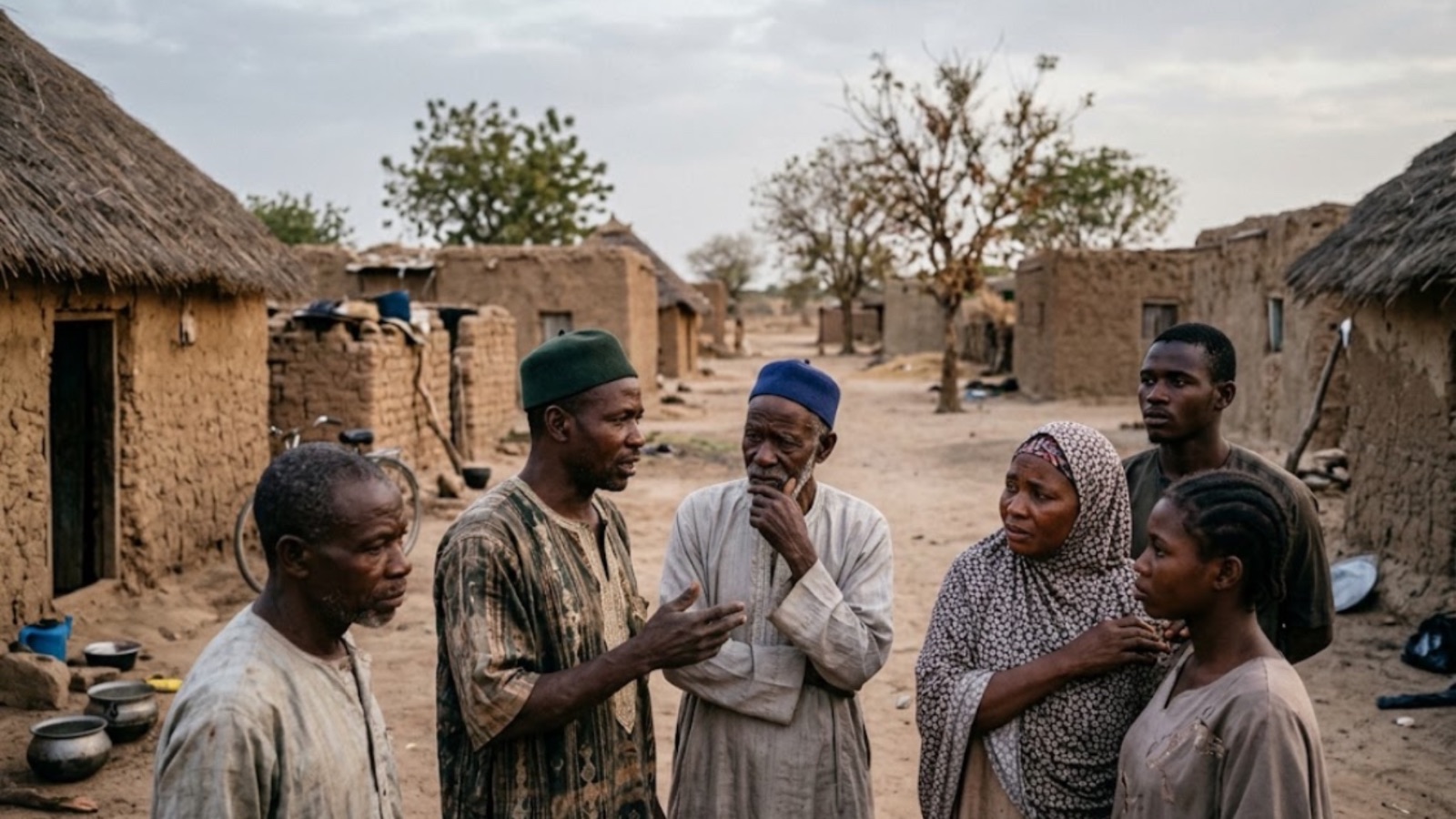
A deadly Zamfara family attack has renewed concerns about insecurity in northwestern Nigeria after gunmen killed 11 people and abducted 13 others during an assault on a village over the weekend.
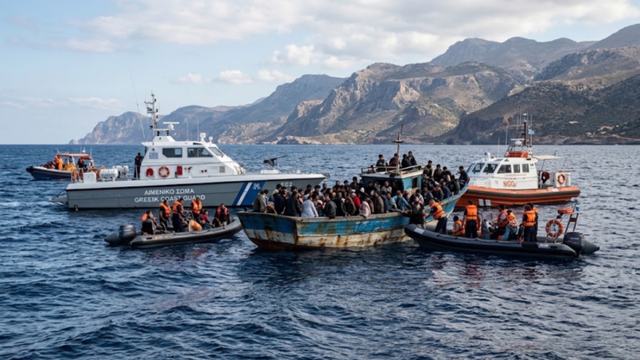
READ: Greece migrant boat tragedy: 13 Migrant Bodies Recovered From Boat Near Crete
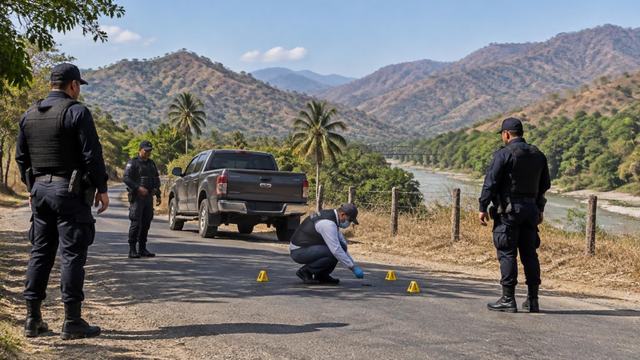
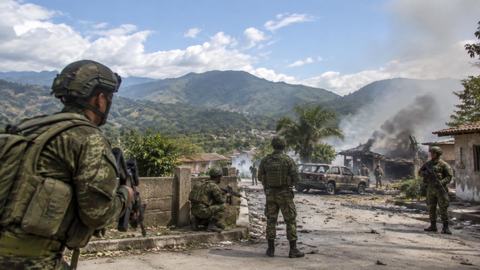
According to a report published on Monday, November 9, the victims included a local security volunteer and 10 of his relatives. Police said the attackers burned the victims’ bodies and set fire to the family’s home before leaving with 13 abducted people.
Read: Do you need a professional writer in 72 hours? Contact Auxi Chat
The incident adds to the continuing security challenges confronting communities across Zamfara, where armed groups have carried out attacks, kidnappings and raids on rural settlements.
READ: Nvidia CEO intelligence investigation Report Was Targeted by Foreign Intelligence
Zamfara family attack leaves unanswered questions
The circumstances surrounding the attack remain unclear. The report did not identify the village or provide further details about the abducted individuals, their identities or the motive behind the violence.
Read: Need a professional website in 72 hours? Contact Auxi Chat
The reported involvement of a local security volunteer and his relatives makes the incident particularly troubling. People who assist community security efforts can face risks not only to themselves but also to their families, especially in areas where armed groups operate.
Authorities will need to establish what happened, identify those responsible and determine whether the attack was connected to previous incidents in the area. Until further information becomes available, assumptions about the perpetrators’ motives would be premature.
Rural insecurity continues to threaten residents
For people living in vulnerable communities, insecurity affects far more than immediate physical safety. Residents may become afraid to travel, farm, trade or visit neighbouring settlements when the threat of armed attacks remains high.
Agricultural communities are especially exposed when violence disrupts access to farmland and markets. Families may lose income, food supplies and the ability to maintain normal routines. Abductions can also leave relatives facing uncertainty while they wait for information about missing loved ones.
The Zamfara family attack highlights the importance of timely security responses, reliable intelligence and effective cooperation between authorities and residents. Such cooperation must also protect the people who provide information or assist local security operations.
What authorities need to establish next
Investigators will need to clarify the identities of the victims, locate the abducted individuals and establish the sequence of events. Any official updates should distinguish confirmed information from preliminary reports, particularly when casualty figures or details about the incident change.
READ: Investigation: How Emergency Procurement Rules Outlive the Emergency
The immediate priority is the safe recovery of those abducted and the protection of other residents who may remain at risk. Longer-term measures must address the conditions that allow armed groups to continue threatening rural settlements.
The incident also raises questions about how security resources are distributed across remote communities. Residents need more than assurances after an attack; they need practical protection, accessible emergency response and credible investigations.
As more details emerge, the focus should remain on the victims, the safe return of the abducted and accountability for those responsible. The full circumstances of the Zamfara family attack remain subject to further official clarification.
The writer of this article does not claim to know the individuals named personally. The information regarding their backgrounds as published on Global News Arena is based on independent online research.
If you have an article, opinion piece, event or news story you would like published, Global News Arena would love to hear from you.