
Building financial independence before marriage does not mean waiting until you have millions in your bank account before you settle down. It means getting to a point where you understand your money, know how to manage it, can handle your responsibilities and are actively building the kind of financial stability that can support the life you want to create.
For me, this is one of the conversations that deserves much more attention when people talk about preparing for marriage. We spend so much time discussing love, compatibility, wedding plans and finding the right partner, but money eventually becomes part of the marriage whether we talk about it beforehand or not. There will be rent, food, transportation, family responsibilities, unexpected expenses, future children and countless other financial decisions.
That is why I believe preparing financially should begin long before the wedding day.
The first place I would start is with an honest look at my current financial situation. I would like to know exactly how much I earn, where my money goes every month, what I owe and how much I am actually able to save. It sounds simple, but many people avoid this conversation with themselves because they are afraid of what the numbers might reveal.
However, you cannot improve what you refuse to measure.
If you earn ₦300,000 every month but spend ₦320,000, the problem is not simply that you need a higher salary. You also need to understand why your expenses are higher than your income. On the other hand, if you earn ₦500,000 and consistently spend almost everything, increasing your salary may not solve the problem either.
The Nigerian Securities and Exchange Commission encourages sound financial habits such as understanding income and expenses, distinguishing between needs and wants, budgeting and preparing for unexpected expenses.
That is why I would rather build financial discipline before trying to build an expensive lifestyle.
Social media can make this particularly difficult because we are constantly exposed to people displaying new cars, designer clothes, expensive restaurants, holidays and other signs of wealth. What we rarely see, however, is the person's savings account, outstanding debts or financial obligations.
Looking financially successful and actually being financially stable are two completely different things.
So instead of trying to impress people, I would focus on creating a financial foundation that may not look exciting on Instagram but can make a significant difference when life becomes unpredictable.
One of the first things I would work toward is an emergency fund. Life does not always follow our plans. A job can disappear, a business can slow down, a phone or laptop can break, or an unexpected family expense can suddenly appear.
Without savings, even a relatively small emergency can force someone to borrow money.
I would therefore start with whatever amount I could realistically afford and make saving a habit. It does not have to be a huge amount at the beginning. What matters is developing the discipline of regularly putting money aside rather than spending everything and hoping something remains at the end of the month.
At the same time, I would not make the mistake of believing that cutting expenses alone is the answer to financial independence.
There is only so much you can cut.
You can stop buying certain things, reduce unnecessary subscriptions, cook more often and become more careful with transportation and entertainment expenses, but eventually you reach a limit. You cannot reduce your way to unlimited financial growth.
This is where increasing your income becomes extremely important.
If I were preparing for marriage today, I would ask myself a very practical question: What skill can I develop that people are willing to pay me for?
That question can open an entirely different conversation.
Maybe you are good at writing. Maybe you understand social media. Maybe you can design graphics, edit videos, build websites, manage online communities, tutor students or help businesses organise their digital operations.
The point is not to learn everything.
The point is to choose one useful skill and become good enough at it that another person or business can confidently pay you for the value you provide.
And this is where technology has changed the possibilities available to ordinary people.
You do not necessarily need an expensive office or sophisticated equipment to begin learning and offering certain digital services. A smartphone can give you access to educational resources, communication platforms, social networks, freelance marketplaces and tools that can help you create and market your work.
Nigeria's NiYA Gigs platform, for example, is designed to connect young Nigerians with freelance and digital work opportunities.
That does not mean opening an account automatically guarantees income. It does not.
You still need a marketable skill, a portfolio, professionalism, patience and the ability to deliver quality work.
But the bigger lesson is that your smartphone can become more than a device for consuming other people's content.
It can become a tool for building something of your own.
Imagine spending one hour scrolling through social media every evening and then gradually changing that habit. Instead of using all of that time consuming content, you could spend part of it learning how to write better, edit videos, create designs, manage social media pages or market a service.
Over several months, that knowledge could potentially become an income stream.
Your first client may not pay you a fortune. Your first digital product may not suddenly go viral. Your first attempt at freelancing may even fail.
That is normal.
The objective is to start developing earning power.
Once you have a useful skill, you can begin looking for ways to turn it into income. You might offer services directly to small businesses, creators or individuals. You could build a portfolio on social media. You could create educational content around your area of expertise. You could eventually turn your knowledge into a digital product.
Digital products are particularly interesting because you can package useful knowledge into something such as an ebook, guide, template, workbook or online course and potentially sell it repeatedly.
For example, someone who understands personal budgeting could create a simple budgeting template. A teacher could create educational materials for parents. A writer could create a guide on content creation. A fitness professional could create a beginner's workout programme.
The opportunity is not simply in creating something.
The real opportunity is in solving a problem.
That distinction matters because the internet is already full of products that nobody needs. If you want to build something profitable, think about what people are struggling with and whether you can provide a useful solution.
The same thinking can apply to affiliate marketing.
Instead of creating your own product, you can recommend legitimate products and services through affiliate programmes and potentially earn commissions from qualifying purchases. For someone who enjoys writing, reviewing products, making educational content or building an audience, this can become another possible digital income stream.
But I would never recommend promoting something simply because it offers a high commission.
Trust takes a long time to build and only a few bad recommendations to destroy.
If you tell people that a product is excellent when you have not properly researched it simply because you want the commission, you may make a little money today while damaging your credibility for tomorrow.
That is not the kind of financial independence I would want to build.
I would rather build an income stream around something useful, honest and sustainable.
And as income begins to increase, another important issue comes into the picture: debt.
If I have outstanding debts before marriage, I would want to understand them clearly rather than pretending they do not exist. I would write down what I owe, understand the repayment terms and create a realistic strategy for reducing the debt.
This becomes even more important when preparing to build a life with another person.
Financial transparency matters.
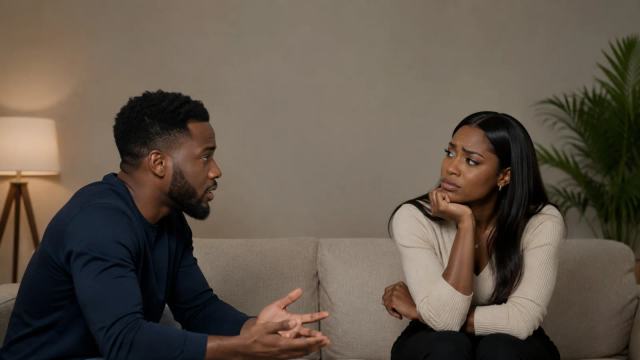
If you are planning to marry someone, that person should not have to discover major debts, financial obligations or money problems after the wedding.
There should be honest conversations about income, spending, savings, debt and family responsibilities.
For example, if you regularly support your parents or siblings, that is something your future spouse should understand. If you have significant debt, it should not become a surprise. If you have a business that requires you to reinvest part of your income every month, that should also be part of the conversation.
Marriage is not about presenting a perfect financial picture to each other. It is about understanding reality and deciding how to build from there.
At the same time, I think people should be careful about confusing financial independence with having multiple income streams simply for the sake of having multiple income streams.
You do not need five businesses.
You do not need to become an entrepreneur overnight.
You do not need to turn every hobby into a side hustle.
Sometimes one stable job and one well-developed additional income stream can be much better than trying to manage six different hustles that are all producing very little.
The goal is not to become permanently exhausted.
The goal is to become financially stronger.
That is why I would also set specific financial goals instead of simply saying, “I want to be rich.”
I would decide how much I want to save, how much debt I want to clear, how much additional income I want to generate and which skill I want to develop within a particular period.
A goal such as “I want to make more money” is vague.
A goal such as “I want to learn video editing within six months and earn my first income from the skill” gives you something concrete to work toward.
The same applies to savings.
Instead of saying, “I need to save money,” decide how much you can realistically save each month and make it part of your financial routine.
And while doing all of this, I would also learn about investing.
Once you start earning and saving, it is natural to think about how to make your money grow. But this is where patience becomes extremely important.
There are always people online promising extraordinary returns, guaranteed profits or quick wealth.
I would be extremely careful.
The SEC provides investor education resources covering investment basics, risks and investor protection, and encourages investors to understand what they are putting their money into before making investment decisions.
If an opportunity sounds too good to be true, I would rather investigate it thoroughly than invest because I am afraid of missing out.
Financial independence should not be built by taking reckless risks with money you cannot afford to lose.
It should be built gradually through earning, saving, learning, investing responsibly and making better financial decisions over time.
Perhaps the biggest change, however, has to happen in the way we think about money.
Before marriage, I would rather become financially disciplined than simply become financially impressive.
I would rather have savings than a new phone I cannot comfortably afford.
I would rather have a valuable skill than spend all my time trying to look successful.
I would rather build a small but legitimate side income than chase unrealistic promises of overnight wealth.
And I would rather have an honest conversation about money with my future spouse than pretend everything is perfect.
Because when the wedding ceremony is over and real life begins, the things that matter are not the number of people who attended the wedding or how expensive the decorations were.
Real life is the rent.
Real life is food.
Real life is transportation.
Real life is family responsibilities.
Real life is an unexpected expense.
Real life is planning for the future.
And when children eventually enter the picture, the financial responsibilities can become even greater.
This is why I believe the period before marriage should be used intentionally.
If you are single, you have time to build yourself.
If you are already earning, learn how to manage that income better.
If your income is not enough, develop another skill.
If you have debt, create a plan.
If you have no savings, start small.
If you only have a smartphone, learn how to use it productively.
If you have knowledge, consider turning it into useful content or a digital product.
If you have an audience, think about ethical ways to create value for that audience.
And if you have been waiting for the perfect time to begin, understand that the perfect time may never arrive.
You can start small.
You can learn for free or at a low cost.
You can practise before charging people.
You can create a simple portfolio.
You can take your first small client.
You can make mistakes.
You can improve.
That is how many sustainable income streams begin, not with a huge investment, but with a useful skill, a real problem and someone willing to pay for a solution.
Ultimately, financial independence before marriage is not about becoming wealthy enough to prove something to other people.
It is about becoming responsible enough to build something meaningful with someone else.
You do not have to have everything figured out before getting married.
But you should understand your financial situation, know your responsibilities, be honest about your obligations and have a willingness to keep improving.
The strongest financial foundation may not be the biggest bank balance.
Sometimes, it is the combination of a good financial mindset, controlled spending, useful skills, multiple legitimate ways to earn, savings, manageable debt and the willingness to keep learning.
And that is something you can begin building today, even if all you have is a smartphone, an internet connection and the determination to learn.
If you have an article, opinion piece, event or news story you would like published, or you are ready to begin your journey toward building a profitable online content writing business from your phone or laptop, Global News Arena would love to hear from you. Send an email to advertise@globalnewsarena.com.