Buying a Smart TV in Nigeria should not be a decision you make simply because you have seen a beautiful screen in a showroom and suddenly fallen in love with it. With the number of television brands, screen sizes, operating systems and technical features now competing for buyers' attention, it has become surprisingly easy to spend a lot of money on a television that does not actually meet your needs.
For me, the first mistake I would avoid is buying a television simply because it is the biggest one I can afford.
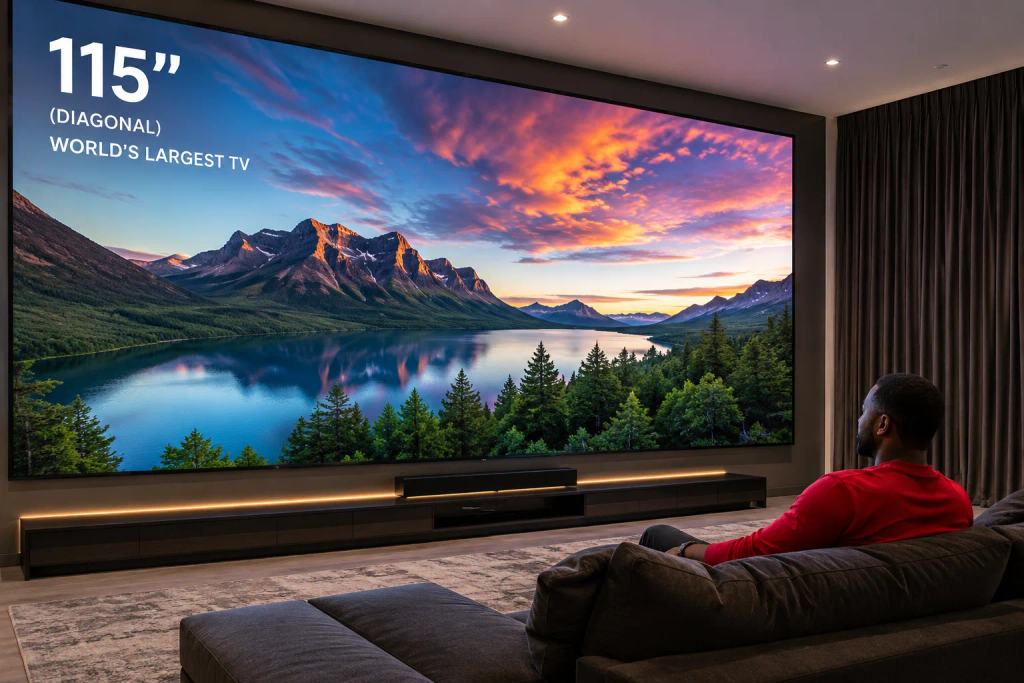
A 65-inch or 75-inch television can certainly make a sitting room look impressive, but bigger does not automatically mean better. What matters is whether the screen size is appropriate for the room, how far you normally sit from the television and the kind of content you watch.
If the room is relatively small, spending extra money on a massive screen may not give you the experience you imagined. That money could instead go towards better picture quality, stronger sound, more reliable software or other features that you will actually use.
And this is where I think buyers need to look beyond the numbers written on the box, because another major mistake is assuming that every television advertised as “4K” will deliver exactly the same picture quality.
It will not.
Two televisions can both have 4K resolution and still look noticeably different. Brightness, contrast, colour accuracy, panel technology, HDR performance and image processing can all influence what you eventually see on your screen.
So, when I see “4K UHD” advertised, I would not immediately conclude that I have found the perfect television. I would look deeper into the specifications and, if possible, compare the actual picture quality of different models.
The same caution applies to HDR. While HDR can improve the range of brightness, contrast and colours in supported content, simply seeing “HDR” printed on a box does not mean every television will provide the same HDR experience.
Then there is refresh rate, another specification that can easily confuse buyers.
You may see 60Hz, 120Hz or even higher figures being promoted, and while refresh rate can be important for people who enjoy gaming, football and other fast-moving content, I would not pay extra simply because one television has a bigger number.
The important question is what the television actually supports and whether that feature matters to you.
Someone buying a Smart TV mainly for YouTube, Netflix, movies and regular television programmes may have completely different priorities from someone who intends to connect a PlayStation 5 or Xbox Series X.
For serious console gamers, HDMI capabilities can be particularly important because HDMI 2.1 supports features such as 4K at 120Hz and variable refresh rate. But if gaming is not part of your plans, there may be little reason to spend significantly more money chasing specifications you will barely use.
And that leads to another mistake I think Nigerians should avoid: paying for features simply because they sound impressive.
Television advertisements can make this difficult because manufacturers now promote everything from AI picture processing and advanced HDR formats to gaming modes and specialised sound technologies.
It can become easy to believe that the television with the longest list of features must be the best.
But I would rather ask a simpler question: Which of these features will I actually use?
If you mainly watch football, movies, YouTube and streaming platforms, focus on the features that improve those activities. If you are a serious gamer, then look more closely at gaming-related specifications. If sound is your biggest priority, pay attention to the audio system rather than allowing a fancy picture specification to make the entire decision for you.
More importantly, do not forget the internet connection.
A Smart TV is only as useful as the services and connectivity supporting it. You may buy a beautiful 4K television, but if your internet connection constantly buffers or struggles with high-quality streaming, the expensive screen will not suddenly solve the problem.
Netflix, for example, recommends 15 Mbps or higher for 4K streaming under its Ultra HD requirements.
So before spending heavily on a premium Smart TV, I would also think about the internet connection that will power it.
This is especially important because many people calculate the price of the television but forget about everything they will continue paying for after the purchase.
There may be internet data, streaming subscriptions, a wall mount, surge protection, a soundbar and other accessories to consider.
That is why I believe the question should not simply be, “How much is this television?”
It should be, “How much will it really cost me to own and enjoy this television?”
Once you start looking at the purchase that way, another mistake becomes much easier to identify: choosing a Smart TV without checking its operating system.
The television may have an excellent display, but you will spend a lot of time interacting with its software. You will use the menus, search for applications, connect to Wi-Fi, adjust settings and navigate between different services.
A television that looks fantastic but has slow or poorly designed software can become frustrating very quickly.
I would therefore check the exact operating system, the applications it supports, how responsive the menus are and whether the manufacturer provides software updates.
I would also be careful about assuming that every television described as “Android TV” or “Smart TV” will provide the same experience.
The brand, hardware, software version and level of support all matter.
This is why I would use my smartphone before buying.
Rather than relying completely on a salesperson's explanation, search for the exact model number. Compare the manufacturer's specifications with information from reputable retailers. Read reviews from people who have actually used the television. Search for common problems and complaints. Check whether the applications you use are available.
Your phone can help you make a much more informed decision in a matter of minutes.
And that becomes even more important when you consider another mistake: buying from an unreliable seller simply because the price is cheaper.
I understand why a cheaper price can be tempting, particularly when you are trying to manage your budget. But with electronics, the cheapest option is not always the smartest option.
Before paying, I would want to know exactly who I am buying from, whether the television is genuine, whether it is new, what warranty comes with it and where I would go if something went wrong.
A good warranty and dependable after-sales support can be worth paying a little more for.
I would also check the exact model number on the television and its packaging before completing the transaction. Two televisions can look almost identical while having different specifications, features or regional versions.
And if the seller allows it, I would test the television before taking it home.
Turn it on.
Check the display carefully.
Test the remote.
Connect it to Wi-Fi.
Open the applications.
Test the HDMI ports.
Listen to the speakers.
Look for visible damage.
It may feel unnecessary when you are excited about finally buying a new television, but a few minutes of checking can save you from a much bigger headache later.
There is also the issue of sound, which I believe many buyers underestimate.
Modern televisions have become incredibly thin, and while that makes them attractive, there is only so much space available for built-in speakers.
The result is that a television can have an outstanding picture but only average sound.
If you want a more powerful cinema-like audio experience, you may eventually need a soundbar or external speaker system. So if sound is important to you, factor that into your budget instead of assuming that the television's built-in speakers will automatically satisfy you.
At the same time, I would not ignore electricity and power protection.
A Smart TV is an electronic investment, and after spending a significant amount of money on one, it makes sense to take reasonable steps to protect it from electrical problems. Appropriate surge protection and a reliable power solution can help protect your equipment, although they cannot eliminate every possible electrical risk.
The bigger point is that buying the television is only the beginning.
You want to keep it working properly for as long as possible.
Another mistake is allowing the showroom experience to make the decision for you.
A television can look spectacular in a brightly lit electronics store because manufacturers and retailers carefully choose demonstration videos designed to showcase colour, sharpness and contrast.
But your home will not necessarily have the same lighting conditions or content.
That is why I would research before making the final payment rather than allowing a five-minute demonstration to determine where a large portion of my money goes.
I would compare prices from reputable sellers, check reviews, verify specifications and think carefully about what I actually need.
And perhaps the most important mistake to avoid is buying emotionally.
When you have been saving for a television for months, it is easy to become excited when you finally find one that looks beautiful. You start imagining it on your wall, your family watching movies together and your favourite football team playing on that enormous screen.
There is nothing wrong with being excited.
But excitement should not replace research.
A Smart TV is still a significant purchase for many Nigerian households, so it deserves the same level of consideration you would give any other major electronic investment.
Interestingly, this entire process also reminds me of something bigger about the technology we already have around us.
The smartphone many of us carry every day is not simply a device for WhatsApp, TikTok, Instagram, YouTube or making calls. It can also be a powerful research tool, learning device, publishing platform and business tool.
Think about what happens when you use your phone to research a Smart TV before buying it. You are gathering information, comparing options, studying people's experiences and using knowledge to make a better financial decision.
Those same skills can be turned into something much bigger.
Someone who enjoys researching gadgets can create useful technology content. Someone who enjoys writing can start offering content-writing services. Someone who understands products can build an audience around product recommendations. Someone who enjoys teaching can create digital guides or educational content.
And none of this necessarily requires an expensive office or a complicated setup.
A smartphone, internet connection, useful knowledge and consistency can be enough to start building something online.
That is why I believe we should stop looking at technology only as something that consumes our money and start thinking about how it can also help us create value.
The same phone that helps you compare the price of a 55-inch television could help you write an article, create a short video, learn a digital skill, communicate with a client or begin developing an online business.
So, before buying your next Smart TV, slow down and look beyond the screen size and attractive showroom display.
Check the actual picture quality rather than relying only on the word “4K.” Understand the refresh rate and connectivity. Confirm the operating system and applications you need. Research the exact model number. Compare prices. Test the television where possible. Ask about the warranty and after-sales support. Think about your internet connection, electricity situation and additional accessories, and calculate the total cost of owning the television.
Most importantly, buy according to your needs, not according to what looks impressive on a box.
A Smart TV should make your entertainment better, not leave you wondering why you spent so much money on features you never use.
And perhaps the smartest thing you can do is carry that same mindset into other areas of your life: research before spending, learn before deciding and look for ways to turn the technology already in your hands into something productive.
If you have an article, opinion piece, event or news story you would like published, or you are ready to begin your journey toward building a profitable online content-writing business from your phone or laptop, Global News Arena would love to hear from you. Send an email to advertise@globalnewsarena.com.