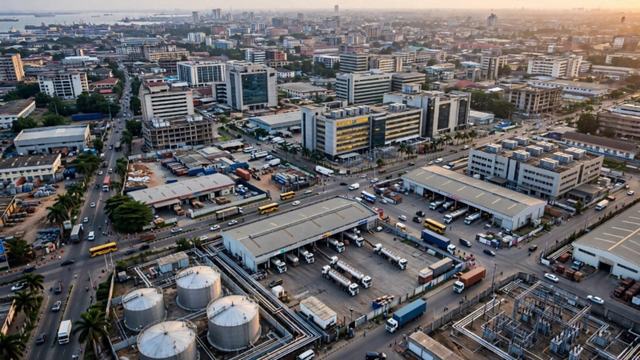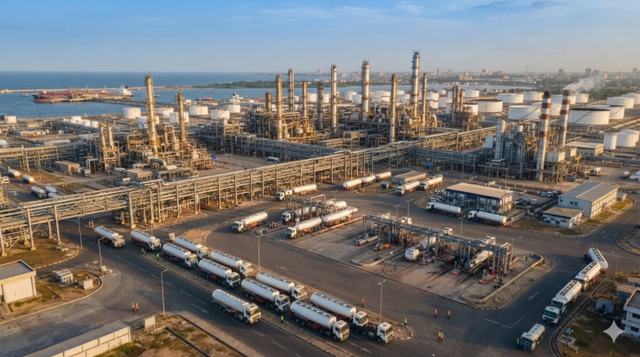
Nigeria is trying to grow its non oil economy, but manufacturers are facing a problem that could quietly undermine that ambition.
The cost of producing and moving goods in Nigeria is becoming so high that locally manufactured products are struggling to compete in international markets.
Recent industry concerns have pointed to energy, transportation, finance, taxes, port congestion and other operating costs as major pressures on manufacturers.
The problem is bigger than whether a Nigerian product is good enough.
A manufacturer can produce a quality product and still lose a foreign customer if the final price is significantly higher than what competitors in another country can offer.
Global buyers are not only comparing products.
They are comparing the total cost of getting those products from the factory to the final market.
This puts Nigerian businesses in a difficult position.
Electricity can increase production costs.
Moving raw materials can become expensive.
Delays at ports can add time to an order.
Borrowing money to expand production can also cost more.
By the time everything is added together, a product that looked competitive at the factory can become expensive by the time it reaches another country.
The pressure also affects smaller manufacturers differently.
A large company may have enough capital to invest in better equipment, negotiate supplier contracts or absorb temporary increases in operating costs.
A smaller manufacturer may have to increase prices immediately, reduce production or simply stop pursuing international customers.
There is another problem that businesses often overlook.
When operating costs rise, companies can become so focused on surviving the next month that they stop looking at how efficiently the business actually works.
Employees may spend hours on repetitive administrative tasks.
Customer enquiries can remain unanswered. Sales leads may not be followed up.
Stock information can be scattered across different systems.
These inefficiencies add another layer of cost.
Businesses cannot control every external cost, but they can control how efficiently they operate around those costs.
A manufacturer should know which processes are consuming the most time and money, which customers are generating the most value and where delays are happening.
Better information can help management make decisions before small inefficiencies become large expenses.
Technology can also help reduce the amount of manual work surrounding production and sales. Auxi Sherpa can help businesses automate customer communication, capture and qualify leads, manage follow ups and organize repetitive operational processes. For a growing manufacturer, that can free employees to focus on production, sales and other activities that directly support growth.
The global market does not reward businesses simply because they have good products. It rewards businesses that can deliver those products at a competitive price, with reliable quality and dependable service.
If Nigerian manufacturers want to compete internationally, reducing production costs must go alongside improving the systems that control how businesses operate.
If you have an article, opinion piece, event or news story you would like published, Global News Arena would love to hear from you.
Send an email to advertise@globalnewsarena.com.