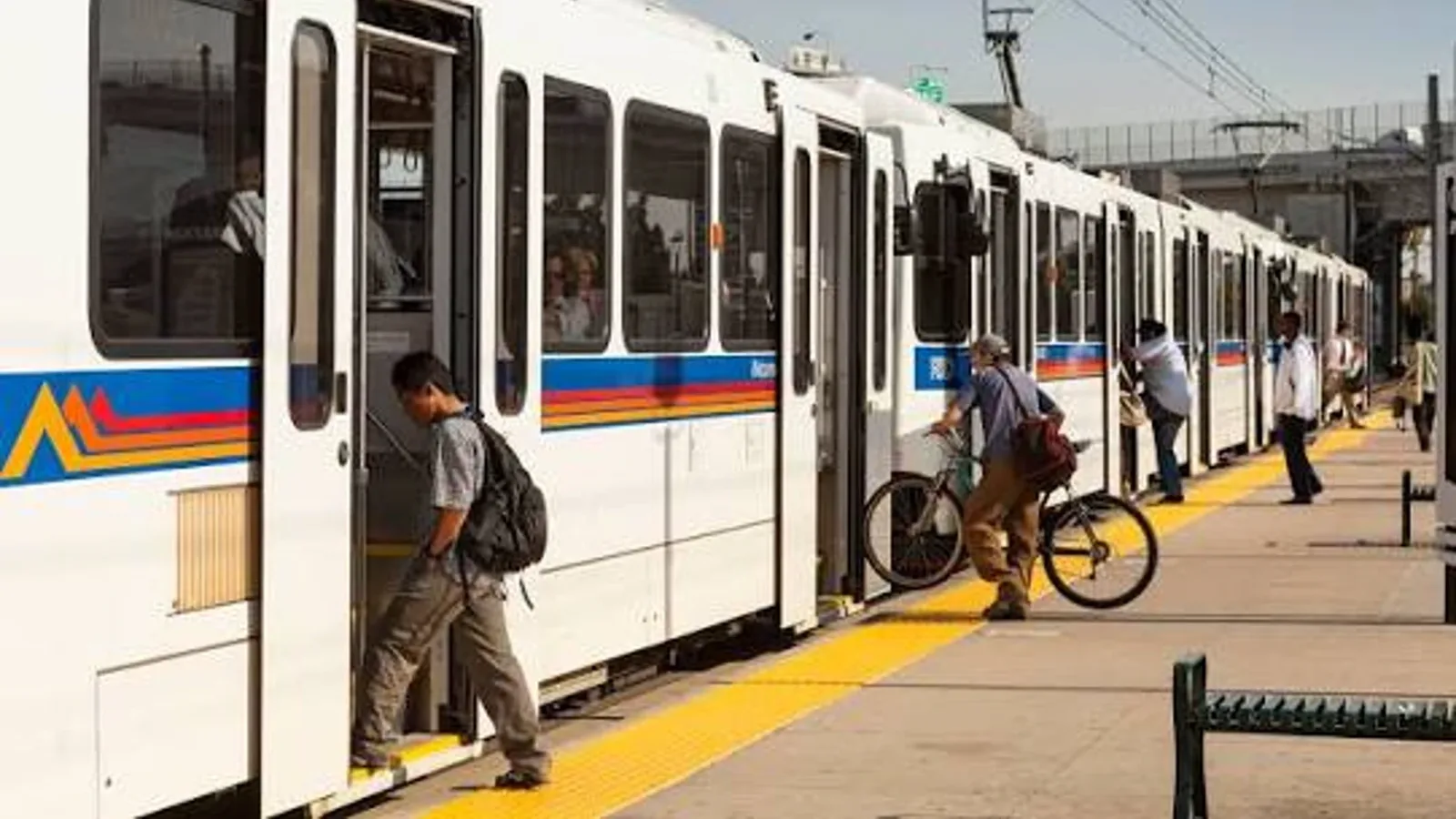
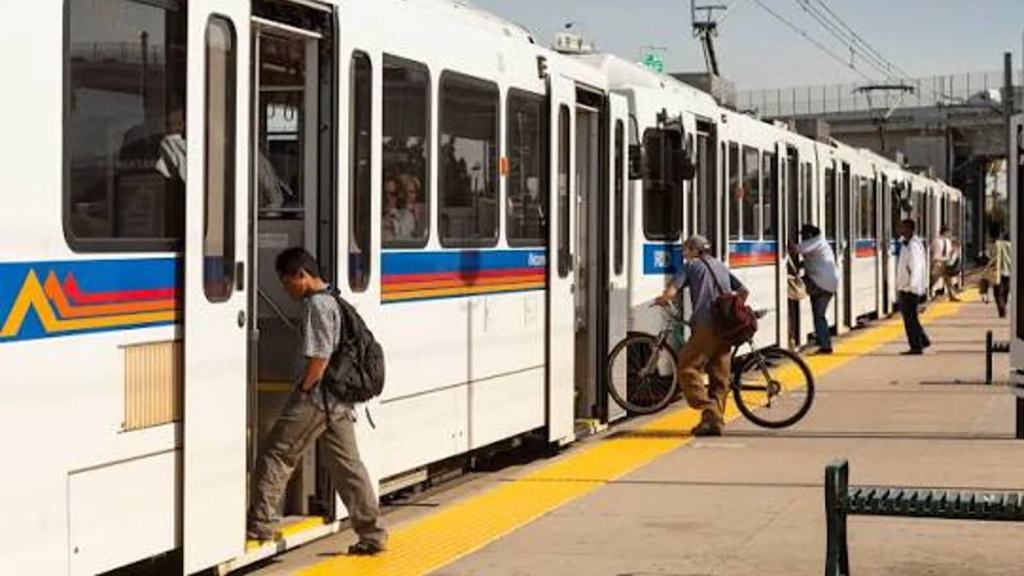
RTD stands for Regional Transportation District, the public transportation agency serving the Denver metropolitan area in Colorado. Its buses and trains connect the city with surrounding communities, making the agency a central part of everyday travel across the region.
READ: Lakewood Colorado: Lakewood: Biography, History and Life in Colorado
Unlike a transportation department serving just one city, RTD operates across municipal and county boundaries. Its network brings together local bus routes, regional connections, light rail, commuter rail and specialized transportation services.
Read: Do you need a professional writer in 72 hours? Contact Auxi Chat
RTD: Origins and Early Development
READ: IVD: Biography, Career and Public Life
The Colorado General Assembly created RTD in 1969 to develop and operate a coordinated regional public transportation system. The agency emerged as metropolitan Denver was expanding and travel increasingly crossed the boundaries of individual cities.
During its early development, RTD consolidated existing bus operations into a broader public network. That process helped establish a common framework for routes, fares and service planning across communities that had previously relied on separate transportation arrangements.
Read: Need a professional website in 72 hours? Contact Auxi Chat
Buses became the foundation of the system. They remain essential because they can serve neighborhoods, commercial areas and destinations beyond the reach of fixed rail lines. For many passengers, a bus is either the entire journey or the connection between home and a train station.
Expansion into Rail
RTD opened its first light rail line in 1994, adding a new form of public transportation to Denver. Later extensions carried rail service into additional parts of the metropolitan area and made trains a more prominent feature of the regional network.
A major milestone came in 2004, when voters approved FasTracks, a long-term transit expansion program supported by an additional sales tax. The program included new rail corridors, bus rapid transit and improvements to transportation facilities.
Denver Union Station became an important interchange linking rail and bus services. Its redevelopment strengthened its role as a meeting point for different parts of the network and as a gateway to downtown Denver.
In 2016, the University of Colorado A Line began connecting Union Station with Denver International Airport. This commuter rail service gave residents and visitors a direct public transportation option between downtown and the airport.
Services and Public Governance
RTD’s services address different kinds of travel. Local buses make frequent neighborhood stops, while other routes connect communities over longer distances. Light rail and commuter rail operate along established corridors, with stations that often provide connections to buses and parking facilities.
The agency also provides Access-a-Ride, its paratransit service for eligible people with disabilities who cannot use the regular bus and rail system for some or all trips. This service forms part of RTD’s responsibilities under federal accessibility requirements.
RTD is governed by an elected board of directors representing geographic districts within its service area. Board members oversee policy, budgets and major decisions, while agency management handles day-to-day operations.
Sales taxes are a major source of financial support. Passenger fares, grants and other revenues also contribute to the agency’s funding. As a public institution, RTD must balance service needs with available resources and the costs of operating and maintaining its network.
Role in the Denver Region
RTD’s importance extends beyond the vehicles it operates. Its services help people reach workplaces, schools, medical appointments, shopping areas and public facilities. For riders without access to a car, those connections can be especially important.
READ: Cross River State Police Command: Biography, History and Role
Transit stations and major bus corridors also influence discussions about housing, development and regional growth. Reliable connections can make it easier to live or work in places where driving is not the only practical option.
RTD’s institutional story is therefore closely tied to Denver’s development. From its beginnings as a regional coordinating agency to its operation of an extensive bus and rail network, its central purpose has remained public mobility across a growing metropolitan area.
More from Global News Biography. Further reading: RTD on Wikipedia.
Are you interested in learning how to write professionally and earn money as a writer and content creator? Contact Auxi Chat today to start your writing journey immediately.
Need a professional website in 72 hours? Contact Auxi Chat
If you have an article, opinion piece, event or news story you would like published, Global News Arena would love to hear from you.