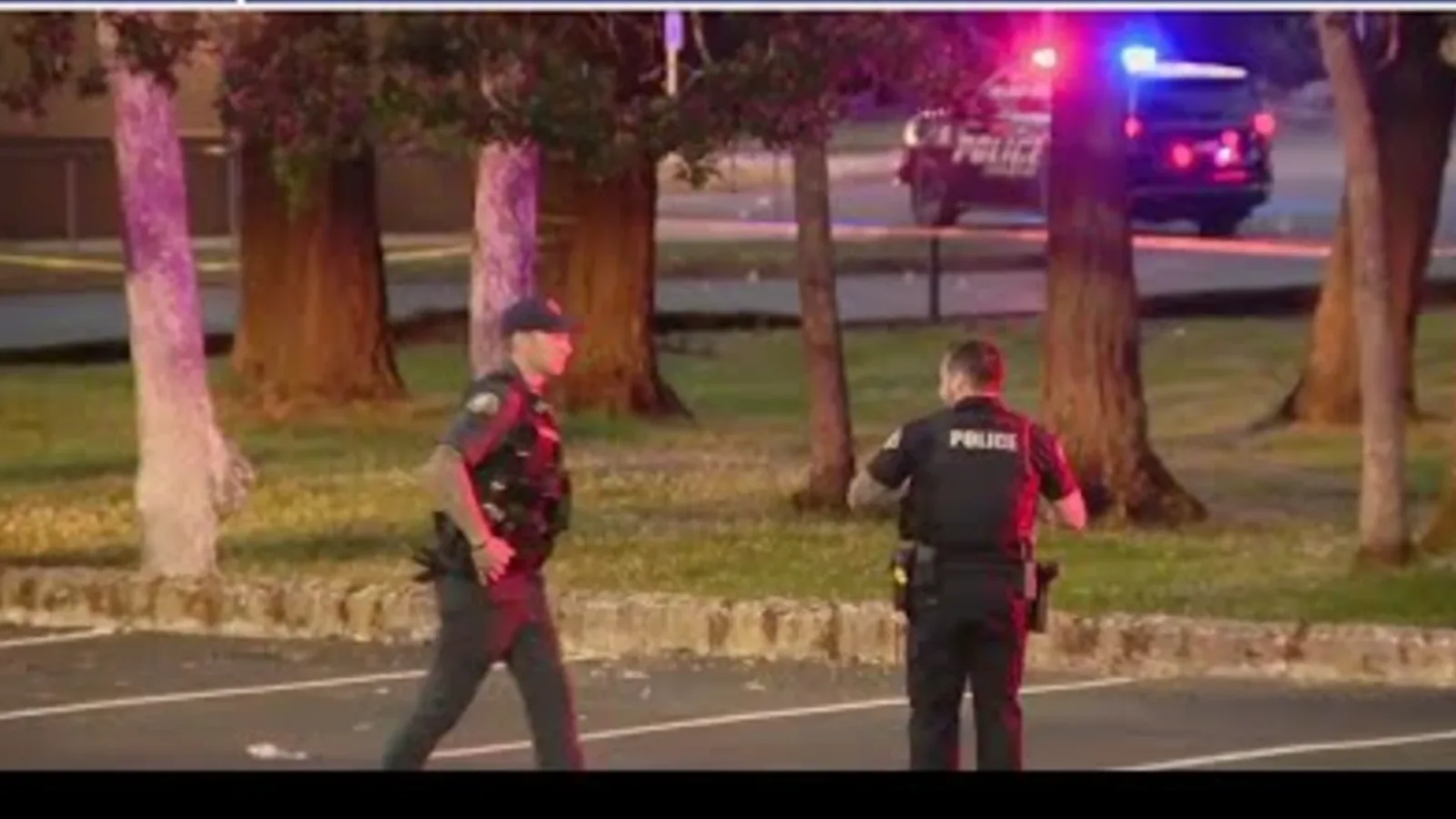
A Lakewood RTD bus shooting killed a Lakewood police agent, with three officers reported shot and one civilian injured. The suspect was killed in a shootout.
READ: Investigation: How Emergency Procurement Rules Outlive the Emergency
The available account leaves a crucial question unresolved: whether the agent who died was among the three officers shot. Those figures should not be added together without clarification.
Read: Do you need a professional writer in 72 hours? Contact Auxi Chat
The incident involves police and a public transit vehicle, but the information available does not establish how the confrontation began. It also does not identify the people involved or describe the surviving victims’ conditions.
READ: Doris Umezurike Ogala: The Definitive Biography
What is known about the Lakewood RTD bus shooting
The account identifies the officer who died as a Lakewood police agent. Lakewood, in Colorado’s Denver metropolitan area, uses the title “agent” for police officers. The term does not, by itself, indicate a federal law enforcement role.
Read: Need a professional website in 72 hours? Contact Auxi Chat
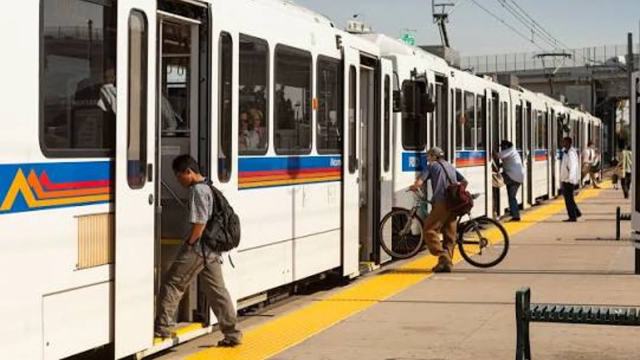
RTD stands for the Regional Transportation District, the public transportation agency serving the Denver region. Its network includes buses and rail services used by commuters and other passengers.
The reported shooting involved an RTD bus. However, the precise location, route, date and time are not established in the available information. It is also unclear which parts of the confrontation occurred inside the vehicle or nearby.
The suspect’s death in a shootout is reported, but the sequence remains unspecified. There is no basis to identify who fired a particular shot or describe the suspect’s actions before the exchange.
Why the casualty figures need careful reading
The account reports three officers shot, one police agent killed and one civilian injured. Those descriptions do not establish a definitive total of separate victims.
If the agent who died was included among the three officers shot, adding that death separately would count the same person twice. If the agent was additional to those three, the total would differ. That distinction needs explicit confirmation.
The civilian’s injury also requires careful wording. The account says the civilian was injured, not specifically that the person was shot. It does not establish whether that person was a passenger, an employee or someone outside the bus.
No further information establishes the severity of the surviving victims’ injuries. Their treatment, recovery prospects and hospital status should not be assumed.
What remains unknown about the confrontation
A reliable reconstruction would need to explain why officers encountered the suspect and how the incident escalated. Neither point is established here. A motive, earlier offence or reason for police attendance cannot be inferred from the outcome.
The available information contains no statements from Lakewood police, RTD, the victims’ families or witnesses. Their responses therefore cannot be characterised. The absence of those statements from this account does not mean the organisations or families have made none.
There is also no established account of evacuation procedures, the bus driver’s actions or the number of people aboard. Describing a rescue, pursuit or hostage situation would go beyond the known facts.
These gaps matter because an initial casualty summary cannot explain responsibility for every injury. That requires evidence about individual actions and the order in which they occurred.
What passengers and the wider public should know
For transit users, the immediate practical question is whether their journey is affected. The available information does not establish any route suspension, diversion, station closure or wider disruption.
Passengers planning travel should check RTD’s current service notices rather than assume that the entire network is affected. A reported incident involving one bus does not establish a systemwide shutdown.
READ: Lakewood Colorado: Lakewood: Biography, History and Life in Colorado
People seeking information about someone potentially involved should rely on official contact channels. Unverified names, photographs and casualty totals can cause additional distress, especially before families receive confirmed information.
The next facts that would clarify the incident
The most important updates would reconcile the casualty count, identify the location and explain the surviving victims’ conditions. An official timeline would help distinguish the initial encounter from the fatal shootout.
Further information should also establish which agency is examining the shooting and whether transit operations were affected. Neither point is currently settled by the available account.
The central reported facts are grave: a police agent died, officers were shot, a civilian was injured and the suspect was killed. Understanding what happened requires keeping those facts separate from the unanswered questions.
Are you interested in learning how to write professionally and earn money as a writer and content creator? Contact Auxi Chat today to start your writing journey immediately.
Need a professional website in 72 hours? Contact Auxi Chat
If you have an article, opinion piece, event or news story you would like published, Global News Arena would love to hear from you.