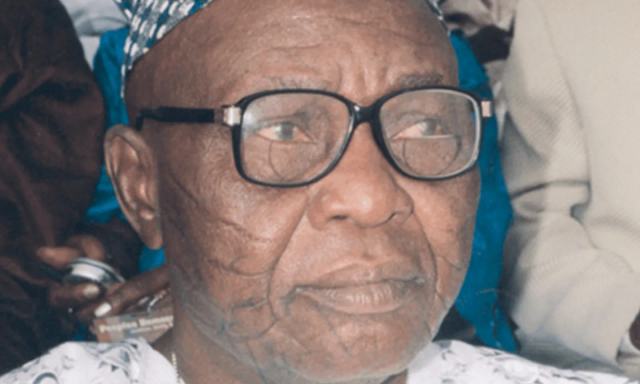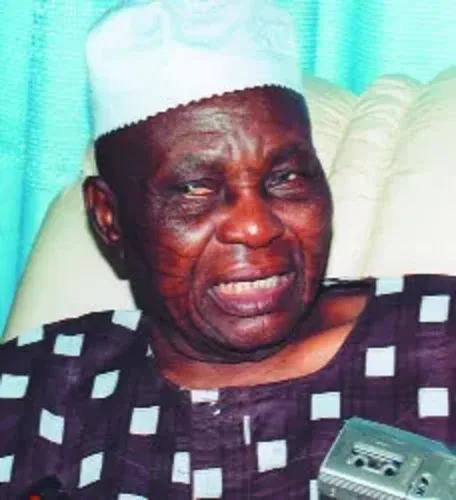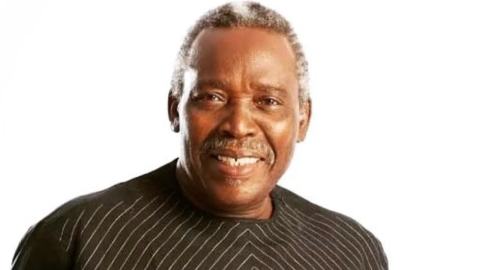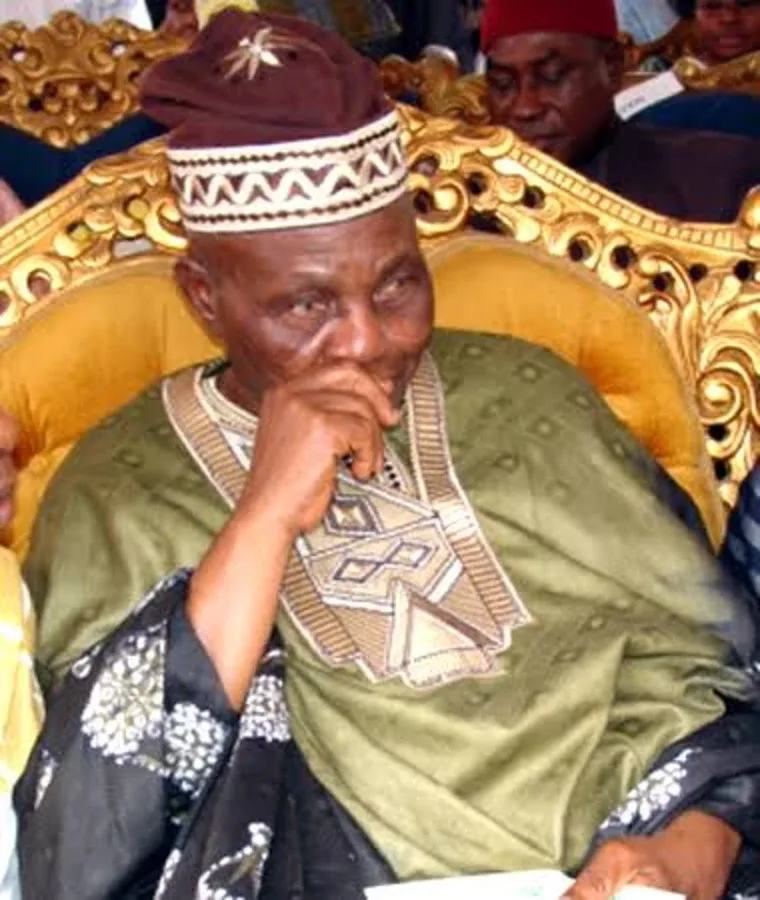
Ibadan has had many powerful men. Few were as feared as Lamidi Adedibu.
He never ran for governor. He never held a seat in the National Assembly. Yet for decades, people said nothing moved in Oyo State politics without him.
So who was he?
His full name was Lamidi Ariyibi Akanji Adedibu.
He was born on October 24, 1927, at Oja-Oba, in the heart of Ibadan.
His family belonged to the Olupoyi chieftaincy ruling house, an old and respected line in the city.
His father came from that house. His mother was a kolanut trader.
He did not grow up rich.
He grew up inside a market, watching how people traded, argued and settled their differences.
Those were his first lessons in politics.
His parents believed in school.
He started at a Quranic school when he was six.
Later he went to Mapo Elementary Primary School, and then to Ibadan Boys High School.
At that school, his parents placed him in the care of one of his teachers, Samuel Lanlehin. That teacher later became his political mentor. The man who taught him in class was the man who later took him into politics.
He left school in 1946.
He worked for a short time at a government catering house in Ibadan, then went into business on his own in 1948.
Then politics came calling.
He entered politics in the 1950s through the Ibadan People's Party. From there he joined the Action Group under Chief Obafemi Awolowo.
He was not an overnight success. In 1954 he lost a local election. Two years later, with help from friends, he won a seat.
From that point, he never really left.
He moved with the times and with the power. When the Action Group lost its hold, he joined the National Party of Nigeria. Later, under General Ibrahim Babangida, he backed Shehu Musa Yar'Adua in the Social Democratic Party.
In his final years he was a giant of the People's Democratic Party. A former president, Olusegun Obasanjo, called him the father of the PDP.
But parties were not where his power came from. His power came from his house.
His home at Molete, in Ibadan, was never quiet. Every day the crowds came. Food was cooked and given out, and at least one cow was killed most days. The favourite meal was amala and gbegiri.
He gave money.
He helped people find work.
He listened to problems that no office would listen to.
For poor people in Ibadan, that compound was often the first place that ever helped them.
It earned him the name the political god of Molete. Some simply called him the Alaafin of Molete.
It also earned him something more useful.
Loyalty.
That loyalty turned into influence.
People said nobody could hold a political post in Oyo State without Adedibu's approval. That is why they called him the strongman of Ibadan politics.
He was a kingmaker, and he never hid it.
He helped Rashidi Ladoja become governor of Oyo State in 2003. Later the two men fell out, and the quarrel grew into a fight over who controlled the state.
Another governor, Adebayo Alao-Akala, was his political godson. A former deputy governor came from the same circle. So did senators, including Teslim Folarin.
Adedibu did not only build politicians. He built buildings too. He is said to have built about 15 mosques around Ibadan, including one inside his own compound.
He also had a memory for history.
He worked with journalists on a memoir called What I Saw, which told the story of Nigerian politics from the 1950s onwards.
Not everyone praised him.
Critics said his politics mixed generosity with force. They said loyalty to him could be rewarded, and refusal could be punished. They described his style as a blend of populism and raw thuggery.
Both things were said while he lived. Both are still said now.
He held a traditional title as well. He was the Ekarun Olubadan of Ibadanland.
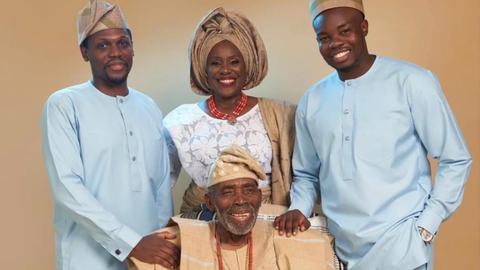
At home, he was a husband and a father. His wife, Alhaja Abosede Mudinat Adedibu, was known as the Yeyelua of Ibadanland.
One of his sons, Kamorudeen Adekunle Adedibu, was elected senator for Oyo South in April 2007, while his father was still alive. Another son, Professor Abass Aderemi Adedibu, is the eldest.
Then came June 11, 2008.
He had travelled to Lagos that day for a routine check-up.
Later he was taken to the University College Hospital in Ibadan, where he died of complications from diabetes. He was 80.
His death left a hole in Oyo politics. The crowds that filled Molete thinned. The fights he used to settle had no referee.
Years later his name still comes up whenever power in the South West is discussed.
So who was Lamidi Adedibu? A boy from a market who never wore the biggest crown, but for a long time decided who would.
If you have an article, opinion piece, event or news story you would like published, Global News Arena would love to hear from you.
Send a message to Global News Arena contact to get in touch.