Communication is essential in everyday life. People use phones and the internet to contact family, run businesses, receive news and ask for help.
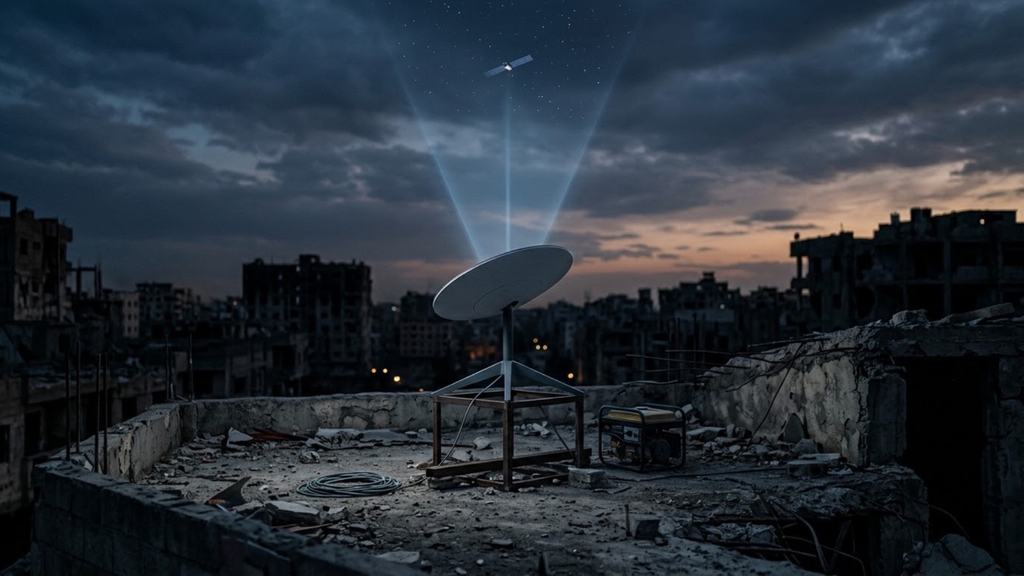
During a war, flood, earthquake or major power failure, these connections can become difficult to use. Mobile towers may be damaged, electricity may fail or roads may become unsafe for repair workers. Satellite internet can provide another way to connect.
Unlike ordinary internet services that depend heavily on cables and ground equipment, satellite internet sends signals between user equipment and satellites in space.
Those satellites connect users to the wider internet through the provider’s network. Depending on the system, this can allow people to get online in remote areas where traditional broadband is not available.
During emergencies, reliable communication can help rescue teams share information, coordinate supplies and reach people who need assistance.
Hospitals and relief organisations may need to contact staff, request equipment or report changing conditions.
Journalists and local authorities may also use available connections to send updates to the public.
Satellite internet is not the only solution, but it can provide an important alternative when other networks are damaged.
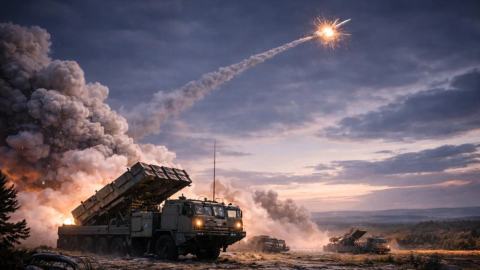
In conflict areas, communications can become even more important.
Military and emergency teams may need to coordinate their activities over large areas where ordinary networks are unreliable.
Humanitarian organisations may need to stay in touch with workers and communities.
However, the role of satellite internet varies depending on the service, equipment, local conditions and rules governing its use.
Satellite internet also has limits. Users may need a clear view of the sky, a compatible terminal and a reliable power supply. Equipment and subscription costs can be high for families and small organisations.
Weather, congestion, technical failures or restrictions on service can also affect the connection.
A satellite service should therefore not be treated as a guarantee that communication will always be available.
Governments, businesses and emergency organisations can reduce these risks by preparing more than one way to communicate.
Depending on the situation, this may include mobile networks, radio systems, satellite connections and backup power.
Organisations should also decide in advance who is responsible for maintaining equipment and how staff will communicate if their main system fails.
The growth of satellite internet has created new opportunities for people living far from major cities.
Schools, health centres, farms and businesses may be able to access online services that were previously difficult to reach.
The technology can support learning, work and access to information, provided that it is affordable and suitable for the location.
Satellite internet is valuable because it can provide a connection when other options are limited.
But the best emergency plan does not depend on one technology alone.
Combining different communication methods, maintaining equipment and preparing backup power can help people and organisations stay connected when they need it most.
If you have an article, opinion piece, event or news story you would like published, Global News Arena would love to hear from you.
Send a message to Global News Arena contact to get in touch.