Every video on YouTube just got more popular, and nobody but the ones calling the shots actually did anything differently.
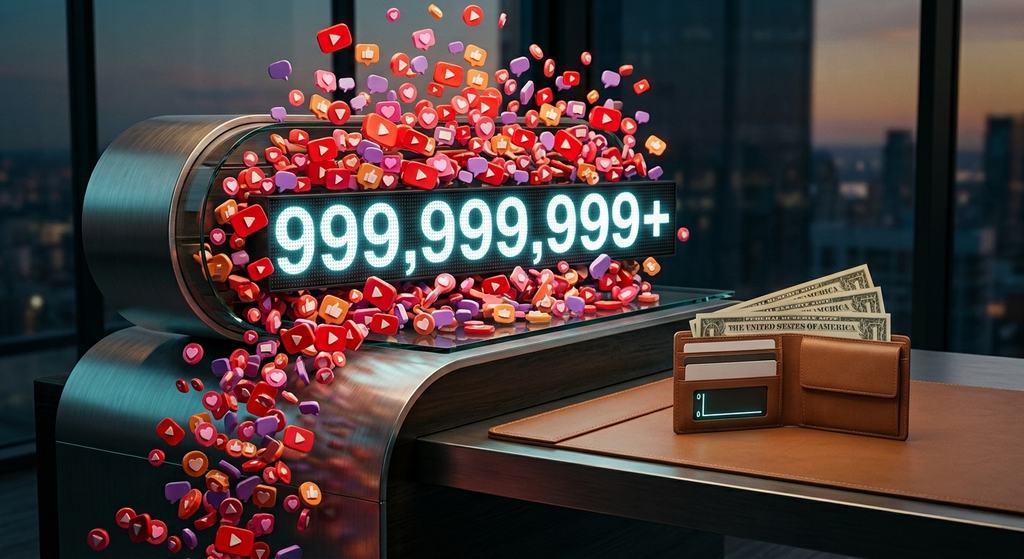
Starting today August 24, 2026, YouTube counts a public view the instant a video begins playing, from the very first frame, with zero watch time required.
This new rule applies across everything, long-form uploads, live streams, Shorts, the whole platform under one standard.
Before this, long-form videos needed something like 30 seconds of watch time before the counter moved, though YouTube never actually published that number out loud.
Shorts made this exact switch back in March 2025 to match how TikTok and Instagram already counted things.
This just finished the job.
So somebody clicks play, gets bored, closes the tab two seconds later. Congratulations, that's officially a view now.
Here's the part that actually matters though, you know, the part buried under the headline number everyone's about to screenshot.
YouTube is keeping the old, stricter standard alive too, just moving it somewhere less visible.
It's called "Engaged Views," and you'll find it tucked inside YouTube Analytics under Advanced Mode instead of sitting under the video for the world to see.
Creator earnings and Partner Program eligibility still run entirely on that older, tougher metric.
Your public view count just got a glow up.
Your actual paycheck didn't get the memo.
That gap between the number everyone sees and the number that actually pays is worth sitting with, because it's not really new, it's just gotten more obvious.
Think about what a view count has always secretly promised people: "this many people found this worth their time."
That was always a slightly generous read even under the old system, but at least it demanded some minimal commitment, a few seconds of somebody's actual attention before the number moved.
The new system asks for nothing. A view now measures curiosity for half a second, not interest, not attention, not anything resembling engagement.
To me, that's just reach dressed up as proof.
Brands and marketers are already scrambling over this, and for good reason.
Analytics firm Mondo Metrics put it bluntly, warning that YouTube is inflating the visible number while pushing the metric that actually means something deeper into the dashboard, which creates real problems for anyone benchmarking performance or buying ads against view-based pricing.
If your influencer contract says "views" without specifying which kind, you've basically signed a deal with an undefined word in it starting this week.
There's a version of this happening in every creative field, not just YouTube, and it's worth noticing in your own numbers too.
Followers aren't the same as customers.
Impressions aren't the same as sales.
A download isn't the same as someone who actually finished your ebook and thought it was worth their time.
Platforms have every reason to keep the visible numbers climbing, bigger numbers mean the platform looks healthier, creators feel good opening the app, advertisers get told a flattering story about reach.
Nobody involved in that chain benefits from you asking the harder, more useful question, which is who actually stuck around.
I made a version of this exact point writing about Madonna's VMA nominations, that staying visible and staying relevant are two completely different games, and social media works overtime to blur the line between them.
YouTube just handed everyone visual proof of that exact blur, sitting right there in a single metric split cleanly in two.
If you're building anything at all, a following, a brand, a product, a business that depends on people actually caring about what you make, the lesson here is "stop mistaking your view count for the whole story."
Track the number that's easy to see, but build your actual decisions, your pricing, your growth targets, whatever you tell an investor or a client about your reach, around the harder number underneath it.
The one that requires someone to actually stay.
YouTube didn't make anyone's content better this week.
It just changed the ruler everyone's using to measure it.
That's worth remembering the next time a bigger number shows up in your own dashboard and your first instinct is to celebrate before checking what actually moved.
Frequently Asked Questions
When did YouTube's view counting change take effect?
The new rule took effect August 24, 2026, after being announced on August 17.
What counts as a view now?
A view registers the moment a video starts playing, from the first frame, with no minimum watch time required, across long-form videos, Shorts, and live streams.
Does this affect creator earnings?
No. YouTube says earnings and Partner Program eligibility are still based on "Engaged Views," a separate, stricter metric available in YouTube Analytics under Advanced Mode.
Is this related to YouTube's Partner Program changes?
It's a separate but related update. On August 10, 2026, YouTube also announced it's doubling the watch-hour requirement for new Partner Program applicants, from 4,000 to 8,000 hours, effective February 2027.
If you have an article, opinion piece, event or news story you would like published or you are ready to begin your journey toward building a profitable online content writing business from your phone or laptop, Global News Arena would love to hear from you.
Send an email to advertise@globalnewsarena.com