Netflix dropped a number that would have sounded ridiculous a few years ago.
Roughly 300 titles.
That's how many Netflix productions the company says had generative AI workflows used somewhere in the process this year, with the largest concentration in post-production.
That doesn't mean Netflix suddenly replaced its film crews with AI. In fact, that's probably the least interesting way to interpret the story.
The more important question is what happens when tools that were once available mainly to large productions start becoming accessible to everyone else.
Because the expensive part of creating is starting to change.
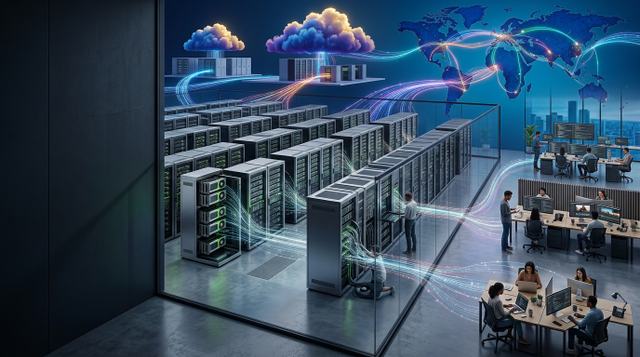
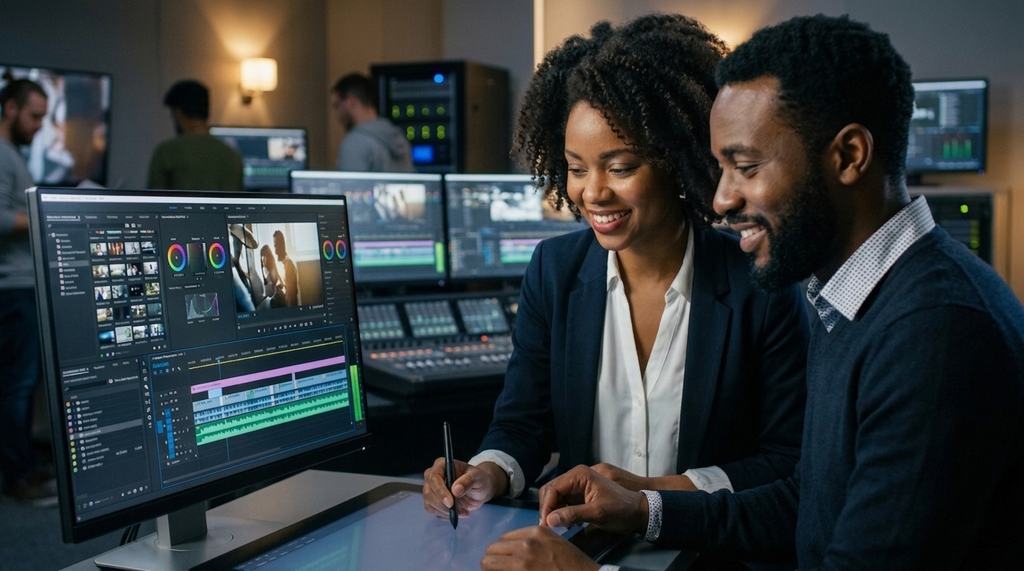
Netflix has pointed to uses involving complex crowd scenes, battle sequences, and establishing shots, with AI being used across different stages of production, from concept and pre-visualisation through to post-production and delivery.
These aren't necessarily the glamorous parts of filmmaking. They're often the things that make creative projects expensive in the first place.
Need a huge crowd? A complicated background? A difficult visual effect? A shot that would normally require a lot of time, equipment, and people?
AI can potentially reduce some of that workload since the cost of producing certain kinds of content is changing.
What used to require a team can sometimes start with one person.
And this is already happening outside Hollywood.
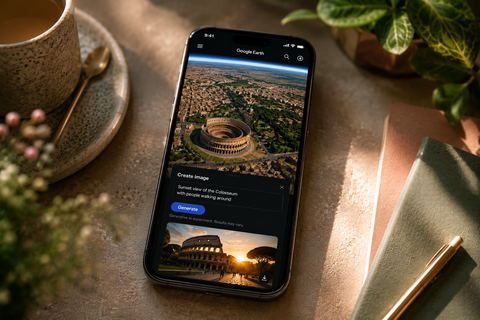
One person can make a video, design its graphics, generate supporting visuals, edit clips, write a script, and distribute the finished piece using tools that would once have required multiple specialists.
That doesn't mean one person is suddenly as good as a professional production team.
It means the starting line has moved.
Someone with a good idea but a small budget can experiment more cheaply. A small business can produce better-looking content without hiring a full production crew for every project. A creator can test an idea before committing serious money to it.
That's a meaningful shift.
But there's a catch.
AI makes producing things easier.
It doesn't automatically make those things worth producing.
And as more people gain access to tools that can create impressive visuals, impressive visuals become less impressive on their own.
The idea matters more.
The story matters more.
The editing matters more.
Even the ability to recognise when something looks fake, unnecessary, or simply bad becomes more valuable.
That's an important distinction because it's easy to confuse lower production costs with better creative work.
They aren't the same thing.
Netflix itself describes generative AI as a creative aid, with guidance requiring production partners to disclose intended use, particularly when outputs involve final deliverables, talent likeness, personal data, or third-party intellectual property.
So even at the biggest level, this isn't simply about handing a project to AI and walking away.
Someone still has to make decisions.
Someone has to decide what works.
Someone has to know when the technology has made something better and when it has simply made something cheaper.
That's where beginners should be looking.
I wouldn't tell someone starting out to try to compete with Netflix.
I'd tell them to look at which part of the creative workflow is becoming easier.
Could be video editing.
Or creating social media graphics.
Or writing first drafts.
It could even be producing visual assets for small businesses.
Those are opportunities because businesses and creators don't necessarily need someone who knows every AI tool in the market.
They need someone who can use the right tools to get a useful results.
What Small Businesses Can Actually Automate With AI Right Now is worth reading alongside this story. The same principle applies on a much smaller scale: find the repetitive or expensive part of a process and figure out whether technology can make it easier.
If you're trying to turn that into an actual service, Auxi Sherpa's AI Image Creation and Content Creation Tools can give beginners a starting point without requiring a production crew of their own.
The future may be less about "AI jobs" and more about existing jobs becoming AI-assisted.
Instead of asking, "What AI job should I get?" ask:
"What job can I do better because I know how to use AI?"
That's a much more useful question.
Netflix's 300-title figure is proof that the technology has moved from the experimental stage into ordinary production workflows.
And once that happens at the top of an industry, it usually doesn't stay at the top forever.
The tools get cheaper. They get easier. More people start using them.
Eventually, someone who is very good at using them becomes the person everyone else calls when they need something done.
That's where the real opportunity may be.
Frequently Asked Questions
Is Netflix replacing filmmakers with AI?
No. Netflix describes generative AI as a creative aid within production, with disclosure and human oversight built into its use. It isn't being presented as a replacement for creative teams.
Is Netflix replacing human creatives with AI?
No. AI is being used as a creative aid within production workflows, while human decision-making remains central to the process.
What parts of production is AI actually being used for?
Netflix has highlighted uses involving complex crowd scenes, visual effects, world building, and other areas that traditionally require significant time and resources.
Does this affect smaller creators and small businesses?
Yes. As these tools become more accessible, individuals and small businesses can produce higher-quality content without needing a full production team for every project.
Does AI automatically make content better?
No. It can lower the cost and time involved in producing certain kinds of content, but the idea, story, creative judgment, and editing decisions still determine whether the final result is actually good.
What should beginners focus on given this shift?
Look for a specific part of a creative workflow that AI is making easier, then build a practical skill around using that technology to solve a real problem for clients.
If you have an article, opinion piece, event or news story you would like published or you are ready to begin building a profitable online content writing business from your phone or laptop, Global News Arena would love to hear from you.
Send an email to advertise@globalnewsarena.com