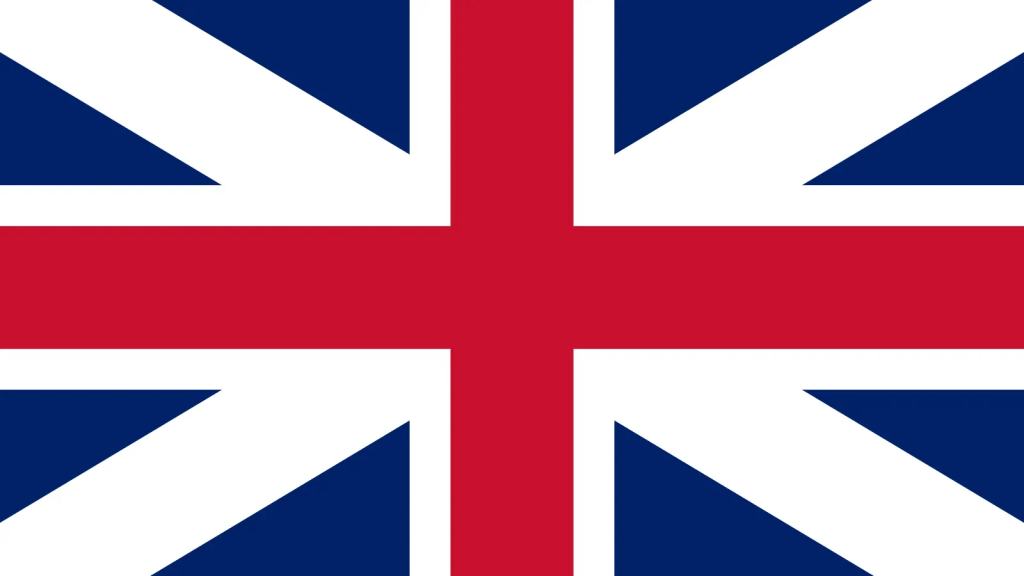
Britain is a place of overlapping identities, long-established institutions and continuing change. Its name evokes parliamentary government, industrial cities, literature and theatre, but also distinct national traditions and debates about belonging. Understanding Britain begins with separating its geography from the state commonly associated with it.
READ: Obong of Calabar: Biography, Career and Royal Legacy
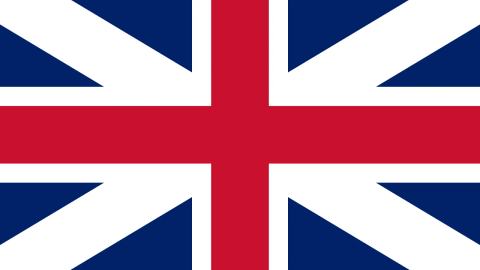
Great Britain is the island containing England, Scotland and Wales. The United Kingdom comprises those three countries and Northern Ireland. In everyday speech, Britain is often used as shorthand for the United Kingdom, although the terms are not geographically identical.
Geography and National Character
READ: Ile-Ife: Biography, History and Cultural Heritage
Situated off the northwestern coast of mainland Europe, Great Britain lies between the Atlantic Ocean and the North Sea. Its landscapes range from the Scottish Highlands and Welsh mountains to the English lowlands. Coastlines, rivers and ports have shaped settlement, commerce and connections with the wider world.
London, in England, is the United Kingdom’s capital and a major centre for government, finance and culture. Edinburgh and Cardiff are the capitals of Scotland and Wales. Other cities, including Manchester, Birmingham, Glasgow and Liverpool, have influential industrial, commercial and cultural histories.
British identity does not replace English, Scottish or Welsh identity. People may identify with one or several of these descriptions. Regional loyalties, languages, migration and family histories all contribute to the country’s varied social character.
History and Political Development
Britain’s past includes prehistoric communities, Roman rule across much of the island, Anglo-Saxon kingdoms and Viking settlement. The Norman conquest of England in 1066 reshaped landholding and government. England, Scotland and Wales subsequently developed through different, often interconnected political histories.
Wales was incorporated into the English state through conquest and legislation. The union of England and Scotland in 1707 created the Kingdom of Great Britain. A later union with Ireland, followed by the partition of Ireland and independence for most of the island, shaped the present United Kingdom.
Britain became a major imperial power, extending its influence through trade, settlement, conquest and colonial government. That history includes participation in the transatlantic slave trade, exploitation and resistance to imperial rule. Decolonisation transformed Britain’s international position, while imperial connections left lasting effects on its population and institutions.
The United Kingdom is a constitutional monarchy with a parliamentary system. Parliament at Westminster makes laws for the UK, while devolved institutions exercise powers in Scotland, Wales and Northern Ireland. The allocation of responsibilities differs between these administrations.
Industry, Learning and Public Life
Britain was central to the Industrial Revolution. Developments in textiles, steam power, coal mining and manufacturing helped transform production and transport. Industrial growth expanded cities and wealth, while also producing harsh working conditions and deep inequalities.
Its economy later shifted towards services, including finance, education and professional work, alongside manufacturing and scientific research. Universities such as Oxford and Cambridge are internationally recognised, within a much wider network of institutions.
Public life has also been shaped by the National Health Service, the BBC, voluntary organisations and sporting traditions. Football, rugby and cricket hold prominent places in community life and international competition.
Culture and Dramatic Training
READ: Ayinla: Biography, History and Cultural Legacy
Britain has an influential literary and performing arts tradition. William Shakespeare’s plays remain central to theatre worldwide, while writers from across its nations have explored class, language, landscape and identity. Music, film and television have broadened that cultural reach.
London’s West End is a major centre for commercial theatre, alongside regional venues and touring companies. Dramatic-training institutions include Mountview, based in London, as well as the Royal Academy of Dramatic Art and the Royal Conservatoire of Scotland.
These institutions form part of a wider creative culture sustained by performers, writers, directors and technical specialists. Together with Britain’s diverse communities, they help renew a national identity rooted in history but never fixed.
Are you interested in learning how to write professionally and earn money as a writer and content creator? Contact Auxi Chat today to start your writing journey immediately.
Need a professional website in 72 hours? Contact Auxi Chat
If you have an article, opinion piece, event or news story you would like published, Global News Arena would love to hear from you.